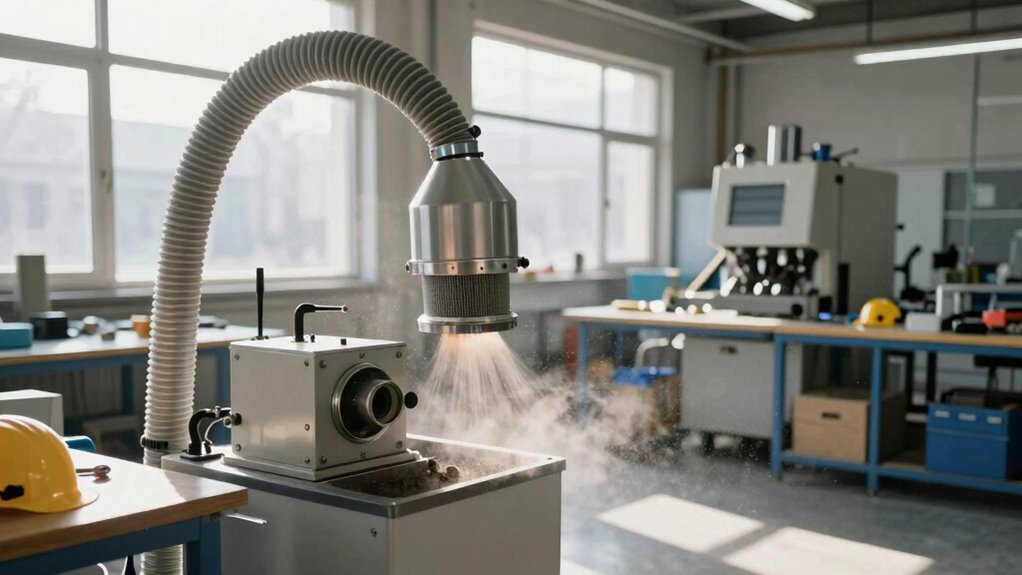

Once fine dust becomes part of your workspace, your dust collection system becomes even more essential. These tiny particles can bypass standard filters, settle deep into lungs, and cause serious health risks. Proper filtration and regular maintenance guarantee your system works efficiently, preventing airborne dust and protecting your safety and equipment. Prioritizing effective dust control supports a cleaner, safer environment. Keep exploring to discover vital ways to optimize your dust management and keep health hazards at bay.

Prime made for students and young adults
- Fast, free delivery for dorm and study essentials
- Prime Video and Amazon Music included
- Member-only deals
Key Takeaways
- Fine dust particles can bypass traditional filters, making specialized dust collection systems essential for effective removal.
- Well-maintained systems ensure continuous high efficiency in capturing microscopic dust, protecting health and equipment.
- Proper filtration technology reduces airborne fine dust, improving air quality and workplace safety.
- Regular maintenance prevents system failures and leaks that could release harmful fine dust into the environment.
- Investing in advanced dust collection systems supports sustainability and long-term health benefits.
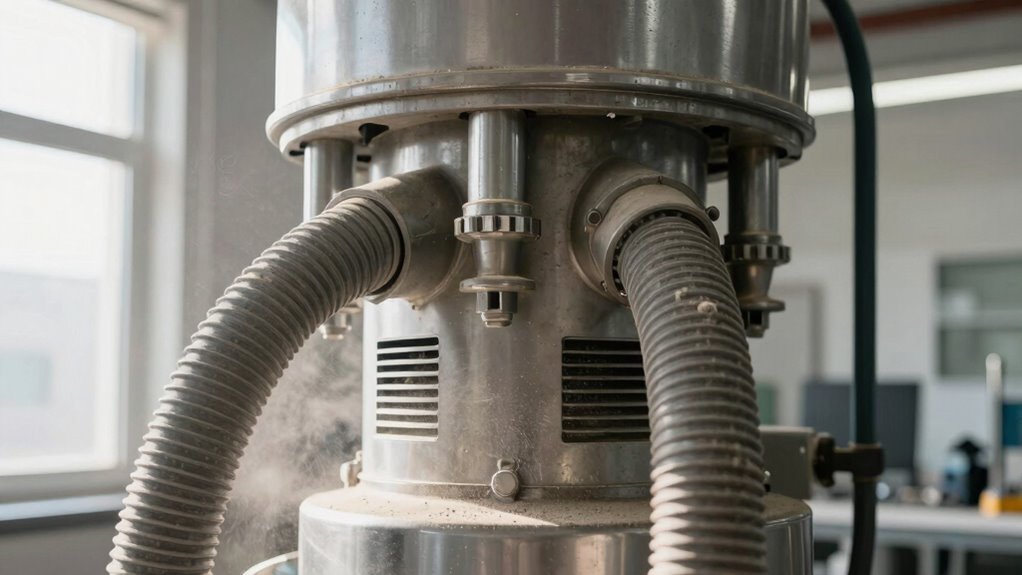
As dust particles become finer, they tend to bypass traditional filtration methods and settle deeply into your lungs. This highlights why fine dust is more than just a nuisance—it’s a serious health concern. Once fine dust enters the conversation, it becomes clear that standard cleaning routines are not enough. You need a system designed specifically to capture those microscopic particles before they become airborne and pose a threat. Properly maintained equipment plays a crucial role here. Regular equipment maintenance ensures that your dust collection system functions at peak performance, preventing clogs and leaks that could allow fine dust to escape into the workspace. When your system is well-maintained, it operates more efficiently, reducing dust levels and improving overall air quality.
Moreover, good equipment maintenance extends the lifespan of your dust collection system and saves you money in the long run. When filters are cleaned or replaced timely, motors are inspected, and ductwork is checked for leaks, you’re actively reducing the risk of system failure and ensuring continuous operation. This reliability is especially important once fine dust becomes a part of your daily environment, as it helps prevent buildup and contamination that can compromise both safety and equipment performance. Recognizing the importance of biodiversity and sustainable practices also emphasizes the need for effective dust management to protect both health and the environment. Understanding the characteristics of fine dust can help you choose the right filtration technology for your needs, ensuring optimal air purity. Additionally, implementing comprehensive air quality strategies can further enhance your workspace’s safety.
A thorough understanding of dust particle size can guide you in selecting the most effective filtration methods tailored to your specific environment. You might not realize it initially, but the quality of the air you breathe directly impacts your focus, energy, and overall health. That’s why investing in a quality dust collection system and keeping it in prime condition should be a priority. It’s not just about removing debris; it’s about creating an environment where you can work confidently, knowing that the air you breathe is cleaner and healthier. When fine dust enters the conversation, it’s a clear sign that your dust collection efforts need to be at their best—because in the end, good air quality and thorough equipment maintenance go hand in hand for a safer, more productive workspace.
As an affiliate, we earn on qualifying purchases.
Frequently Asked Questions
How Often Should Dust Collection Filters Be Replaced?
You should replace dust collection filters based on their filter lifespan and replacement frequency recommendations, typically every 1 to 3 months. Regularly check for signs of clogging or reduced airflow, which indicate it’s time for a change. Proper maintenance guarantees peak filtration performance and protects your system. Keep an eye on the manufacturer’s guidelines, as some filters may need more frequent replacements depending on usage and dust levels.
What Are the Health Risks of Fine Dust Exposure?
Think of fine dust as an invisible storm, swirling through your air like tiny arrows targeting your lungs. Exposure to airborne toxins from this dust can cause serious health risks, including respiratory issues, asthma, and even long-term lung damage. If you ignore it, you’re letting these microscopic enemies infiltrate your respiratory health. Protect yourself by ensuring proper dust collection; your lungs will thank you for the extra shield against this silent threat.
Can DIY Dust Collection Systems Be Effective?
A DIY setup can be effective if you choose the right components and guarantee proper installation. You need a strong enough motor, quality filters, and airtight connections to maximize system effectiveness. While homemade systems might not match commercial ones, they can substantially reduce dust if built carefully. Just remember to regularly maintain and replace filters to keep your dust collection system working efficiently and protect your health.
How Does Humidity Affect Dust Collection Efficiency?
When humidity impacts your dust collection system, it’s like adding fuel to a fire—you can lose efficiency quickly. Moisture effects cause dust particles to clump together, making filters clog faster and reducing airflow. High humidity levels hinder your system’s ability to capture fine dust, meaning it works less effectively. To keep things running smoothly, control humidity levels and guarantee your system’s components stay dry, maximizing efficiency and safety.
What Are the Maintenance Costs of Professional Systems?
You’ll find that maintenance costs for professional dust collection systems mainly involve regular filter replacements and system inspections. This helps maintain ideal air quality and extends filter lifespan, preventing costly repairs. By keeping up with scheduled maintenance, you guarantee the system runs efficiently, reducing long-term expenses. Investing in proper upkeep not only protects your equipment but also creates a safer, healthier environment for everyone.
As an affiliate, we earn on qualifying purchases.
Conclusion
Now that you understand the importance of dust collection systems, aren’t you ready to prioritize clean air in your workspace? Fine dust can quietly harm your health and machinery, so investing in the right system isn’t just smart—it’s essential. Don’t let dust settle into your routine unnoticed. Isn’t it time you took control and created a safer, cleaner environment? Your health and productivity will thank you for making that change today.
As an affiliate, we earn on qualifying purchases.
As an affiliate, we earn on qualifying purchases.
Halloween Picks
halloween
As an affiliate, we earn on qualifying purchases.