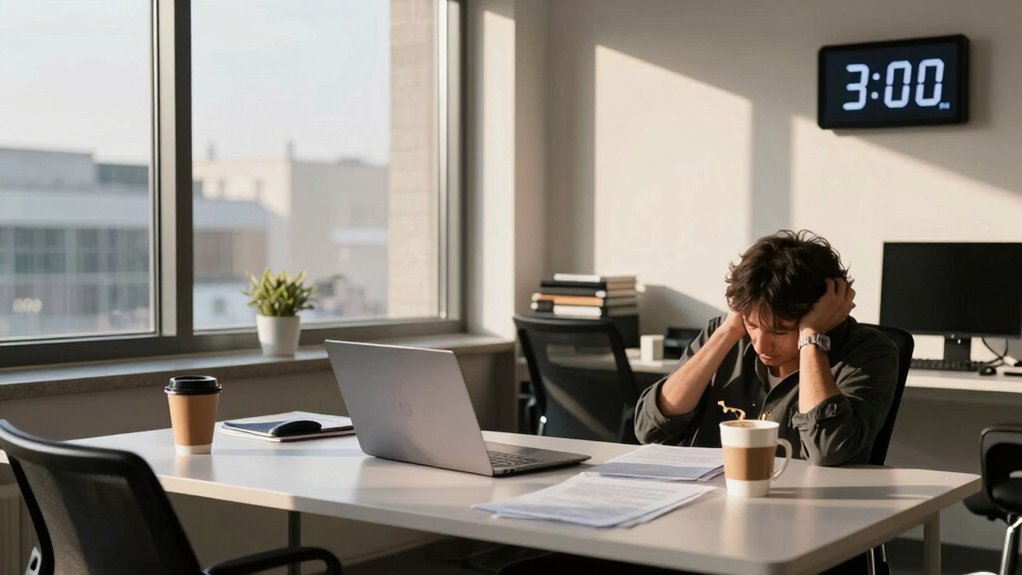

Your energy drops at the same time each day because your internal circadian rhythm signals lows in alertness during mid-afternoon or early evening. External habits like caffeine use, stressful moments, and eating sugary or carb-heavy meals can intensify these dips. Poor sleep and dehydration also contribute, making your natural lull even more noticeable. Understanding these patterns can help you manage your energy better—keep exploring to learn how you can smooth out these daily fluctuations.

Get school and study supplies delivered free — and shop member deals
- Fast, free delivery on millions of items
- Access to Prime Big Deal Days deals on October 6–7
- Prime Video, Amazon Music and more included
Key Takeaways
- Your circadian rhythm naturally causes energy dips in mid-afternoon or early evening.
- External factors like caffeine dependence or poor diet can intensify regular energy lows.
- Hormonal fluctuations from stress and adrenal activity contribute to predictable energy slumps.
- Blood sugar fluctuations from heavy meals lead to regular energy drops at specific times.
- Routine habits and sleep patterns influence consistent daily energy declines.
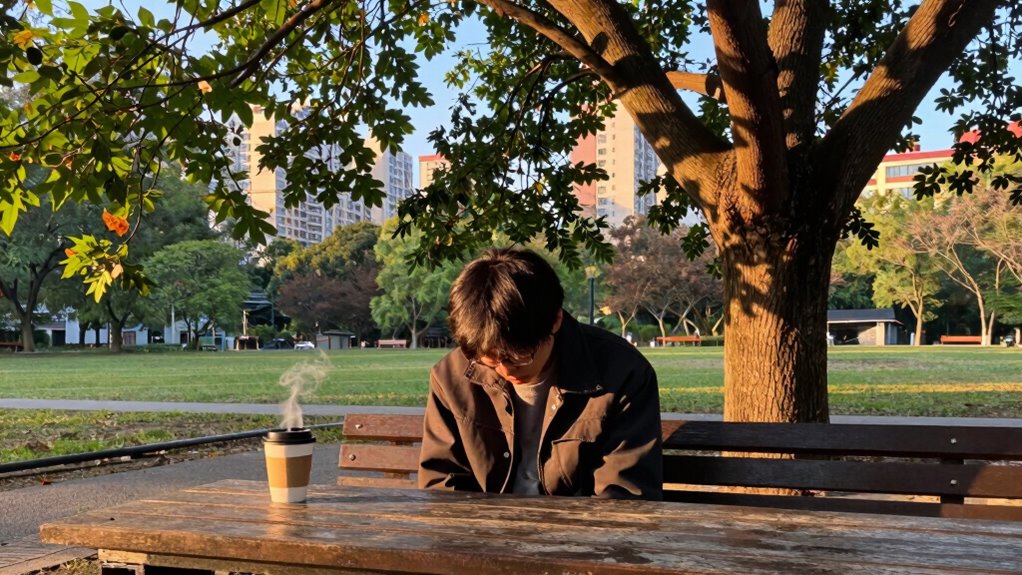
Have you ever noticed your energy dipping at the same time each day? It’s a common experience, and understanding why it happens can help you regain some control over your daily rhythm. Your body runs on a complex internal clock called the circadian rhythm, which influences your alertness, hormone production, and even body temperature. This natural cycle causes dips in energy levels, often in the mid-afternoon or early evening, but external factors can intensify these lows.
Understanding your circadian rhythm helps explain daily energy dips and how habits can influence them.
One major contributor is caffeine dependence. If you rely heavily on coffee or energy drinks to get through the day, your body begins to expect that caffeine boost at specific times. When those doses wear off, your energy crashes harder than it naturally would without caffeine. This creates a cycle where you chase that quick jolt, but it leaves you more drained in the long run. The more dependent you become, the more your body adjusts to the stimulant, making it harder to feel alert without it. Over time, this dependence can distort your natural energy patterns, causing you to feel sluggish at predictable points during the day, especially if you skip your usual caffeine fix or consume it late in the day, disrupting your sleep and further impacting your energy.
Stress levels also play an essential role. High stress can cause your adrenal glands to release excess adrenaline and cortisol, which initially make you feel more alert. But sustained stress keeps your body in a heightened state of arousal, which can lead to fatigue once the stress subsides. When the stress dips or you finally relax, your energy tanks because your body has been operating on overdrive. This pattern often aligns with the time you notice your energy slump, especially if you’ve had a stressful morning or afternoon. Over time, chronic stress can flatten your energy peaks and valleys, making the afternoon slump feel more intense and predictable. Additionally, hormonal fluctuations related to stress and circadian rhythms can further influence these energy patterns, highlighting the importance of understanding how your body responds to various internal and external cues. Recognizing these hormonal shifts can help you develop strategies to maintain more balanced energy levels.
Furthermore, your eating habits greatly influence your energy at certain times. Heavy lunches, especially those rich in carbs and sugar, can cause blood sugar spikes followed by rapid drops, triggering feelings of tiredness. Poor hydration, lack of sleep, and sedentary behavior also compound these dips, reinforcing the pattern of feeling low at the same time each day. Recognizing the role of blood sugar regulation can help you make smarter dietary choices that support steady energy levels throughout the day. Being mindful of meal timing and composition can significantly impact your energy stability and overall well-being. Incorporating nutrient-dense foods and balanced meals can further help in maintaining consistent energy levels.
In essence, your energy dips are a combination of your internal biological clock, habits, and external stressors. Recognizing these patterns gives you a chance to adjust your routines—cutting back on caffeine dependence, managing stress better, and choosing foods that stabilize blood sugar. When you align your habits with your natural rhythms, you can smooth out those daily energy lows and feel more consistent throughout the day.
best caffeine-free energy supplements
As an affiliate, we earn on qualifying purchases.
As an affiliate, we earn on qualifying purchases.
Frequently Asked Questions
Can Hydration Levels Affect My Daily Energy Peaks and Drops?
Yes, hydration levels can impact your daily energy peaks and drops. Maintaining hydration consistency helps regulate your electrolyte balance, preventing dehydration that causes fatigue. When you stay properly hydrated, your body functions more efficiently, leading to steadier energy levels throughout the day. Conversely, dehydration can lead to dips in energy, especially during the times when you typically feel most tired. So, drinking enough water and balancing electrolytes are key to maintaining consistent energy.
Do Specific Medications Influence My Energy Slump Times?
Yes, specific medications can influence your energy slump times. Medication timing plays a essential role because taking drugs at certain hours may cause side effects like fatigue or drowsiness, impacting your energy levels. Drug side effects vary, but some medications, especially those affecting your nervous system or hormones, can make you feel sluggish at particular times. Consult your healthcare provider to optimize your medication schedule and minimize energy dips.
How Does Stress Impact My Daily Energy Fluctuations?
Did you know that stress can cause your energy dips? When you’re stressed, your body releases stress hormones like cortisol, disrupting its natural cortisol rhythm. This imbalance can lead to energy crashes, especially during mid-afternoon, as cortisol levels normally decline. So, managing stress helps regulate your cortisol rhythm, keeping your energy steady throughout the day instead of unpredictable fluctuations.
Can My Sleep Quality Change the Timing of My Energy Dips?
Yes, your sleep quality can influence the timing of your energy dips. Poor sleep hygiene disrupts your circadian rhythms, making your energy lows occur at different times. When you don’t get restorative sleep, your body struggles to regulate its internal clock, causing irregular energy patterns. To stabilize your energy levels, focus on improving sleep hygiene, ensuring consistent sleep schedules, and maintaining a healthy bedtime routine that supports your circadian rhythms.
Do Seasonal Changes Affect My Daily Energy Patterns?
Yes, seasonal changes can influence your daily energy patterns. As daylight variation occurs, your body’s internal clock adjusts, often leading to shifts in your energy levels. During shorter winter days, you might experience dips in energy due to seasonal mood changes and reduced sunlight. Conversely, longer summer days can boost your liveliness. Being mindful of these patterns helps you adapt your routines and maintain better energy throughout the year.
dehydration recovery electrolyte drinks
As an affiliate, we earn on qualifying purchases.
As an affiliate, we earn on qualifying purchases.
Conclusion
Understanding why your energy dips at the same time each day is like catching a rhythm in a song—you start to anticipate the beat. By recognizing these patterns, you can plan breaks, meals, or quick walks to keep your energy steady. Think of it as tuning your body’s clock, so it dances smoothly through the day. When you align with your natural rhythm, you turn daily lows into moments of renewal, keeping you in tune with your best self.
sleep aid supplements for better rest
As an affiliate, we earn on qualifying purchases.
As an affiliate, we earn on qualifying purchases.
As an affiliate, we earn on qualifying purchases.
Fall Picks
fall essentials
As an affiliate, we earn on qualifying purchases.