

When you feel sore two days after exercising, it’s because tiny muscle tears have triggered inflammation, which peaks during your healing process. These microtears signal your body to start repairing and strengthening muscle fibers, leading to soreness that peaks roughly 48 hours later. The more intense or eccentric your workout, the more microdamage occurs. To understand the science behind this delayed soreness and how to manage it better, keep exploring these details.

Prime made for students and young adults
- Fast, free delivery for dorm and study essentials
- Prime Video and Amazon Music included
- Member-only deals
Key Takeaways
- Soreness peaks around 24-48 hours after exercise due to inflammation reaching its maximum.
- Micro-tears in muscle fibers trigger inflammation, swelling, and pain, which develop gradually over time.
- The delayed soreness is a natural part of muscle repair, signaling adaptation and strengthening.
- Inflammatory response increases blood flow and nutrient delivery, causing temporary discomfort.
- Soreness timing is influenced by workout intensity, eccentric movements, and individual tissue response.
As an affiliate, we earn on qualifying purchases.
What Is DOMS and Why Does It Happen?
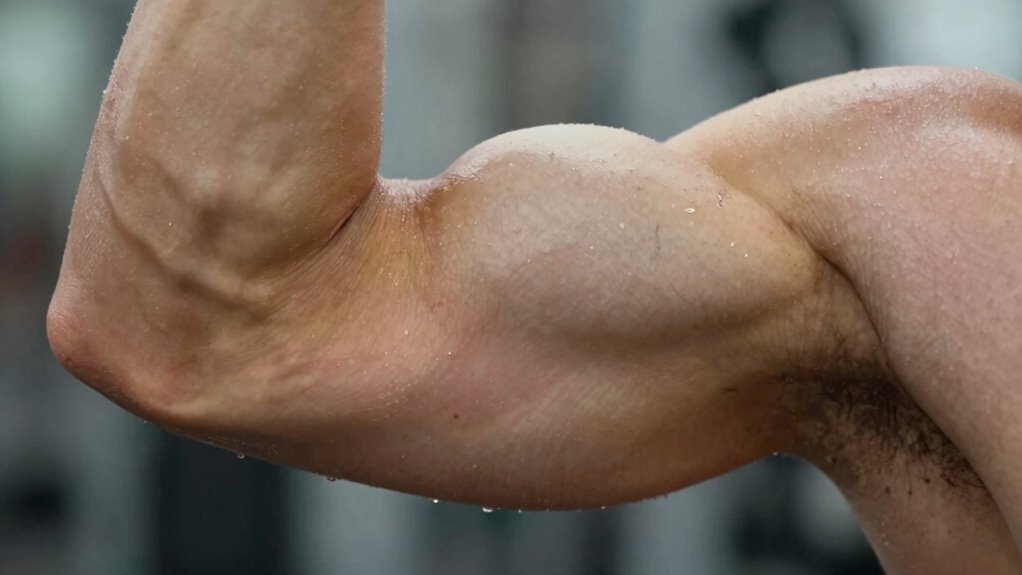
Delayed Onset Muscle Soreness (DOMS) is the pain and stiffness you feel a day or two after exercising, especially if you’ve done new or intense workouts. It occurs because your body is working to adapt to the stress placed on your muscles, stimulating exercise adaptation. During this process, small tears develop in muscle fibers, which can lead to muscle hypertrophy—the growth of muscle tissue. As your muscles repair these micro-injuries, they become stronger and more resilient. Additionally, the healing process involves muscle recovery strategies that help reduce soreness and improve performance. While DOMS signals that you’ve challenged your muscles, it’s also a sign that your body is responding to the training stimulus. Understanding this helps you appreciate why soreness happens and how it fits into your overall progress and muscle development. Moreover, muscle adaptation involves complex processes that improve your strength and endurance over time. This recovery process is essential for long-term fitness gains and helps prevent injury. Recognizing the role of muscle fibers in this process can help you optimize your workouts for better results.
post-workout muscle soreness relief
As an affiliate, we earn on qualifying purchases.
As an affiliate, we earn on qualifying purchases.
The Science Behind Microtears and Inflammation in Muscles
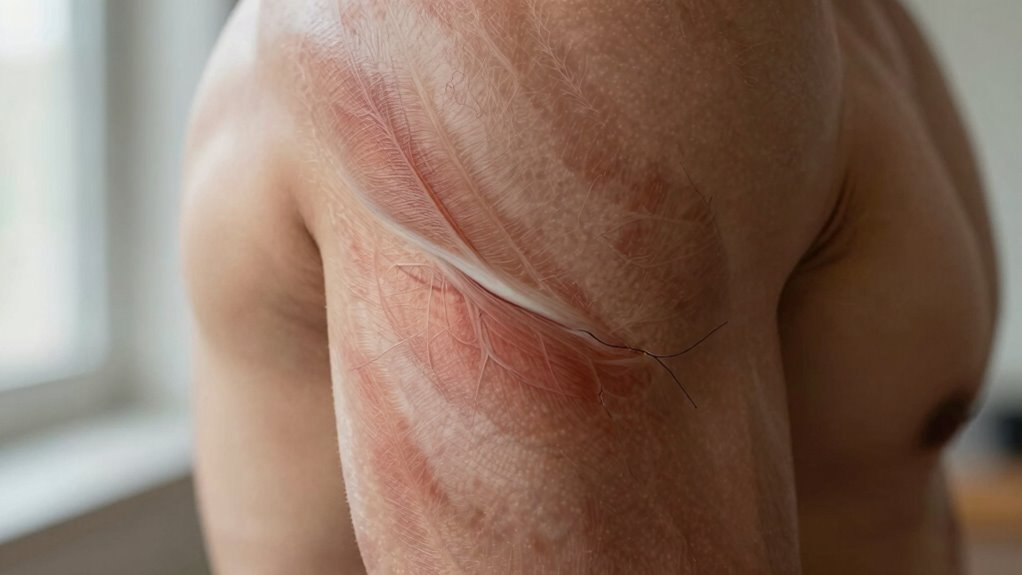
When you push your muscles during exercise, tiny tears form in the muscle fibers. These microtears trigger an inflammatory response, which causes swelling and pain that peaks a day or two later. Your body’s immune system sends cells to repair the damaged tissue, leading to soreness. Improving muscle flexibility through regular stretching can help reduce microtears by allowing muscles to stretch more easily, minimizing injury. Hydration strategies also play a crucial role; staying well-hydrated helps flush out toxins and supports tissue repair, reducing inflammation. Additionally, understanding the importance of proper air circulation can aid in the healing process by preventing excess heat and moisture buildup around injured muscles. As your body heals these microtears, inflammation subsides, and muscle strength improves. Understanding this process highlights the importance of proper hydration and flexibility routines to manage soreness and promote faster recovery after workouts.
As an affiliate, we earn on qualifying purchases.
How Exercise Intensity and Eccentric Movements Cause Soreness
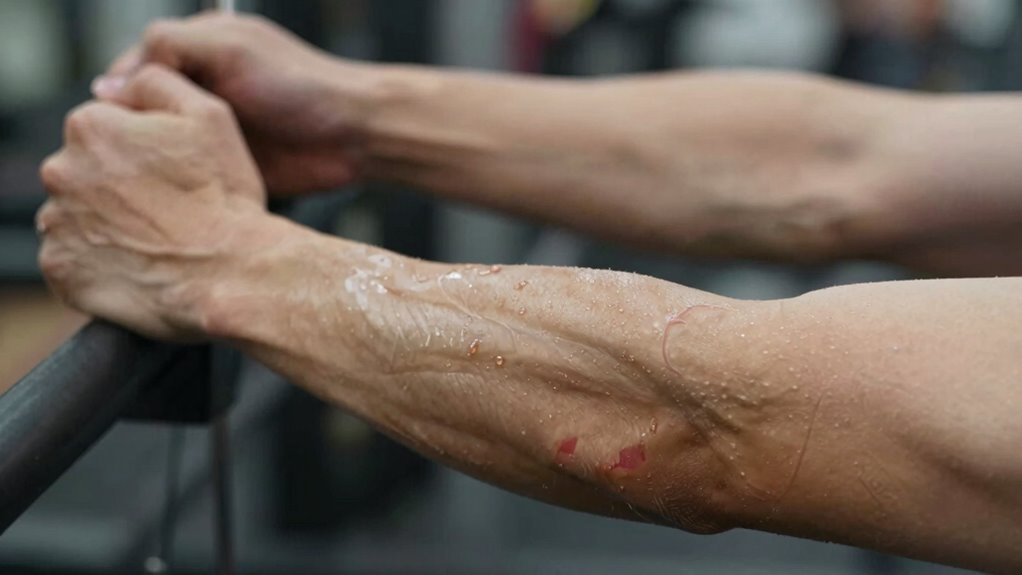
When you push yourself harder during exercise, your muscles experience more stress, increasing the likelihood of soreness. Eccentric movements—lengthening your muscles under tension—are especially prone to causing microtears and damage. These factors together explain why higher intensity and specific movement types lead to delayed muscle soreness.
Impact of Exercise Intensity
Exercise intensity plays a crucial role in how sore you feel afterward, especially when you push your muscles harder than usual. Higher intensity workouts create more microscopic muscle damage, leading to increased soreness. To manage this, focus on proper exercise progression; gradually increase your effort to avoid overwhelming your muscles. Mental preparedness is key—knowing your limits helps prevent overexertion that can intensify soreness. When you challenge yourself with high-intensity exercises, your muscles undergo greater stress, resulting in more significant soreness two days later. Balancing intensity with adequate rest and recovery allows your muscles to adapt without unnecessary discomfort. Remember, pushing too hard too fast can hinder progress, so listen to your body and build exercise progression thoughtfully. Incorporating proper muscle recovery techniques can further reduce soreness and improve performance over time. Additionally, understanding how eccentric movements contribute to muscle strain can help tailor your workouts to minimize delayed soreness. Being aware of workout intensity levels can help you prevent excessive soreness and promote steady progress.
Role of Eccentric Movements
Eccentric movements, where muscles lengthen under tension, amplify the soreness you feel after a workout, especially at higher intensities. During eccentric training, your muscles undergo controlled elongation, which creates more microscopic damage than concentric movements. This process increases muscle fiber strain and triggers greater inflammation, leading to delayed-onset muscle soreness (DOMS). Because eccentric exercises involve muscle elongation under load, they cause more strain on muscle tissues, making soreness more pronounced two days later. The increased mechanical stress from eccentric movements prompts your body to repair and adapt, but it also results in more pronounced soreness. Additionally, muscle damage from eccentric contractions can stimulate muscle growth and strength gains over time. Recognizing the importance of exercise intensity in relation to muscle damage can help optimize training and recovery strategies. Moreover, understanding the recovery process after eccentric workouts can aid in reducing soreness and preventing injury.
Muscle Damage Mechanisms
Increased workout intensity and eccentric movements lead to greater muscle damage by stressing muscle fibers beyond their usual capacity. This damage triggers the initial phase of muscle adaptation, prompting your body to repair and strengthen fibers for future stress. The damage occurs at a microscopic level, disrupting the muscle’s structural integrity and causing inflammation. This process is closely linked to soreness timing, as the pain typically peaks 24 to 72 hours after exercise. The extent of muscle damage influences how sore you feel and how quickly your muscles adapt. Over time, your body becomes more resilient, reducing soreness with consistent training. Understanding muscle damage mechanisms helps you tailor workouts to optimize recovery, minimize discomfort, and improve overall muscle performance. Recognizing the role of building flight hours and experience in aviation training can be compared to progressively increasing workout intensity to enhance muscle resilience and reduce soreness over time. Additionally, visual cues and feedback during exercise can assist in proper movement execution, further reducing potential damage. Paying attention to proper recovery strategies can also support your muscles’ healing process and prevent excessive soreness. Incorporating rest days and active recovery allows muscles to repair more effectively and reduces the risk of injury.
stretching strap for flexibility
As an affiliate, we earn on qualifying purchases.
As an affiliate, we earn on qualifying purchases.
How Your Muscles Heal and Recover From Soreness
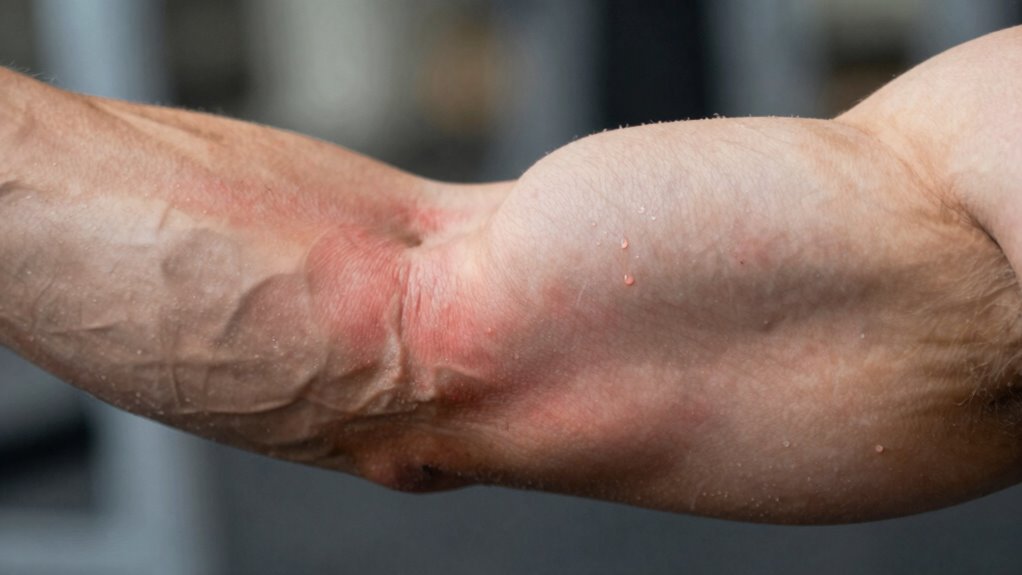
When your muscles start to recover, your body repairs damaged fibers through a natural healing process. Inflammation helps remove dead cells and promotes new tissue growth, but it can also cause discomfort. Understanding these repair and inflammation processes can help you optimize your recovery and reduce soreness. Additionally, employing proper home maintenance techniques can support overall physical health and comfort during recovery. Incorporating proper nutrition can also facilitate faster healing by providing essential nutrients needed for tissue repair. Recognizing the role of muscle inflammation can help you better manage post-exercise soreness and recovery strategies.
Muscle Repair Processes
After you experience muscle soreness, your body kicks into action to repair the damaged tissues. Specialized cells begin rebuilding muscle fibers, promoting increased muscle elasticity over time, which helps reduce soreness perception. As these fibers heal, your muscles gradually regain strength and flexibility. During this process, your body also produces new proteins that support muscle resilience. The repair process involves removing waste products and damaged cells, making way for fresh tissue growth. This healing boosts your muscles’ ability to stretch and contract smoothly, contributing to less soreness in future workouts. While inflammation plays a role later, the initial repair phase focuses on restoring muscle integrity and function. Muscle regeneration is a key factor in how quickly you recover and how your muscles improve over time. Incorporating proper rest and nutrition supports the muscle repair process, ensuring optimal recovery. Consistent recovery not only enhances muscle healing but also strengthens your muscles, making them more resistant to soreness and injury. Additionally, supporting nutritional intake can accelerate tissue repair and reduce recovery time. Through consistent recovery, your muscles become stronger, more elastic, and less prone to soreness.
Inflammation and Recovery
As your muscles begin repairing themselves, inflammation naturally kicks into gear to facilitate the healing process. This inflammation brings essential nutrients and immune cells to the damaged tissues, crucial for recovery. It also promotes increased blood flow, which helps restore muscle flexibility over time. While inflammation might cause discomfort, it’s a fundamental part of healing. To support this process, incorporating exercise variety can prevent overuse of specific muscle groups, reducing excessive inflammation and soreness. Proper recovery techniques, like gentle stretching and rest, help manage inflammation and improve overall muscle function. Additionally, understanding ear wax odor and other bodily cues can provide insights into your health, aiding in early detection of issues that may affect recovery. Remember, a balanced approach that includes varied workouts and attentive recovery allows your muscles to heal efficiently, minimizing soreness and preparing you for your next workout.
Why Does Soreness Peak Two Days After Your Workout?

The reason soreness peaks two days after your workout lies in how your muscles respond to the stress of exercise. When you push yourself, muscle fatigue sets in, causing tiny tears in your muscle fibers. These microtears trigger an inflammatory response, which takes time to develop fully. As inflammation ramps up, you experience maximum soreness around 48 hours later. This delayed discomfort is a natural part of muscle recovery and growth, signaling that your muscles are adapting. Understanding this process can boost your fitness motivation, helping you see soreness as a sign of progress rather than setback. It’s your body’s way of telling you that new stimuli are prompting your muscles to repair and strengthen, even if it doesn’t feel great right away.
Busting Myths About Muscle Soreness

Many people believe that muscle soreness always means you’ve injured yourself, but that’s a myth. Understanding the actual causes of muscle pain helps you train smarter and recover better. Let’s clear up common myths and reveal the facts about delayed soreness.
Myths About Delayed Soreness
Despite common beliefs, delayed muscle soreness isn’t always a sign of damage or overtraining. Many think that more soreness equals more muscle damage, but that’s not true. Your muscles have a natural elasticity that helps them recover without pain. Soreness isn’t solely about muscle tearing; it also involves pain perception, which varies from person to person. Some people might feel a lot of soreness with minimal damage, while others experience little pain despite significant fatigue. It’s a myth that delayed soreness directly indicates injury. Instead, soreness can result from changes in muscle elasticity and increased sensitivity in pain receptors. Recognizing this helps you avoid overinterpreting soreness as a sign of harm, so you can train smarter and recover appropriately.
Causes of Muscle Pain
Muscle pain after exercise often sparks misconceptions, but its causes are more complex than just muscle damage. Factors like muscle flexibility and pain perception play significant roles. When your muscles are less flexible, they’re more prone to strain, increasing soreness. Additionally, your pain perception varies based on nervous system sensitivity, which can amplify discomfort even without severe injury. Here’s a quick look at causes:
| Cause | Effect | Explanation |
|---|---|---|
| Reduced muscle flexibility | Higher injury risk | Tight muscles stretch less, leading to soreness. |
| Nerve sensitivity | Increased pain perception | Nervous system exaggerates discomfort signals. |
| Inflammation | Swelling and soreness | Body’s response to minor muscle stress. |
Understanding these causes helps you see soreness as a complex response, not just damage.
Myths vs. Facts
You’ve probably heard some common myths about muscle soreness, but not all of what you believe is true. Many think that only intense workouts cause soreness or that stretching techniques can prevent delayed onset muscle soreness (DOMS). In reality, soreness isn’t solely linked to workout intensity, and stretching may help ease discomfort but doesn’t eliminate it completely. Recovery nutrition plays a vital role in muscle repair and reducing soreness. Some believe that doing nothing speeds up recovery, but active recovery can be more effective. It’s also a myth that soreness indicates a good workout; sometimes, pushing too hard causes more harm than good. Understanding these facts helps you optimize recovery and avoid unnecessary misconceptions.
- Soreness isn’t just from intense workouts
- Stretching techniques help but don’t prevent DOMS
- Recovery nutrition accelerates healing
- Active recovery can be more beneficial than rest
How Nutrition and Hydration Help Reduce Soreness

Proper nutrition and hydration play a crucial role in minimizing muscle soreness after exercise. Consuming nutritious post workout snacks helps replenish glycogen stores, repair muscle fibers, and reduce inflammation. Focus on snacks rich in protein and carbs, such as yogurt with fruit or a protein shake. Staying hydrated is equally important; dehydration can worsen soreness and delay recovery. Use effective hydration strategies like drinking water consistently before, during, and after your workout. Adding electrolytes can also help replace lost minerals and improve muscle function. Proper hydration supports nutrient transport and waste removal, speeding up recovery and easing soreness. By prioritizing balanced nutrition and effective hydration, you give your body the tools it needs to recover faster and feel less sore two days later.
Tips to Prevent and Alleviate Muscle Soreness
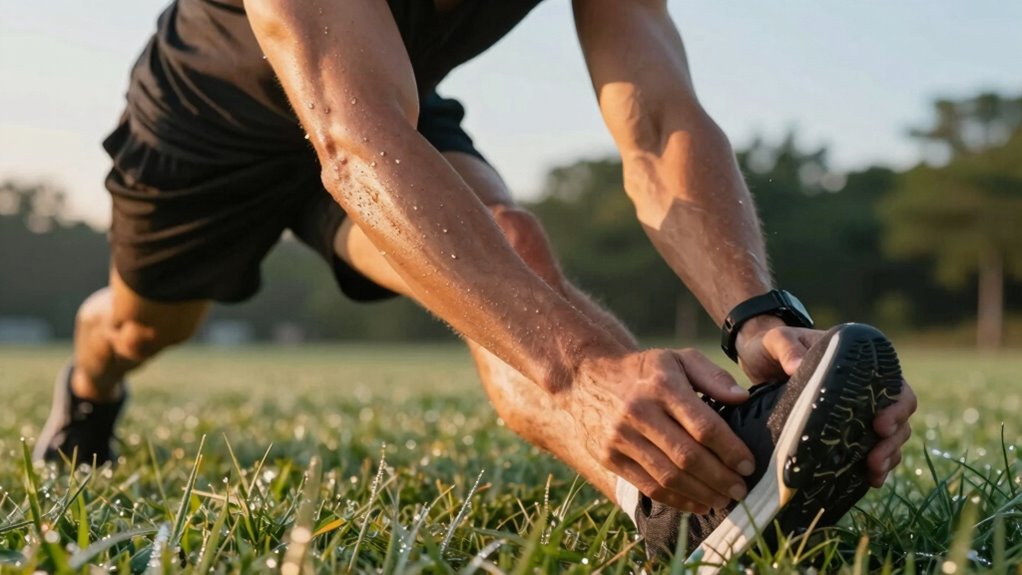
To prevent and alleviate muscle soreness, incorporating active recovery into your routine can make a significant difference. Engaging in gentle activities helps increase blood flow and speeds up recovery. Post workout stretching helps relax tight muscles and restore flexibility, reducing soreness. Foam rolling is another effective method; it releases muscle tightness and improves mobility. Additionally, staying hydrated and maintaining proper nutrition support muscle repair. Consider these tips to keep soreness at bay:
Active recovery, stretching, foam rolling, hydration, and nutrition help reduce muscle soreness effectively.
- Perform light activity like walking or swimming after workouts
- Incorporate post workout stretching to loosen muscles
- Use foam rolling to break up muscle knots
- Make sure adequate hydration and balanced nutrition
When to See a Doctor for Persistent Muscle Pain
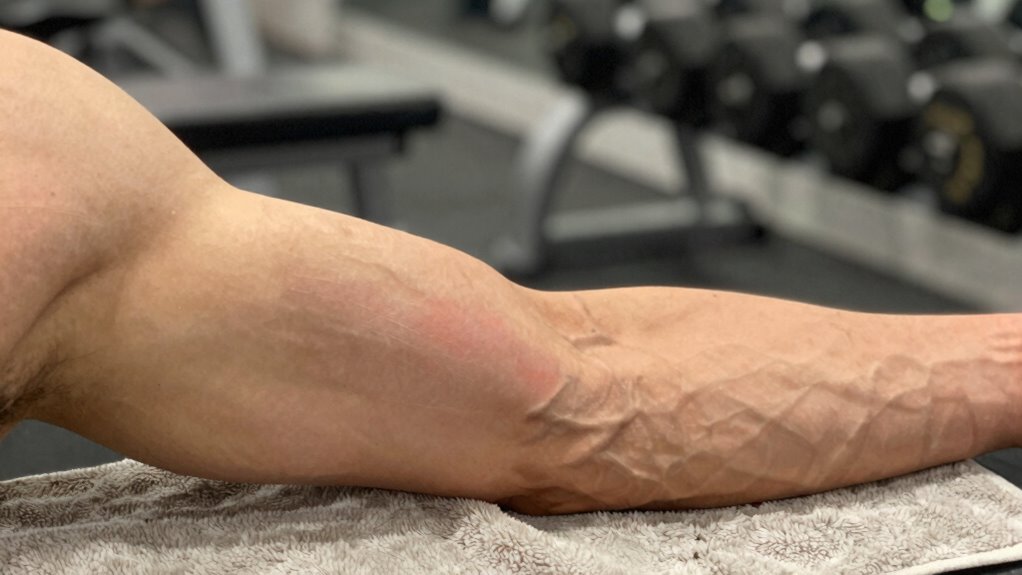
While incorporating active recovery and proper stretching can help reduce muscle soreness, persistent or severe pain may indicate a more serious issue. If you experience frequent muscle cramps that don’t improve or if joint stiffness persists beyond a few days, it’s time to see a doctor. Severe or worsening pain, swelling, or weakness could signal injury, infection, or another underlying condition needing professional evaluation. Don’t ignore symptoms like numbness or difficulty moving, as these could point to nerve problems or joint issues. If your discomfort interferes with daily activities or if over-the-counter remedies don’t provide relief, consult a healthcare provider promptly. Addressing persistent muscle pain early can prevent complications and ensure appropriate treatment.
Easy Ways to Minimize Future Muscle Soreness and Speed Recovery

By taking proactive steps, you can reduce the likelihood of muscle soreness and recover more quickly after workouts. Prioritize recovery nutrition by consuming protein and carbs soon after exercise to replenish energy stores and repair tissues. Incorporate foam rolling into your routine to improve blood flow, release muscle tension, and prevent tightness. Staying hydrated helps flush out toxins and reduces soreness. Additionally, listen to your body—gradually increase workout intensity to avoid overexertion. Rest days are vital for recovery, giving muscles time to repair. Remember, consistent self-care strategies can make a big difference in minimizing soreness and speeding up your return to peak performance.
- Use foam rolling regularly
- Focus on recovery nutrition
- Stay well-hydrated
- Gradually increase workout intensity
Frequently Asked Questions
Can Muscle Soreness Indicate a Workout’s Effectiveness?
Muscle soreness, especially delayed onset muscle soreness (DOMS), doesn’t necessarily mean your workout was effective. Many DOMS myths suggest soreness equals progress, but it’s not always true. You might feel sore without gaining strength or endurance. Instead of relying on soreness, focus on consistent effort, proper form, and gradual intensity increases. Soreness can be a sign of muscle fatigue, but it doesn’t directly measure your workout’s success.
Does Soreness Always Mean Muscle Growth or Progress?
Soreness doesn’t always mean muscle growth or progress; sometimes, it’s just delayed onset muscle soreness from your muscles adapting. You might feel sore without improvements, or you could see gains without much pain. While delayed onset soreness signals your muscles are responding to new stress, it’s not a foolproof indicator of progress. Focus on consistent effort and proper recovery, not just soreness, to truly build strength and muscle.
Are There Specific Exercises That Cause Less Soreness?
Yes, certain exercises cause less soreness. You can try exercise variation to reduce intensity, such as switching between different types of workouts. Incorporating stretching techniques before and after your workout helps ease muscle tension and minimize soreness. Focus on low-impact activities like swimming or cycling, which put less strain on your muscles. Listening to your body and gradually increasing workout intensity also helps prevent excessive soreness.
How Long Should Muscle Soreness Typically Last?
Ever wonder how long muscle soreness sticks around? Typically, muscle fatigue and delayed recovery cause soreness to last anywhere from 24 to 72 hours. But sometimes, it lingers longer, signaling overexertion or injury. Pay attention to your body; if soreness persists beyond a few days, give yourself time to recover. Proper rest and gentle activity can speed up healing and prevent delayed recovery from becoming a bigger problem.
Can Supplements Speed up Muscle Recovery and Reduce Soreness?
Supplements can help speed up muscle recovery and reduce soreness if taken at the right supplement timing, especially when combined with proper recovery nutrition. Protein, BCAAs, and omega-3s are popular choices that support muscle repair. To maximize benefits, consume these supplements shortly after your workout and maintain balanced recovery nutrition, including carbs and hydration. This approach helps your body recover faster and minimizes soreness.
Conclusion
Understanding why you feel sore two days later is like uncovering a secret code of your body’s resilience. With this knowledge, you can nurture your muscles like a delicate garden, tending to their needs and preventing future storms. Embrace smart recovery strategies, fuel your body right, and listen to its signals. Soon, you’ll dance through workouts with the ease of a breeze, turning soreness into a story of strength and renewal.
Fall Picks
fall essentials
As an affiliate, we earn on qualifying purchases.