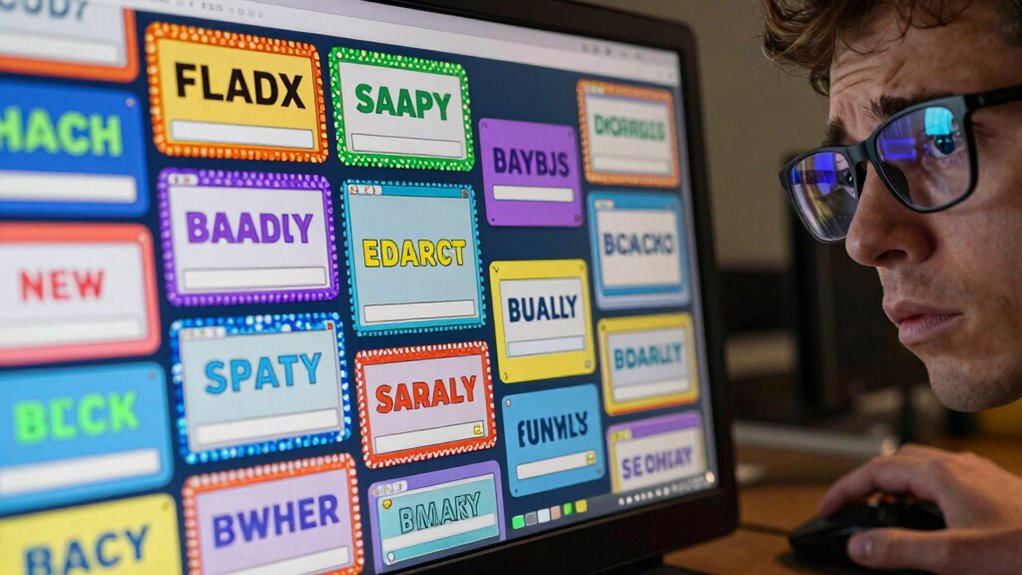

Browser pop-ups still trick many people because they mimic legitimate alerts from trusted sources, using familiar logos and official language to look convincing. They tap into your fears and sense of urgency, making you more likely to click without thinking. These deceptive tactics exploit your trust and quick reactions, increasing their success. If you want to understand how they manipulate you and how to stay safe, there’s more to uncover on this tricky topic.

Prime made for students and young adults
- Fast, free delivery for dorm and study essentials
- Prime Video and Amazon Music included
- Member-only deals
Key Takeaways
- Fake pop-ups mimic legitimate alerts, making them appear trustworthy and convincing users to click.
- They exploit human fears and urgency, prompting quick actions without careful scrutiny.
- Use familiar branding and official logos to deceive users into believing warnings are genuine.
- Unexpected appearances during browsing increase surprise and reduce user skepticism.
- Lack of awareness about these tactics makes many users vulnerable to deception.
Have you ever wondered how to make pop-ups work in your favor rather than annoy your visitors? The truth is, many people still fall for the tricks these pop-ups pull, and it’s not just because they’re persistent. A lot of it comes down to how convincing some of these alerts can be, especially when they mimic real notifications from trusted sources. For instance, fake alerts often appear as urgent messages from your browser or operating system, warning you about supposed security issues or needing immediate action. These can easily trick someone into clicking on malicious links or providing sensitive information, making it a common tactic in email phishing schemes. When users see messages that seem official and pressing, they often forget to question their authenticity.
Pop-ups have evolved from simple advertisements to sophisticated tools that mimic legitimate warnings. Cybercriminals understand that urgent language, official logos, and familiar formats can lower your defenses. They bank on your instinct to act quickly when faced with a fake alert, leading to click-throughs that compromise your security. This is why many people continue to fall victim to these scams—they look real enough to deceive even cautious individuals. The tricky part is that these fake alerts often appear unexpectedly while browsing, making it hard to distinguish between genuine notifications and malicious ones. Your instinct might be to dismiss harmless-looking pop-ups, but scammers exploit that, creating false sense of urgency.
Understanding why these pop-ups still trick so many people comes down to psychology and technology working together. Cybercriminals craft their messages to tap into your fears about security and your desire to keep your device safe. They often include familiar branding and official-sounding language, which increases their credibility. Add in the fact that some pop-ups look exactly like legitimate system alerts, and it’s no wonder users get duped. With email phishing, scammers send links that direct you to fake login pages designed to steal your information, and pop-ups serve as an extension of that deception. They create a seamless experience that makes you believe your system is in danger, prompting hasty actions that compromise your security. Recognizing the importance of biodiversity and how it relates to sustainable living can also help foster a mindset of cautious awareness and critical thinking in other areas, including online safety.
Moreover, the proliferation of cybersecurity threats has made it increasingly vital to stay vigilant against such tactics, as hackers continue to develop more convincing fake alerts. The use of deceptive tactics in these pop-ups underscores the need for ongoing education and awareness. Ultimately, the reason these tricks still work is that they prey on human tendencies—trust, fear, and urgency—making it all too easy to fall for them. Recognizing fake alerts and being cautious about clicking on pop-ups can save you from a lot of trouble. Awareness is your best defense against these persistent tactics, especially when they mimic legitimate security messages or prompt you to take immediate action. Instead of reacting impulsively, take a moment to verify the source and think critically before clicking. Sometimes, understanding the role of cybersecurity in protecting your online presence can help you develop more effective strategies to identify and avoid scams. That way, you can turn what seems like a threat into an opportunity to protect yourself from email phishing and other scams.
pop-up blocker software for browsers
As an affiliate, we earn on qualifying purchases.
As an affiliate, we earn on qualifying purchases.
Frequently Asked Questions
How Do Pop-Ups Differ Across Various Web Browsers?
Pop-ups differ across web browsers mainly because of variations in pop-up design and browser compatibility. Some browsers, like Chrome and Firefox, block many intrusive pop-ups by default, while others, like Safari, have stricter settings. You’ll notice differences in how they display, animate, or prompt for permissions. These variations aim to improve user experience, but savvy tricksters adapt their pop-up tactics to bypass these browser-specific filters and protections.
Are There Specific Devices More Vulnerable to Pop-Up Tricks?
Imagine devices as mischievous little gremlins, easily duped by sneaky pop-up tricks. You’re more vulnerable on mobile devices because of their smaller screens and often weaker security measures. Device vulnerabilities in smartphones and tablets make it easier for pop-up scams to slip past your defenses. Prioritize mobile security, keep your software updated, and stay alert—otherwise, those clever pop-ups will keep fooling you like a digital game of hide-and-seek.
What Are the Legal Risks of Using Pop-Up Tricks?
Using pop-up tricks can lead to serious legal implications, especially if you invade someone’s privacy or deceive users. You risk facing lawsuits, fines, and damage to your reputation. Privacy concerns are also significant, as pop-ups might collect personal data without consent, violating laws like GDPR or CCPA. Always prioritize transparency and consent to avoid legal trouble and protect user trust.
Can Pop-Up Tricks Be Used for Legitimate Marketing?
Yes, pop-up tricks can be used for legitimate marketing if you prioritize ethical marketing practices. When you focus on creating value and transparency, users are more likely to trust your brand. Avoid misleading or overly aggressive tactics, and guarantee your pop-ups offer genuine benefits, like discounts or helpful information. This approach builds user trust, enhances your reputation, and can effectively engage your audience without crossing ethical boundaries.
How Can I Report Malicious Pop-Ups Effectively?
To report malicious pop-ups effectively, you should first take screenshots and note details like the website URL and the pop-up content. Use your browser’s pop-up prevention tools to block future issues, and increase your user awareness about common scams. Report the malicious activity to your browser’s support team or relevant authorities, helping prevent others from falling victim. Staying vigilant and informed is key to combating these deceptive tactics.
As an affiliate, we earn on qualifying purchases.
Conclusion
So, next time you see a pop-up, think of it as a wolf in sheep’s clothing—appearing harmless but hiding a trap. Your vigilance is the shield that keeps you safe from falling for their tricks. Remember, even the cleverest can be fooled if they’re not paying attention. Stay alert, question every prompt, and don’t let these sneaky tricks turn your browsing into a trap. Your awareness is the key to staying safe online.
security alert blocker for Chrome
As an affiliate, we earn on qualifying purchases.
As an affiliate, we earn on qualifying purchases.
As an affiliate, we earn on qualifying purchases.
Halloween Picks
halloween
As an affiliate, we earn on qualifying purchases.