
Fake login pages still fool people because they look almost identical to real sites, exploiting your trust. Cybercriminals carefully mimic official logos, colors, and layouts to convince you they’re legitimate. They craft convincing replicas that can easily deceive, especially when you’re in a hurry or not paying close attention. Recognizing subtle signs can be tricky, but if you keep learning about cybersecurity, you’ll better spot these scams and stay protected.

Get school and study supplies delivered free — and shop member deals
- Fast, free delivery on millions of items
- Access to Prime Big Deal Days deals on October 6–7
- Prime Video, Amazon Music and more included
Key Takeaways
- Fake login pages closely mimic legitimate sites, exploiting trust and visual familiarity to deceive users.
- Cybercriminals use urgent messages to cloud judgment and prompt quick, unthinking credential entry.
- Users often overlook URL details or security indicators, making it easy to fall for convincing fake sites.
- Lack of awareness about phishing techniques increases susceptibility to fake login page attacks.
- Persistent cybercriminal strategies adapt to cybersecurity advances, maintaining their effectiveness in fooling users.
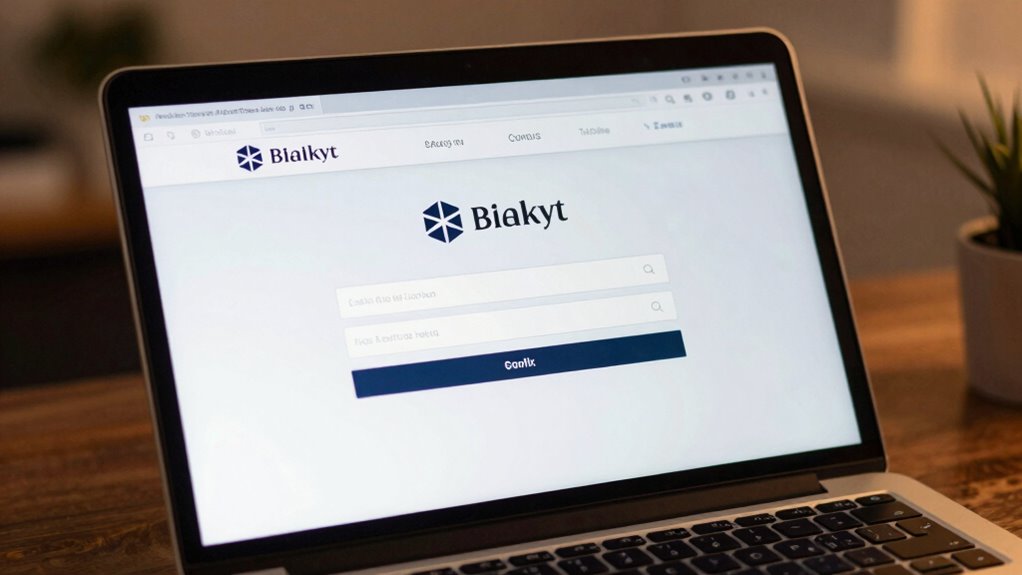
Despite advances in cybersecurity, fake login pages continue to deceive many users. They remain a popular tool for cybercriminals because they exploit basic human instincts—trust and urgency. These fake pages are often designed to look identical to legitimate login portals, making it easy for you to mistake them as real. Cybercriminals use sophisticated phishing techniques to craft convincing replicas, often replicating official logos, colors, and layouts to lure unsuspecting users. When you encounter a login page that seems suspicious or unfamiliar, it’s easy to overlook the signs of a scam if you aren’t practicing strong cybersecurity awareness. Recognizing common phishing tactics can help you identify these fraudulent sites more effectively. Phishing techniques have evolved over the years, becoming more convincing and harder to spot. Cybercriminals send emails, texts, or direct you to fake websites that mimic trusted organizations like your bank, email providers, or social media platforms. These fake login pages often come with urgent messages, prompting you to update your credentials or verify your account immediately. This sense of urgency clouds your judgment, making it more likely you’ll enter your password without questioning the authenticity of the page. Once you input your login details, the cybercriminals capture your information and use it for malicious purposes, such as identity theft or unauthorized access to your accounts. Being aware of cybersecurity best practices can significantly reduce your risk of falling victim to these scams. Developing an awareness of common attack methods can further enhance your ability to recognize threats before they succeed. Your cybersecurity awareness plays a crucial role in preventing these scams from succeeding. Recognizing the telltale signs of a fake login page can save you from potential harm. Always double-check the URL—look for subtle misspellings or unusual domain names. Pay attention to the website’s security certificate; a secure site will have “https://” and a padlock icon in the address bar. If anything looks off, it’s best to avoid entering your credentials. Additionally, be cautious about clicking links in emails or messages. Instead, type the website’s address directly into your browser or use a bookmarked link you trust. Many phishing sites are hosted on domains that closely resemble legitimate ones but contain slight variations. Staying educated about cyber threats can further enhance your ability to spot and avoid these scams before falling victim. Developing good online security habits is essential in today’s digital landscape and can help you stay protected from these increasingly sophisticated scams.
phishing awareness training books
As an affiliate, we earn on qualifying purchases.
As an affiliate, we earn on qualifying purchases.
Frequently Asked Questions
How Do Fake Login Pages Evolve to Bypass Security Measures?
Fake login pages evolve by mimicking legitimate sites more accurately, using advanced phishing techniques like SSL certificates and domain spoofing to gain trust. They also adapt through malware distribution, which can modify or create new fake pages automatically. These updates bypass security measures by exploiting vulnerabilities, making it harder for users and security systems to distinguish real from fake, ultimately increasing their success rate in stealing credentials.
What Psychological Tricks Do Fake Login Pages Use to Deceive Users?
Like a master magician pulling a rabbit from a hat, fake login pages exploit user psychology with deception tactics. They create urgency, mimic familiar branding, and use convincing design to trick you into entering credentials. These tactics prey on your trust and fear of missing out, making you overlook signs of fraud. Recognizing these psychological tricks helps you stay alert and avoid falling for these clever, yet harmful, deceptions.
Are There Specific Industries More Targeted by Fake Login Pages?
You’ll notice that certain industries, like finance, healthcare, and tech, are more targeted by fake login pages due to their sensitive data and high-value information. Cybercriminals use specific industry targeting and phishing patterns to craft convincing fake pages. They often mimic legitimate sites, exploiting industry-specific login behaviors, making it essential for you to stay vigilant and verify URLs before entering your credentials.
How Can Organizations Train Employees to Recognize Fake Login Pages?
You can improve employee awareness by providing regular training on recognizing fake login pages. Use phishing simulations to expose staff to real-world scenarios, helping them spot suspicious URLs, strange email requests, or unusual login prompts. Encourage skepticism and remind employees to verify website authenticity before entering credentials. Consistent education and simulated attacks build confidence, making it harder for fake login pages to succeed and reducing overall security risks.
What Are the Latest Technological Tools to Detect Fake Login Pages?
A stitch in time saves nine, and the latest tools help you catch fake login pages early. You can leverage AI-powered detection systems that analyze phishing techniques and identify suspicious URLs or page behaviors. Browser security extensions also warn you about potential threats. Combining these technological tools with user awareness training strengthens your defenses, making it harder for scammers to fool you with fake login pages.
As an affiliate, we earn on qualifying purchases.
Conclusion
So, next time you’re about to enter your details, remember: if it looks too good to be true, it probably is. Fake login pages are like wolves in sheep’s clothing—disguised to trick you. Stay alert, double-check URLs, and trust your instincts. Think of your security as a fragile glass; once shattered, it’s hard to piece back together. Don’t let cybercriminals steal your peace—stay vigilant and protect what’s yours.
As an affiliate, we earn on qualifying purchases.
As an affiliate, we earn on qualifying purchases.
Fall Picks
fall essentials
As an affiliate, we earn on qualifying purchases.