
Many household items and everyday products can secretly pollute your indoor air without you realizing. Items like air fresheners, scented candles, and cleaning products release chemicals over time. Your appliances, furniture, and building materials might emit VOCs or mold spores, while electronics and pest control methods also contribute unseen pollutants. Staying aware of these hidden sources and making simple changes can markedly improve your indoor air quality—discover more about how to protect your space below.
Key Takeaways
- Household air fresheners and scented candles emit VOCs that linger and impact indoor air quality unexpectedly.
- HVAC systems and filters can circulate dust, mold spores, and chemical residues, subtly contributing to pollution.
- Building materials like pressed wood, synthetic carpets, and paints release VOCs over time, often unnoticed.
- Personal care and cleaning products with fragrances and chemicals can emit harmful pollutants during regular use.
- Electronic devices and pest control sprays release hidden emissions, adding to indoor pollutants without obvious signs.

KNKA Air Purifier for Home Bedroom Large Room Up to 1,695 Ft² in 1 Hr, HEPA Air Cleaner with Washable Pre-Filter, AHAM VERIFIDE, AQI Display, ECO Mode, Pet Mode for Pets, Dust, Pollen, APH4000
𝐀𝐇𝐀𝐌 𝐕𝐞𝐫𝐢𝐟𝐢𝐞𝐝 & 𝐇𝐢𝐠𝐡 𝐂𝐀𝐃𝐑 𝐕𝐚𝐥𝐮𝐞: Certified by the Association of Home Appliance Manufacturers, this air purifier provides…
As an affiliate, we earn on qualifying purchases.
As an affiliate, we earn on qualifying purchases.
What Household Items Might Be Polluting Your Indoor Air
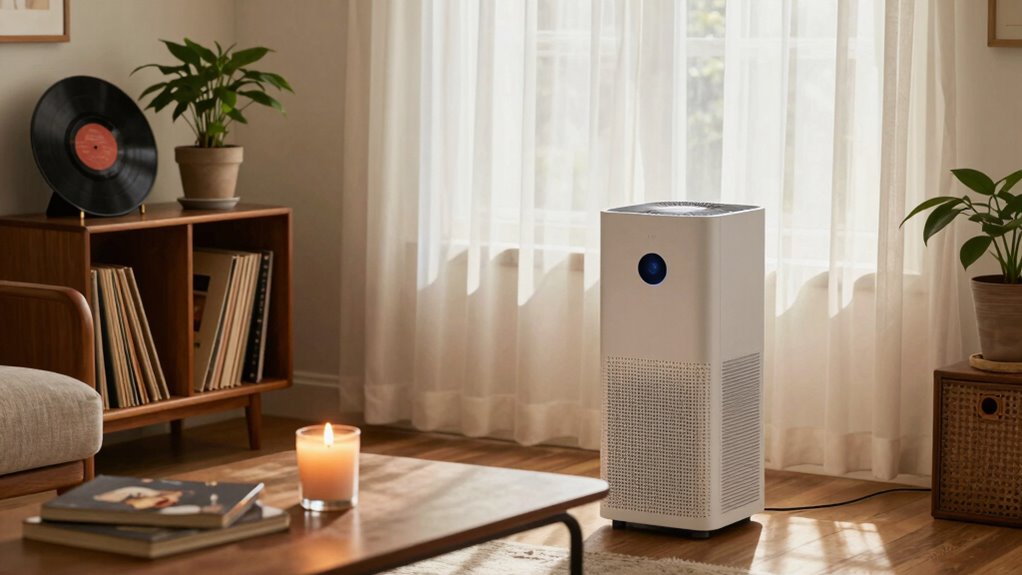
Many common household items can quietly pollute your indoor air without you realizing it. Air fresheners and scented candles are popular choices for creating a pleasant environment, but they often release volatile organic compounds (VOCs) that can harm your health. These products emit chemicals that linger in the air long after you’ve enjoyed their scent, contributing to indoor pollution. Incorporating air quality awareness into your daily routine can help you identify safer alternatives and reduce indoor pollutants. Even if they smell nice, they can cause respiratory issues, headaches, or allergies over time. It’s easy to overlook these items, assuming they’re harmless because they’re common and used regularly. To improve your indoor air quality, consider reducing your use of air fresheners and scented candles or opting for natural alternatives like essential oils or homemade sprays. Being mindful of indoor pollution sources can empower you to create a healthier living environment. Small changes can *considerably* impact your health and well-being. For instance, choosing natural air freshening methods can significantly decrease chemical exposure indoors. Additionally, understanding how VOC emissions from these household items contribute to indoor pollution can help you make better choices for your health.

MRS. MEYER'S CLEAN DAY Room Spray, Lemon Verbena Scent, 8 Fl Oz Bottle
INSTANT FRESHENING: Give your home a quick spritz-me-up with our non-aerosol Room Freshener. Adds instant freshening and a…
As an affiliate, we earn on qualifying purchases.
As an affiliate, we earn on qualifying purchases.
How Your Appliances and Electronics Could Be Contributing to Indoor Pollution
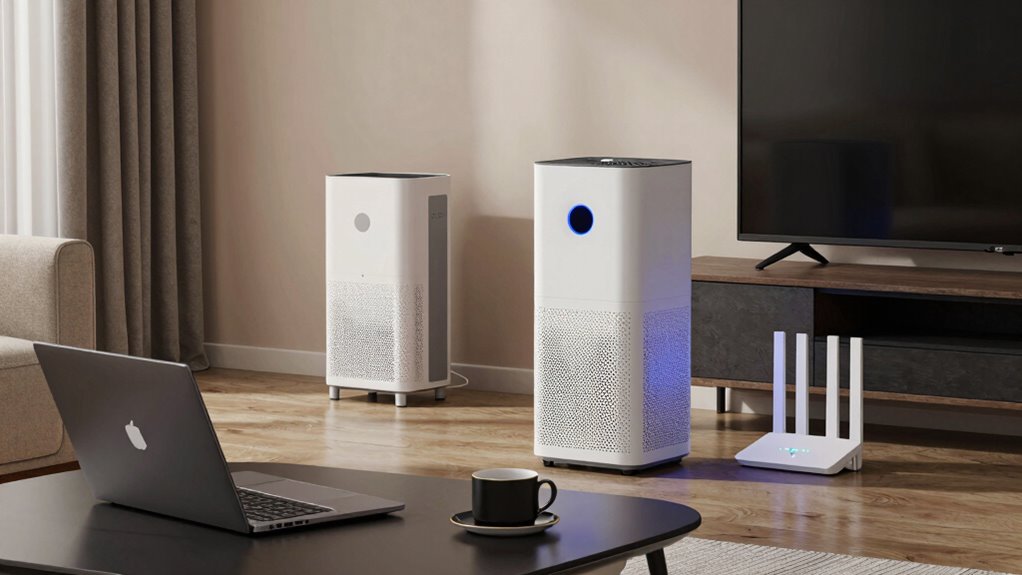
While appliances and electronics make our lives more convenient, they can also be sources of indoor pollution. HVAC system emissions, such as dust, mold spores, and chemical residues from filters or ducts, can circulate through your home, affecting air quality. Additionally, some electronic devices, like printers and older appliances, may emit volatile organic compounds (VOCs) and other pollutants when in use. Moreover, drone-related electronic emissions are an emerging concern as they become more prevalent in indoor environments. Indoor pest control methods, including chemical sprays and traps, can release hazardous chemicals into the air. These emissions can accumulate over time, especially if your home isn’t well-ventilated. Regular maintenance of your HVAC system, choosing low-emission electronics, and opting for natural pest control methods can help reduce these hidden sources of indoor pollution, creating a healthier environment for you and your family. Proper ventilation techniques can significantly reduce the buildup of these pollutants and improve indoor air quality. Being aware of indoor pollution sources and implementing simple measures, such as upgrading to low-emission electronics, can make a noticeable difference in your home’s air cleanliness. Incorporating air purification devices can further help to filter out residual pollutants and enhance overall air quality.

Weiworld Inline Filter Box 8", 3-Layer Air Filtration Box with High Efficacy HEPA and Carbon Filter, Box Fan Filter for 8 Inch Inline Duct Fan for Whole House and HVAC Ventilation Systems
Efficient Air Purification: Weiworld filter box is designed to work with a 8" inline fan. Airflow generated by…
As an affiliate, we earn on qualifying purchases.
As an affiliate, we earn on qualifying purchases.
Building Materials and Furniture That May Harm Indoor Air Quality

Have you ever wondered how the materials used to build and furnish your home might be impacting your indoor air quality? Many building materials and furniture emit indoor air pollutants that can affect your health. These emissions, known as building material emissions, release volatile organic compounds (VOCs) and other pollutants into the air you breathe. Innovative European cloud servers are also designed with sustainability in mind, emphasizing low emissions and energy efficiency to reduce environmental impact. Over time, these pollutants can accumulate, worsening indoor air quality. To reduce exposure, consider choosing low-emission products. Be aware of common sources like:
Indoor building materials and furniture can emit pollutants that impact your health.
- Pressed wood products (particleboard, plywood)
- Carpets and rugs with synthetic fibers
- Upholstered furniture treated with flame retardants
- Paints and finishes containing VOCs
Being mindful of these materials helps minimize indoor air pollutants stemming from building materials and furniture. Proper ventilation also plays a key role in improving air quality.

Development of a Robust, High Current, Low Power Field Emission Electron Gun for a Spaceflight Reflectron Time-of-Flight Mass Spectrometer
As an affiliate, we earn on qualifying purchases.
As an affiliate, we earn on qualifying purchases.
Common Personal Care and Cleaning Products That Release Pollutants Indoors
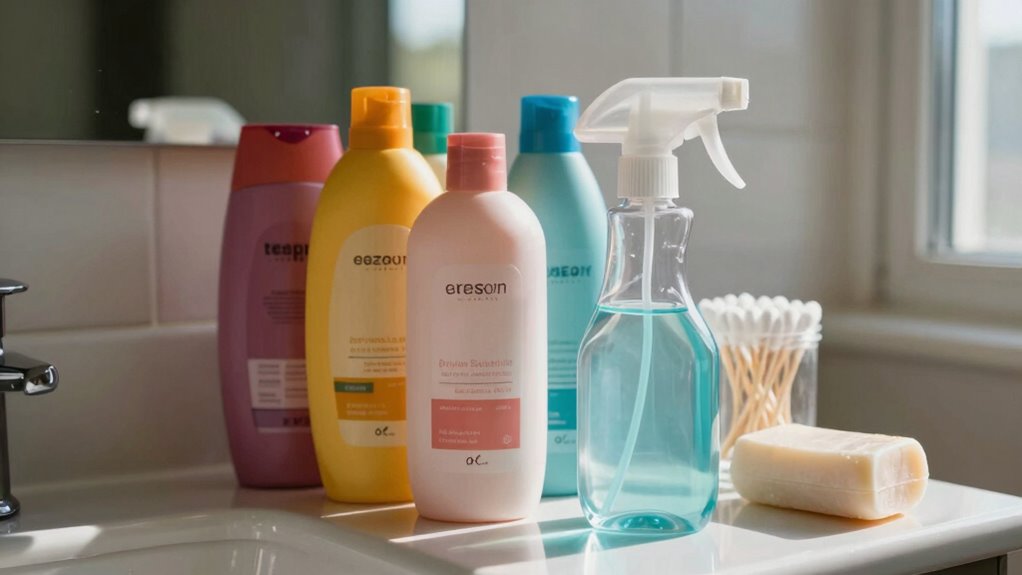
Personal care and cleaning products can be significant sources of indoor air pollutants that often go unnoticed. Many conventional products release volatile organic compounds (VOCs) and other harmful chemicals, increasing indoor pollution levels.
Natural remedies, like essential oils, might seem safer but can still emit VOCs that affect indoor air quality. Similarly, air freshener risks are often underestimated; many contain synthetic fragrances linked to respiratory issues and headaches.
Regular use of air fresheners and certain cleaning agents can contribute to poor indoor air quality over time. To reduce exposure, consider switching to products labeled as low-VOC or free from synthetic fragrances.
Being aware of the risks associated with common personal care and cleaning items helps you make smarter choices that promote healthier indoor environments. Additionally, using air purifiers with proper maintenance can help mitigate some indoor pollutants and improve air quality.
How to Detect and Reduce Hidden Indoor Pollutant Sources

Detecting hidden indoor pollutant sources requires a proactive approach, as many contaminants are invisible and odorless. To identify these sources, start with air quality testing to pinpoint pollutants like VOCs or particulate matter. Regularly inspect hidden areas, such as behind appliances or inside vents, for mold or dust buildup. Implement ventilation strategies like exhaust fans, air purifiers, and increased airflow to reduce concentrations of indoor pollutants. Consider upgrading your HVAC system with high-efficiency filters to trap airborne toxins. Keep an eye on potential sources like new furniture, carpets, or cleaning supplies, which can emit harmful emissions over time. Staying informed about indoor air quality factors can help you better recognize early signs of pollution. Understanding air filtration systems and their role in removing pollutants is essential for maintaining a healthy home environment. Utilizing air quality monitors can provide real-time data to better assess your indoor environment. Regular maintenance of ventilation systems and air exchange rates can significantly impact indoor air quality. Additionally, being aware of natural ventilation techniques can help you optimize airflow and reduce pollutant buildup. Consistent testing and strategic ventilation will help you minimize health risks and improve your home’s indoor air quality.
Frequently Asked Questions
Can Indoor Plants Contribute to Indoor Air Pollution?
Indoor plants can contribute to indoor air pollution through plant toxins and soil emissions. Some plants release volatile organic compounds (VOCs) that may cause irritation or health issues, especially in poorly ventilated spaces.
Additionally, soil emissions can release mold spores or other allergens. While plants improve air quality overall, it’s vital to select species wisely and guarantee proper maintenance to minimize any potential negative effects.
Do Pet Dander and Fur Significantly Impact Indoor Air Quality?
Pet dander and fur particles can considerably impact your indoor air quality. Pet allergens, like tiny dander and fur, easily become airborne, triggering allergies or asthma symptoms.
Regular vacuuming, using HEPA filters, and grooming your pets help reduce these particles. Keep in mind, even if your pet is hypoallergenic, some allergens still linger, so maintaining good ventilation is essential for healthier indoor air.
Are There Hidden Sources of VOCS in Seemingly Clean Spaces?
Yes, hidden chemicals and invisible emissions can lurk in seemingly clean spaces. You mightn’t suspect that everyday items like scented candles, air fresheners, or cleaning products release VOCs you can’t see or smell.
Even new furniture or electronics can emit these invisible pollutants over time. Staying aware of these hidden sources helps you better manage indoor air quality and reduce your exposure to harmful VOCs.
How Do Outdoor Pollution Levels Affect Indoor Air Quality?
Outdoor pollutants profoundly impact your indoor air quality. When outdoor pollution levels spike, these airborne adversaries infiltrate your ventilation systems, turning your sanctuary into a sickening space.
Proper ventilation can help, but it’s essential to filter and freshen the air regularly. Stay vigilant by monitoring outdoor air quality reports, ensuring your ventilation systems are effective, and reducing outdoor entry points.
This proactive approach helps keep indoor air cleaner and healthier for you.
Can Indoor Air Purifiers Eliminate All Indoor Pollutants Effectively?
Indoor air purifiers can’t eliminate all pollutants effectively because of their limitations, especially with residual pollutants that linger in hidden areas or are too small for filters.
While they improve air quality, you shouldn’t rely solely on them. Regular cleaning, proper ventilation, and reducing sources of indoor pollution are essential to create healthier indoor environments.
Understanding these limitations helps you take thorough steps for better air quality.
Conclusion
Now that you know these hidden indoor pollution sources, you can take control of your air quality like a true detective. By being mindful of everyday items and habits, you’ll banish pollutants more effectively than a superhero saving your home. Don’t let sneaky chemicals turn your sanctuary into a toxic trap—arm yourself with knowledge and make your indoor air safer than you ever thought possible. Your lungs will thank you for it!