
Energy Star certification helps you find appliances that save energy, cut costs, and reduce environmental impact. It’s most valuable when replacing old, high-energy-consuming appliances or for long-term, frequent use where savings add up. However, for small gadgets or short-term needs, energy efficiency may matter less compared to other factors like cost or features. To understand how to make the best choices, keep exploring what Energy Star can do for you.

Get school and study supplies delivered free — and shop member deals
- Fast, free delivery on millions of items
- Access to Prime Big Deal Days deals on October 6–7
- Prime Video, Amazon Music and more included
Key Takeaways
- Energy Star certification signifies products meet strict EPA energy efficiency standards through independent testing.
- It’s most beneficial for large appliances and electronics used frequently or over long periods.
- Choosing Energy Star products reduces utility bills and environmental impact with proven performance.
- Less critical for small gadgets, short-term use items, or when energy savings are minimal.
- Assess cost versus benefits to decide if Energy Star certification adds value for your specific purchase.
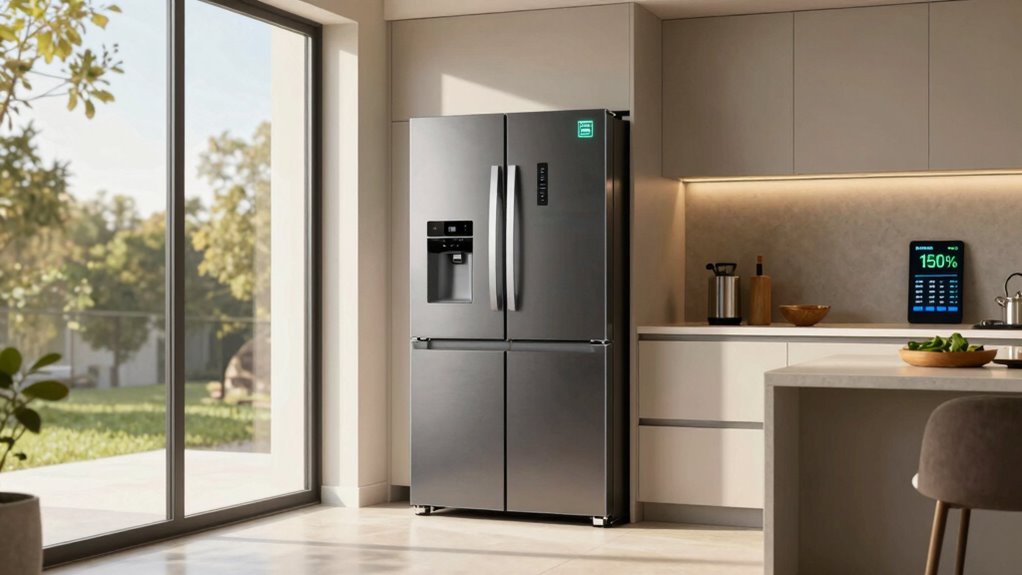
Have you ever wondered what makes certain appliances more energy-efficient than others? The answer often lies in the concept of energy efficiency and the certification process that verifies it. When you’re shopping for appliances or electronics, you might notice the Energy Star label. This label isn’t just a marketing gimmick; it signifies that the product has undergone a rigorous certification process designed to confirm its energy-saving capabilities. Basically, the certification process evaluates how well an appliance performs relative to its energy consumption, ensuring it meets strict standards set by the Environmental Protection Agency (EPA). Products that earn the Energy Star label use less energy, which not only helps reduce your utility bills but also minimizes environmental impact.
Energy Star certification ensures appliances meet strict standards, saving energy, reducing bills, and protecting the environment.
Understanding the certification process can give you confidence in your purchasing decisions. Manufacturers submit their products for testing, where independent labs assess whether they meet specific energy efficiency criteria. These criteria differ depending on the product category—whether it’s a refrigerator, air conditioner, or computer. If a product passes, it’s granted the Energy Star certification, signaling that it exceeds conventional models in energy efficiency. This process isn’t just about saving energy; it also ensures that the appliance performs reliably and maintains quality standards. When you see the Energy Star label, you can trust that the product has gone through these detailed assessments and meets the rigorous standards set by the EPA. Additionally, selecting energy-efficient equipment like airless paint sprayers with proper maintenance can further enhance overall efficiency.
However, it’s important to recognize when energy efficiency matters most. If you’re replacing an old, outdated appliance that consumes excessive energy, choosing an Energy Star-certified model can lead to significant savings over time. In scenarios where energy costs are high or environmental impact is a priority, opting for Energy Star products makes a real difference. Conversely, if you’re buying a small gadget that uses minimal power or only plan to use an appliance temporarily, the energy efficiency factor might be less critical. In those cases, the added cost of an Energy Star product may not justify the benefits, especially if the energy savings are negligible.
Ultimately, the value of the Energy Star label hinges on your specific needs and circumstances. For large appliances and electronics that run frequently, it’s a smart investment. The certification process guarantees that these products perform efficiently, which can translate into long-term savings and sustainability benefits. But for minor or short-term use, you might prioritize other factors like cost or features. Knowing when and why energy efficiency matters helps you make smarter choices—choices that can save you money and help protect the environment in the long run.
As an affiliate, we earn on qualifying purchases.
Frequently Asked Questions
How Are Energy Star Ratings Calculated and Verified?
You can see how energy star ratings are calculated and verified through a rigorous process. Manufacturers submit product data, which is tested and reviewed by the EPA to guarantee rating accuracy. The EPA also conducts random testing and audits to confirm certifications. This process guarantees that energy star certification truly reflects a product’s energy efficiency, helping you make informed choices and trust the rating system.
Can Energy Star Appliances Be Recycled or Disposed of Safely?
Did you know that over 90% of appliances can be recycled? You can recycle or dispose of Energy Star appliances safely by participating in dedicated appliance recycling programs or eco-friendly disposal options. These methods help reduce e-waste and conserve resources. Always check local regulations and manufacturer guidelines to confirm proper appliance recycling, so you can be environmentally responsible while giving your appliances a second life.
Do Energy Star Standards Vary by Country or Region?
Yes, Energy Star standards vary by country or region due to regional variations in climate, energy sources, and regulations. While the program maintains international standards, each country adapts criteria to suit local needs. You should check your specific region’s Energy Star guidelines, as appliances certified elsewhere might not meet local requirements. This guarantees you get energy-efficient products tailored to your area’s climate and energy infrastructure.
Are There Any Drawbacks to Choosing Energy Star Products?
Choosing Energy Star products is like sailing into calm waters, but beware of hidden reefs. You might face product limitations that restrict features or performance, and the initial cost considerations can be higher than non-certified options. While these products save energy, they may not always meet your specific needs or preferences, so weigh the benefits against potential drawbacks. Ultimately, careful evaluation helps you navigate these trade-offs effectively.
How Often Are Energy Star Standards Updated or Revised?
Energy Star standards are updated or revised roughly every few years to keep pace with technological advances and improve product efficiency. When a product earns Energy Star certification, it meets current standards, but as these standards evolve, older products might no longer qualify. You should check for the latest updates to guarantee the products you choose align with current energy efficiency goals, maximizing benefits across their product lifecycle.
As an affiliate, we earn on qualifying purchases.
Conclusion
In the end, knowing when Energy Star matters helps you make smarter choices—saving money and the planet. Just like the trusty compass guiding sailors through foggy waters, Energy Star points you in the right direction for efficiency. But remember, it’s not a magic wand; some appliances don’t need it. So, stay sharp, weigh your options, and don’t be fooled by shiny labels. After all, even a modern-day knight needs to pick his battles wisely.
As an affiliate, we earn on qualifying purchases.
As an affiliate, we earn on qualifying purchases.
Halloween Picks
halloween
As an affiliate, we earn on qualifying purchases.