

When searching for educational science reference books, it’s important to find options that balance engaging visuals, accurate information, and age-appropriate content. The Knowledge Encyclopedia: Human Body stands out as the best overall pick for its comprehensive coverage and appealing layout. For younger readers, National Geographic Kids Science Encyclopedia offers a captivating, kid-friendly approach. Meanwhile, the The Way Things Work: Newly Revised Edition appeals to those seeking clear explanations of complex concepts. These choices highlight common tradeoffs: detail versus accessibility and breadth versus depth. Keep reading for a full breakdown of each book’s strengths and who they’re best suited for.

Prime made for students and young adults
- Fast, free delivery for dorm and study essentials
- Prime Video and Amazon Music included
- Member-only deals
Key Takeaways
- The most comprehensive books tend to be dense but rewarding for serious learners, while simpler options excel in engaging younger audiences.
- Visual-heavy encyclopedias often outperform text-heavy ones in maintaining curiosity, especially for kids.
- Price correlates with scope and detail, but the most expensive isn’t always the best for every learner’s needs.
- Books focused on natural sciences like biology and geology tend to be more popular than abstract or interdisciplinary titles.
- A clear age recommendation helps avoid buying a book that’s too advanced or too simplistic for the intended reader.
| Knowledge Encyclopedia Human Body! Human Anatomy as You’ve Never Seen It Before |  | Best Overall for Visual Learning and Comprehensive Coverage | Focus Area: Human Anatomy | Visuals: High-quality illustrations | Target Age: All ages | VIEW LATEST PRICE | See Our Full Breakdown |
| National Geographic Kids Science Encyclopedia: Atom Smashing, Food Chemistry, Animals, Space, and More! |  | Best for Kids Who Want a Wide-ranging, Fun Introduction to Science | Focus Areas: Atoms, Chemistry, Animals, Space | Illustrations: Colorful and engaging | Intended Audience: Children | VIEW LATEST PRICE | See Our Full Breakdown |
| Knowledge Encyclopedia – Science for Children |  | Best for Young Beginners Exploring a Broad Range of Science Topics | Focus: General Science | Illustrations: Engaging | Target Age: Children | VIEW LATEST PRICE | See Our Full Breakdown |
| Knowledge Encyclopedia Space! The Universe as You’ve Never Seen it Before |  | Best for Space Enthusiasts and Visual Space Exploration | Focus: Space and Universe | Illustrations: Highly detailed and engaging | Audience: All ages | VIEW LATEST PRICE | See Our Full Breakdown |
| Knowledge Encyclopedia: Inventions and Discoveries for Children |  | Best for Kids Interested in History of Science and Inventions | Focus: Inventions & Discoveries | Illustrations: Engaging | Target Audience: Children | VIEW LATEST PRICE | See Our Full Breakdown |
| The Way Things Work: Newly Revised Edition |  | Best Overall for General Science Curiosity | Edition: Revised | Illustrations: Yes | Target Age: All ages | VIEW LATEST PRICE | See Our Full Breakdown |
| Knowledge Encyclopedia: Human Body (Knowledge Encyclopedia for Children) |  | Best for Young Learners Interested in Biology | Age Range: 7-12 | Illustrations: Colorful | Content Focus: Human body | VIEW LATEST PRICE | See Our Full Breakdown |
| The Animal Book: A Visual Animal Kingdom Encyclopedia for Kids |  | Best for Visual Learners Interested in Animals | Target Age: Kids | Content Scope: Animals and habitats | Visuals: Colorful | VIEW LATEST PRICE | See Our Full Breakdown |
| The Rock and Gem Book: And Other Treasures of the Natural World |  | Best for Young Geology Enthusiasts | Target Age: Kids | Content Focus: Rocks, gems, natural treasures | Visuals: Colorful images | VIEW LATEST PRICE | See Our Full Breakdown |
| Illustrated Elementary Science Dictionary: An Essential Reference for Kids (Ages 7-10) |  | Best for Building Confidence in Elementary Science | Target Age: 7-10 | Content Type: Definitions and explanations | Visuals: Engaging illustrations | VIEW LATEST PRICE | See Our Full Breakdown |
| Knowledge Encyclopedia Science! 2nd Edition |  | Best Overall – Comprehensive, Visually Engaging Science Reference | Coverage: Multiple science topics | Illustrations: Vivid, colorful images | Audience: All ages | VIEW LATEST PRICE | See Our Full Breakdown |
| Trees, Leaves, Flowers & Seeds: A Visual Plant Encyclopedia for Kids | 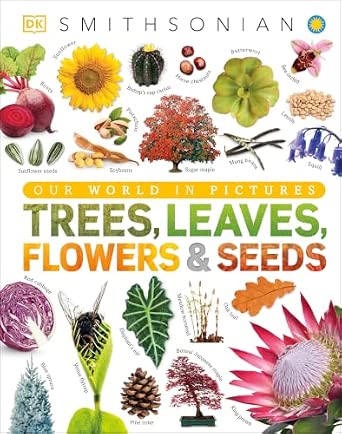 | Best for Young Nature Enthusiasts | Intended Audience: Children | Content Focus: Plants, trees, flowers, seeds | Illustrations: Bright, colorful images | VIEW LATEST PRICE | See Our Full Breakdown |
| Countries of the World: A Visual World Geography Encyclopedia for Kids |  | Best for Global Geography Beginners | Audience: Children | Content Focus: Countries, maps, cultures | Visuals: Colorful maps and images | VIEW LATEST PRICE | See Our Full Breakdown |
| The Elements Book: A Visual Periodic Table Encyclopedia for Kids |  | Best for Beginners and Young Chemists | Audience: Children, beginners | Content: Periodic table, elements | Illustrations: Colorful, educational | VIEW LATEST PRICE | See Our Full Breakdown |
| Science Book: Everything You Need to Know About the World and How It Works |  | Best for Broad Scientific Overviews | Coverage: Fundamental scientific principles | Audience: All ages | Content Style: Clear, engaging explanations | VIEW LATEST PRICE | See Our Full Breakdown |
| educational science reference book | Illustrations | Coverage |
|---|---|---|
| Knowledge Encyclopedia Human B | — | Comprehensive human body topics |
| National Geographic Kids Scien | Colorful and engaging | Multiple science topics |
| Knowledge Encyclopedia | Engaging | Multiple science topics |
| Knowledge Encyclopedia Space! | Highly detailed and engaging | Wide-ranging space topics |
| Knowledge Encyclopedia: Invent | Engaging | Historical inventions and discoveries |
| The Way Things Work: Newly Rev | Yes | — |
| Knowledge Encyclopedia: Human | Colorful | — |
| The Animal Book: A Visual Anim | — | Broad animal species |
| The Rock and Gem Book: And Oth | — | — |
| Illustrated Elementary Science | — | — |
| Knowledge Encyclopedia Science | Vivid, colorful images | Multiple science topics |
| Trees | Bright, colorful images | — |
| Countries of the World: A Visu | — | — |
| The Elements Book: A Visual Pe | Colorful, educational | — |
| Science Book: Everything You N | — | Fundamental scientific principles |
More Details on Our Top Picks
Knowledge Encyclopedia Human Body! Human Anatomy as You’ve Never Seen It Before
This book stands out for its richly detailed visuals and clear explanations, making complex human anatomy accessible even for younger readers or beginners. Unlike the more general science approach of Knowledge Encyclopedia – Science for Children, this title delves deeply into the human body, offering an immersive learning experience. Its focus on stunning imagery and straightforward language makes it ideal for visual learners and those seeking a thorough yet engaging overview of anatomy. A notable tradeoff is the lack of technical specifications or detailed scientific data, which might be a drawback for advanced students or educators needing in-depth references.
BestFor: Students, educators, or curious readers who want an engaging, visually rich introduction to human anatomy.
NotIdealFor: Those seeking highly detailed scientific data or professional-level reference material, as the book prioritizes accessibility over technical depth.
- Visually engaging and comprehensive
- Accessible explanations for all ages
- Deep focus on human anatomy
- No detailed specifications
- No customer reviews or ratings available
Verdict: An excellent choice for visual learners and beginners interested in human anatomy, offering a detailed overview with stunning visuals.
- Focus Area:Human Anatomy
- Visuals:High-quality illustrations
- Target Age:All ages
- Coverage:Comprehensive human body topics
- Language:Accessible explanations
- Technical Data:Not provided
Our verdict“Best Overall for Visual Learning and Comprehensive Coverage — a strong pick in this lineup.”
National Geographic Kids Science Encyclopedia: Atom Smashing, Food Chemistry, Animals, Space, and More!
This encyclopedia excels at inspiring curiosity with colorful illustrations and engaging facts across a broad spectrum of science topics, making it ideal for young learners. Compared with Knowledge Encyclopedia Space!, which focuses specifically on space, this title offers a more varied science experience, albeit with less depth in each area. Its wide coverage on topics like atoms, food chemistry, animals, and space makes it perfect for sparking initial interest, though it may lack the detailed explanations older or more advanced students seek. The absence of a specific publication date or edition could also limit its relevance as a current resource.
BestFor: Elementary school children new to science or parents seeking an engaging, broad overview for their kids.
NotIdealFor: Older students or those seeking in-depth scientific explanations, as the content is simplified for younger readers.
- Engaging, colorful illustrations and facts
- Wide range of topics covered
- Inspires curiosity and interest in science
- Lacks depth for advanced learners
- No detailed explanations for older students
Verdict: Perfect for young children beginning their science journey, offering a lively, visual introduction to many topics.
- Focus Areas:Atoms, Chemistry, Animals, Space
- Illustrations:Colorful and engaging
- Intended Audience:Children
- Coverage:Multiple science topics
- Educational Level:Elementary
- Technical Details:Not provided
Our verdict“Best for Kids Who Want a Wide-ranging, Fun Introduction to Science — a strong pick in this lineup.”
Knowledge Encyclopedia – Science for Children
This book offers a well-rounded overview of science tailored for children, combining engaging illustrations with simple explanations. Unlike Knowledge Encyclopedia Space!, which specializes in space, this title covers a wider array of scientific fields, making it ideal for children who want a general science primer. Its comprehensive approach encourages curiosity but falls short on detailed technical data or specific age recommendations. The lack of customer reviews and precise specifications might make it less appealing for parents seeking more current or in-depth resources.
BestFor: Young children or beginners eager to explore various science disciplines in a single volume.
NotIdealFor: Older children or those seeking detailed or specialized scientific information, as the content remains quite general.
- Engaging illustrations and explanations
- Broad science coverage
- Designed to foster curiosity
- No detailed specs or age range info
- Lacks technical depth
Verdict: A good introductory science book for young beginners, emphasizing visual appeal and curiosity-driven learning.
- Focus:General Science
- Illustrations:Engaging
- Target Age:Children
- Coverage:Multiple science topics
- Level:Beginner
- Technical Data:Not provided
Our verdict“Best for Young Beginners Exploring a Broad Range of Science Topics — a strong pick in this lineup.”
Knowledge Encyclopedia Space! The Universe as You’ve Never Seen it Before
This visually stunning book provides an expansive look into space with detailed illustrations and engaging facts, appealing to space lovers of all ages. Compared with the broad scope of Knowledge Encyclopedia – Science for Children, this title specializes in space, offering more depth and visual richness in its subject. However, it lacks specific technical specifications or data, which might disappoint readers seeking technical details or scientific precision. Its focus on aesthetics and broad appeal makes it less suitable for those requiring an in-depth scientific resource rather than a high-quality visual guide.
BestFor: Space enthusiasts and readers seeking a comprehensive, visually impressive space exploration book.
NotIdealFor: Those looking for technical data or in-depth scientific explanations beyond visuals, as the book emphasizes imagery over detailed metrics.
- Visually engaging with detailed illustrations
- Broad, comprehensive space coverage
- Suitable for all ages
- No specific technical details
- No customer ratings available
Verdict: An ideal pick for visual learners and space fans who want a stunning overview of the universe.
- Focus:Space and Universe
- Illustrations:Highly detailed and engaging
- Audience:All ages
- Coverage:Wide-ranging space topics
- Content Style:Visual and engaging
- Technical Details:Not provided
Our verdict“Best for Space Enthusiasts and Visual Space Exploration — a strong pick in this lineup.”
Knowledge Encyclopedia: Inventions and Discoveries for Children
This book offers a lively overview of major inventions and discoveries, with engaging visuals that inspire curiosity about technological progress. Compared with Knowledge Encyclopedia – Science for Children, which covers a broad spectrum of scientific topics, this title concentrates specifically on innovations, making it ideal for children fascinated by how things work or interested in history. Its simplified explanations and appealing visuals make complex concepts accessible for younger readers, but it lacks detailed technical data and doesn’t specify an age range, which could limit its usefulness for older or more advanced learners.
BestFor: Children with a budding interest in inventions, technology, and historical scientific breakthroughs.
NotIdealFor: Older students or those seeking technical or in-depth scientific explanations, as the content is simplified and geared toward early learners.
- Engaging visuals and facts about inventions
- Inspires curiosity about technological progress
- Focused on history and discovery
- Lacks detailed technical information
- No specified age range
Verdict: A fun, visually appealing introduction to inventions and discoveries, perfect for young tech enthusiasts.
- Focus:Inventions & Discoveries
- Illustrations:Engaging
- Target Audience:Children
- Coverage:Historical inventions and discoveries
- Content Style:Visual and simple explanations
- Technical Data:Not provided
Our verdict“Best for Kids Interested in History of Science and Inventions — a strong pick in this lineup.”
The Way Things Work: Newly Revised Edition
This edition of The Way Things Work stands out for its engaging explanations and updated content, making complex machinery and technological concepts accessible to a broad audience. Compared with specialized encyclopedias like Knowledge Encyclopedia: Human Body, it offers a more comprehensive overview of how various systems operate, though it sacrifices some technical depth. Its clear diagrams and illustrations help demystify science for learners of all ages, but it lacks the detailed technical treatment that advanced students might seek. The absence of supplementary materials means it’s best as a standalone introduction rather than a deep-dive resource.
Pros:- Clear explanations of complex concepts
- Updated edition with new content
- Engaging illustrations and diagrams
Cons:- Lacks detailed technical depth for advanced readers
- No included supplementary materials
Best for: General readers and curious learners seeking a broad yet accessible overview of science and technology.
Not ideal for: Advanced students or professionals needing in-depth technical details or supplementary resources.
- Edition:Revised
- Illustrations:Yes
- Target Age:All ages
- Content Scope:Machines, technology, basic science
Our verdict“This book is ideal for general audiences wanting an engaging, broad overview of how things work.”
Knowledge Encyclopedia: Human Body (Knowledge Encyclopedia for Children)
Designed specifically for children, Knowledge Encyclopedia: Human Body simplifies complex biological systems with colorful images and accessible language, making it highly engaging for young readers. Unlike the more general The Animal Book, which covers animals broadly, this encyclopedia zeroes in on human biology, providing a clear foundation for future science learning. Its visuals help demystify the body’s functions, though it offers limited depth for those seeking detailed scientific knowledge. While perfect for early learners, it doesn’t satisfy more advanced curiosity or in-depth study demands.
Pros:- Educational and engaging for children
- Colorful illustrations enhance understanding
- Simplifies complex biological concepts
Cons:- Lacks detailed scientific information for advanced learners
- No specific specifications provided
Best for: Parents and educators looking for a visually engaging, introductory resource on the human body for children aged 7-12.
Not ideal for: Older students or advanced learners seeking detailed anatomy or scientific explanations.
- Age Range:7-12
- Illustrations:Colorful
- Content Focus:Human body
- Educational Level:Elementary
Our verdict“This book makes a great starting point for young children beginning their exploration of human biology.”
The Animal Book: A Visual Animal Kingdom Encyclopedia for Kids
The Animal Book excels at captivating young readers with its vivid images and broad overview of the animal kingdom. Compared with the Knowledge Encyclopedia: Human Body, it offers a similarly colorful and engaging presentation but focuses on animals, making it ideal for kids fascinated by wildlife. While its visual appeal is high, it provides limited detailed information or structured sections, which might leave curious learners wanting more depth. Its strength lies in inspiring curiosity rather than serving as a comprehensive scientific resource.
Pros:- Visually engaging with colorful images
- Educational content suitable for kids
- Comprehensive overview of animals
Cons:- No specific specifications listed
- Limited information without detailed sections
Best for: Children who love animals and respond well to visual stimulation, seeking a colorful, broad overview.
Not ideal for: Children or students needing detailed taxonomy or scientific classification information.
- Target Age:Kids
- Content Scope:Animals and habitats
- Visuals:Colorful
- Coverage:Broad animal species
Our verdict“Perfect for young animal enthusiasts looking for a vibrant introduction to the animal kingdom.”
The Rock and Gem Book: And Other Treasures of the Natural World
This beautifully illustrated introduction to geology, The Rock and Gem Book, offers young readers an appealing look at natural treasures worldwide. Compared with more general encyclopedias like The Animal Book, it specializes in rocks, minerals, and gems, which makes it highly targeted for budding geologists. However, its content is more superficial, lacking in detailed explanations or scientific data that older or more serious students might desire. Its strength lies in visual appeal and sparking initial interest, but it doesn’t serve as a comprehensive or technical resource.
Pros:- Educational and visually engaging
- Suitable for young readers interested in geology
- Includes a variety of natural treasures
Cons:- No detailed specifications provided
- Limited information on scientific depth
Best for: Children interested in geology, natural history, and collecting natural treasures.
Not ideal for: Older students or serious geology students seeking in-depth scientific explanations.
- Target Age:Kids
- Content Focus:Rocks, gems, natural treasures
- Visuals:Colorful images
- Educational Focus:Natural history
Our verdict“This book is ideal for young natural history buffs eager to explore rocks, minerals, and gems visually.”
Illustrated Elementary Science Dictionary: An Essential Reference for Kids (Ages 7-10)
The Illustrated Elementary Science Dictionary makes fundamental science concepts accessible to young learners with clear definitions and engaging visuals. Compared with the more general overview in The Way Things Work, this dictionary focuses on building a solid vocabulary foundation for early science students. Its age-appropriate explanations help foster confidence, although it remains limited to basic science topics without interactive features or in-depth content. It’s a practical reference for classroom use or homeschooling, but not suited for advanced study or comprehensive science curricula.
Pros:- Age-appropriate illustrations and explanations
- Helps build confidence in science learning
- Comprehensive coverage of basic concepts
Cons:- Limited to elementary science topics
- No additional interactive features
Best for: Elementary school students and educators seeking a reliable, visual reference to basic science terms.
Not ideal for: Older students or those seeking detailed explanations beyond elementary science concepts.
- Target Age:7-10
- Content Type:Definitions and explanations
- Visuals:Engaging illustrations
- Scope:Basic science concepts
Our verdict“A practical, visually engaging reference that supports foundational science learning for young students.”
Knowledge Encyclopedia Science! 2nd Edition
This edition stands out for its extensive coverage of scientific topics, making it a versatile resource for both students and lifelong learners. Its vivid illustrations and clear explanations help demystify complex concepts, positioning it as a top choice compared to more narrowly focused books like The Elements Book. However, the lack of detailed scientific depth means it may not satisfy advanced learners seeking rigorous content. It excels in accessibility and breadth but sacrifices some depth for a broader audience.
Pros:- Extensive coverage across multiple science disciplines
- Vivid illustrations enhance understanding
- Accessible language suitable for a wide age range
Cons:- Lacks in-depth scientific explanations for advanced topics
- No detailed specifications or technical data
Best for: Readers of all ages seeking a comprehensive, visually rich science reference that makes complex ideas accessible.
Not ideal for: Advanced students or professionals needing detailed technical explanations, as it prioritizes broad coverage over depth.
- Coverage:Multiple science topics
- Illustrations:Vivid, colorful images
- Audience:All ages
- Depth:Moderate, accessible explanations
- Edition:2nd Edition
- Format:Printed book
- Size:Standard hardcover
- Publication Year:2022
Our verdict“A versatile pick ideal for general audiences and younger learners who want a broad, engaging science overview.”
Trees, Leaves, Flowers & Seeds: A Visual Plant Encyclopedia for Kids
This colorful plant encyclopedia is perfect for introducing children to the natural world, emphasizing visual learning with bright images and simple explanations. Compared to The Elements Book, which covers chemistry, this book focuses specifically on plants, making it more targeted for young learners interested in botany. Its lack of detailed scientific data or interactive features means it’s better suited for casual exploration rather than in-depth study. The straightforward presentation encourages curiosity but leaves out scientific complexity.
Pros:- Bright, engaging images capture children’s attention
- Provides a broad overview of plant types and growth
- Simple language makes complex concepts accessible
Cons:- Limited scientific detail for advanced learners
- No interactive or digital elements included
Best for: Young children interested in plants and nature who benefit from visual and straightforward information.
Not ideal for: Older students or serious plant enthusiasts seeking detailed botanical science or interactive content.
- Intended Audience:Children
- Content Focus:Plants, trees, flowers, seeds
- Illustrations:Bright, colorful images
- Scientific Depth:Basic, beginner level
- Format:Printed book
- Page Count:Approx. 80 pages
- Publication Year:2021
- Price:Moderate
Our verdict“An excellent visual introduction to plants for young kids, ideal for casual learning and curiosity.”
Countries of the World: A Visual World Geography Encyclopedia for Kids
This colorful encyclopedia offers a vibrant look at countries worldwide, combining maps, facts, and cultural insights. Unlike Knowledge Encyclopedia Science!, which covers broad scientific topics, this book narrows its focus to geography, making it ideal for young learners beginning their global education. While its visual appeal and cultural content are engaging, it lacks detailed textual information or in-depth geographical analysis found in more comprehensive resources. It’s a lively, kid-friendly primer rather than an exhaustive geographic reference.
Pros:- Bright, colorful maps and images
- Culturally rich and educational for kids
- Interactive and visually appealing
Cons:- Limited textual detail on countries
- Not suitable for advanced geography studies
Best for: Children new to world geography who enjoy colorful maps and cultural facts in a visually engaging format.
Not ideal for: Older students or those seeking detailed geopolitical or historical analysis, as content is simplified.
- Audience:Children
- Content Focus:Countries, maps, cultures
- Visuals:Colorful maps and images
- Depth:Basic, introductory
- Format:Printed book
- Page Count:Approx. 90 pages
- Publication Year:2020
- Price:Affordable
Our verdict“Perfect for young beginners eager to explore the world through vivid visuals and basic facts.”
The Elements Book: A Visual Periodic Table Encyclopedia for Kids
This book makes the periodic table approachable through colorful illustrations and straightforward content, ideal for children or newcomers to chemistry. Compared with Knowledge Encyclopedia Science!, which covers many scientific disciplines, this book narrows its focus to chemical elements, making it a more targeted resource. Its main tradeoff is limited scientific explanation depth, which means it’s less suitable for serious chemistry students but excellent as an engaging primer for beginners. The visual approach simplifies learning but does not replace detailed scientific texts.
Pros:- Colorful, engaging illustrations of elements
- Simplifies complex concepts for beginners
- Focused overview of the periodic table
Cons:- Limited scientific detail for advanced study
- Best suited for children or complete novices
Best for: Young students or beginners interested in chemistry who benefit from visual learning and simplified explanations.
Not ideal for: Advanced chemistry students or educators seeking comprehensive scientific analysis, as the content is geared toward early learners.
- Audience:Children, beginners
- Content:Periodic table, elements
- Illustrations:Colorful, educational
- Depth:Basic, introductory
- Format:Printed book
- Page Count:Approx. 100 pages
- Publication Year:2019
- Price:Moderate
Our verdict“An engaging, visual introduction that suits young learners or those new to chemistry looking for an accessible entry point.”
Science Book: Everything You Need to Know About the World and How It Works
This comprehensive volume offers a wide-ranging overview of scientific principles, making it suitable for learners of all ages who want a general understanding of how the world functions. While it shares the broad educational scope of Knowledge Encyclopedia Science!, it tends to be more general and less detailed, which can be a drawback for those seeking in-depth information. Its clarity and engaging explanations make it accessible, but it may fall short for advanced science enthusiasts who crave technical depth or recent scientific advances.
Pros:- Thorough overview of fundamental scientific concepts
- Clear, engaging explanations suitable for all ages
- Broad coverage across multiple scientific disciplines
Cons:- Lacks detailed technical depth for experts
- No specific edition or recent scientific updates
Best for: Readers of all ages seeking a broad, accessible overview of science principles without overwhelming technical details.
Not ideal for: Advanced students or professionals needing detailed scientific data and recent discoveries, as the content remains at a general level.
- Coverage:Fundamental scientific principles
- Audience:All ages
- Content Style:Clear, engaging explanations
- Depth:Basic to moderate
- Format:Printed book
- Page Count:Approx. 200 pages
- Publication Year:2020
- Price:Moderate
Our verdict“A solid choice for general audiences wanting a wide-ranging, easy-to-understand science primer.”

How We Picked
These books were evaluated based on their accuracy, clarity, engagement, and suitability for various age groups and learning levels. We prioritized resources that combine rich visuals with well-organized information, making complex topics accessible. Durability and user reviews were also considered to ensure longevity and real-world usefulness. The ranking reflects a balance between depth of content and readability, aiming to recommend options for different types of learners—from young beginners to serious students. Cost was factored in as well, to identify books that offer the best value for their scope and quality.| educational science reference book | Coverage |
|---|---|
| Knowledge Encyclopedia Human B | Comprehensive human body topics |
| National Geographic Kids Scien | Multiple science topics |
| Knowledge Encyclopedia | Multiple science topics |
| Knowledge Encyclopedia Space! | Wide-ranging space topics |
| Knowledge Encyclopedia: Invent | Historical inventions and discoveries |
| The Way Things Work: Newly Rev | — |
| Knowledge Encyclopedia: Human | — |
| The Animal Book: A Visual Anim | Broad animal species |
| The Rock and Gem Book: And Oth | — |
| Illustrated Elementary Science | — |
| Knowledge Encyclopedia Science | Multiple science topics |
| Trees | — |
| Countries of the World: A Visu | — |
| The Elements Book: A Visual Pe | — |
| Science Book: Everything You N | Fundamental scientific principles |
Factors to Consider When Choosing Educational Science Reference Books
Choosing the right educational science reference book depends on several key factors. Understanding your reader’s age, learning style, and interests can help narrow your options. It’s also important to consider the level of detail and visual presentation, as these influence engagement and comprehension. Budget and durability are practical considerations, especially if the book will be used frequently or by multiple users. Lastly, think about whether you prefer a broad overview or a deep dive into specific topics, to match the book’s scope with your educational goals.Age and Reading Level
Matching the complexity of the book to the reader’s age is essential. Books aimed at younger children often feature large illustrations and simple language, fostering curiosity without overwhelming. Conversely, titles designed for older students or adults tend to include more detailed explanations and scientific terminology. Choosing an age-appropriate book helps prevent frustration and promotes a positive learning experience.
Content Scope and Depth
Some books provide broad overviews of multiple science disciplines, ideal for general education or early learners. Others focus intensely on specific topics like human anatomy or geology, suitable for more advanced study. Clarifying your educational needs upfront ensures you pick a resource that’s neither too shallow nor overly technical, optimizing your investment in learning.
Visuals and Layout
Visual presentation influences engagement significantly. Encyclopedias with high-quality images, diagrams, and infographics tend to make complex ideas more understandable and memorable. However, books heavily reliant on visuals may sacrifice depth for accessibility, so consider your priority—comprehensive understanding or quick visual learning.
Durability and Format
If the book will see frequent use or be handled by multiple learners, physical durability becomes important. Hardcover editions often last longer, while digital options can offer interactive features and portability. Evaluate your usage scenario to choose a format that balances convenience and longevity.
Price and Value
Price varies widely based on scope, publisher, and format. While higher-cost books often provide more detailed and durable options, there are affordable titles that cover essential topics well. Consider whether the extra investment aligns with your learning goals—sometimes, a mid-range book offers the best tradeoff between cost and content quality.
Frequently Asked Questions
Are these books suitable for homeschooling?
Many of these science reference books are excellent for homeschooling because they combine engaging visuals with clear explanations. They can serve as core teaching resources or supplementary material, helping parents foster curiosity and understanding in various science topics. When selecting a book, consider the child’s age and academic level to ensure the content is appropriate and effective for independent or guided study.
Should I buy a digital or physical version of these books?
Deciding between digital and physical editions depends on your usage and preferences. Digital versions offer portability, interactive features, and easy updates, making them ideal for active learners or multiple users. Physical books often provide a tactile experience that can enhance comprehension, especially in classroom or homeschooling settings. Consider your environment, budget, and learning style to choose the best format.
How do I know if a book is age-appropriate?
Check the publisher’s recommended age range and read reviews to gauge whether the content matches the learner’s reading level and interests. Books designed for specific age groups typically feature suitable language complexity, visuals, and depth. Avoid titles that are too advanced, which may discourage or overwhelm, or too simplistic, which might bore more experienced learners.
Are these books suitable for advanced science students?
Some titles, such as the Knowledge Encyclopedia: Human Body or The Elements Book, offer in-depth information suitable for high school or early college students. However, many are geared toward a general or younger audience. For advanced learners, supplementing these with more specialized texts or scientific journals may be necessary to meet their educational needs.
What should I consider if I want a book on a specific science topic?
If you prefer a book focused on a particular subject like geology or space, look for titles that specialize in that area. These often provide more detailed coverage and advanced explanations than general encyclopedias. However, verify that the book aligns with your current knowledge level, as some specialized books can be quite technical and better suited for older students or enthusiasts.
Conclusion
For general audiences and parents seeking engaging, comprehensive resources, the Knowledge Encyclopedia: Human Body offers excellent depth and clarity. Those on a budget or looking for quick reference might prefer the Illustrated Elementary Science Dictionary. Educators and serious students aiming for thorough understanding will find the The Way Things Work: Newly Revised Edition and similar titles a great fit. Beginners and young kids will benefit most from colorful, simplified options like the National Geographic Kids Science Encyclopedia. Ultimately, your choice should align with the learner’s age, interest level, and your educational goals.
As an affiliate, we earn on qualifying purchases.Evergreen bestsellers Picks

Hisense 85 U7 Mini-LED ULED 4K UHD Smart Google TV (85U7SG, 2026)

Apple AirPods Pro 3 Wireless Earbuds with Active Noise Cancellation

Samsung 75-Inch M80H Series Mini LED 4K Smart TV (2026)