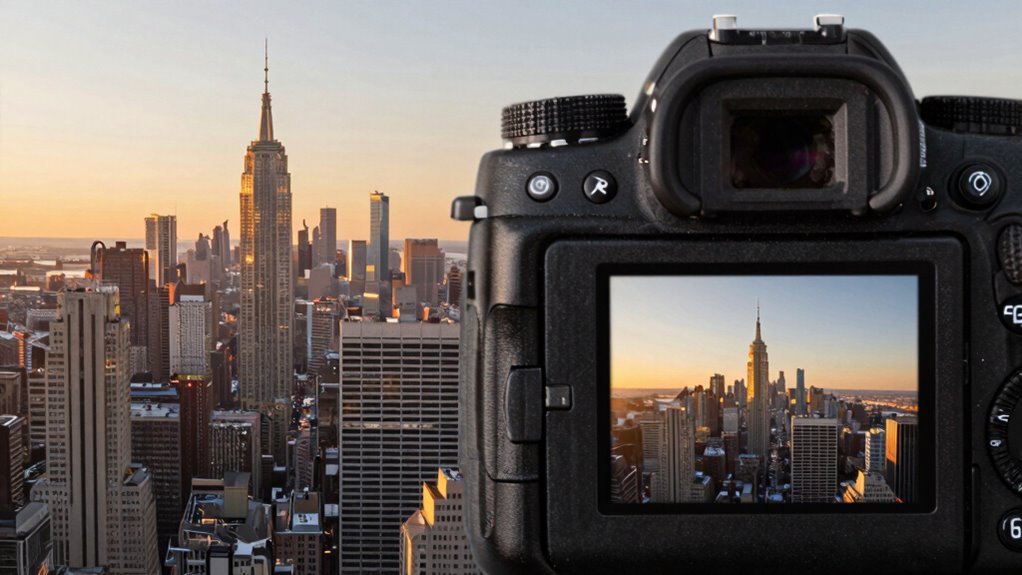

Choosing between full frame and APS-C sensors affects your photos and videos in multiple ways. With a full frame, you’ll notice better image quality, especially in low-light, and a gorgeous shallow depth of field that creates stunning background blur. APS-C cameras are more compact and affordable, offering good quality in favorable conditions but can struggle in tough lighting. If you want to explore how these differences impact your shots further, there’s more to discover below.
Key Takeaways
- Full frame sensors capture more light, resulting in better image quality and lower noise in photos and videos.
- They produce a shallower depth of field, creating more pronounced background blur (bokeh).
- APS-C sensors have a crop factor, changing the effective focal length and composition options.
- Full frame cameras excel in low-light conditions due to larger sensors and higher ISO performance.
- Video quality benefits from full frame sensors through improved detail, dynamic range, and better background separation.
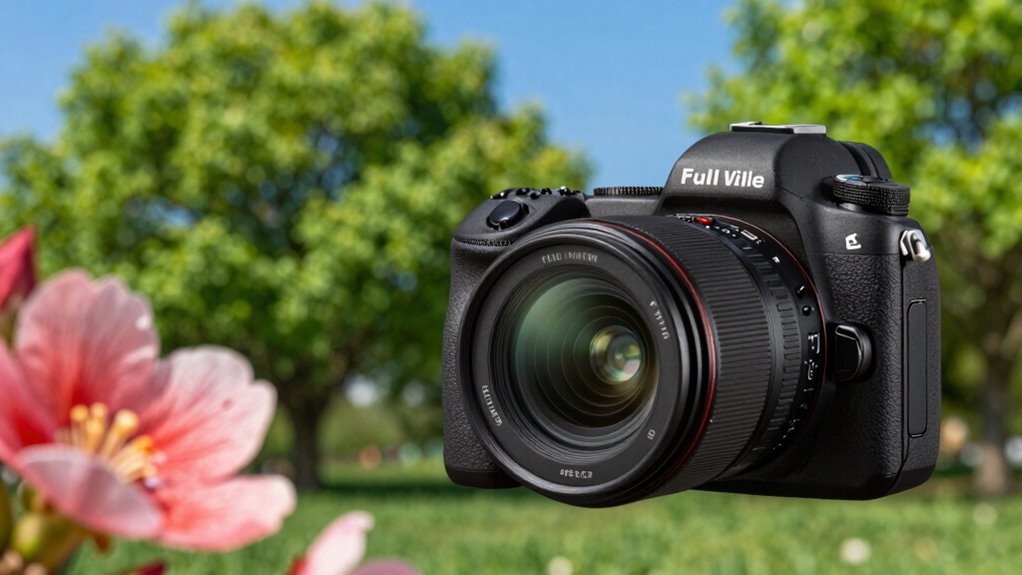
When choosing between full frame and APS-C cameras, understanding their differences can considerably impact your photography. One of the key distinctions lies in sensor size. Full frame sensors are larger, typically measuring around 36mm x 24mm, while APS-C sensors are smaller, usually about 22mm x 15mm. This difference affects how much light each sensor can capture, influencing image quality, especially in low-light conditions. With a larger sensor, a full frame camera gathers more light, which often results in cleaner, more detailed images with less noise at higher ISO settings. Conversely, APS-C sensors can produce excellent images in good lighting but might struggle more in challenging environments, especially when pushing ISO levels.
Another essential aspect influenced by sensor size is depth of field. Because full frame sensors are larger, they produce a shallower depth of field at equivalent settings compared to APS-C sensors. This means you can achieve a beautifully blurred background, making your subject stand out more effectively. If you love creating images with a sense of depth or a creamy bokeh effect, a full frame camera offers a significant advantage. On the other hand, APS-C cameras have a deeper depth of field at the same aperture and framing, which can be beneficial for landscape or macro photography where more of the scene needs to be in focus.
Your choice also affects how lenses behave. A lens designed for a full frame camera will project a different field of view on an APS-C sensor due to the crop factor—usually around 1.5x or 1.6x depending on the brand. This means that a 50mm lens on a full frame camera provides a standard focal length, but on an APS-C, it acts more like a 75mm or 80mm lens, giving a tighter view. This crop factor can be advantageous if you’re into wildlife or portrait photography, but it might require you to buy new lenses if you switch to a different sensor size.
Ultimately, your decision hinges on your photography style, budget, and the kind of images you want to create. Full frame cameras offer superior image quality and creative control over depth of field, but they tend to be more expensive and bulkier. APS-C cameras are more compact and affordable, making them excellent choices for enthusiasts on a budget or those who prioritize portability. Knowing these differences helps you select the right camera to match your needs, ensuring you get the most out of your photography experience.

Tamron 70-300mm F/4.5-6.3 Di III RXD for Sony Mirrorless Full Frame/APS-C E-Mount (Tamron 6 Year Limited USA Warranty), Black
Supreme lightweight portability that makes telephoto shooting fun
As an affiliate, we earn on qualifying purchases.
As an affiliate, we earn on qualifying purchases.
Frequently Asked Questions
How Do Sensor Sizes Affect Low-Light Performance?
Sensor size directly impacts your low-light performance, as larger sensors reduce sensor noise and improve ISO performance. With a full-frame sensor, you’ll notice cleaner images in dim conditions because it gathers more light, allowing you to use lower ISO settings. Smaller APS-C sensors tend to produce more noise at high ISO levels, making them less ideal for low-light shooting. So, bigger sensors give you better results in challenging lighting.
What Is the Impact on Lens Compatibility Between Formats?
You’ll find that lens compatibility varies between formats. Full frame cameras generally require specific lens mounts, limiting accessory options, while APS-C cameras often support a broader range of lenses through adaptable mounts. This means you can use older or third-party lenses more easily on APS-C bodies, but full frame cameras demand precise compatibility. Your choice impacts not just lens availability but also how you expand your gear over time.
Do Full-Frame Cameras Have Better Autofocus Systems?
Yes, full-frame cameras generally have better autofocus systems. They often feature faster autofocus speed and higher autofocus accuracy compared to APS-C cameras. This means you can lock focus more quickly and precisely, especially in challenging lighting or moving subjects. With improved autofocus systems, you’ll find it easier to capture sharp images and videos, making full-frame cameras ideal for professional photography and videography where focus performance matters most.
How Does Sensor Size Influence Depth of Field?
Think of your sensor as a canvas; a larger one draws a deeper, more intimate focus. With a full-frame sensor, you get a richer bokeh quality and smoother background blur, making your subject stand out like a star in the night sky. Smaller sensors, like APS-C, produce less background blur. So, if you crave that dreamy, cinematic look, a full-frame camera lets you craft images with more emotional depth.
Are There Significant Cost Differences Between Full-Frame and APS-C Cameras?
You’ll notice that full-frame cameras generally cost more than APS-C ones because sensor costs are higher, and camera pricing reflects that. Full-frame models often include advanced features and better build quality, which also drive prices up. While APS-C cameras are more budget-friendly, they still deliver excellent images for most users. So, your choice depends on your budget and what you want to achieve with your photography or videography.

Canon EOS R50 Mirrorless Camera Kit – APS-C RF Camera with 18-45mm Lens, 4K Video, Dual Pixel AF II & Vari-Angle Touchscreen (5811C012) + Shoulder Bag + 64GB Memory Card
Canon USA Authorized. Items Include: Canon EOS R50 Mirrorless Camera Kit – APS-C RF Camera with 18-45mm Lens,…
As an affiliate, we earn on qualifying purchases.
As an affiliate, we earn on qualifying purchases.
Conclusion
Choosing between full frame and APS-C is like deciding whether to chase the sun or dance in its glow. Each sensor offers its own magic, shaping your creative journey. Remember, it’s not just about gear, but the passion you pour into every shot. Like an artist with a brush, your vision transforms ordinary moments into timeless stories. Trust your eye, embrace the tool that inspires you, and let your passion lead the way.
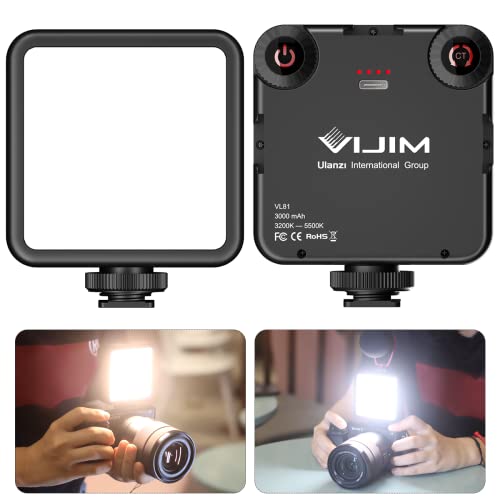
ULANZI VL-81 3000mAh Bi-Color LED Video Light w Softbox – 3200K-5600K+CRI95 Rechargeable Camera Light, 3 Cold Shoe Mount for DSLR/GoPro/Sony/Canon/iPhone, Vlog Filming TikTok Live & Photography
81 Beads Fill Light with Softbox: The VL-81 LED video light is a upgraded version of VL49 2000mah…
As an affiliate, we earn on qualifying purchases.
As an affiliate, we earn on qualifying purchases.
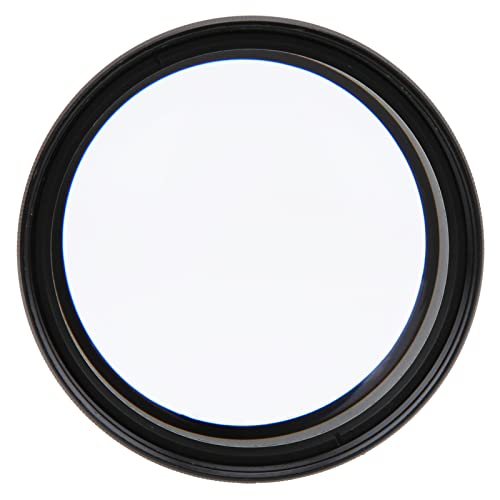
2X Telephoto Lens for Camera Lenses 49MM for All Brands Superior Optical Quality with Shallow Depth of Field and Compression Perspective 2X Magnification Telephoto Lens
2.0X High‑definition super‑telephoto lens, suitable for your camera's existing lens, to better observe the details of the distant…
As an affiliate, we earn on qualifying purchases.
As an affiliate, we earn on qualifying purchases.