

In the afternoon, your focus drops because of natural energy cycles, circadian rhythms, and brain fatigue after morning tasks. Blood sugar dips, hormonal changes, and slower brain activity all play roles in making it harder to concentrate. To stay productive, try scheduling demanding work when your energy is higher, taking short breaks, staying hydrated, and managing your workload based on your personal energy patterns. Explore how to optimize your day further for better focus throughout.
Key Takeaways
- Natural circadian rhythms cause energy dips and reduced alertness in the afternoon.
- Blood sugar levels drop after lunch, impairing focus and mental clarity.
- Brain resources deplete after morning concentration, leading to decreased productivity.
- Hormonal fluctuations and neurotransmitter declines lower alertness and cognitive function.
- Planning demanding tasks during peak energy times and scheduling breaks helps maintain focus.

SIHOO M18 Ergonomic Office Chair, High Back Mesh Desk Chair with Adjustable Headrest & Lumbar Support, 330lbs Capacity Computer Chair with 2D Armrests & Wide Cushion, Tilt Lock, for Home Office-Black
【ERGONOMICE OFFICE CHAIR】- The ergonomic chair provides 4 support points (head/back/hip/hands) and proper lumbar support. SIHOO designs ergonomic…
As an affiliate, we earn on qualifying purchases.
As an affiliate, we earn on qualifying purchases.
Why Do I Feel Less Focused in the Afternoon?

Have you ever wondered why your focus tends to fade in the afternoon? It’s because your body experiences an energy drain, leading to the well-known afternoon slump. During this time, your blood sugar levels drop, and your circadian rhythm shifts, making you feel sleepy and less alert. Your brain’s resources are also running low after a morning of intense concentration. This combination causes your mental clarity and focus to decline. You might notice yourself zoning out or struggling to complete tasks. The afternoon slump isn’t just in your head; it’s a natural biological cycle. Recognizing this pattern helps you understand why your energy dips and focus wanes, so you can plan your most demanding tasks for when your energy levels are higher. Incorporating biohacking techniques such as strategic breaks or light physical activity can help mitigate these effects. Understanding your biological rhythms allows you to optimize your productivity throughout the day. Being aware of circadian rhythm shifts can help you develop better routines to maintain focus and improve your overall daily energy management.

livho High Tech Blue Light Glasses – Advanced Blue Light Blocking Computer Glasses – Screen Fatigue & UV Protection
Elevate your screen time comfort with these stylish women's/men's eyewear frame blue light blocking glasses, designed to reduce…
As an affiliate, we earn on qualifying purchases.
As an affiliate, we earn on qualifying purchases.
What’s Happening in My Brain During the Afternoon Slump?

During the afternoon slump, your brain experiences a dip in activity as it responds to changes in energy and alertness levels. This slowdown is driven by shifts in brain chemistry and hormonal fluctuations, which affect focus and motivation. Your body’s internal clock signals lower levels of alertness, causing neurotransmitter levels like dopamine and norepinephrine to drop. These changes make it harder to concentrate and stay engaged. Additionally, the decrease in energy efficiency during this period further hampers cognitive performance. Research indicates that circadian rhythms significantly influence alertness patterns, making certain times of the day more challenging for sustained focus. Here’s a snapshot:
| Brain State | Effect |
|---|---|
| Neurotransmitter levels | Decrease, reducing motivation |
| Hormonal fluctuations | Lead to fatigue and reduced alertness |
| Brain activity | Slows down, impairing focus |

ZERONE CENTRE Productivity Weekly Planner – 54 Sheets Dashboard Spiral Deskpad Has 6 Focus Areas to List Tasks for Goals, Projects, Clients, Academic, or Shopping-Organize Your Daily Work Efficiently
PRACTICAL AND VALUABLE -This undated weekly productivity notepad focus on the important work and get organized. Whether you're…
As an affiliate, we earn on qualifying purchases.
As an affiliate, we earn on qualifying purchases.
Debunking Myths About Post-Lunch Productivity Drops

Many people believe that post-lunch productivity naturally plummets due to a sudden dip in energy, but this isn’t entirely true. This myth busting reveals that your afternoon slump isn’t solely caused by lunch itself. Instead, other factors like habits, environment, or workload play a role. Here are common productivity myths to contemplate:
- Your body needs a long nap to recover
- Eating heavier lunches always causes fatigue
- Avoiding breaks improves focus
- Coffee can fully fix post-lunch drowsiness
- Productivity dips are unavoidable every afternoon
- Using wellness tech like light therapy or vibration tools can help you maintain alertness throughout the day
Understanding these myths helps you plan smarter. Recognizing that your energy isn’t doomed after lunch allows you to implement strategies that sustain focus, rather than resigning to an inevitable decline.

BOOST Smart Water Bottle with Reminder & Tracker, Double Wall Vacuum Insulated Bottles Stainless Steel, 32oz BPA-Free Wide Mouth for School, Gym, Office, Ideal for Mother's Day
IDEAL FOR YOUR LOVERS: Given its combination of smart features, excellent insulation, and stylish design, the BOOST water…
As an affiliate, we earn on qualifying purchases.
As an affiliate, we earn on qualifying purchases.
How Do Circadian Rhythms Affect My Afternoon Energy?

Circadian rhythms are your body’s internal clock that regulate energy levels throughout the day. This circadian influence causes natural energy fluctuations, especially in the afternoon, making focus harder. Around mid-afternoon, your body signals a dip in alertness, explaining why you often feel sluggish then. Recognizing these patterns helps you plan better. Implementing personal finance management strategies, such as scheduling high-focus tasks during peak energy times, can improve productivity.
How Can I Identify My Personal Focus Peaks and Troughs?

To find out when you’re most alert, start tracking your energy levels throughout the day. Pay attention to when your focus feels sharp or dips, and note any patterns that emerge. Recognizing these cycles helps you plan tasks for your peak times and rest during troughs. Incorporating a supportive breakfast can also boost your energy levels and enhance your focus during those critical periods. Additionally, understanding your Free Floating energy patterns can help you optimize your daily schedule for better productivity and well-being.
Track Your Energy Levels
Ever wonder when you feel most alert and focused during the day? To find out, start energy tracking. Keep a simple journal or use an app to note your energy levels at different times. Look for focus patterns that reveal when your energy peaks and dips. This awareness can help you optimize your schedule and make the most of your high-energy periods.
Consider tracking for at least a week to identify consistent trends. Pay attention to how your energy fluctuates during the day and what activities influence your focus. By understanding your focus patterns, you can prioritize challenging tasks during your high-energy periods.
Some ways to track your energy include:
- Recording energy levels hourly
- Noting mood and motivation
- Logging productivity during tasks
- Tracking sleep quality
- Monitoring caffeine and food intake
Recognize Concentration Patterns
Once you’ve started tracking your energy levels, the next step is to recognize your unique concentration patterns. Pay attention to your natural concentration cycles—times when your focus is high and times when it dips. Notice when you feel most alert and productive, whether that’s in the morning, late morning, or early afternoon. Keep a journal or use a tracking app to log these focus patterns throughout the day. Over time, you’ll identify your personal peaks and troughs, helping you plan tasks accordingly. Recognizing these cycles allows you to schedule demanding work during your focus peaks and reserve less intensive tasks for your troughs. This awareness guarantees you make the most of your mental energy and work smarter, not harder. Understanding sleep environment factors that influence alertness can further support your focus throughout the day. Incorporating consistent routines can also help stabilize your energy levels and improve concentration over time. Additionally, being aware of natural energy fluctuations helps you adapt your workload to your body’s rhythm, reducing frustration and increasing productivity. Paying attention to internal cues can also help you recognize when your focus is waning and adjust your activities accordingly. Recognizing your biological rhythms can further optimize your daily schedule for better focus and energy management.
Simple Strategies to Beat the Afternoon Energy Dip
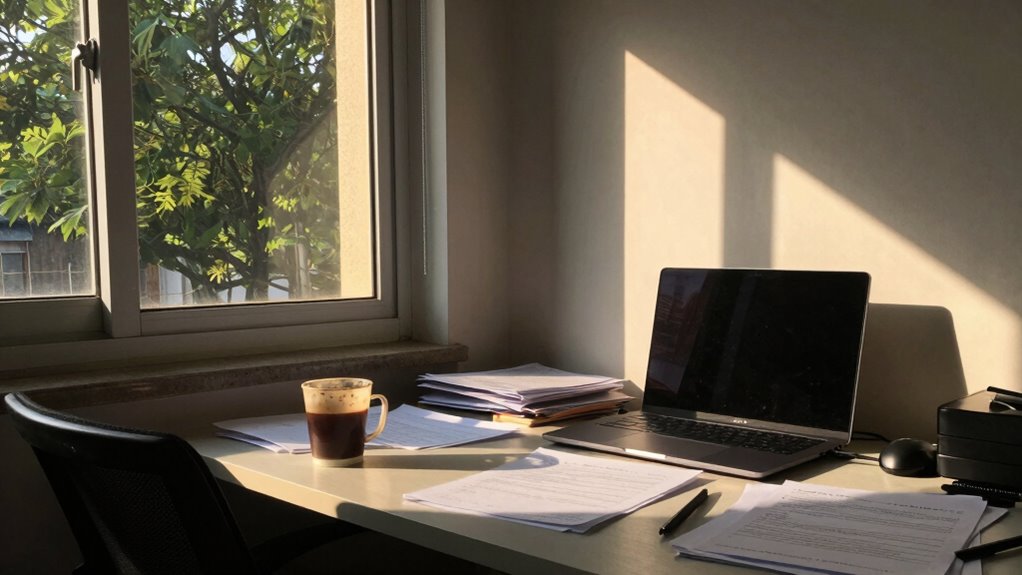
To fight the afternoon slump, try scheduling quick energy-boosting breaks to recharge your focus. Make sure to prioritize your most important tasks when your energy is highest, and stay well-hydrated throughout the day. These simple strategies can help you stay alert and productive when fatigue sets in. Incorporating smart appliances that automate routine tasks can also free up mental energy, helping you maintain focus during your most demanding periods. Recognizing your natural energy cycles can help you plan breaks and tasks more effectively for sustained productivity. Additionally, understanding individual energy patterns can guide you in customizing your daily schedule for optimal performance, while being mindful of your privacy preferences ensures a comfortable browsing experience. Being aware of energy-efficient devices can further enhance your home environment by reducing distractions and supporting your focus.
Schedule Energy-Boosting Breaks
Scheduling regular, short breaks throughout your afternoon can substantially boost your energy levels and improve focus. These energy-boosting breaks act as mental refreshers, helping you recharge and stay productive. To maximize their benefits, try incorporating activities like:
- Taking a brisk walk outside to get fresh air
- Stretching your muscles to increase circulation
- Hydrating with water or a healthy snack
- Practicing deep breathing exercises
- Briefly listening to upbeat music
These quick, intentional pauses prevent fatigue from setting in and make it easier to maintain concentration. Incorporating herbal remedies can further enhance your ability to stay present and avoid burnout during busy days. Additionally, choosing the right reheating techniques for your snacks and meals can help sustain your energy levels without added effort. Understanding how creative blocks can impact your focus and planning accordingly can make a significant difference in maintaining productivity.
Prioritize Important Tasks
Focusing on your most important tasks during the afternoon guarantees you make the best use of your limited energy. To do this effectively, practice smart time management by scheduling high-priority work when your energy dips. Batch similar tasks together—like responding to emails or making phone calls—to minimize switching costs and maintain focus. Prioritizing key tasks ensures you tackle what truly matters when your mental clarity is highest, even if energy wanes. Avoid spreading yourself thin on less critical activities, which can drain your focus further. By aligning your workload with your natural energy patterns and using task batching, you maximize productivity and reduce the frustration of unproductive afternoons. This strategic approach helps you stay on top of your most important work, despite the energy dip.
Maintain Hydration Levels
Staying well-hydrated is essential for maintaining energy levels throughout the afternoon. Proper water intake helps prevent fatigue and supports concentration. Keep your electrolyte balance in check by drinking fluids with electrolytes or consuming foods rich in minerals like potassium and magnesium. To boost hydration:
- Drink a glass of water every hour
- Incorporate electrolyte drinks during intense activity
- Eat hydrating foods like fruits and vegetables
- Avoid excessive caffeine, which can dehydrate you
- Monitor your urine color; light yellow indicates good hydration
Nutrition and Hydration Tips to Boost Your Afternoon Focus

What you eat and drink can considerably influence your ability to stay alert in the afternoon. Prioritize hydration importance by drinking water regularly throughout the day, especially in the hours leading up to your afternoon slump. Proper hydration helps maintain focus and prevents fatigue. Nutrient timing also plays a key role; opt for balanced meals with protein, healthy fats, and complex carbs to provide sustained energy. Avoid heavy, sugary foods that cause crashes later. Incorporate light snacks like nuts, fruits, or yogurt to keep your blood sugar stable. Remember, staying well-hydrated and timing your nutrients effectively can significantly improve your afternoon concentration, helping you power through without feeling drained or distracted.
Best Tasks to Do When Your Energy Is Low

When your energy dips in the afternoon, tackling demanding or complex tasks can feel overwhelming. During these low-energy periods, focus on tasks that require minimal mental effort. This helps with energy management and prevents burnout. Use task batching to group similar activities, making your workload more efficient.
Consider doing:
- Responding to emails or messages
- Organizing files or digital clutter
- Scheduling appointments or planning
- Reviewing notes or materials
- Brainstorming ideas or light creative work
These tasks are less taxing and can be completed with less focus. By aligning your low-energy periods with simple, routine tasks, you conserve energy for more demanding work during your peak times. This strategic approach keeps you productive without overwhelming yourself.
How to Plan Your Day for Peak Afternoon Productivity

Ever wonder how to make the most of your afternoon energy peak? Effective planning begins with understanding your energy management. Schedule demanding tasks during your high-energy window, typically early afternoon, when focus techniques like Pomodoro or deep work sessions work best. Break your day into focused blocks, leaving lighter tasks or meetings for when your energy dips. Prioritize important projects so you’re not scrambling when your concentration wanes. Use strategic breaks to recharge—stretch, hydrate, or take short walks—to sustain momentum. Setting clear goals for each period helps maintain focus and prevents burnout. By aligning your schedule with your natural energy rhythms, you maximize productivity and make the afternoon your most efficient time.
Tools and Techniques to Stay Focused When Your Energy Wanes

As your energy begins to dip, employing specific tools and techniques can help you stay focused and productive. Creating a conducive environment and practicing quick mental resets are key. Start by taking mindful breaks—try mindfulness exercises to clear your mind and regain focus. Adjust your workspace ergonomically to reduce physical fatigue, like proper chair height and screen placement. Incorporate movement, such as stretching or short walks, to boost circulation. Use time management tools like Pomodoro timers to break tasks into manageable chunks. Finally, limit distractions by decluttering your workspace and turning off non-essential notifications. These strategies help you sustain attention during low-energy periods, ensuring you stay productive even when your afternoon slump hits.
Frequently Asked Questions
Can Exercise Improve My Focus During Afternoon Slumps?
Yes, exercise benefits your focus during afternoon slumps. When you move, your body releases endorphins, which boost your mood and mental clarity. Even a quick walk or stretch can increase blood flow to your brain, helping you stay alert and productive. Incorporating regular exercise into your routine can make a noticeable difference, so make time for physical activity to combat those sluggish afternoon moments and improve your focus.
How Does Sleep Quality Impact Afternoon Alertness?
Poor sleep quality disrupts your sleep cycles, leaving you less alert in the afternoon. Studies show only about 20% of adults get restorative rest, affecting your energy levels and focus. When your rest quality suffers, you miss out on essential deep sleep stages that refresh your mind. Prioritizing consistent, restful sleep helps regulate your sleep cycles, boosting your afternoon alertness and enabling you to stay sharp and productive.
Are Certain Foods Better for Maintaining Afternoon Focus?
Yes, certain healthy snacks like nuts, yogurt, or fruit can boost your afternoon focus. Avoid sugary treats that cause energy crashes. Focus on meal timing by eating balanced meals every 3-4 hours to maintain steady blood sugar levels. This helps prevent dips in concentration and keeps you alert. Planning your snacks and meals thoughtfully supports sustained mental clarity, so you can stay productive throughout your afternoon.
Does Caffeine Help or Hurt My Afternoon Productivity?
Caffeine can boost your afternoon productivity, but only if used wisely. Did you know that 90% of Americans consume caffeine daily? It helps you stay alert temporarily, but excessive intake can lead to caffeine dependency and sugar crashes later, which hurt focus. To avoid these pitfalls, limit your caffeine to moderate amounts and pair it with balanced snacks. This way, you keep alert without risking dependency or energy dips.
How Can I Prevent Burnout From Afternoon Fatigue?
To prevent burnout from afternoon fatigue, focus on energy management and stress reduction. Take short breaks to recharge, stretch, or breathe deeply, which helps reset your energy levels. Stay hydrated and eat balanced snacks to maintain steady energy. Incorporate quick physical activity to boost circulation, and practice mindfulness or meditation to reduce stress. These habits enable you to sustain productivity without burning out, keeping your afternoons more manageable.
Conclusion
Understanding your afternoon slump is like finding the missing piece of a puzzle. By tuning into your body’s rhythms and smartly planning your day, you can turn that sluggishness into a boost of productivity. Remember, your focus follows your planning—so craft your schedule wisely. With the right strategies, you’ll master the art of riding the waves of energy rather than being tossed by them. Your peak hours are waiting—seize them!