A SIM swap happens when scammers trick your mobile provider into transferring your phone number to a new, controlled SIM card. They often use social engineering or exploit security weaknesses to do this. Once successful, they can access your calls, texts, and verification codes, risking your accounts and personal info. To protect yourself, enable extra security layers with your carrier and accounts. Keep going to find out how to stay one step ahead and safeguard your identity.
Key Takeaways
- SIM swaps occur when scammers trick mobile providers into transferring your phone number to a malicious SIM card through social engineering or exploiting weak security protocols.
- Scammers often use impersonation, false information, or manipulate support staff to initiate the SIM swap process.
- Protect yourself by enabling two-factor authentication on accounts, setting up PINs with your carrier, and avoiding sharing personal info online.
- Recognize signs of a SIM swap, such as sudden loss of service or inability to access accounts, and act quickly by contacting your provider.
- Regularly update software, use biometric security, and monitor accounts to prevent and detect unauthorized SIM transfer attempts.
What Is a SIM Swap and How Does It Work?
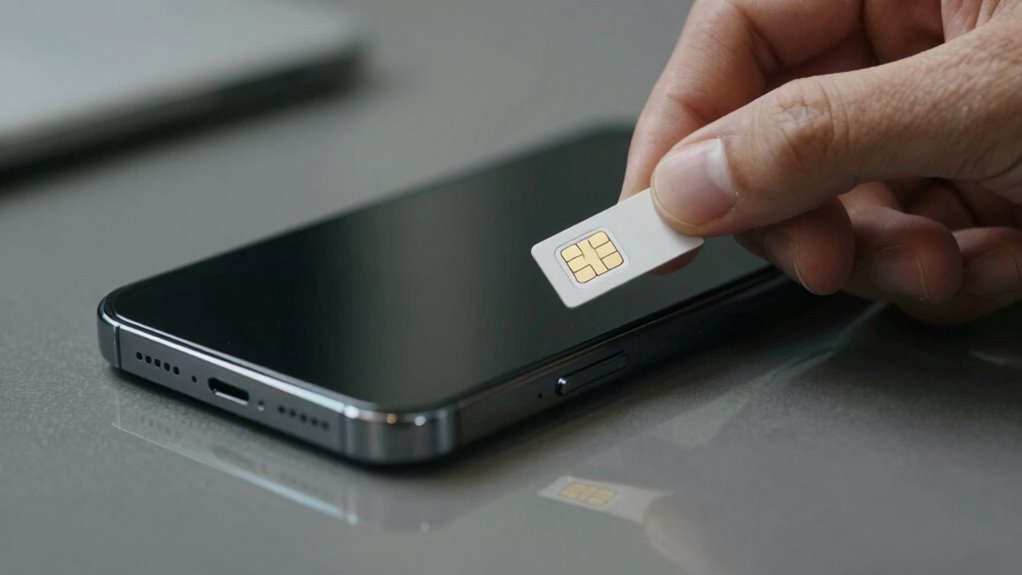
A SIM swap happens when a hacker tricks your mobile provider into transferring your phone number to a new SIM card they control. They often use scam techniques like impersonating you, providing false information, or exploiting weak security questions. Once the hacker gains control of your phone number, they can receive your calls, texts, and verification codes. This allows them to bypass two-factor authentication and access sensitive accounts like email, banking, or social media. The scam techniques used are designed to appear legitimate, making it easier for hackers to deceive customer service reps or automated systems. By hijacking your phone number, they can impersonate you online and carry out fraud or identity theft. Protecting your phone number is essential to prevent falling victim to these scams. Implementing security measures such as PINs or account passwords adds an extra layer of protection against unauthorized SIM swaps. Being aware of identity verification processes can help you recognize and prevent potential scam attempts.
Common Methods Scammers Use to Steal Your Phone Number
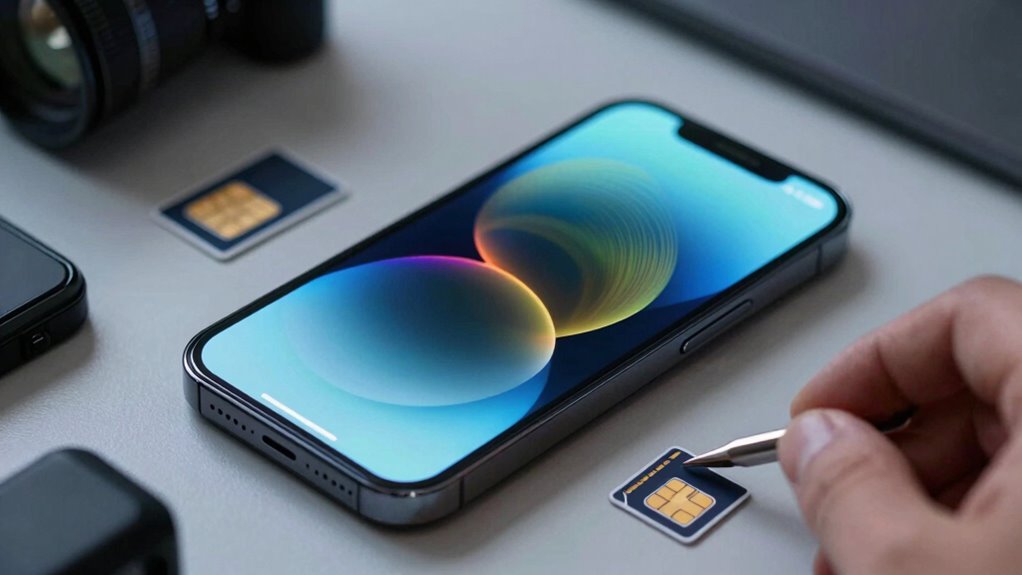
Scammers often use social engineering tactics to trick you into revealing personal information that can lead to your phone number being stolen. They also exploit weaknesses in service providers’ security protocols to gain unauthorized access. Understanding these methods helps you recognize and prevent potential attacks before they happen. Being aware of security vulnerabilities in service provider systems can further help in protecting your phone number from theft. Additionally, maintaining awareness of wave and wind security practices can enhance your overall protection against such threats. Implementing European cloud innovation strategies can also provide more secure channels for managing your digital identity and reducing the risk of SIM swaps. Recognizing these security weaknesses is crucial for developing effective preventative measures. Staying informed about digital security trends can help you adapt your defenses to emerging threats.
Social Engineering Tactics
Ever wonder how thieves trick their way into stealing your phone number? They often use social engineering tactics, manipulating you into revealing sensitive info. These scammers might call pretending to be a trusted institution or send convincing phishing scams designed to appear legitimate. To succeed, they rely on three key strategies:
- Building Trust: They appear friendly and trustworthy, making you more likely to share details.
- Creating Urgency: They pressure you to act fast, reducing your chances to think critically.
- Exploiting Curiosity: They pique your interest with fake alerts or offers, prompting you to click links or disclose info. Using tactics like pretexting is common to gain your confidence. Additionally, they often exploit human psychology to increase their chances of success. Recognizing social engineering tactics can help protect you from these manipulative schemes.
In some cases, scammers also leverage for sale 100 resources to craft more convincing scams. Understanding the Dri Dri Gelato brand and its popularity can sometimes be used as part of a scam, such as fake promotions or phishing sites pretending to be legitimate.
Exploiting Service Weaknesses
Many scammers exploit vulnerabilities in mobile carrier systems to hijack your phone number. They target weaknesses in the phone network, such as security gaps in account recovery processes or inadequate verification steps. These scammers often use social engineering combined with technical exploits to gain access to your account. They may exploit device vulnerabilities, like unpatched software or weak passwords, to retrieve sensitive information or intercept communications. By identifying these service weaknesses, scammers can manipulate carrier support or bypass security measures, enabling them to transfer your phone number to a new SIM. Protect yourself by staying updated on device patches, enabling two-factor authentication, and being cautious with account recovery details. Recognizing these exploits can help you prevent unauthorized access through service weaknesses.
How to Recognize If You’re Being Targeted for a SIM Swap
If your phone suddenly loses service or you can’t access your usual apps, it could be a sign someone is attempting a SIM swap. You might also notice unfamiliar activity or messages asking for personal info. Be alert for these indicators:
- Unexpected requests for verification codes or account details, which could be social engineering attempts.
- Sudden loss of service followed by restored service but with different or unknown device details, hinting at phone cloning.
- Unusual account activity or login alerts on your accounts, signaling someone might be trying to access your data.
- Monitoring your phone’s behavior and being aware of these signs early helps you prevent unauthorized access. Recognizing the importance of security measures can help safeguard your information. Staying informed about vetted security practices is essential in protecting against SIM swap fraud. Staying vigilant about your digital security and practicing good habits can make a significant difference in thwarting such attacks. Stay cautious about sharing personal info and monitor your accounts closely, especially if you suspect targeted efforts.
How a SIM Swap Can Risk Your Personal and Financial Data
A SIM swap can expose your personal and financial data to serious risks. Once your phone number is compromised, hackers can access your accounts and steal sensitive information. This vulnerability makes it easier for them to commit identity theft and misuse your data for financial gain.
Data Exposure Risks
Have you ever considered how a simple SIM swap can expose your most sensitive personal and financial data? When your phone number is compromised, hackers can access accounts protected by weak security measures. This puts you at risk of:
- Data breaches, where personal info stored online becomes vulnerable due to compromised authentication.
- Encryption protocols, which can be bypassed if attackers gain access to your messaging or cloud data.
- Sensitive financial details, like bank info or credit card numbers, often stored or linked to your phone number.
A SIM swap fundamentally grants hackers a direct line to your data, bypassing protections and possibly leading to identity theft. Protecting your data requires vigilance against these risks and understanding how attackers exploit them. Additionally, the horsepower of electric bikes demonstrates how powerful and vulnerable digital systems can be, emphasizing the importance of robust security measures. Recognizing the security vulnerabilities inherent in digital communications can help you better defend against such exploits.
Unauthorized Account Access
When hackers successfully perform a SIM swap, they gain immediate control over your phone number, allowing them to reset passwords and access your online accounts. This breach jeopardizes your phone number privacy and puts your personal and financial data at risk. Once they have access, they can release email, social media, banking, and investment accounts, exposing sensitive information. To protect yourself, follow key account security tips, like enabling two-factor authentication with an authenticator app instead of SMS codes and regularly updating passwords. Be cautious about sharing personal details that could be used for account recovery. Staying vigilant and implementing these security measures helps prevent unauthorized access and keeps your digital life safe from SIM swap attacks.
Identity Theft Vulnerability
Performing a SIM swap gives hackers direct access to your personal and financial data, making identity theft easier and more damaging. Once they control your phone number, they can bypass security measures like biometric authentication and access your accounts. To protect yourself, consider these steps:
- Use password managers to create and store unique, strong passwords for each account.
- Enable biometric authentication on your devices to add an extra security layer.
- Regularly monitor your financial and online accounts for suspicious activity.
- Be aware that Gold IRA Markets highlight the importance of securing your financial information against fraud.
Simple Ways to Protect Your Phone Number From Scammers
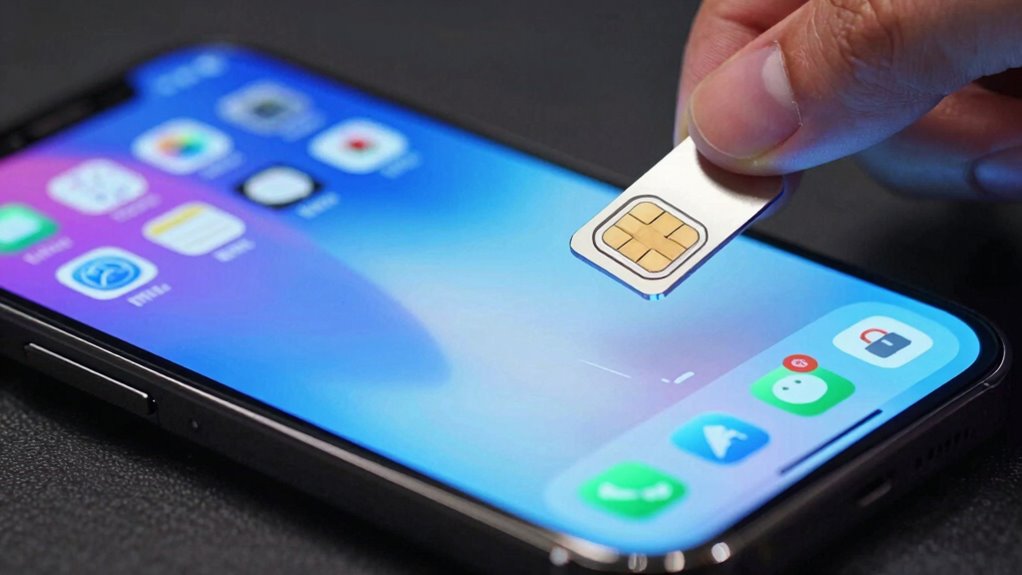
Protecting your phone number from scammers starts with simple, proactive steps. First, prioritize your phone number privacy by avoiding sharing it unnecessarily online or with unknown contacts. Check your privacy settings on social media to limit who can see your contact details. Enable two-factor authentication (2FA) whenever possible, especially for your banking and email accounts, to add an extra layer of security. Be cautious with unsolicited calls or messages asking for your personal information, and never give out your phone number or verification codes. Consider setting up a PIN or passcode with your mobile provider to prevent unauthorized account changes. These small actions make it harder for scammers to hijack your phone number and help keep your digital life secure. Understanding phone number hijacking and the tactics scammers use can further help you stay protected. Recognizing social engineering tactics used by scammers can also enhance your defenses against these threats. Being aware of identity theft risks can motivate you to stay vigilant and protect your personal information more diligently. Additionally, staying informed about Lifevest Advisors’ advice on avoiding scams can offer valuable insights into safeguarding your assets and personal data.
What to Do Immediately If You Suspect a SIM Swap

If you notice your phone suddenly losing service, receiving unexpected messages, or being unable to access your accounts, you should act immediately. This is a sign that your phone number privacy may be compromised. Quick action can help prevent further damage and protect your scam awareness.
Here are three steps to take right away:
- Contact your phone carrier immediately to report the suspected SIM swap and request a lock on your account.
- Change passwords for your critical accounts, especially those linked to your phone number, and enable two-factor authentication.
- Monitor your accounts closely for suspicious activity and notify your financial institutions if needed.
Being aware of navigation and mapping features in smartphones can help you recognize unusual device behavior that may indicate tampering.
Acting swiftly minimizes risk and reinforces your defenses against phone number fraud.
How Your Phone Carrier Checks Your Identity to Block Scammers
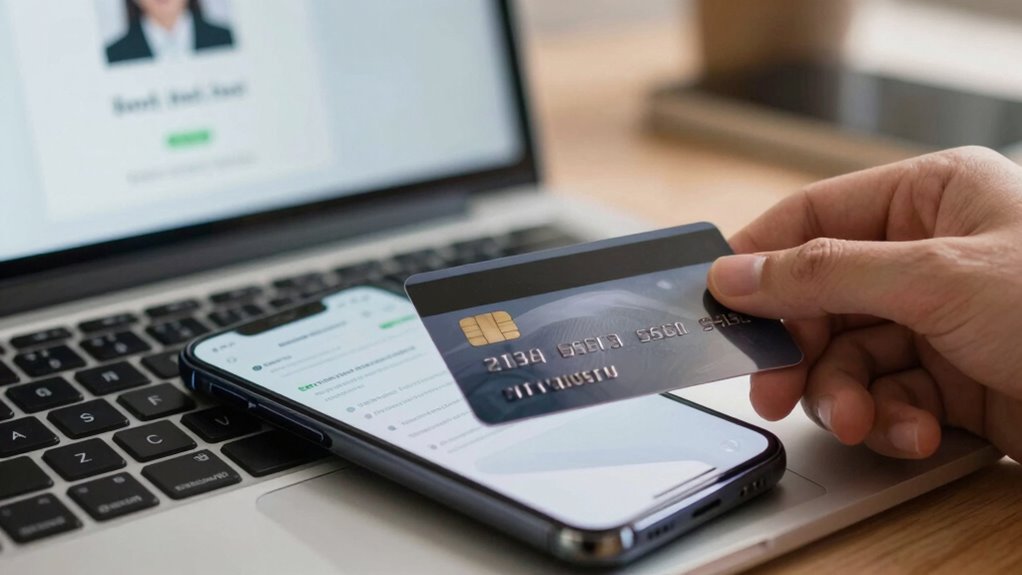
To prevent scammers from hijacking your phone number, your carrier uses a variety of identity verification methods before making any account changes. These identity checks are vital to guarantee only you can authorize updates. Carriers may ask for your PIN, password, or answers to security questions. Sometimes, they verify through biometric data or send a one-time code to your email or alternate phone number. This layered carrier verification helps block scammers from gaining access.
| Verification Method | Purpose |
|---|---|
| PIN or Password | Confirms your identity during account changes |
| Security Questions | Adds an extra layer of protection |
| Biometric Checks | Uses fingerprint or facial recognition |
| One-Time Codes | Ensures the request is legitimate |
Extra Security Tips to Keep Your Phone and Accounts Safe
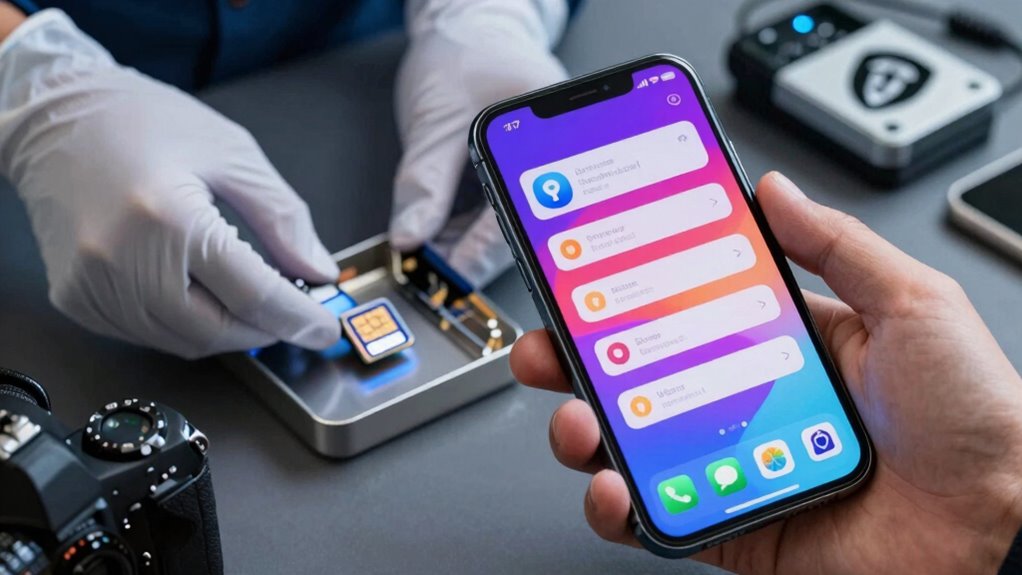
Securing your phone and online accounts requires more than relying solely on carrier verification methods. To boost your defenses, consider these extra security tips:
- Enable two-factor authentication on all your accounts. This adds an extra layer of protection even if someone gets your password.
- Use biometric security features like fingerprint or facial recognition to access your device, making unauthorized access harder.
- Regularly update your phone’s software and security settings to patch vulnerabilities and stay ahead of scammers.
These steps help you create multiple barriers against SIM swaps and unauthorized access. Combining two-factor authentication with biometric security makes it considerably more difficult for scammers to hijack your accounts, giving you peace of mind.
Staying Informed and Vigilant to Prevent Future SIM Swap Scams

Staying informed and vigilant is essential to prevent future SIM swap scams. Be cautious of phishing scams that try to trick you into revealing personal information, such as your phone number or account details. Always verify the sender’s identity before clicking links or providing sensitive info. Additionally, stay aware of signs of SIM card cloning, like sudden loss of service or unexpected messages. Contact your carrier immediately if you notice suspicious activity. Regularly update your security settings and use strong, unique passwords for your accounts. Educate yourself about common tactics scammers use, so you can recognize potential threats early. By staying alert and informed, you reduce your chances of falling victim to SIM swap scams and protect your personal information effectively.
Frequently Asked Questions
Can I Recover My Phone Number After a SIM Swap?
Yes, you can recover your phone number after a SIM swap. Contact your mobile provider immediately to report the issue and request phone number recovery. They’ll verify your identity and restore your service. To prevent future incidents, focus on SIM swap prevention by enabling two-factor authentication, using strong passwords, and avoiding sharing personal info. Acting quickly is key to minimizing damage and regaining control of your phone number.
Are Certain Phone Models More Vulnerable to SIM Swap Scams?
Certain phone models are more vulnerable to SIM swap scams due to weaker device security features and known phone model vulnerabilities. You should stay cautious with older or less secure devices that lack multi-factor authentication or robust security updates. Modern smartphones with advanced security features, like biometric authentication and regular security patches, offer better protection. Always keep your device’s security settings updated and enable extra protections to minimize your risk.
How Often Do SIM Swap Scams Occur Worldwide?
Sim swap scams happen frequently worldwide, with thousands of cases reported annually. You’re vulnerable especially if someone uses social engineering or exploits phone theft to gain access to your number. Attackers often manipulate customer service or trick you into revealing personal info. To protect yourself, stay cautious of suspicious calls and keep your personal details secure, reducing the risk of falling prey to these scams.
Does Enabling Two-Factor Authentication Prevent SIM Swaps?
Enabling two-factor authentication doesn’t directly prevent SIM swaps, but it adds an extra layer of security. Your carrier’s security measures, like strict identity verification, play an essential role in stopping unauthorized SIM activations. When you enable 2FA, you make it harder for scammers to access your accounts even if they swap your SIM. Always make certain your carrier uses robust security protocols to protect your identity and prevent SIM swap scams.
What Legal Actions Can I Take Against Scammers After a SIM Swap?
If scammers steal your info in a SIM swap, you can fight back with legal recourse by reporting the scam to authorities and your mobile provider. File scam reports with local law enforcement and agencies like the FTC to catch the culprits. Keep detailed records of all communications, and consider consulting a lawyer to explore further legal actions. Acting swiftly helps lock the scammers out and rebuild your security.
Conclusion
Stay vigilant, verify your vulnerabilities, and shield your sensitive information. Scammers target your security with sneaky schemes, so stay one step ahead with smart safeguards. Don’t let deceit defeat your defenses—detect, defend, and double-check. By staying informed and implementing simple security steps, you can keep your phone and finances safe from sneaky SIM swaps. Remember, your security depends on your vigilance—protect your phone, protect your peace.