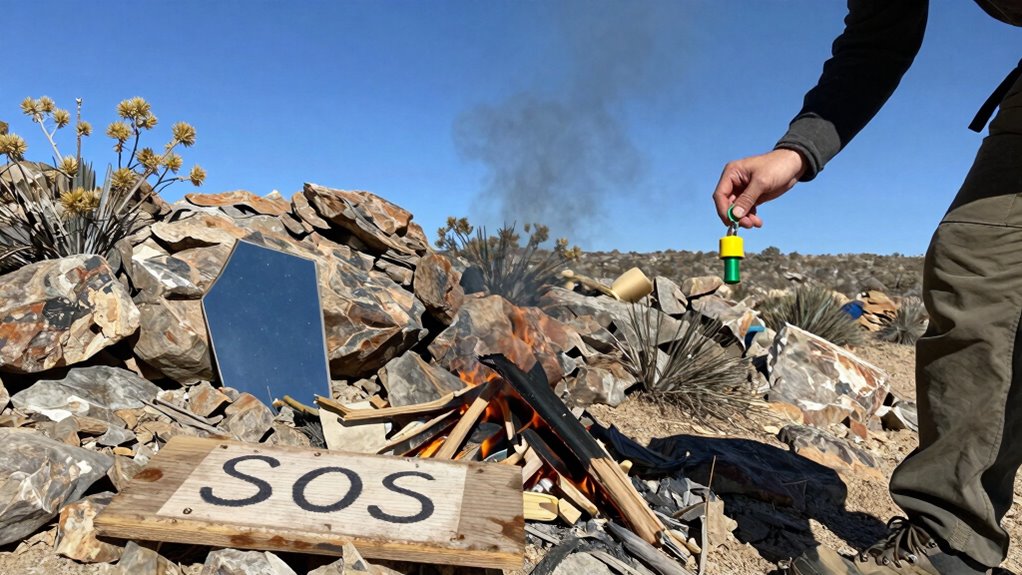

When phones fail during emergencies, rely on alternative methods like using whistles, flashlights, or flags to signal for help. Radios and satellite devices can keep you connected without cell towers. Community networks, such as mesh systems or neighborhood groups, boost communication. Keep an emergency plan, printed contacts, and backup supplies ready. Staying informed requires physical signs or community alerts. Explore these options further to guarantee you’re prepared when technology no longer works.
Key Takeaways
- Use visual signals like flashlights, flags, or signs to attract attention when phones are unavailable.
- Rely on non-digital tools such as whistles, horns, or Morse code for signaling and communication.
- Deploy radio or satellite devices to maintain contact with emergency services or loved ones independently of cell networks.
- Establish community-based networks like neighborhood message boards or mesh systems for local coordination.
- Prepare and regularly practice a backup communication plan including emergency kits, contact trees, and physical indicators.
Why Do Phones Fail When You Need Them Most?
Have you ever relied on your phone during an emergency only to find it doesn’t work? Often, phones fail because the power grid is compromised, cutting off electricity needed to charge and operate devices. Additionally, signal interference can occur when infrastructure becomes damaged or overloaded, preventing calls and texts from going through. During crises, cell towers may be knocked out or overwhelmed by sudden demand, creating dead zones. Weather events, like storms or earthquakes, can damage communication lines and disrupt signal transmission. As a result, even if your phone is charged, you might still be unable to connect. Understanding these vulnerabilities helps you realize why relying solely on digital communication can be risky during emergencies. Recognizing the importance of backup communication methods ensures you’re prepared when phones fail, especially considering how critical communication infrastructure is in ensuring reliable connectivity. Moreover, establishing alternative communication strategies can significantly improve your safety and response effectiveness when traditional networks are compromised. Having knowledge of emergency communication protocols enables you to act swiftly and effectively during such situations.
What Are the Best Non-Digital Ways to Communicate in an Emergency?
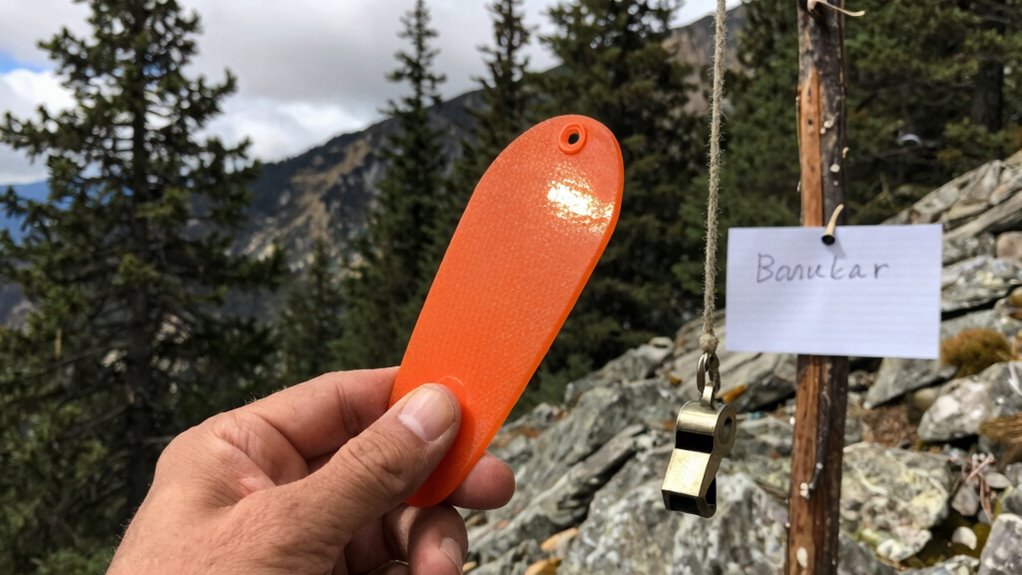
When digital communication fails during emergencies, it’s important to have backup methods ready. Carrier pigeons have served as reliable messengers for centuries, capable of carrying small notes over long distances without technology. They’re especially useful in areas where no cell service exists. Free Floating techniques can be adapted for emergency signaling, allowing for more effective long-distance communication in challenging environments. Additionally, learning Morse code allows you to send crucial messages through simple signals like flashes or sounds. You can use flashlights, whistles, or even tapping to communicate basic information when voice or data lines are down. These methods don’t rely on electricity or infrastructure, making them resilient in disaster scenarios. Understanding outdoor communication methods can further enhance your preparedness and ensure you stay connected when digital systems fail. Incorporating Suprem fabric into emergency gear or clothing can improve comfort and durability in harsh conditions, ensuring your equipment withstands challenging scenarios. Having a basic understanding of Morse code and maintaining a carrier pigeon plan can considerably improve your chances of staying connected when digital systems fail. Preparing for emergency communication with non-digital tools can save lives.
How Can Radios and Satellite Devices Keep You Connected?
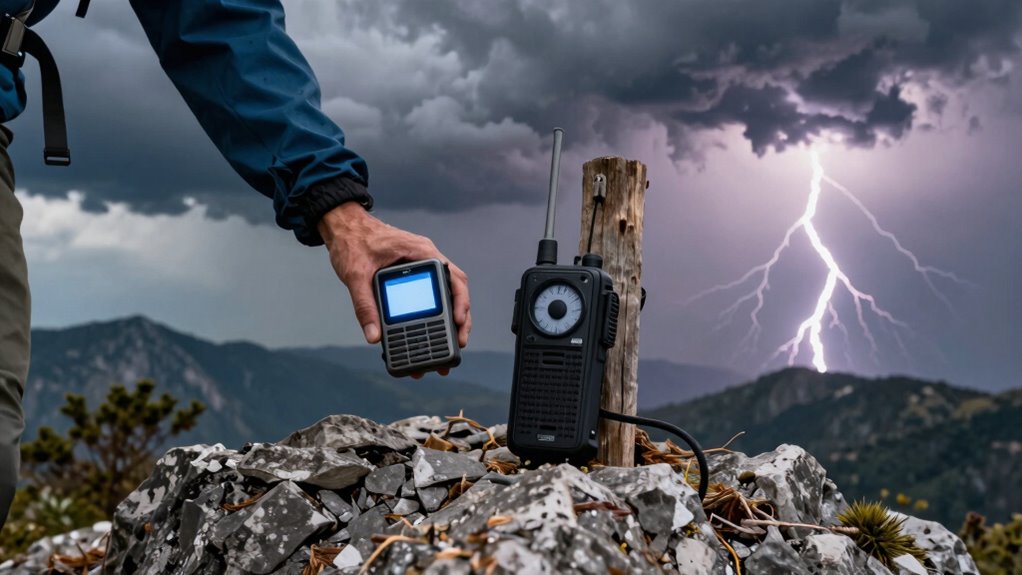
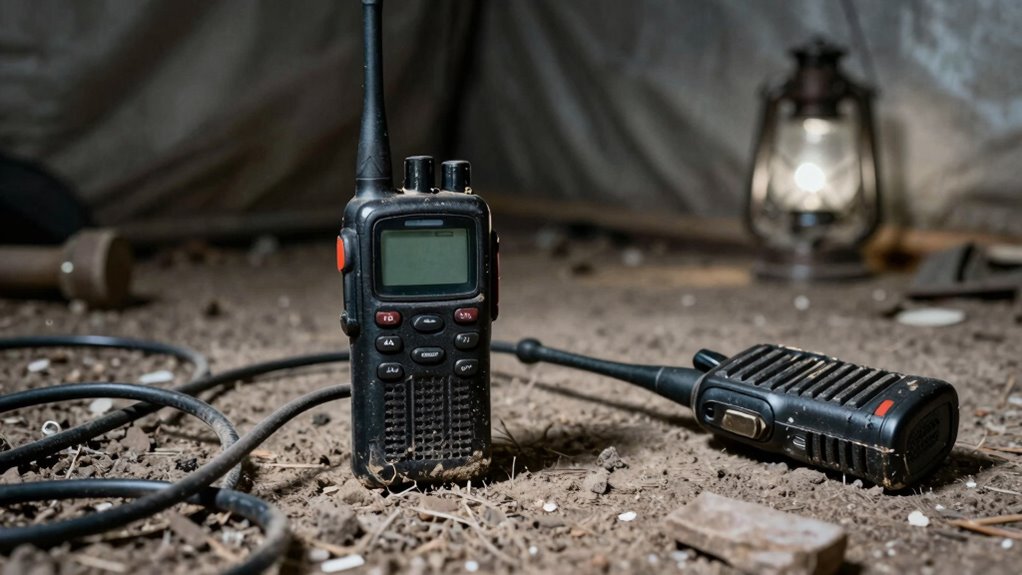
Radios and satellite devices are essential tools that can keep you connected even when traditional communication networks fail. Radio communication allows you to send and receive messages without relying on cell towers or internet, making it reliable in emergencies. Handheld radios, such as walkie-talkies, are portable and easy to use, offering instant communication over short distances. Satellite devices provide satellite connectivity, enabling you to contact emergency services or loved ones from remote areas where cell signals are unavailable. They function independently of terrestrial infrastructure, ensuring you stay connected regardless of local disruptions. Incorporating outdoor communication equipment into your emergency preparedness plan can enhance your safety and connectivity during unexpected situations. Understanding the equipment’s range and capabilities can help you choose the best devices for your specific needs, especially considering time zone differences when coordinating with others across regions. Additionally, selecting devices with local automation features can streamline communication and coordination during crises. Considering the power sources of these devices is also important to ensure they remain operational during extended emergencies.
How Can Community Networks Help When Phones Fail?
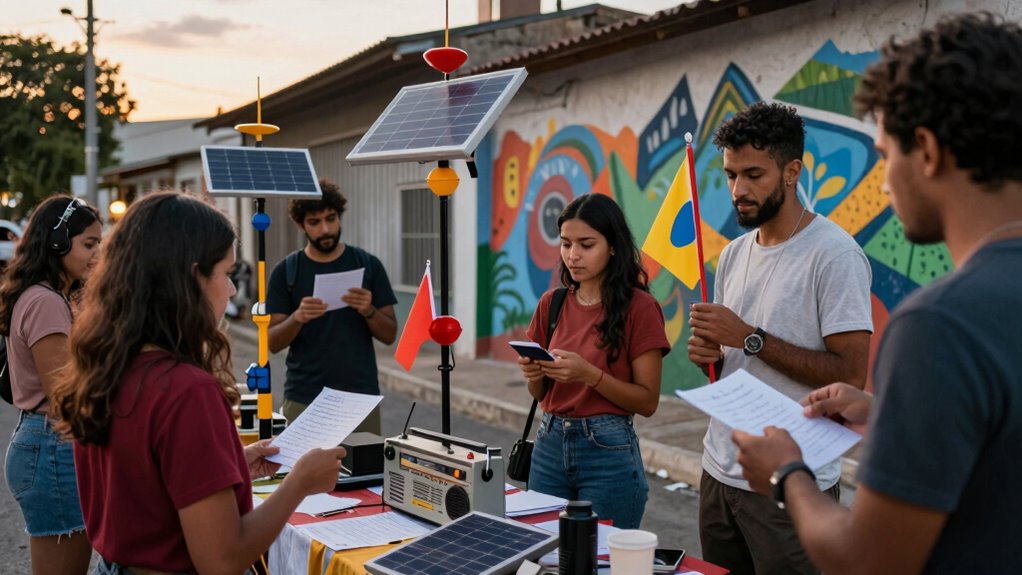
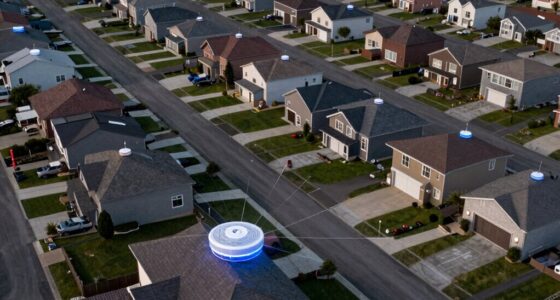
Community networks can be indispensable during emergencies when traditional phone services fail, as they enable neighbors to stay connected and share critical information. A community mesh allows devices to connect directly, creating a local message system that doesn’t rely on cellular or internet providers.
When phones go offline, this decentralized network keeps communication flowing, so you can alert others about hazards, coordinate help, or request resources. Building and maintaining a resilient communication system beforehand ensures that everyone can participate in emergency communication without depending on external infrastructure. This system can also be adapted to include fallback communication methods, ensuring continuous contact even in prolonged outages.
This local message system is resilient, quick to deploy, and adaptable to various situations, making it a fundamental tool for maintaining contact and safety when conventional methods break down. Fundamentals of air-based cooking principles highlight the importance of reliable communication in maintaining safety and coordination during unexpected situations. Additionally, incorporating redundant communication channels can further improve the system’s robustness and effectiveness in crises.
Implementing community-based communication strategies can greatly enhance overall emergency preparedness and response efforts.
How to Create a Backup Communication Plan That Works

Creating a reliable backup communication plan is crucial to guarantee you stay connected during emergencies when primary methods fail. Start by assembling emergency kits with essential supplies, including batteries, flashlights, and portable chargers. Incorporate reliable drive tech like dash cameras or mobile apps that can record and transmit footage if needed. Establish a contact tree, where each person knows who to contact if they can’t reach others. Make sure everyone in your network has a list of alternative contacts, including neighbors or family nearby. Share your plan with all involved, ensuring they understand how and when to use it. Keep printed copies of contact information and emergency kit checklists in accessible locations. Regularly review and update your plan, practicing communication drills. Additionally, consider utilizing auditory processing strategies to improve understanding and response during stressful situations. Incorporating vetted communication methods such as radio devices or satellite phones can further enhance your preparedness. This proactive approach ensures that no matter what happens, you’ll maintain essential connections when it matters most, especially given the importance of emergency communication methods during crises. Incorporating classic arcade games like Ms. Pac-Man or Galaga can also serve as engaging ways to relax and relieve stress during extended emergency situations.
How to Stay Informed Without Your Phone?
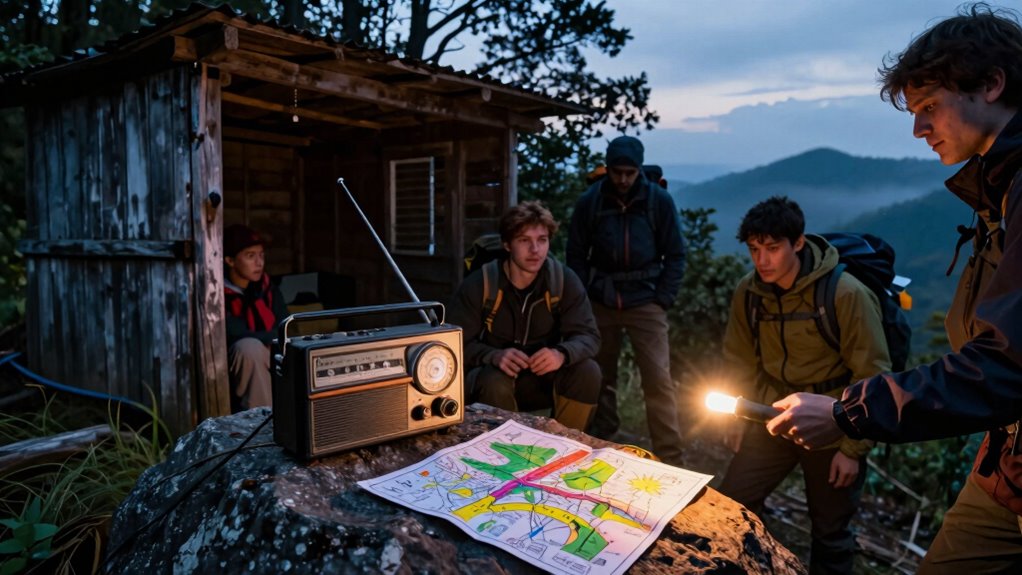
When your phone isn’t available, staying informed requires relying on alternative signaling and community messaging. First, pay attention to visual cues like emergency alerts posted on bulletin boards or signs in your neighborhood. Using whistles or horns can help attract attention and signal for help. Consider setting up visual signals such as flags or colored cloths in visible spots to communicate with neighbors. Listening for community announcements over local radio stations or community loudspeakers can also keep you updated. Establishing a neighborhood message system—like designated runners or bulletin boards—ensures everyone receives essential information. Additionally, emergency preparedness plans that include these non-digital methods can improve your response during communication outages. Incorporating community-based communication strategies, such as neighborhood watch groups or emergency committees, can further enhance coordinated responses. Implementing alternative communication methods like hand signals or written messages can also provide effective ways to share critical information when digital channels are down. Strengthening these methods with local knowledge of community resources can make emergency communication even more reliable. These methods help you remain aware of emergency developments even when digital communication fails, ensuring you can respond promptly and stay safe until official channels are restored.
How Can You Test and Improve Your Emergency Communication Readiness?
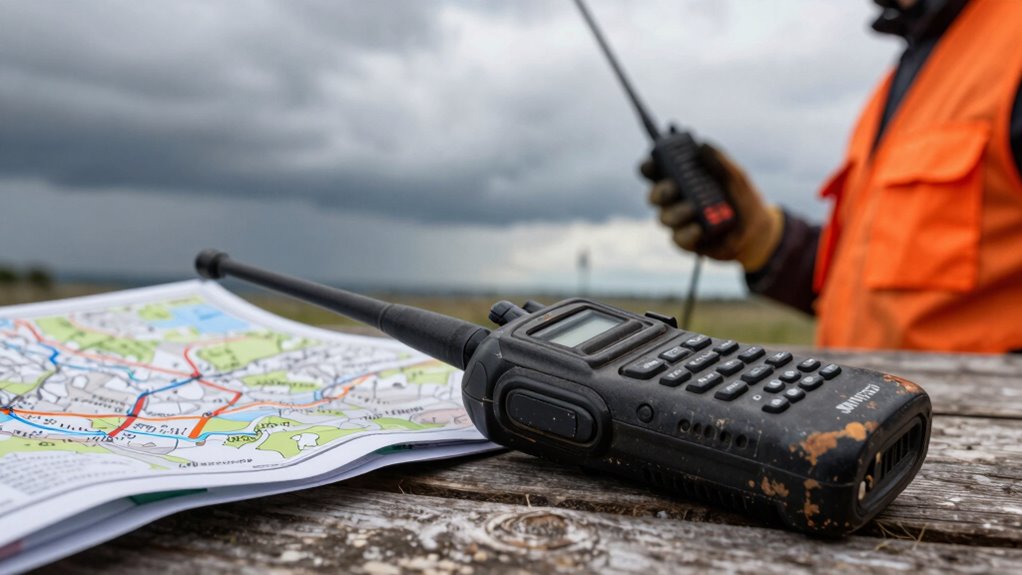
To make certain your emergency communication methods are reliable, it’s vital to regularly test and refine them. Conducting drill exercises and communication drills helps identify weaknesses and build confidence in your plans.
Schedule these drills periodically to simulate different scenarios, ensuring everyone knows their roles. During each exercise, evaluate the effectiveness of your backup methods, like radios or walkie-talkies.
Adjust your strategies based on what you learn, such as improving message clarity or establishing better signal points. Keep records of drills to track progress and highlight areas needing improvement.
Practice with neighbors or community groups to broaden your preparedness network. Consistent testing and refining ensure your communication methods stay effective when emergencies strike.
Frequently Asked Questions
What Are Some Alternative Signal Methods Besides Mobile Devices?
When mobile devices fail, you can use visual signaling like waving a bright cloth or using signal mirrors to catch attention.
Sound signals such as whistles, horns, or shouting can also help alert others nearby. These methods are effective in emergencies, especially when you’re in remote areas.
Always carry basic signaling tools and remember that clear, consistent signals increase your chances of being noticed and rescued quickly.
How Long Do Satellite Communication Devices Typically Last?
Satellite communication devices typically last between 8 to 12 hours on a full battery, depending on usage and model. You should consider their battery longevity and device durability when choosing one for emergencies.
Regularly charging and maintaining the device helps guarantee it’s ready when needed.
Opt for rugged models designed to withstand harsh conditions, so they remain functional even in extreme environments, giving you reliable communication when other methods fail.
Can Emergency Communication Plans Be Effective for Large Communities?
A chain is only as strong as its weakest link, and your emergency plan can be effective for large communities if you focus on community coordination and resource allocation.
When everyone knows their roles and shares resources, communication flows smoothly even when phones fail. You need clear protocols and backup methods, like community meetings or radio networks, to guarantee everyone stays informed and prepared during crises.
What Types of Non-Electronic Signals Are Most Reliable in Disasters?
You should rely on visual signaling and auditory cues during disasters, as they’re highly reliable when electronic devices fail. Use visible signals like flashlights, reflective objects, or waving cloth to catch attention visually.
Auditory cues such as whistles, horns, or shouting can also alert others nearby. Combining these methods increases your chances of effective communication, ensuring help or information reaches you even when modern technology isn’t available.
How Often Should I Practice My Emergency Communication Plan?
You should practice your emergency communication plan at least twice a year, ensuring familiarity and readiness. Regular drills help identify weaknesses, reinforce procedures, and build confidence.
During each practice, update your plan to reflect any changes in contacts or methods. By maintaining a consistent schedule, you stay prepared, adapt to new circumstances, and improve your chances of effective communication when emergencies strike.
Conclusion
When phones fail, you might feel isolated, but that’s when true connection begins. While digital tools offer convenience, non-digital methods remind us that human resilience and community bonds are timeless. In emergencies, it’s not just about technology—it’s about staying adaptable and prepared. Remember, in chaos, simple communication can be your lifeline, proving that sometimes, the most basic methods are the most powerful. Be ready, stay connected, and trust in your community’s strength.