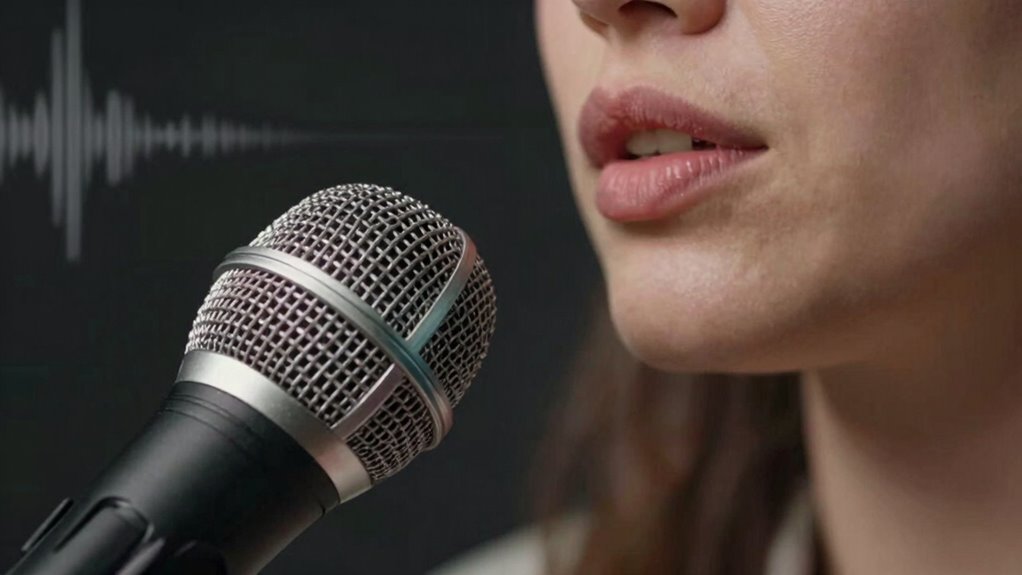

Your voice sounds weird on recordings because of how your inner ear perceives vibrations through your skull, which makes your voice seem deeper and richer internally. Recordings only capture air-conducted sound, missing these internal vibrations and resonances, so they seem higher-pitched and thinner. External factors like room acoustics and microphone placement also play roles in shaping the sound. If you keep exploring, you’ll discover ways to make your recordings sound more natural and true to how you really sound.
Key Takeaways
- Internal vibrations and bone conduction make your voice sound deeper and fuller internally, but recordings only capture air-conducted sound, causing differences.
- Recordings miss the internal vibrational cues from bones and tissues, making your voice seem higher-pitched and unfamiliar.
- External factors like room acoustics, echo, and background noise can distort how your voice sounds in recordings.
- Microphone placement, vocal technique, and warm-up exercises influence the naturalness and clarity of recorded voices.
- Your perception of your voice is shaped by internal bone conduction, psychological factors, and cultural influences, leading to the “weird” sound on recordings.
Why Does My Voice Sound So Weird on Recordings?
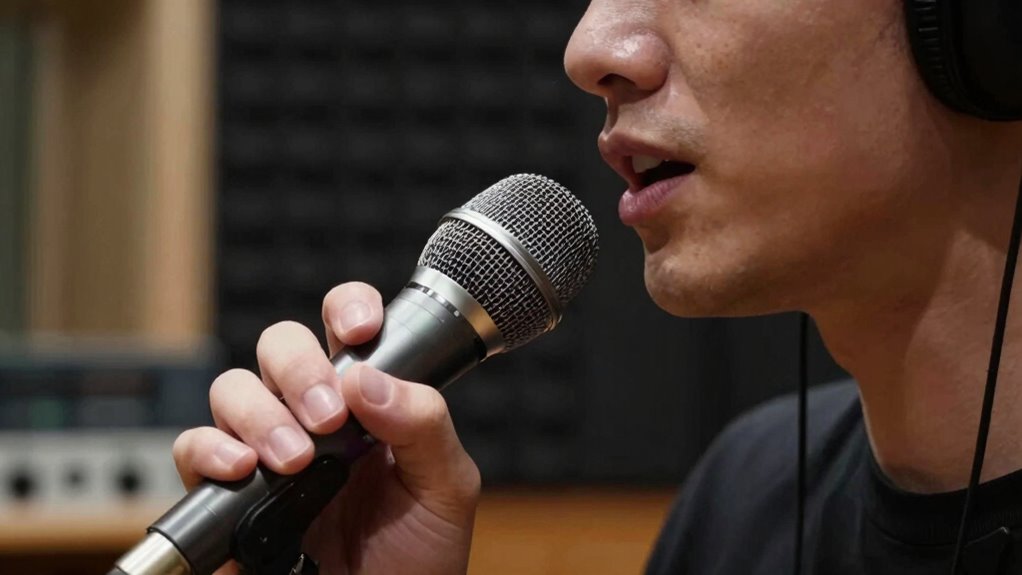
When you hear your voice on a recording, it often sounds strange or unfamiliar. That’s because your sound perception differs from what others hear. Normally, when you speak, your inner ear plays a key role in how you perceive your voice. It picks up vibrations from inside your skull, giving your voice a deeper, fuller quality. But recordings capture only the sound transmitted through the air, missing the internal vibrations your inner ear detects. This difference causes your recorded voice to sound higher-pitched, thinner, or just plain weird. Your brain is used to the combined sensations of internal and external sound, so hearing only the external sound can feel unfamiliar. Essentially, your voice on record isn’t wrong — it’s just missing that internal sound perception your brain expects. Additionally, the way your brain processes sound perception can influence how you interpret the differences between your live voice and the recorded one. This phenomenon is related to the way your auditory system integrates multiple sources of sound, including internal and external cues, which can alter your perception of your own voice. The brain’s perception of sound is also influenced by personal expectations and prior experiences, making the discrepancy even more noticeable. Understanding these perceptual differences can help you accept how your voice actually sounds to others.
How Bone Conduction Affects How We Hear Our Own Voice

Your bones carry sound vibrations directly to your inner ear, giving you a different sense of your voice. This bone conduction bypasses the air in your ears and changes how you perceive your own voice. Understanding how this works explains why your voice sounds strange on recordings compared to what you hear inside your head. Additionally, bone conduction technology plays a role in how we experience sound in various devices and hearing aids, further highlighting the importance of this process. Recognizing the contrast ratio in sound quality can also influence the way audio is processed in these technologies. This phenomenon is a key reason why audio engineers and device manufacturers focus on optimizing audio fidelity for clear sound reproduction. Appreciating this process helps us understand how hearing works and the complexities behind sound perception.
Bone Conduction Mechanics
Bone conduction plays a crucial role in how you perceive your own voice. When you speak, vibrational transmission travels through your skull, bypassing the outer and middle ear. These vibrations are absorbed by the skull acoustics, sending sound directly to your inner ear via bone conduction. This process makes your voice sound fuller and deeper to you because you’re hearing not just the air-conducted sound from your mouth, but also the vibrations transmitted through your skull. The mechanics of bone conduction ensure that your own voice is perceived differently internally than it sounds on recordings, which only capture the air-conducted sound. Additionally, awareness of the science of sound transmission can help you better understand how perception influences your experience of your own voice. Recognizing the physiological mechanisms involved can also explain why recordings often seem unfamiliar or “off.” Understanding how bone conduction works can further clarify the difference between internal perception and recorded sound, highlighting the importance of auditory perception in how we experience our own voice. For example, the variation in piercing materials can influence how sound vibrations are transmitted, subtly affecting how you perceive your voice internally.
Impact on Perception
Because bone conduction transmits vibrational energy directly to your inner ear, it substantially alters how you perceive your own voice. This creates a perception distortion, making your voice sound deeper or different than recordings reveal. Your brain relies on this internal sound for self-awareness, producing an auditory illusion that your voice is richer and more resonant. When you hear a recording, it lacks the bone-conducted component, causing your perception to shift and often sound unfamiliar or “off.” This discrepancy can be jarring, emphasizing how much bone conduction influences your sense of self. Understanding this impact helps explain why your recorded voice sounds strange—your brain is used to the internal vibrational cues that recordings simply don’t reproduce. Recognizing the role of sound perception can help you better understand how we process auditory information about ourselves, especially in relation to self-awareness and how our perception differs from external recordings. This knowledge highlights the importance of auditory processing in shaping our self-image and confidence. Additionally, being aware of hearing mechanisms can improve your understanding of why these differences occur.
Why Do Recordings Sound Different Than What I Hear in My Head?

When you listen to a recording of your voice, it sounds different because of how vibrations travel inside your skull versus how external sounds reach your ears. Your bones conduct sound differently than the air outside, which changes what you perceive internally and externally. This difference causes your recorded voice to feel unfamiliar compared to what you hear in your head. Additionally, understanding how sound conduction works can help explain why these differences occur. Recognizing the role of ethical hacking in maintaining security can also shed light on the importance of protecting your personal data during recordings and online interactions. Exploring cultural impact can provide further insight into how technological changes influence our perception of self and expression. Being aware of sound quality factors can improve how you record and listen to your voice, making your experience more comfortable. Embracing creative storytelling techniques can make your voice more engaging and memorable, even if it sounds different to you.
Bone Conduction Effect
Your voice sounds different on recordings because of the way sound vibrations travel through your skull. This is known as the bone conduction effect, which bypasses your outer and middle ear. When you speak, you hear a mix of airborne sound and vibrations transmitted through your bones, creating auditory illusions that make your voice seem richer and deeper. Recordings, however, only capture the airborne sound, missing the bone-conducted component. This discrepancy can trigger sound hallucinations, where your brain interprets the missing vibrations as strange or unfamiliar sounds. As a result, your recorded voice feels off or weird compared to what you hear in your head. Understanding this effect highlights how your perception is shaped by multiple pathways, not just the air vibrations your microphone captures. Recognizing the innovative European cloud servers used in digital audio processing can help improve recording technology and better replicate the way we perceive sound.
Vibrations Inside Skull
While bone conduction explains part of why your voice sounds different on recordings, it doesn’t tell the whole story. Inside your skull, vibrations travel through your bones and tissues, reaching your inner ear via vibration transmission. This process causes you to perceive your voice differently than others hear it. The vibrations inside your skull are transmitted directly to your inner ear, bypassing the air-filled ear canal. This internal conduction emphasizes lower frequencies, giving your voice a deeper, fuller sound in your head. When you listen to a recording, you miss these internal vibrations, which alters your perception. Here’s a comparison:
| Perception Source | Pathway | Effect on Sound |
|---|---|---|
| Internal vibrations | Vibration transmission inside skull | Warms the sound with depth |
| External sound | Air conduction | Lacks internal resonance |
| Bone conduction | Bones transmitting vibrations | Adds richness to voice |
This explains why recordings sound different from your internal experience.
External vs. Internal Sound
Recordings often sound different from what you hear in your head because they capture external sound waves traveling through the air, not the internal vibrations your bones and tissues transmit. When you speak, your voice reaches your inner ear through sound transmission in two ways. First, it travels through the air, which a microphone picks up. Second, some vibrations are conducted directly through your skull bones, reaching your inner ear internally. This internal transmission amplifies lower frequencies and alters your perception of your voice’s true tone. As a result, recordings lack this internal boost, making your voice sound thinner or different from what you hear internally. Understanding this difference highlights why recordings can seem unfamiliar and sometimes “off” compared to your personal experience of your voice.
How Room Acoustics and External Noise Change Voice Recordings
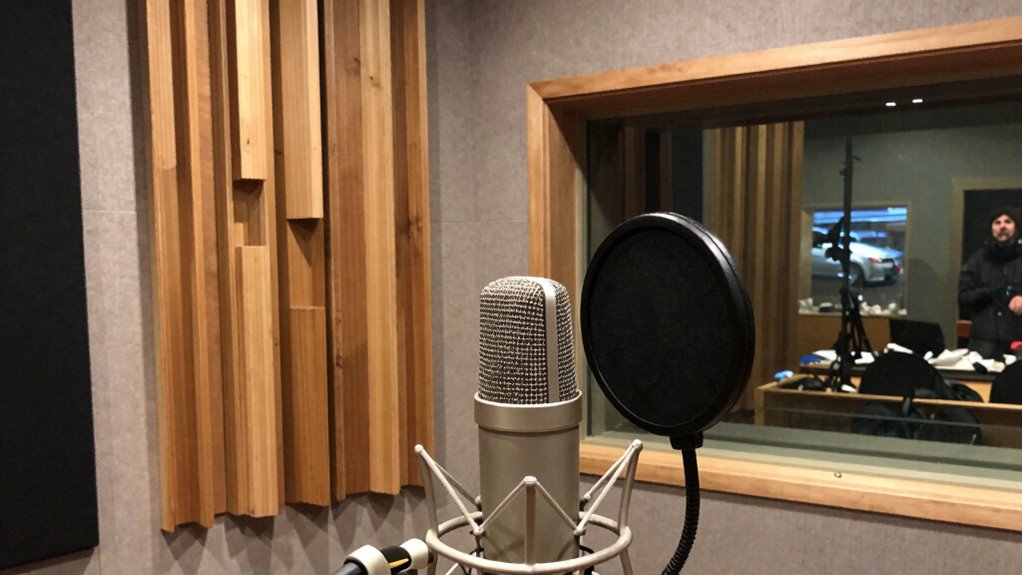
Room acoustics and external noise play a significant role in shaping how your voice sounds on recordings. When your voice hits the microphone, room reflection can cause echoes or muffling, altering its natural tone. Hard surfaces like concrete or glass reflect sound waves, creating a fuller, sometimes boomy sound, while soft materials like curtains absorb sound, making your voice clearer but duller. External noise interference, such as traffic or chatter, can also sneak into recordings, muddying the audio and distracting from your voice. These factors combine to distort your natural sound, making your voice seem different from what you hear in your head. To improve recordings, minimize external noise and optimize room acoustics with sound-absorbing materials.
How Your Voice’s Resonance Shapes Its Unique Sound

Your voice’s unique sound is shaped by how sound waves resonate within your vocal tract, amplifying certain frequencies. Bone conduction also plays a role by transmitting vibrations directly to your skull, altering how you perceive your voice. Understanding these factors helps explain why your recorded voice sounds different from what you hear in your head.
Vocal Tract Resonance
Vocal tract resonance plays a crucial role in shaping the unique sound of your voice. When you speak or sing, your vocal fold dynamics produce raw sound, but the resonance chambers—your mouth, throat, and nasal passages—filter and amplify these vibrations. These chambers determine which frequencies are emphasized, giving your voice its distinctive tone. Small changes in the shape or size of these resonance chambers can dramatically alter how you sound. For example, the length and shape of your oral cavity influence the resonance peaks, creating the rich or bright qualities of your voice. Understanding this, you can see why even slight adjustments can make your voice sound different on recordings, highlighting the importance of resonance in conveying your true vocal character.
Bone Conduction Effect
While resonance chambers shape how your voice sounds externally, bone conduction adds another layer to your vocal signature. When you speak, vibrations travel through your skull bones directly to your inner ear, bypassing air conduction. This process influences how you perceive your voice, making it sound deeper and richer to you. The sound transmission through bones enhances certain frequencies, contributing to your unique vocal tone. Your brain combines these bone-conducted sounds with air-conducted ones, creating a complex perception. Understanding this effect explains why recordings often sound different—you’re missing the bone conduction cues. Here’s a visual overview:
| Aspect | Effect on Voice Perception |
|---|---|
| Inner Ear | Receives sound via bone conduction |
| Sound Transmission | Travels directly through skull bones |
| Resonance | Adds depth and richness to your internal perception |
| External Sound | Air-conducted, captured by microphones |
| Personal Sound | Influences how you perceive your own voice |
Why Does My Voice Seem Muffled or Deeper on Recordings?

When you listen to recordings of your voice, it often sounds muffled or deeper than you expect. Several factors contribute to this perception:
- Your voice’s natural resonance shifts during speech, affecting how deep it sounds.
- Recording equipment, especially microphones, may emphasize lower frequencies, making your voice seem muffled.
- Poor vocal warm-up can cause your voice to lack clarity and brightness on recordings.
To improve, start with a good vocal warm-up to enhance clarity and tone. Choosing quality recording equipment also helps capture a truer sound. Keep in mind, your perception of your voice differs from how others hear it because recordings bypass the internal bone conduction and resonances you’re used to. These elements all combine to make your recorded voice seem deeper or muffled compared to what you hear in person.
How Microphone Placement Changes Your Voice in Recordings
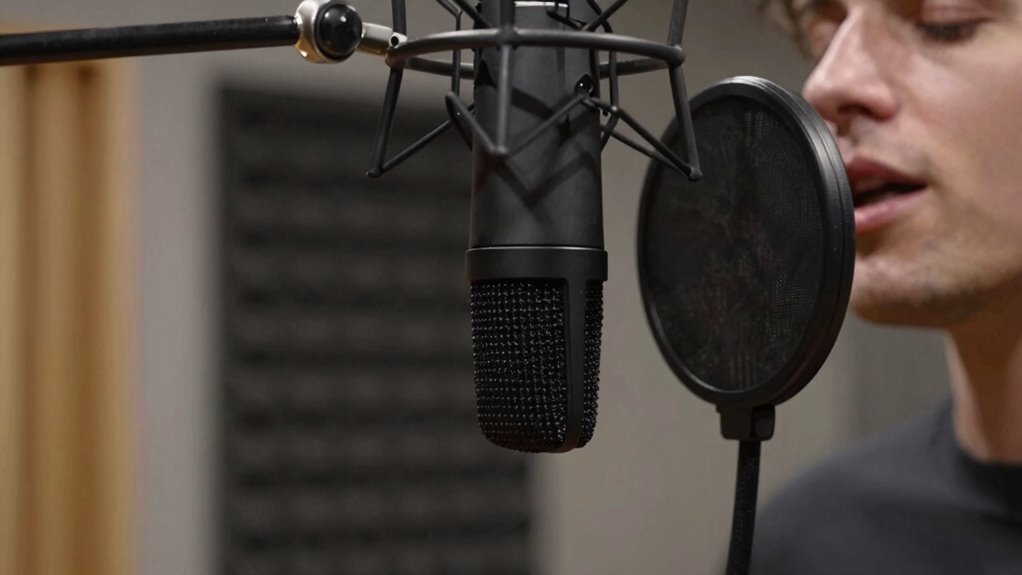
Microphone placement plays a crucial role in how your voice sounds on recordings. The way you position the microphone affects sound capture, influencing tone, clarity, and volume. If you hold the mic too far away, your voice may sound thin or distant, missing warmth and richness. Placing it too close can cause distortion or exaggerated bass, making your voice sound boomy. Moving the microphone slightly off-axis can reduce plosive sounds and sibilance, resulting in a cleaner recording. Experimenting with different placements helps you find the sweet spot that captures your voice naturally. Proper microphone positioning ensures your voice is recorded accurately, highlighting your vocal qualities without unwanted noise or distortion. Small adjustments can markedly improve the overall sound and authenticity of your recordings.
Common Myths About Why Your Voice Sounds Strange

Many people believe that their voice sounds strange on recordings because of inherent flaws or quirks in their vocal cords. However, this is a myth. Your perception of your voice is shaped by psychological perception and cultural influences, not physical flaws. You might think your voice is off because:
- You’re used to hearing it through bone conduction, which alters how you perceive it.
- Cultural norms influence how you judge your own voice, making it seem unfamiliar or strange.
- Psychological factors, like self-awareness or anxiety, distort your perception, making your voice seem unusual.
In reality, your recorded voice is a true reflection of how others hear you, unaffected by internal perception. The “strangeness” is largely a perception issue, not a physical flaw.
Tips to Make Your Voice Recordings Sound More Natural
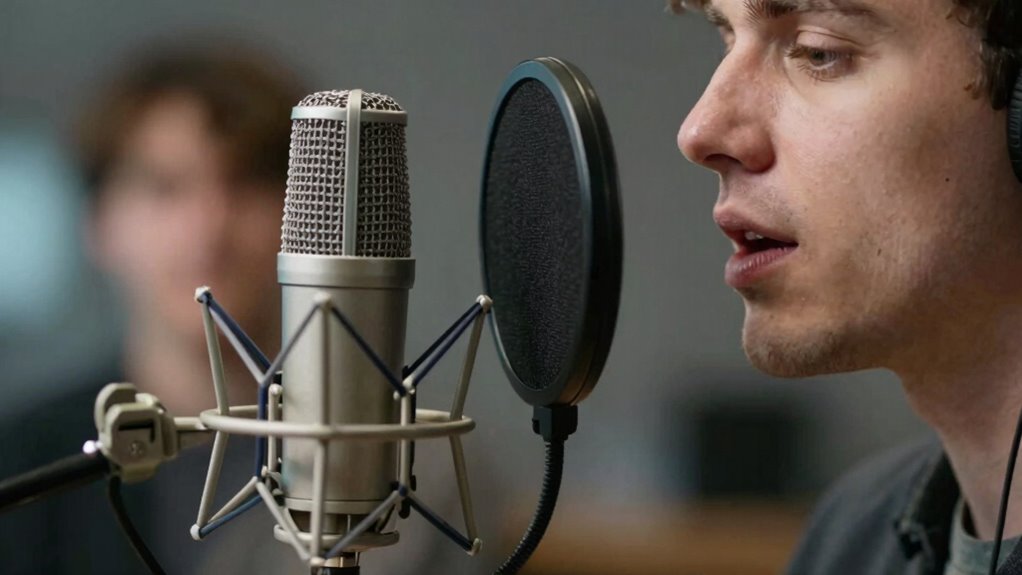
To make your voice recordings sound more natural, focus on practicing good microphone technique and controlling your breathing. Keep the microphone at a consistent distance to avoid unwanted audio feedback, which can distort your voice. Be mindful of your vocal pitch—finding a steady, comfortable tone helps your recording sound more genuine and less strained. Before recording, do some warm-up exercises to relax your vocal cords, reducing tension that can cause unnatural sound. During recording, breathe evenly and avoid rapid inhalations or exhalations that may create irregular audio feedback or disrupt your pitch. Regularly check your recordings to ensure your voice sounds natural, adjusting your technique as needed. These simple steps will help you produce clearer, more authentic voice recordings.
What Science Tells Us About Improving Voice Recordings
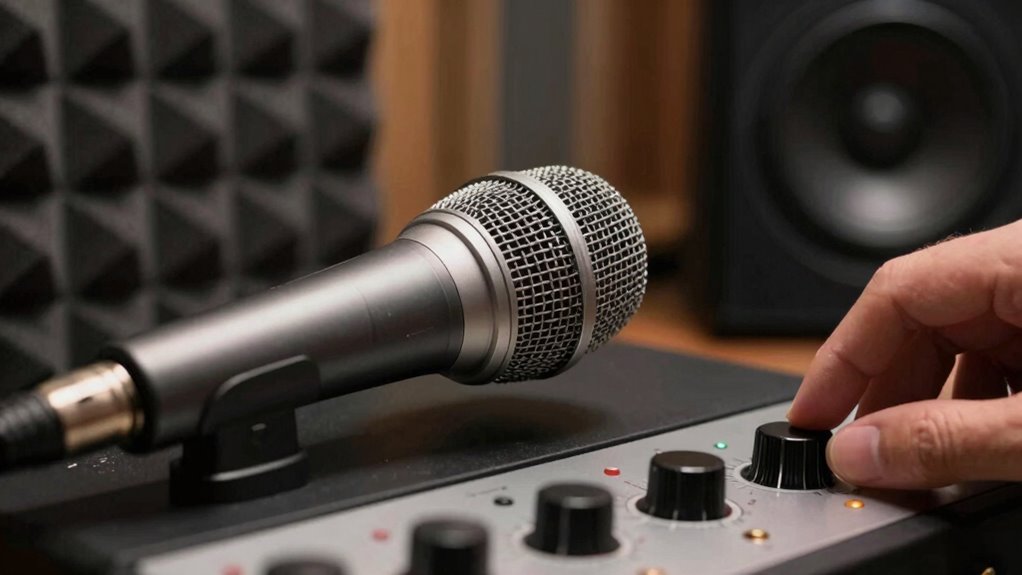
Have you ever wondered what scientific research reveals about enhancing the quality of your voice recordings? Studies in audio perception and vocal anatomy show that small adjustments can make a big difference. To improve your recordings, focus on:
- Understanding how your vocal anatomy influences sound production
- Using proper microphone placement to capture your voice accurately
- Practicing vocal techniques that optimize resonance and clarity
Research indicates that mastering these elements reduces distortions caused by how you perceive your voice internally versus how others hear it. When you align your vocal output with how your vocal anatomy naturally projects sound, your recordings sound more natural and professional. Implementing these science-backed tips helps you control the acoustic environment and refine your vocal delivery, making your recordings clearer and more compelling.
Frequently Asked Questions
How Does Microphone Quality Influence Voice Recording Quality?
Microphone quality greatly impacts your voice recording because higher-quality mics have better sensitivity, capturing more detail and nuance. If your microphone isn’t sensitive enough, your voice may sound dull or muffled. The recording environment also plays a role; a good microphone can pick up background noise if the environment isn’t controlled. Investing in a quality microphone and recording in a quiet space guarantees clearer, more professional-sounding recordings.
Can Vocal Training Change How My Voice Sounds on Recordings?
Yes, vocal training can change how your voice sounds on recordings. By practicing vocal exercises, you improve your pitch control, which helps you stay consistent and clear. These exercises strengthen your vocal muscles, enabling you to produce a more balanced and resonant sound. Over time, you’ll notice a more polished voice on recordings, and your overall vocal quality will become more confident and expressive.
Why Do Different Recording Devices Capture My Voice Differently?
Different recording devices capture your voice differently because of variations in vocal cord physics and sound wave interference. Microphones interpret sound waves based on their design, sensitivity, and placement, which affects how they pick up your voice’s unique qualities. Some devices may emphasize certain frequencies or distort sound due to interference patterns, making your voice sound different. Understanding these factors helps you choose the right equipment for clearer, more accurate recordings.
How Does Background Noise Impact Voice Clarity in Recordings?
Background noise can markedly reduce your voice clarity in recordings. Audio interference from ambient sounds creates a cluttered soundscape, making it hard to distinguish your voice. Sound masking, like fans or background chatter, further complicates this by blending your voice into the noise. To improve clarity, use noise-canceling microphones and record in quiet environments, minimizing audio interference and ensuring your voice stands out clearly.
Do Recording Settings Affect How Natural My Voice Sounds?
Like a painter chooses their palette, your recording settings shape how natural your voice sounds. They influence voice modulation and capture your tone accurately. If you select the right environment and settings, your voice will resonate authentically, avoiding unnatural echoes or distortions. Adjusting microphone sensitivity, placement, and room acoustics helps create a recording that reflects your true voice, making it sound more genuine and natural.
Conclusion
So, next time your voice sounds utterly alien on a recording, remember—it’s not you, it’s science working against you! Your bones, room, and mic placement conspire to make your voice sound completely different. But don’t panic! With a few simple tweaks, you can tame the strange, otherworldly sound and make your recordings sound almost like you’re right there, whispering in someone’s ear. Embrace the weirdness, then master it!