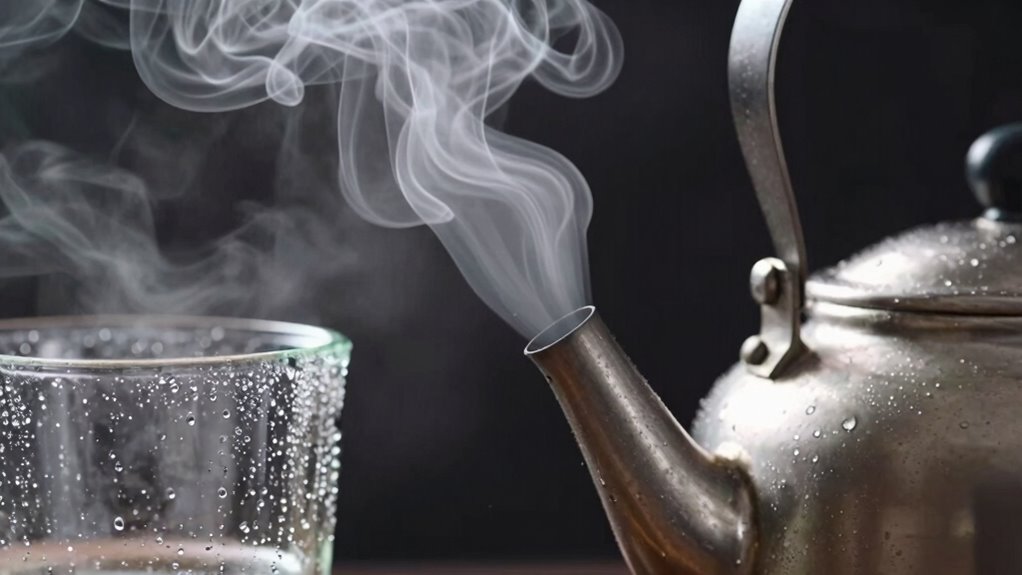

You’ll see that steam is visible, dense, and hot, while vapor is invisible and can exist at lower temperatures. Humid air contains both vapor and steam, which impact comfort and indoor quality differently. Steam carries significant heat and can promote mold if not ventilated, whereas vapor influences humidity subtly. Understanding these differences helps you control environments better—if you keep exploring, you’ll discover how to manage them effectively for comfort and safety.

Prime made for students and young adults
- Fast, free delivery for dorm and study essentials
- Prime Video and Amazon Music included
- Member-only deals
Key Takeaways
- Steam is water in gaseous form at high temperatures, usually above 100°C, and is visible with significant heat energy.
- Vapor is water in gaseous form at lower temperatures, often invisible unless it condenses into tiny water droplets.
- Humid air contains water vapor; added moisture increases humidity but does not necessarily produce visible steam.
- Steam carries more heat energy and impacts thermal comfort more significantly than vapor or humid air.
- Proper control of vapor and steam is essential for indoor air quality, comfort, and preventing condensation or mold.
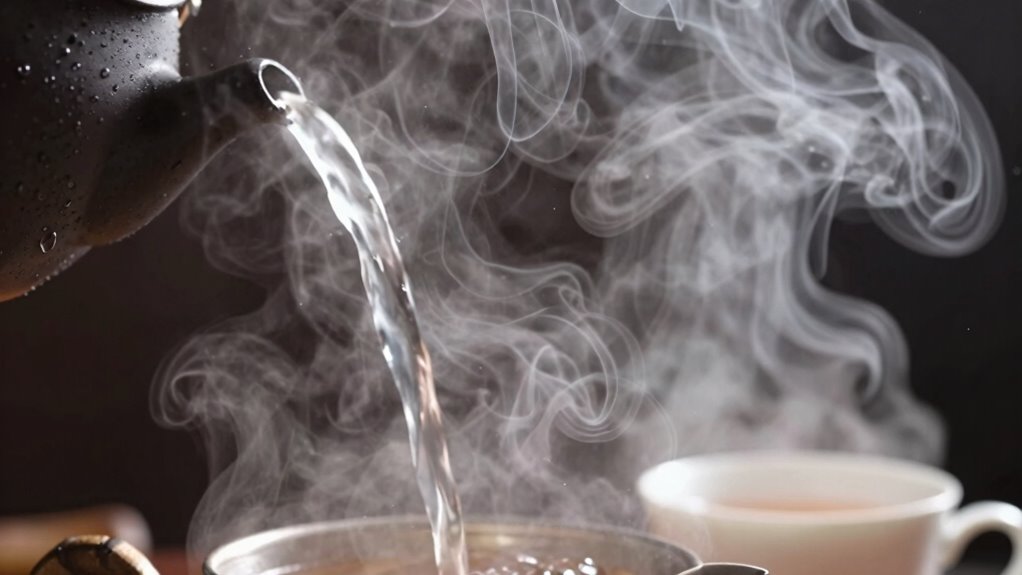
Understanding the differences between steam, vapor, and humid air can be confusing because these terms are often used interchangeably. Yet, grasping what sets them apart is key to understanding how they impact your environment, especially when it comes to thermal comfort and air quality. When you encounter steam, you’re dealing with water in its gaseous state at high temperature, typically above 100°C (212°F). It’s visible, dense, and carries considerable heat energy, which can make a space feel much warmer. Steam can influence your thermal comfort by increasing the perceived temperature, but it can also affect air quality if not properly managed, as excess moisture can promote mold or bacteria growth. The presence of water vapor in the air can also affect how heat is transferred within a space, impacting overall indoor comfort and efficiency. Vapor, on the other hand, refers to water in its gaseous form at lower temperatures, often below boiling point. It’s invisible and can exist in the air without raising the temperature substantially. You experience vapor daily, especially in humid environments or when you breathe in moist air. Vapor impacts your thermal comfort subtly; high humidity levels can make you feel sticky and uncomfortable, even if the temperature isn’t high. It also plays a critical role in air quality because excessive vapor can lead to condensation problems, mold growth, and deterioration of indoor materials if not controlled. Proper ventilation and humidity regulation are essential to maintain a healthy balance and preserve good air quality. Additionally, understanding the distinction between vapor and steam helps in selecting appropriate dehumidification or humidification methods for different environments. Recognizing these differences can also help you better evaluate and control indoor humidity levels for improved comfort and health. Being aware of the impact of moisture on indoor environments can assist in preventing long-term issues related to excess humidity, which underscores the importance of monitoring indoor moisture content regularly.
humidifier for indoor humidity control
As an affiliate, we earn on qualifying purchases.
As an affiliate, we earn on qualifying purchases.
Frequently Asked Questions
How Do Temperature Differences Affect Steam, Vapor, and Humid Air?
Temperature effects play a vital role in phase shifts of steam, vapor, and humid air. When temperatures rise, water molecules gain energy, turning liquid into vapor or steam. Conversely, cooling causes condensation, transforming vapor back into liquid. These temperature differences directly influence whether air feels moist or dry, affecting how we experience humidity. Understanding these effects helps you predict changes in state and humidity levels easily.
Can Vapor Turn Into Steam Without Boiling?
Vapor can’t turn into steam without boiling because steam forms through steam evaporation during boiling. When vapor condenses, it becomes liquid again, so vapor itself doesn’t transform into steam unless the liquid reaches its boiling point. Temperature differences cause vapor to condense or evaporate, but turning vapor into steam requires heating the liquid until it boils. Fundamentally, vapor condensation stops vapor from becoming steam unless you apply enough heat.
What Are Common Uses of Each in Everyday Life?
You might think these forms are only for industrial or culinary use, but they’re everywhere in daily life. Steam heats your home and sterilizes medical equipment, vapor helps humidify dry air, and humid air improves comfort indoors. In cooking, steam cooks vegetables quickly, vapor enhances flavors, and moist air prevents dryness. Understanding these differences helps you better utilize each form for comfort, health, and culinary excellence.
How Does Humidity Impact Human Health?
Humidity effects your respiratory health directly. When humidity levels are too high, it can cause stuffiness, worsen asthma, and promote mold growth, which irritates your lungs. Too low, and your airways may dry out, leading to sore throats and increased infection risk. Maintaining ideal humidity helps protect your respiratory health, preventing discomfort and illness. You should aim for balanced humidity levels to keep your lungs comfortable and healthy.
Are There Environmental Impacts From Steam and Vapor Production?
You might be surprised to learn that steam and vapor production contribute considerably to environmental impacts. Industrial emissions from these processes release greenhouse gases, affecting climate change. Additionally, large-scale steam generation consumes vast amounts of water, raising concerns about water conservation. To reduce these impacts, industries are adopting cleaner technologies and recycling water. By understanding these effects, you can support initiatives that promote sustainable practices and protect the environment.
steam vaporizer for health and comfort
As an affiliate, we earn on qualifying purchases.
As an affiliate, we earn on qualifying purchases.
Conclusion
Understanding the differences between steam, vapor, and humid air helps you grasp everyday phenomena better. Did you know that over 60% of the Earth’s surface is covered in water vapor, highlighting its essential role in climate? By recognizing these distinctions, you can better appreciate how weather, industrial processes, and even your home humidity levels work. Next time you see steam or feel humid air, you’ll know exactly what’s happening behind the scenes, making you more aware of the world around you.
dehumidifier for mold prevention
As an affiliate, we earn on qualifying purchases.
As an affiliate, we earn on qualifying purchases.
air quality monitor for moisture levels
As an affiliate, we earn on qualifying purchases.
As an affiliate, we earn on qualifying purchases.
Fall Picks
fall essentials
As an affiliate, we earn on qualifying purchases.