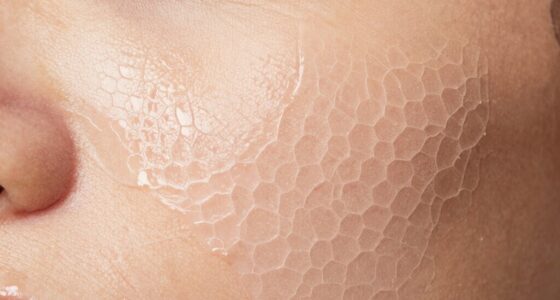

In winter, dry air causes static charges to build up on your skin and belongings because there’s less moisture to carry away electrons. Wearing synthetic fabrics or touching carpets and metal objects increases static buildup and shocks. Cold weather reduces humidity further, making shocks feel stronger and more frequent. If you’re curious about how to prevent these shocks or want tips to stay comfortable, there’s more to discover below.
Key Takeaways
- Dry winter air reduces moisture, preventing static electricity from dissipating naturally and increasing static shock occurrences.
- Insulating winter clothing made of wool, fleece, or synthetic fabrics traps electrons, leading to static buildup.
- Friction from synthetic fabrics and surfaces like carpets enhances static charge accumulation on skin and clothing.
- Cold, dry conditions decrease electrical conductivity, making static discharges feel stronger and more noticeable.
- Lower humidity levels hinder static dissipation, causing static charges to accumulate and resulting in more frequent shocks.

CASE ELEGANCE Winter + Dry Climate Klaro Humidor Solution Single Bottle – Special Formula to Help Maintain Humidity in Winter & Dry Climates 250 ml
WINTER + DRY CLIMATE MIX – A special formula designed for those living in consistently dry climates. It…
As an affiliate, we earn on qualifying purchases.
As an affiliate, we earn on qualifying purchases.
Why Do Static Shocks Happen More in Winter?

Static shocks occur more often in winter because the air is drier, which makes it easier for electrons to build up on your body. When you wear your winter wardrobe—think wool sweaters, fleece jackets, and synthetic fabrics—you create more opportunities for electrostatic buildup. These materials don’t conduct electricity well, so electrons accumulate on your surface rather than dispersing. As you move and brush against different surfaces, the static charge increases. Once it reaches a certain point, touching a metal object or another person discharges the built-up electrons, giving you that familiar shock. Your winter wardrobe, combined with low humidity, amplifies this process, making static shocks more frequent and noticeable during the colder months. Additionally, insulating fabrics tend to trap electrons more effectively, further intensifying static buildup in winter. The low humidity levels in winter prevent the natural dissipation of static electricity, contributing to more frequent shocks. Electrostatic discharge occurs when the built-up charge is suddenly released, often accompanied by a small spark or shock. The absence of moisture in the air is a key factor that worsens static buildup, making shocks even more prominent.

Wool Sweater Shrinkage Restorer, 10 Pieces Tablet, Anti Static Sweater Shrinking Restorer, for Hand Wash Wool, Cashmere, Knit Fibre, Shape, Softness, Color Repair
Safe Ingredient: Sweater Revive Effervescent Tablets maintain the natural color of wool and cashmere garments while providing gentle…
As an affiliate, we earn on qualifying purchases.
As an affiliate, we earn on qualifying purchases.
How Do Dry Air and Humidity Levels Affect Static Shocks?

When the air around you is dry, static shocks become more frequent and noticeable. Low humidity levels cause your body to build up static charge quickly, leading to those surprising jolts. Using a humidifier can add moisture to the air and help reduce static shocks. Incorporating proper humidity control can also improve overall comfort and protect electronic devices from static damage. Maintaining optimal air moisture levels is essential for reducing static electricity and enhancing your environment. Additionally, understanding humidity levels can help you better manage static buildup during the winter months.
Dry Air Increases Static
Dry air makes static shocks more common because it doesn’t contain enough moisture to conduct electricity away from your body. Without sufficient humidity, electrostatic buildup occurs easily on your skin and clothing. When you touch a conductive material, like a doorknob or metal surface, the built-up charge discharges suddenly, causing a shock. In humid environments, moisture forms a thin layer on surfaces, helping to dissipate static electricity naturally. But in dry conditions, the lack of moisture prevents this transfer, allowing static charges to accumulate. This buildup becomes intense enough that even simple contacts release a shock. Understanding that dry air hampers the ability of conductive materials to safely conduct static electricity explains why static shocks are more frequent during winter months when indoor air is especially dry. Additionally, air quality plays a significant role in static buildup, as cleaner, less humid air tends to increase the likelihood of shocks. Furthermore, humidity levels directly influence how easily static electricity dissipates, emphasizing the importance of maintaining proper indoor humidity for comfort and safety. Proper humidity control can significantly reduce static shocks and improve overall comfort during winter months, especially in environments with poor air circulation.
Low Humidity Sparks Charge
Have you ever wondered why static shocks happen more often during winter? Low humidity causes dry air, making it easier for static electricity to build up. When your body contacts metal conductors, like door handles or appliances, the charge discharges suddenly. Without enough moisture in the air, electrical grounding becomes less effective, trapping electrons on your skin. This process can be explained through these points:
- Dry air reduces moisture, limiting conduction.
- Metal conductors can store static charge longer.
- Low humidity hampers natural dissipation of static.
- Electrical grounding is less effective, increasing shock likelihood.
- Innovative European Cloud Servers are designed to optimize energy efficiency and security, even in environments with fluctuating humidity levels.
Understanding this, you see how dry air creates the perfect environment for static buildup. It’s not just about discomfort but also about the way the environment influences electrical charge and grounding.
Humidifiers Reduce Shocks
Humidifiers can considerably reduce static shocks during winter by increasing indoor moisture levels. When you maintain your humidifier properly, it functions efficiently, adding necessary humidity to the air and preventing dry conditions that cause static buildup. Additionally, keeping indoor plants helps maintain humidity naturally, reducing static electricity even further. Proper humidifier maintenance, like regular cleaning, prevents mold and guarantees ideal performance, which is essential for reducing static shocks. By balancing humidity levels, you minimize the charge that builds up on your body and objects around you. This simple adjustment creates a more comfortable environment, decreasing static shocks, and protecting your electronics and fabrics. Incorporating indoor plants alongside your humidifier can naturally boost humidity, making static shocks less frequent and less intense. Controlling humidity levels is a key factor in minimizing static electricity in indoor spaces during winter, especially when considering air quality management. Maintaining proper humidity levels also supports overall indoor air quality, which can be compromised by overly dry conditions. Proper humidity balance also reduces the likelihood of electrostatic discharge, which can damage sensitive electronic devices.

Static Guard Fabric Spray, Fresh Linen Scent, 5.5 Ounce Can
Static Guard instantly eliminates static cling
As an affiliate, we earn on qualifying purchases.
As an affiliate, we earn on qualifying purchases.
How Your Clothes and Surfaces Contribute to Static Electricity?

Clothes and surfaces play a significant role in generating static electricity during winter because they easily exchange electrons through friction. When you rub certain clothing materials against each other or different surface types, electrons transfer, creating static charges. This buildup of static is more common with synthetic fabrics like polyester or nylon, which are poor conductors. Natural fibers like cotton tend to produce less static. Surfaces such as carpets or upholstered furniture also contribute by rubbing against your clothes, increasing static buildup. Material properties influence how easily static electricity is generated and discharged, especially when combined with surface interactions. Additionally, the electrical conductivity of materials affects how quickly static charges dissipate or accumulate.

Funny Electrician Remember Kids Electricity Will Kill You T-Shirt
Funny design. Electrician Any man who work with electricity loves electrical engineering, who love working as an electrician…
As an affiliate, we earn on qualifying purchases.
As an affiliate, we earn on qualifying purchases.
Why Do Static Shocks Feel Stronger in Cold Weather?

In cold weather, you often notice shocks feel more intense, and that’s because your body builds up more static charge. Lower humidity levels make it easier for static electricity to accumulate without dissipating. As a result, each shock delivers a stronger jolt when you touch metal or other surfaces. Using essential oils for skin may help in reducing static buildup by maintaining skin moisture and preventing dry skin that can contribute to static electricity. Additionally, air humidity levels influence static charge accumulation, with drier air promoting more static shocks. Maintaining proper humidity control in indoor environments can significantly decrease static electricity and shocks during winter. Proper clothing choices, such as wearing natural fibers, can also help reduce static buildup.
Increased Charge Accumulation
During cold winter months, your body tends to accumulate more static charge, which makes shocks feel stronger. This increased charge buildup happens because dry air reduces the dissipation of static electricity. When you walk across carpets or touch metal conductors, electrons transfer, intensifying your static charge. Without proper electrical grounding, this static can accumulate rapidly. To understand this better:
- Metal objects act as conductors, allowing charge transfer.
- Dry air limits the dissipation of electrons, increasing static buildup.
- Your body becomes a temporary reservoir for static electricity.
- Proper grounding helps discharge excess charge safely, reducing shocks.
Lower Humidity Levels
As the air becomes drier in cold winter months, static shocks feel more intense because low humidity levels hinder the natural dissipation of static electricity. When moisture content in the air drops, electrical conductivity decreases, making it harder for static charges to disperse safely. Without enough moisture, surfaces and your skin become poor conductors, allowing static charges to build up quickly. Reduced humidity prevents moisture from forming a conductive layer that helps neutralize static electricity. As a result, when you touch metal or other objects, the accumulated charge is released suddenly, causing a stronger shock. Maintaining higher humidity levels increases moisture content in the air, improving electrical conductivity and reducing the frequency and severity of static shocks in winter.
Simple Ways to Reduce Static Shocks at Home and Work?

To reduce static shocks at home and work, you can start by increasing humidity levels, since dry air makes electrostatic buildup more likely. Using conductive materials helps dissipate static charges safely. Here are four simple strategies:
Boost humidity and use conductive materials to safely reduce static shocks indoors.
- Use a humidifier to maintain indoor moisture.
- Wear natural fibers like cotton instead of synthetic fabrics.
- Incorporate conductive materials like metal or damp cloths in your workspace.
- Touch grounded objects, such as metal appliances, before handling electronics or other people.
These quick steps help reduce static buildup by balancing humidity and providing safe paths for static to discharge. By paying attention to your surroundings and materials, you can minimize static shocks and stay more comfortable during winter months.
When Should You Seek Help for Persistent Static Discharges?
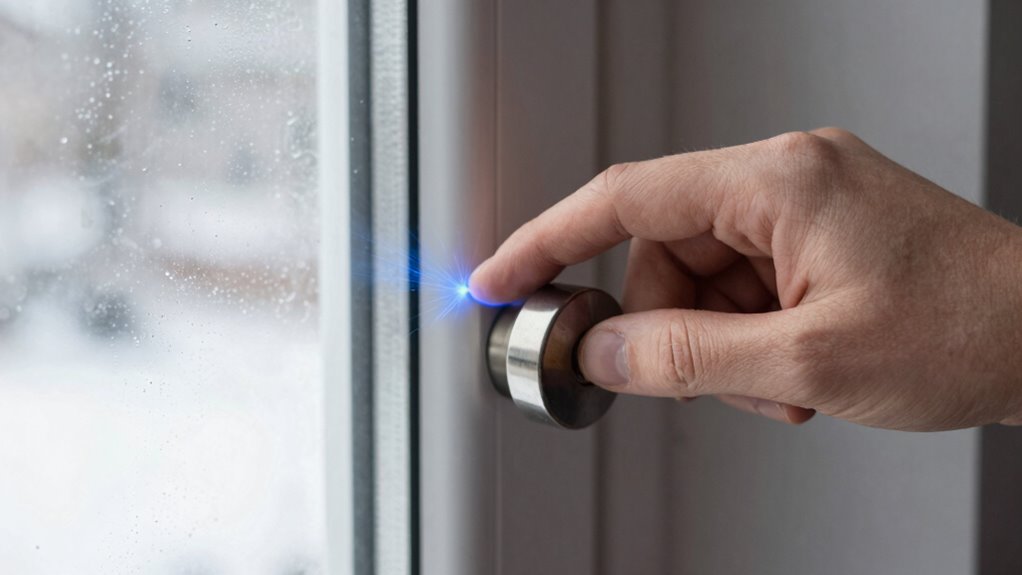
Persistent static discharges that occur frequently or cause discomfort despite taking preventive measures may indicate an underlying issue that needs professional attention. If you experience repeated electric shock hazards or your static shocks become more intense, it’s a sign you should seek a medical consultation. Persistent shocks can sometimes be linked to health conditions affecting your nervous system or skin, making medical advice essential. Don’t ignore ongoing discomfort or unusual sensations, as they could point to underlying problems. Consulting a healthcare professional helps rule out any serious issues and ensures you get appropriate treatment. Remember, while static shocks are often harmless, persistent or severe shocks warrant professional evaluation to protect your health and safety.
Frequently Asked Questions
Can Certain Materials Prevent Static Buildup Better Than Others?
Certain materials can indeed prevent static buildup better than others. You should choose natural fabrics like cotton, which resist static more than synthetic fibers. Using fabric softeners and anti-static sprays helps reduce static electricity on your clothes and surroundings. These products work by neutralizing static charges, making it less likely you’ll get shocks. Incorporate these tips into your routine, and you’ll notice less static in your winter environment.
Does Choosing Specific Fabrics Reduce Static Shocks?
Choosing specific fabrics can considerably reduce static shocks, as synthetic fibers like polyester and nylon tend to generate more static than natural fibers such as cotton or wool. In fact, natural fibers are less likely to build up static electricity because of their moisture-retaining properties. You can also apply fabric treatments like anti-static sprays or use humidifiers to further minimize static buildup, making your winter wardrobe more comfortable and shock-free.
What Role Do Carpets Play in Static Electricity Generation?
Carpets play a significant role in static electricity generation because their fiber properties, like length and material, influence static charge accumulation. Synthetic fibers such as nylon or polyester tend to generate more static, especially when you walk across them, because they hold onto static charges more easily. As you move, the static builds up, and when you touch something, you get a shock. Choosing natural fiber carpets can help reduce static buildup.
Are Static Shocks Harmful to Electronic Devices?
Static shocks typically aren’t harmful to electronic devices, but they can cause damage if you’re not careful. Did you know that a static shock of just 2,000 volts can damage sensitive components? To protect your devices, use grounding techniques like touching a grounded metal object before handling electronics, and apply anti-static sprays to reduce buildup. These simple steps help prevent static discharge from harming your gadgets.
How Does Body Moisture Level Influence Static Shocks?
Your body’s moisture levels directly influence static shocks; when you’re well-hydrated, your body has better conductivity, reducing static buildup. Low body hydration or dehydration causes your skin to become dry, making it easier for static charges to accumulate and discharge as shocks. To minimize static shocks, keep your moisture levels balanced by staying hydrated, using moisturizers, and maintaining proper skin hydration, especially in dry winter conditions.
Conclusion
So, next time you’re surprised by a shocking zap, remember—winter’s dry air loves to keep you on your toes. Ironically, the season that makes you want to stay cozy also keeps static alive in your daily routine. Instead of avoiding it, maybe embrace the sparks—after all, they’re just winter’s tiny reminders that even in stillness, life’s a little electric. Stay grounded, or not—either way, you’ll never see static shocks coming quite the same way again.