
TL;DR

Prime made for students and young adults
- Fast, free delivery for dorm and study essentials
- Prime Video and Amazon Music included
- Member-only deals
DNA extracted from ancient Inca mummies shows evidence of smallpox, confirming the virus was brought to South America by Europeans. This discovery clarifies historical disease transmission during colonization.
Scientists have confirmed the presence of smallpox DNA in ancient Inca mummies, establishing that the virus was introduced to South America from Europe during the colonial period.
The research, published in New Scientist, analyzed genetic material extracted from mummies dating back to the 15th and 16th centuries. The findings show clear evidence of smallpox virus DNA, which is consistent with strains known to have originated in Europe.
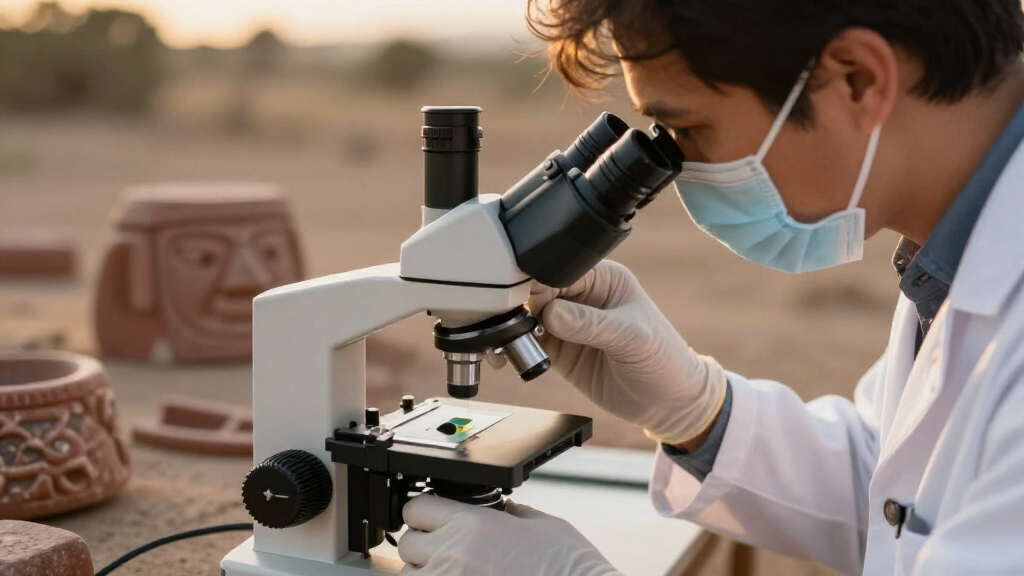
According to the study’s lead researcher, Dr. Maria Sanchez of the University of Buenos Aires, the presence of smallpox in these mummies indicates that the virus was present in the Andes shortly after European contact. The team used advanced DNA sequencing techniques to identify viral genetic material preserved in the mummified remains.
Implications for Understanding Disease Transmission in Colonial South America
This discovery provides evidence that smallpox was introduced to South America by Europeans during colonization, which had significant effects on indigenous populations. It offers a genetic perspective that complements historical accounts of disease spread and demographic changes following European contact.
Understanding the origins and spread of smallpox in the Americas is important for historical epidemiology and may contribute to studies of how infectious diseases affected indigenous societies during early contact periods.
As an affiliate, we earn on qualifying purchases.
Historical Spread of Smallpox and Colonial Encounters
Smallpox was a highly contagious disease responsible for considerable mortality among indigenous peoples in the Americas after European explorers arrived in the late 15th century. Previous evidence of smallpox in the New World was primarily based on written records and skeletal remains, but direct genetic proof from ancient remains has been limited.
This new study builds on prior findings by providing genetic confirmation from well-preserved mummies, dating to the period shortly after European contact, which helps clarify possible pathways of disease transmission.
“The detection of smallpox DNA in these mummies indicates that the virus was present in the Andes shortly after Europeans arrived, aligning with historical accounts of disease introduction.”
— Dr. Maria Sanchez, lead researcher
As an affiliate, we earn on qualifying purchases.
Remaining Questions About the Spread and Impact of Smallpox
While the presence of smallpox DNA has been confirmed, details regarding the specific strains, the rate of spread, and the impact on indigenous populations are still under investigation. Researchers are also exploring whether additional ancient remains contain viral genetic material that could provide further insights.
As an affiliate, we earn on qualifying purchases.
Future Research to Clarify Disease Transmission Dynamics
Researchers plan to analyze additional ancient remains from various regions and time periods to better understand the timeline and extent of smallpox dissemination. Further genetic studies may also shed light on how the virus evolved and adapted during its transmission in the Americas.
Additionally, comparisons between ancient and modern smallpox strains could contribute to understanding the virus’s evolution and historical pandemics.
genetic testing kits for archaeology
As an affiliate, we earn on qualifying purchases.
As an affiliate, we earn on qualifying purchases.
Key Questions
How was the smallpox DNA detected in the mummies?
Researchers employed advanced DNA sequencing techniques to extract and analyze genetic material from the preserved tissues of the mummies, identifying viral DNA specific to smallpox.
Does this mean smallpox was the cause of population decline among the Incas?
The detection of smallpox DNA confirms the virus was present, but does not establish it as the sole cause of population decline. It is, however, considered a contributing factor based on historical and genetic evidence.
Are there other ancient remains with evidence of smallpox?
Research is ongoing to identify additional remains. The current findings demonstrate the potential for further discoveries using similar genetic analysis methods.
What strains of smallpox were involved?
The genetic sequences identified are consistent with European strains, but detailed strain classification requires further analysis.
How does this discovery change our understanding of colonial history?
This genetic evidence supports historical accounts of disease transmission during European contact, providing a clearer understanding of how infectious diseases impacted indigenous populations.
Source: google-trends
Fall Picks
fall essentials
As an affiliate, we earn on qualifying purchases.