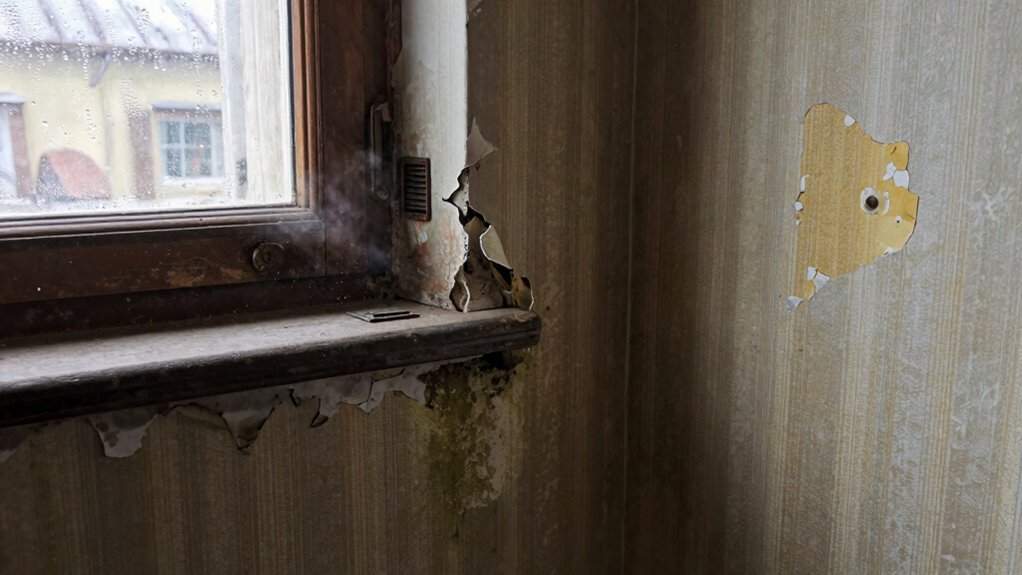

If your room feels too damp or dry, hidden issues like poor air circulation, inadequate ventilation, or building features might be to blame. Stale air can trap moisture, causing dampness, while lack of movement can lead to dryness. Insulation and temperature fluctuations also play a role in how humidity feels. Addressing these unseen factors can restore balance, and understanding the details behind these causes can help you create a more comfortable space. Keep exploring to uncover more.

Prime made for students and young adults
- Fast, free delivery for dorm and study essentials
- Prime Video and Amazon Music included
- Member-only deals
Key Takeaways
- Poor air circulation traps moisture, causing dampness or dryness despite humidity control efforts.
- Inadequate ventilation leads to stale air buildup, fluctuating humidity, and a damp or dry feeling.
- Building insulation issues can cause localized humidity problems, making certain areas feel off-balance.
- Temperature fluctuations affect perceived humidity, making rooms feel muggy or dry regardless of actual moisture levels.
- Excess moisture or dryness may persist if humidity isn’t balanced with proper use of humidifiers, dehumidifiers, or ventilation.
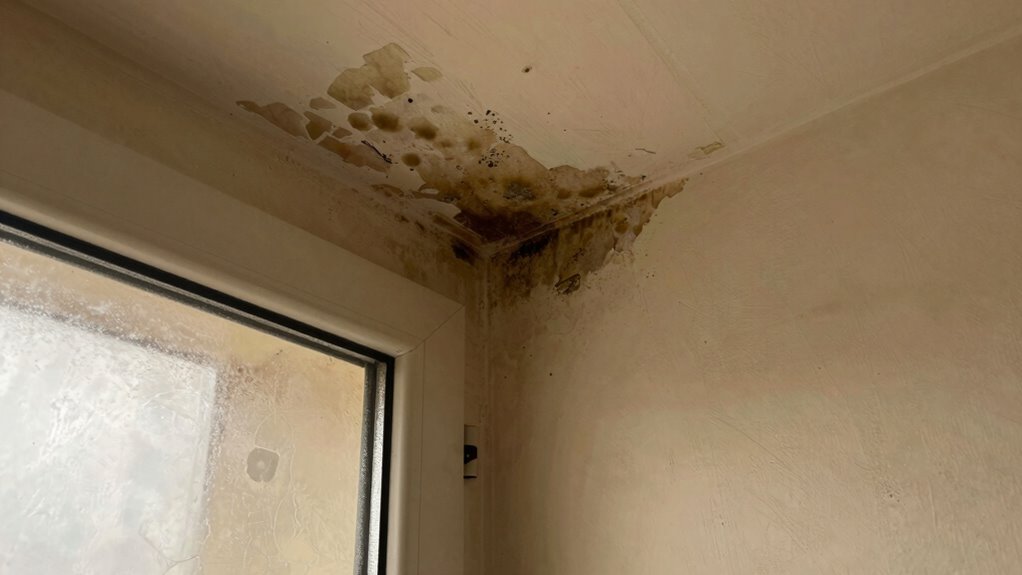
Have you ever noticed that a room feels uncomfortably damp or surprisingly dry, even when the weather seems fine? The sensation isn’t always due to outside conditions; often, it’s linked to how humidity is managed inside your space. Humidity control plays a vital role in creating a comfortable environment. If the air lacks moisture, it can make your skin feel dry, your throat scratchy, and your furniture prone to cracking. Conversely, excess moisture can turn your room into a damp, mold-prone zone. The key to fixing this imbalance lies in understanding and adjusting humidity levels, either by using humidifiers or dehumidifiers, depending on your needs. But even with the right equipment, if air isn’t circulating properly, humidity issues can persist. Poor air circulation traps moisture in corners, behind furniture, or near windows, preventing the room from reaching a balanced state. When air moves freely, moisture disperses evenly, helping maintain a comfortable, stable environment.
Another hidden reason your room might feel too dry or too damp is the building’s ventilation system. Sometimes, ventilation is insufficient, causing stale air to stagnate and humidity levels to fluctuate unpredictably. If you notice moisture buildup or musty smells, it’s a sign that air isn’t circulating effectively. Opening windows regularly can help, but for consistent results, you might need an exhaust fan or an air exchange system. These systems work behind the scenes to improve air circulation, removing excess moisture or bringing in fresh, drier air when needed. Proper air circulation ensures that humidity doesn’t become trapped, contributing to a more balanced environment. Additionally, the ventilation system can influence indoor humidity by controlling how quickly stale air is replaced with fresh air. Proper humidity management is essential to prevent indoor air quality issues and maintain comfort. Furthermore, understanding the building’s insulation can help identify why moisture may be accumulating or escaping in certain areas. It’s also important to consider how temperature fluctuations impact humidity levels, as they can alter the perceived comfort in your space.
Temperature also influences how humidity feels in your room. Warmer air holds more moisture, so during hot days, even a slight increase in humidity can make the space feel muggy. On the other hand, colder temperatures tend to lower humidity naturally, making the air feel dry. If your room’s temperature isn’t well-regulated, these shifts can make it feel uncomfortable, regardless of actual moisture levels. Using a hygrometer can help you monitor both temperature and humidity, guiding you in making adjustments with heaters, air conditioners, or humidifiers.
In the end, understanding how humidity control and air circulation interact is essential. Proper air circulation ensures moisture doesn’t get trapped, while controlling humidity prevents your space from feeling either damp or dry. By paying close attention to these factors, you can create a room that feels just right—comfortable, fresh, and healthy.
As an affiliate, we earn on qualifying purchases.
Frequently Asked Questions
Can Indoor Plants Affect Room Humidity Levels?
Yes, indoor plants can affect room humidity levels. Through plant transpiration, they release moisture into the air, increasing humidity. Additionally, moist soil enhances this effect, especially if the soil moisture is high. If you notice your room feels more humid, adding plants with high transpiration rates might be the cause. Conversely, if the air feels dry, reducing or removing certain plants can help lower humidity levels.
How Does Building Insulation Influence Moisture Problems?
Think of your home as a sealed treasure chest; insulation materials lock in moisture, affecting indoor humidity. When insulation traps heat and dampness, it can cause moisture buildup, leading to dampness or mold. Proper ventilation systems act like a gust of fresh air, balancing moisture levels. Insufficient or poor-quality insulation disrupts this harmony, making your space feel uncomfortable. You need well-chosen insulation and effective ventilation to keep your home’s atmosphere just right.
Do Air Purifiers Help Regulate Dampness or Dryness?
Air purifiers don’t directly control humidity, so they won’t make a room damp or dry. Many air purifier myths suggest they can regulate moisture, but they mainly filter allergens and pollutants. For humidity control techniques, use a humidifier or dehumidifier instead. While air purifiers improve air quality, relying on them for dampness or dryness isn’t effective. Focus on proper ventilation and moisture management to maintain a comfortable environment.
Can Sunlight Exposure Change a Room’s Humidity?
Sunlight impact definitely influences a room’s humidity. When sunlight hits your space, it warms the air, causing some moisture to evaporate, which can lower humidity levels. Conversely, in cooler, shaded areas, humidity might stay higher. So, humidity variation due to sunlight exposure is real; opening curtains or blinds during sunny days helps regulate moisture. This natural method can make your room feel more comfortable without extra devices.
Are There Specific Materials That Trap More Moisture?
Certain materials, like moisture retentive materials and absorbent surfaces, trap more moisture. For example, imagine a basement with concrete walls—these absorb moisture easily, making the room damp. You can see this with towels or sponges, which are absorbent surfaces that hold water. Choosing less absorbent materials, like sealed drywall or tile, helps prevent excess moisture buildup and keeps your space more comfortable and dry.
As an affiliate, we earn on qualifying purchases.
Conclusion
So, whether your room feels too damp or too dry, the answer isn’t always obvious. Sometimes, it’s a hidden leak or poor insulation; other times, it’s a simple lack of ventilation or an overactive humidifier. It’s like a delicate dance—balancing moisture levels to find comfort. Don’t ignore the signs; understanding the unseen causes lets you restore harmony. Because in the end, a comfortable room isn’t just about temperature, but the perfect balance of moisture and dryness.
As an affiliate, we earn on qualifying purchases.
As an affiliate, we earn on qualifying purchases.
Evergreen bestsellers Picks
bestsellers
As an affiliate, we earn on qualifying purchases.