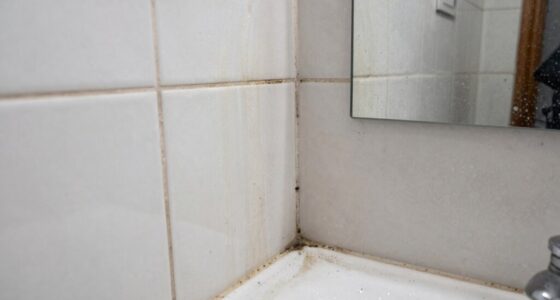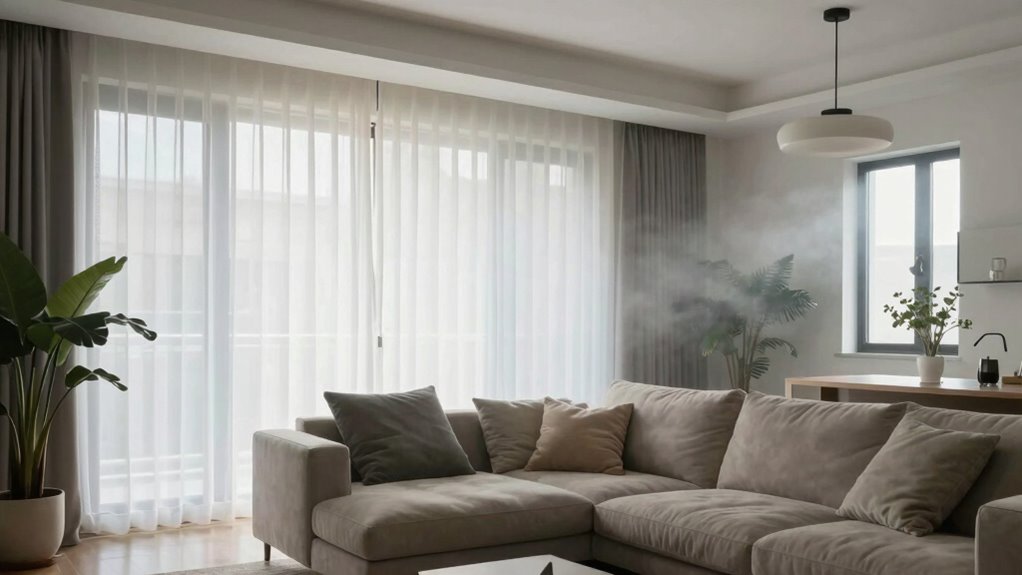

Even after cleaning, your indoor air might still feel bad because surface cleaning only removes visible dirt, not invisible pollutants like airborne particles, mold, or bacteria. Humidity levels and poor ventilation also play a role, trapping pollutants and making the air feel stuffy. Using air purifiers properly, controlling humidity, and ensuring good airflow can make a difference. Keep exploring to discover what might be affecting your home’s air quality and how to fix it.

Prime made for students and young adults
- Fast, free delivery for dorm and study essentials
- Prime Video and Amazon Music included
- Member-only deals
Key Takeaways
- Surface cleaning removes visible dirt but doesn’t eliminate invisible airborne pollutants or allergens.
- Basic air purifiers may trap only large particles, missing smaller harmful airborne contaminants.
- Improper humidity levels can promote mold, bacteria, or cause dryness, affecting air quality and comfort.
- Poor ventilation reduces fresh air exchange, trapping indoor pollutants and stale air.
- Without regular monitoring, underlying air quality issues remain unaddressed, causing persistent indoor air discomfort.
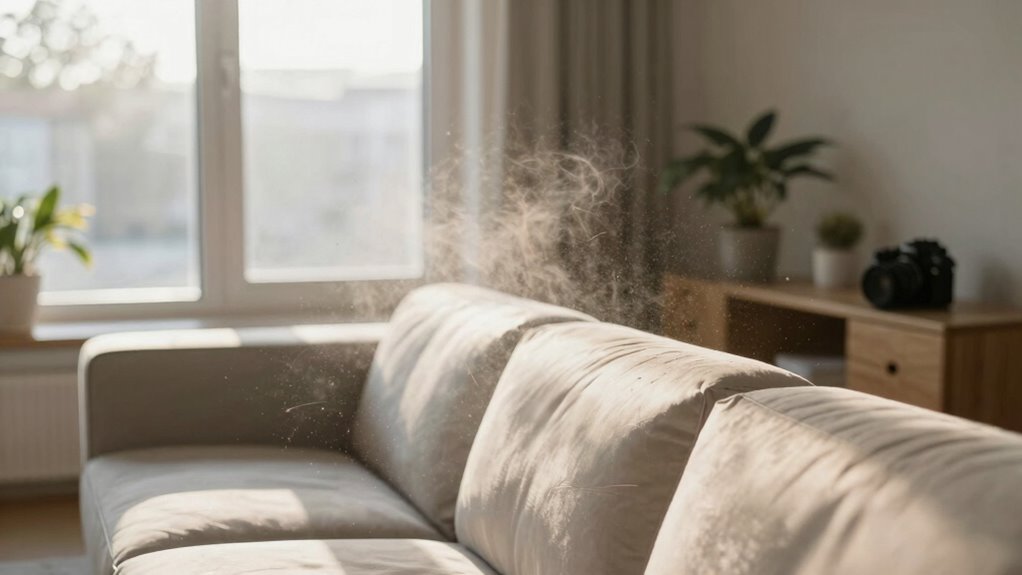
Have you ever wondered how the air inside your home affects your health? Even after you clean thoroughly, you might notice that the air still feels stuffy, stale, or just uncomfortable. This happens because cleaning alone doesn’t always address the root causes of poor indoor air quality. While sweeping, dusting, and vacuuming remove surface dirt, they don’t eliminate invisible pollutants or control factors like humidity that influence how fresh and healthy your air feels.
One vital aspect is air purifier effectiveness. Relying solely on basic filters or air purifiers that aren’t designed for maximum efficiency can give you a false sense of cleanliness. Many devices only trap larger particles, leaving behind smaller airborne contaminants such as allergens, mold spores, or volatile organic compounds (VOCs). To truly improve indoor air quality, you need an air purifier that’s capable of capturing a broad spectrum of pollutants. HEPA filters, for example, are highly effective at trapping tiny particles, but their effectiveness depends on proper size, placement, and maintenance. If you don’t regularly change filters or choose a device suited for the space, your air purifier won’t perform at its best. As a result, the air can still feel heavy or polluted despite your efforts to clean.
Effective air purifiers with proper maintenance are essential for truly clean, healthy indoor air.
Humidity control also plays a key role. Even if your home looks spotless, excessive or insufficient humidity can make indoor air uncomfortable and unhealthy. High humidity fosters mold growth, dust mites, and bacteria, which can trigger allergies or respiratory issues. On the other hand, low humidity causes dry skin, irritation, and can even increase the presence of airborne viruses. Maintaining an ideal humidity level—usually between 30% and 50%—helps keep the air feeling fresh and prevents the growth of harmful microbes. Using a humidifier or dehumidifier, depending on your environment, can make a significant difference. Proper humidity control not only enhances comfort but also reduces the burden on air purifiers by limiting the proliferation of pollutants. Additionally, understanding indoor air quality factors can help you take more targeted steps to improve your environment.
Furthermore, air exchange rates are crucial for maintaining a healthy indoor environment, as they determine how often indoor air is replaced with fresh outdoor air. Even after cleaning, if you neglect these factors—air purifier effectiveness and humidity control—you’ll find that the air inside your home can still feel unpleasant or unhealthy. Proper ventilation practices, such as opening windows or using exhaust fans, can significantly improve air quality, especially in areas prone to pollution or moisture buildup. Incorporating air quality monitoring can help you identify specific issues and address them more effectively. It’s not just about surface cleanliness but also about managing the invisible elements that influence air quality. Combining regular cleaning with a high-quality air purifier and proper humidity management creates an environment where the air feels genuinely clean and breathable. So, if your home still feels off despite your efforts, consider these overlooked aspects. They’re key to achieving truly fresh, healthy indoor air.
HEPA air purifier for small rooms
As an affiliate, we earn on qualifying purchases.
As an affiliate, we earn on qualifying purchases.
Frequently Asked Questions
Can Air Purifiers Eliminate All Indoor Air Pollutants?
Air purifiers can’t eliminate all indoor air pollutants, but they do a good job with odor elimination and allergen removal. You should choose a purifier with HEPA filters for allergens and activated carbon for odors. Keep in mind, some pollutants like gases or VOCs may require specialized filters or additional ventilation. Regular cleaning and proper placement also help improve your indoor air quality, making it feel fresher and healthier.
How Often Should I Replace HVAC Filters for Better Air Quality?
You should replace your HVAC filters every 1 to 3 months to maintain ideal air quality. The filter lifespan varies based on factors like filter type, household size, and air pollution levels. Regular replacements prevent dust, allergens, and pollutants from recirculating, ensuring cleaner indoor air. Staying on top of filter changes not only improves air quality but also helps your HVAC system run efficiently, reducing energy costs and extending its lifespan.
Do Houseplants Significantly Improve Indoor Air Quality?
Sure, houseplants are natural air purifiers—except they can release plant toxins and trap dust, making your air quality worse if not managed. They might seem charming, but without proper air circulation, they won’t save you from lingering smells or allergens. Think of plants as decorative air filters—beautiful, but not a substitute for a good HVAC system or fresh airflow. Don’t rely solely on green friends for clean air.
Are There Specific Cleaning Products That Worsen Indoor Air?
Yes, some cleaning products can worsen indoor air quality. Many contain chemical residues that linger after use, potentially irritating your lungs or triggering allergies. These products might remove allergens temporarily but can introduce new ones or worsen existing sensitivities. To improve air quality, opt for natural or low-VOC cleaning agents, and guarantee proper ventilation during and after cleaning to help dissipate any lingering chemical residues.
How Does Humidity Affect Indoor Air Freshness?
Did you know that humidity levels above 60% can make indoor air feel stale and stuffy? High humidity encourages mold growth, which releases spores that worsen air quality. When humidity is too low, it can dry out your nasal passages, making the air feel even less fresh. Maintaining ideal humidity levels between 30-50% helps control mold growth and keeps your indoor air smelling clean and feeling comfortable.
humidifier and dehumidifier combo
As an affiliate, we earn on qualifying purchases.
As an affiliate, we earn on qualifying purchases.
Conclusion
Even after cleaning, indoor air can still feel off because many pollutants linger unseen, like volatile organic compounds or dust mites. Did you know that indoor air can be up to five times more polluted than outdoor air? So, simply cleaning isn’t enough—consider improving ventilation or using air purifiers. Taking these extra steps can make a real difference, helping you breathe easier and enjoy a healthier home environment every day.
air quality monitor for indoor air
As an affiliate, we earn on qualifying purchases.
As an affiliate, we earn on qualifying purchases.
As an affiliate, we earn on qualifying purchases.
Evergreen bestsellers Picks
bestsellers
As an affiliate, we earn on qualifying purchases.