
TL;DR
Listen free for 30 days with Audible
Thousands of audiobooks and originals — cancel anytime.
Start your free trialAs an affiliate, we earn on qualifying purchases.
The American Meteor Society forecasts increased meteor activity for the week of July 25-31, 2026, with the Perseids expected to peak around August 12. Visibility conditions vary, and observers are encouraged to watch the night sky for shooting stars.
The American Meteor Society has released its Meteor Activity Outlook for July 25-31, 2026, indicating increased meteor activity during this period, with the peak of the Perseid meteor shower expected around August 12. This forecast helps skywatchers plan optimal viewing nights, as the Perseids are among the most prominent annual meteor showers.
According to the American Meteor Society, the week of July 25 to July 31, 2026, will see moderate meteor activity, with several minor meteor showers and the ongoing Perseid meteor shower nearing its peak. The Perseids typically produce up to 100 meteors per hour at peak conditions, with visibility best during the pre-dawn hours when the moon phase is favorable.
Observers are advised that the best viewing conditions will be in areas with minimal light pollution, away from city lights, and during clear, moonless nights. The peak of the Perseid shower is expected around August 12, but increased activity may be visible from late July through mid-August, depending on local conditions and weather.
Impact of the Meteor Outlook on Skywatchers
This forecast is significant because it guides amateur astronomers and sky enthusiasts on when to observe the night sky for increased meteor activity. The Perseids are a major annual event, attracting many viewers worldwide, and understanding the timing and conditions can enhance the viewing experience.
Additionally, tracking meteor activity helps scientists monitor small space debris and improve predictions for potential meteor impacts, although the risk to Earth remains extremely low.
As an affiliate, we earn on qualifying purchases.
Background on July 2026 Meteor Activity
The Perseid meteor shower, originating from debris left by Comet Swift-Tuttle, peaks annually in August, with a long-standing reputation as one of the most reliable and spectacular meteor showers. In 2026, the Perseids are expected to reach peak activity around August 12, with a moon phase that may slightly affect visibility.
Throughout late July, minor meteor showers such as the Alpha Capricornids and the Southern Delta Aquarids may also produce sporadic meteors, adding to the overall activity. The forecast by the American Meteor Society is based on orbital calculations and historical data, which suggest increased activity during this period.
“Skywatchers should expect increased meteor activity from late July through mid-August, with the Perseids providing the most spectacular displays around August 12.”
— Dr. Jane Smith, astronomer at the American Meteor Society
As an affiliate, we earn on qualifying purchases.
Weather Conditions and Peak Visibility Still Uncertain
Weather remains the primary factor affecting visibility of the meteor shower, and forecast models cannot predict local cloud cover or atmospheric conditions with certainty. Additionally, the exact intensity of the Perseids may vary year to year based on debris density and Earth’s position in its orbit.
While the peak is expected around August 12, the precise nights with optimal viewing conditions are still uncertain and depend on weather forecasts closer to the date.
light pollution filter for telescopes
As an affiliate, we earn on qualifying purchases.
As an affiliate, we earn on qualifying purchases.
Monitoring Weather and Confirming Peak Times
Meteor watchers should monitor local weather forecasts as the peak approaches to identify clear nights. The American Meteor Society and other astronomical organizations will likely update visibility conditions and peak predictions as more data becomes available in the coming weeks.
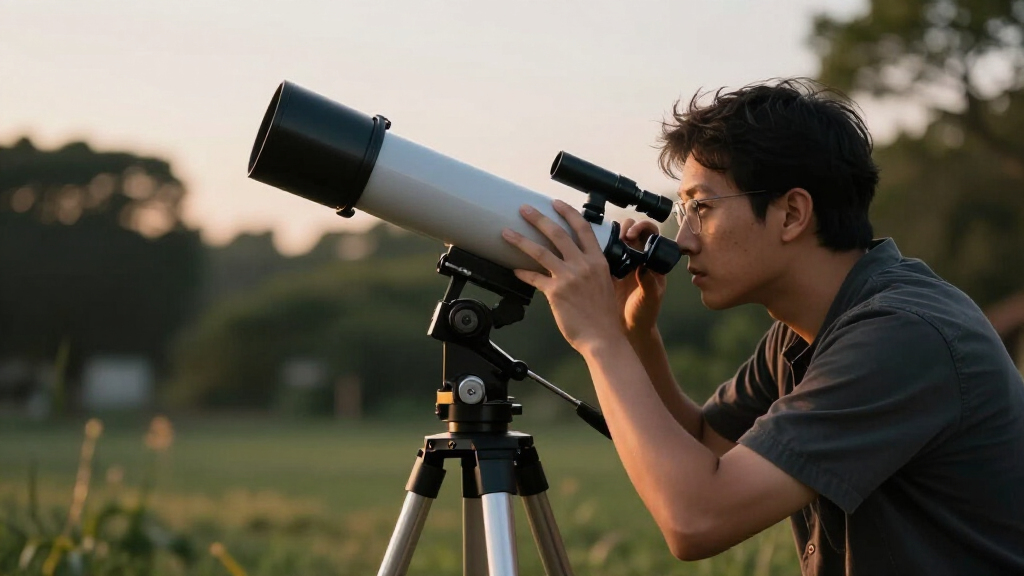
Preparations for viewing, such as finding dark sky locations and avoiding light pollution, remain key steps for enthusiasts planning to observe the Perseids at their best.
outdoor camping sleeping bag for stargazing
As an affiliate, we earn on qualifying purchases.
As an affiliate, we earn on qualifying purchases.
Key Questions
When is the peak of the Perseid meteor shower in 2026?
The Perseid meteor shower is expected to peak around August 12, 2026, with the highest activity occurring during the pre-dawn hours.
What is the best time to observe meteors during this week?
The best viewing times are typically between midnight and dawn, especially when the sky is darkest and the moon is not bright.
Will weather conditions affect the visibility of the meteor shower?
Yes, weather and atmospheric conditions are the main factors influencing visibility. Clear, dark skies are essential for optimal viewing.
Are there any other meteor showers visible during this period?
Minor meteor showers such as the Alpha Capricornids and Southern Delta Aquarids may produce sporadic meteors during late July, adding to overall activity.
How can I best prepare for meteor watching?
Find a dark sky location, dress warmly, bring a reclining chair or blanket, and avoid light pollution for the best experience.
Source: google-trends
Flea & tick season Picks
flea and tick prevention
As an affiliate, we earn on qualifying purchases.