
TL;DR
NOAA’s July forecast suggests increased geomagnetic activity, which may improve northern lights visibility. The forecast is based on solar wind data and current solar activity. Details are subject to change as new data emerges.
NOAA’s July forecast predicts elevated geomagnetic activity due to increased solar wind, which could lead to more frequent and intense northern lights displays across northern latitudes. This forecast is significant for aurora enthusiasts and residents in northern regions, as it suggests a higher likelihood of visible auroras during the month.
The National Oceanic and Atmospheric Administration (NOAA) released its monthly geomagnetic forecast on July 1, 2024, indicating a potential rise in geomagnetic storms driven by solar wind streams. The forecast is based on current solar activity, including sunspot regions and solar wind measurements from spacecraft such as the DSCOVR satellite. NOAA’s forecast suggests that geomagnetic activity levels could reach G2 or G3 levels on the NOAA scale, which correspond to moderate to strong geomagnetic storms.
While the forecast points to increased activity, NOAA emphasizes that space weather predictions are inherently uncertain and subject to change based on real-time solar data. The forecast covers the entire month of July, with peaks in activity expected around mid-month, but actual aurora visibility will depend on local weather conditions and Earth’s magnetic response.
Implications for Aurora Viewing and Space Weather Preparedness
This forecast matters because increased geomagnetic activity can lead to more frequent and brighter auroras, offering enhanced viewing opportunities for skywatchers in northern regions such as Alaska, northern Canada, Scandinavia, and parts of northern the United States. Additionally, heightened space weather activity can impact satellite operations, GPS signals, and power grids, making it important for agencies and industries to monitor space weather alerts closely.
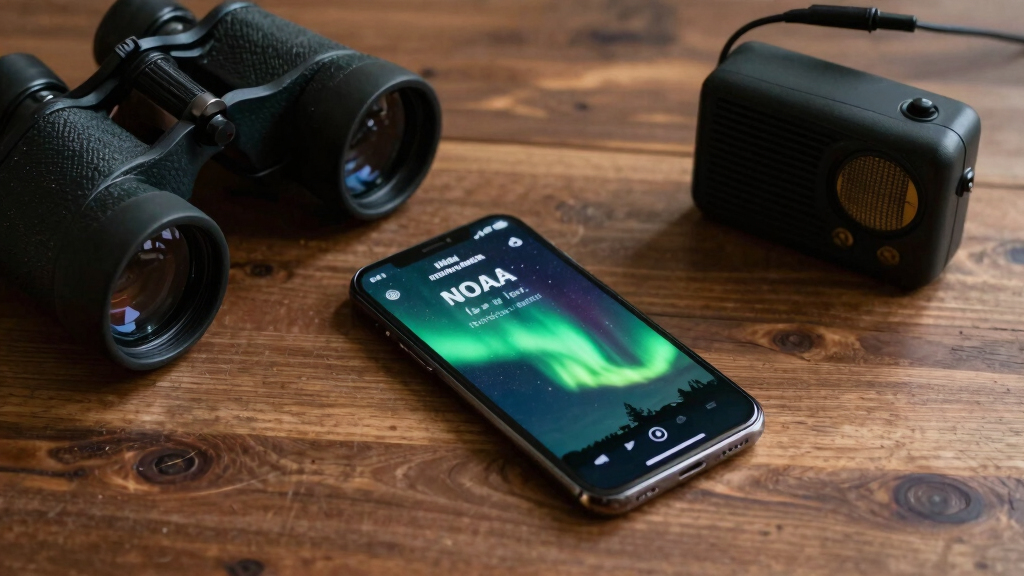
northern lights viewing binoculars
As an affiliate, we earn on qualifying purchases.
As an affiliate, we earn on qualifying purchases.
July 2024 Solar Activity and Historical Aurora Patterns
Solar activity follows an approximately 11-year cycle, with peaks (solar maxima) bringing more sunspots and solar storms. The current solar cycle, Cycle 25, is in its rising phase, with increased sunspot activity observed since early 2024. Historically, periods of heightened solar activity correlate with more frequent geomagnetic storms and aurora displays, especially during the peak months of the solar cycle. NOAA’s forecasts rely on ongoing observations of solar wind and sunspot activity to predict space weather events.
Previous similar forecasts in recent years have successfully predicted increased aurora activity during solar maxima, although actual visibility depends on local conditions. The July forecast aligns with the current phase of solar cycle 25, which is expected to peak around 2025.
“Our July forecast indicates a higher probability of geomagnetic storms, which could enhance aurora visibility across northern latitudes. However, space weather remains inherently unpredictable, and conditions can change rapidly.”
— Dr. Lisa Grant, NOAA Space Weather Prediction Center
As an affiliate, we earn on qualifying purchases.
Limitations and Variability in Space Weather Predictions
While NOAA’s forecast indicates a potential increase in geomagnetic activity, the actual occurrence and intensity of auroras depend on real-time solar wind conditions and Earth’s magnetic response. Space weather predictions are subject to rapid change, and unforeseen solar events could alter the forecasted activity levels. It is not yet clear how closely the forecast will match actual conditions during July.
As an affiliate, we earn on qualifying purchases.
Monitoring and Updated Forecasts Throughout July
NOAA will continue to monitor solar activity and provide weekly updates on space weather conditions. Skywatchers and relevant agencies are advised to stay informed through NOAA alerts and local weather forecasts. The peak activity periods are expected around mid-July, but actual aurora displays will depend on current space weather and weather conditions on the ground.
As an affiliate, we earn on qualifying purchases.
Key Questions
How likely is it to see the northern lights in July?
Based on NOAA’s forecast, there is an increased chance of aurora displays in northern regions during July, especially if geomagnetic activity reaches G2 or G3 levels. Visibility will also depend on local weather and light pollution conditions.
What causes increased northern lights activity in space weather forecasts?
Increased activity is driven by solar wind streams and solar storms originating from sunspots or coronal mass ejections on the Sun. These interact with Earth’s magnetic field, causing geomagnetic storms that produce auroras.
Are there risks associated with heightened space weather activity?
While increased geomagnetic activity can affect satellite operations, GPS, and power grids, the forecast primarily indicates increased aurora visibility. Agencies advise monitoring alerts for potential technological impacts.
When will NOAA provide the next update on the space weather forecast?
NOAA typically releases weekly updates, with more detailed forecasts during periods of heightened activity. The next update is expected in early July, with ongoing monitoring throughout the month.
Source: google-trends