IP65 protects your device from low-pressure water jets and dust, making it suitable for rain or splashes but not submersion. IP67 offers a higher level of protection, allowing it to withstand immersion in water up to 1 meter for 30 minutes, plus dust resistance. Knowing what each rating covers helps you choose the right device for your environment. Keep exploring to discover the full details of these ratings and their practical limits.
Key Takeaways
- IP65 protects against dust ingress and water jets from any direction, suitable for rain and splashes but not submersion.
- IP67 offers dust protection and can withstand immersion in water up to 1 meter for 30 minutes.
- The first digit (6) indicates full dust protection; the second digit (5 or 7) relates to water resistance levels.
- IP67 provides higher water resistance than IP65, making it suitable for brief immersion, while IP65 is limited to splashes.
- Higher IP ratings like IP67 offer increased protection for outdoor and aquatic environments compared to IP65.
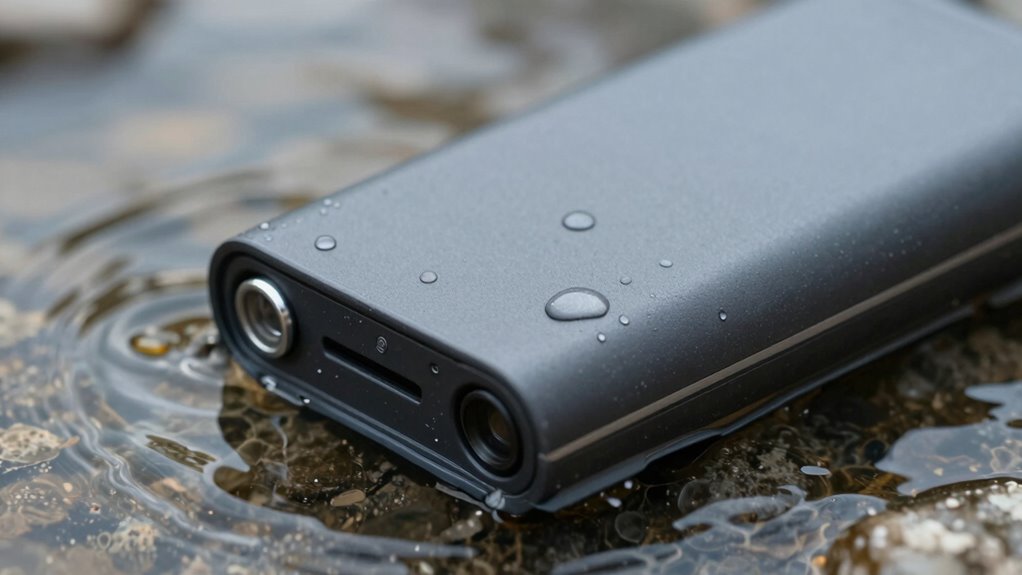
Have you ever wondered what those numbers and letters like IP67 or IP68 mean on electronic devices? They’re part of the IP rating system, which tells you how well a device can handle water and dust exposure. Understanding these ratings helps you choose gadgets that will stand up to your environment, whether you’re hiking, working outdoors, or simply worried about accidental spills. The first digit in the IP code indicates dust protection, and the second refers to water resistance. Higher numbers mean better protection, but it’s essential to know what each level actually offers.
Let’s start with dust protection. The first digit ranges from 0 to 6. If a device has a 0, it offers no dust protection at all. As the number increases, so does the level of dust resistance. For instance, an IP65 device is dust protected, meaning dust isn’t likely to interfere with the device’s operation, but it isn’t completely sealed against dust ingress. This level is enough for everyday use, like in a home or office, but might not suffice in very dusty environments such as construction sites. On the other hand, an IP68 rating provides the highest dust protection, ensuring that no dust particles can penetrate the device, even in highly dusty settings. This makes it ideal for outdoor activities or industrial applications where dust exposure is continuous and intense.
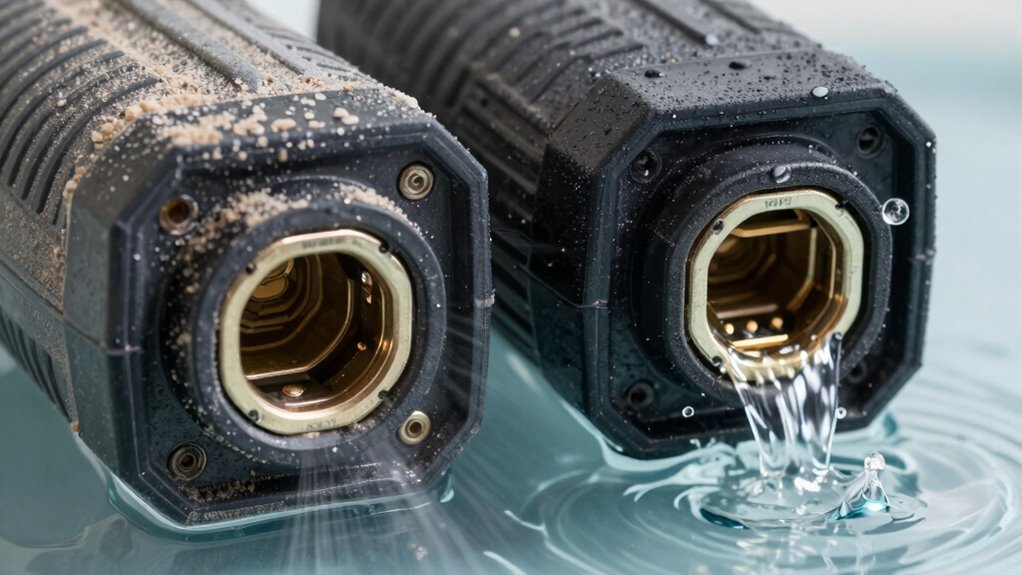
The second digit focuses on water resistance. An IP65 device offers protection against water jets from any direction, making it suitable for rain or splashes. However, it isn’t designed to be submerged. Conversely, an IP67 device can be submerged in water up to 1 meter deep for 30 minutes without damage. That means if you accidentally drop your phone in a puddle or sink, it’s more likely to survive. For even more water resistance, an IP68 rated device can handle prolonged submersion in deeper water, often beyond 1 meter, depending on the manufacturer’s specifications. Additionally, waterproofing standards continue to evolve, offering even higher levels of protection for specialized applications.
Frequently Asked Questions
Can IP Ratings Change Over Time With Wear?
IP ratings can change over time due to wear and tear or environmental exposure. As devices age, seals may degrade, or surfaces might get damaged, reducing their protective capabilities. Prolonged exposure to dust, moisture, or extreme conditions can also compromise the rating. To guarantee continued protection, regular inspections and maintenance are essential, especially if your device is subjected to harsh environments.
Are There Industry Standards for Testing IP Ratings?
Imagine a factory floor where gadgets face relentless dust and water sprays—you’d want them tested. Industry standards set by organizations like IEC make certain that IP ratings undergo rigorous standard testing and certification processes. This guarantees consistent protection levels across products. These standards define testing methods, conditions, and criteria, so you can trust that an IP65 or IP67 label truly reflects its intended resistance, giving you peace of mind in demanding environments.
How Do IP Ratings Affect Device Resale Value?
Your device’s IP rating can substantially impact its resale value by indicating its durability and resistance to elements. A higher IP rating suggests better protection, which appeals to buyers seeking longevity and reliability. When you sell a device with an IP67 rating, for example, it’s seen as more durable and longer-lasting, boosting its resale value. Protecting your investment with a higher IP rating ultimately extends device longevity and makes it more attractive to future buyers.
Can Ip-Rated Devices Be Repaired After Damage?
Think of your device as a delicate glass sculpture—you can fix small cracks, but deep damage can shatter its beauty. IP-rated devices can often be repaired after damage, but durability concerns and repairability challenges vary. Minor issues may be fixable, yet severe water or dust intrusion can compromise the device’s integrity beyond simple repairs. Always weigh the extent of damage against the device’s ruggedness to decide if repairs are worth it.
Do IP Ratings Include Resistance to Chemicals or UV?
IP ratings primarily focus on protection against solids and liquids, not chemicals or UV exposure. So, they don’t explicitly include chemical resistance or UV durability. You should look for devices specifically rated for chemical resistance if you work with harsh substances. For UV durability, check if the product has additional coatings or certifications, since IP ratings alone don’t guarantee resistance to sunlight or chemical exposure.
Conclusion
Understanding IP ratings helps you choose the right protection for your devices. Did you know that over 70% of electronic failures are caused by water damage? Knowing whether an IP65 or IP67 rating suits your environment can save you money and headaches. So, next time you’re shopping for outdoor gear or electronics, remember the significance of these ratings. Protect your gadgets wisely—because a small difference in IP ratings can make a big impact on their durability.