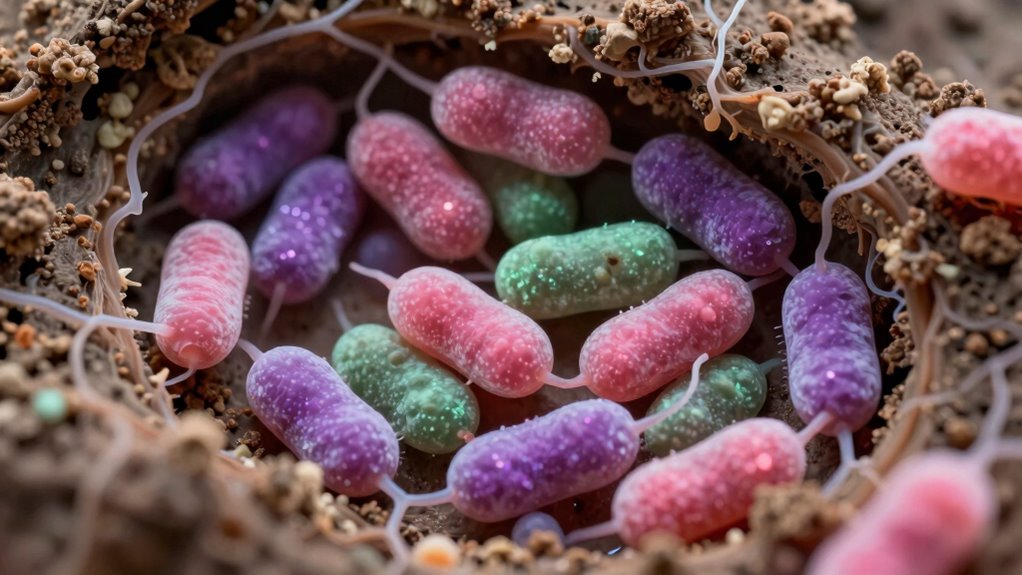

Your gut microbiome is the diverse community of microorganisms living in your digestive system that influence your health, immunity, and mood. It’s not a quick fix or miracle pill but a complex ecosystem affected by your daily habits. Maintaining a balanced microbiome supports digestion, immune responses, and mental well-being. If you want to understand how to nurture this essential system naturally and avoid hype, you’ve come to the right place.

Prime made for students and young adults
- Fast, free delivery for dorm and study essentials
- Prime Video and Amazon Music included
- Member-only deals
Key Takeaways
- The gut microbiome consists of diverse microorganisms living in the digestive system that influence health.
- A balanced microbiome supports digestion, immunity, and mental well-being, without quick-fix solutions.
- Microbiome health depends on long-term habits like diet, stress management, and lifestyle choices.
- Supplements and diets claiming instant results often oversimplify the complex nature of microbiome balance.
- Maintaining microbiome diversity naturally involves eating fiber-rich foods, fermented products, and reducing processed foods.
fiber-rich probiotic supplements
As an affiliate, we earn on qualifying purchases.
As an affiliate, we earn on qualifying purchases.
What Is the Gut Microbiome and Why It Matters

The gut microbiome refers to the trillions of microorganisms living in your digestive system, playing an essential role in your overall health. One key aspect is microbiome diversity, which means having a wide variety of bacteria and other microbes. Higher diversity is linked to better digestion, immune function, and even mental well-being. Your gut communicates with your brain through the gut-brain axis, a complex network of nerves, hormones, and immune signals. This connection influences your mood, stress levels, and cognitive function. Maintaining a diverse microbiome supports this communication, fostering overall health. When your microbiome is balanced, it helps keep your digestive system working smoothly and promotes resilience against disease. Recognizing the importance of microbiome diversity underscores why nurturing your gut matters so much. Additionally, air quality can impact your microbiome health by influencing the types of microbes that thrive in your environment. Ensuring a diverse microbial environment can further enhance your microbiome’s resilience and function. Moreover, supporting a healthy microbiome may also depend on dietary choices that promote beneficial bacteria. Incorporating exposure to natural environments and biodiversity hotspots may also introduce beneficial microbes that support your microbiome’s health.
As an affiliate, we earn on qualifying purchases.
What Current Science Shows About the Microbiome
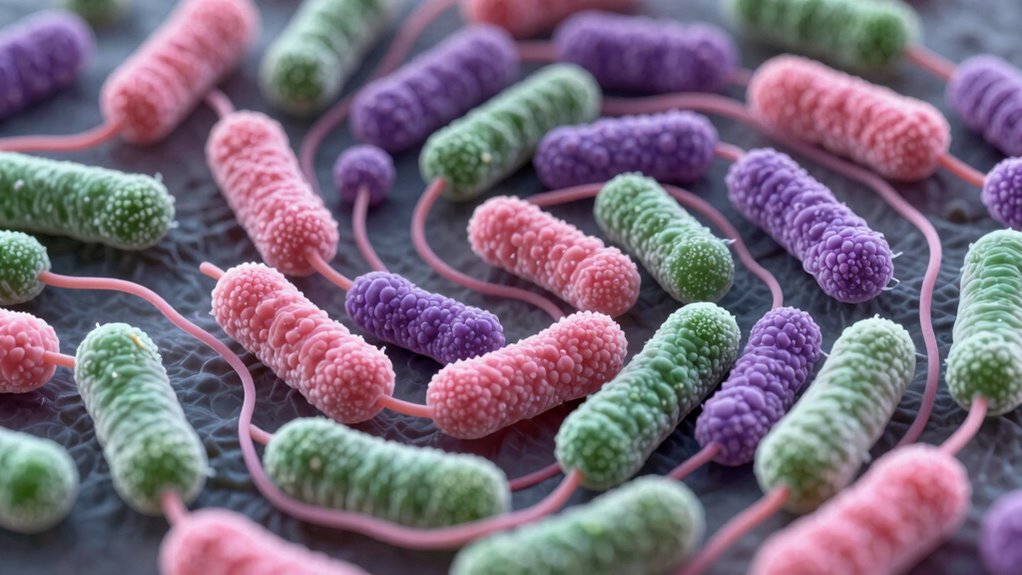
Recent scientific studies reveal how dynamic and indispensable your gut microbiome truly is. Researchers have shown that microbial diversity—the variety of microbes in your gut—is crucial for overall health. A diverse microbiome helps regulate digestion, immune responses, and even influences mental well-being. One key area of focus is the gut-brain axis, a communication pathway linking your gut microbes to your brain. Studies suggest that a balanced microbiome can positively impact mood and cognitive function, though the science is still evolving. While many claims are exaggerated, current research confirms that maintaining microbial diversity through a healthy diet and lifestyle supports your body’s complex systems. Additionally, understanding the specific ear wax odor and other bodily signals can provide insights into your overall health. Recognizing the importance of microbial diversity empowers you to make informed choices about your diet and lifestyle, which can foster a healthier microbiome. Emerging evidence indicates that microbiome health may also influence metabolic processes and disease risk, highlighting the significance of microbial composition in overall wellness. This understanding shifts the focus from hype to science-backed insights about the microbiome’s real importance. Furthermore, ongoing research continues to uncover how microbial balance impacts various health conditions, emphasizing the need for a holistic approach to gut health.
As an affiliate, we earn on qualifying purchases.
How Gut Microbes Influence Digestion, Immunity, and Mood
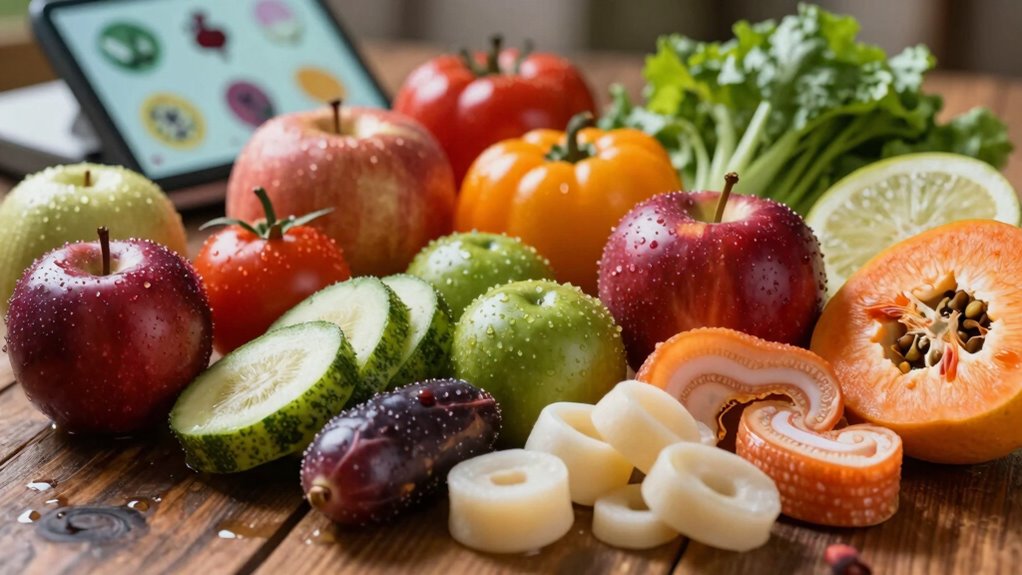
Have you ever wondered how your gut microbes directly impact your digestion, immunity, and mood? Microbe diversity plays a key role here, influencing how effectively your body processes food, fights infections, and even regulates emotions. Your gut-brain connection links your digestive system to your mental state, making the microbiome a essential player in mood stability. The table below highlights some of these relationships:
| Microbe Type | Function | Impact on You |
|---|---|---|
| Bifidobacteria | Digestion & immunity | Improves nutrient absorption, reduces inflammation |
| Lactobacillus | Mood regulation | Produces mood-enhancing neurotransmitters |
| Prevotella | Microbe diversity | Supports a resilient, balanced microbiome |
| Faecalibacterium | Gut health | Reduces gut inflammation, boosts immunity |
Understanding these roles shows how gut microbes shape your overall health beyond digestion.
As an affiliate, we earn on qualifying purchases.
Debunking Myths About Microbiome Supplements and Diets
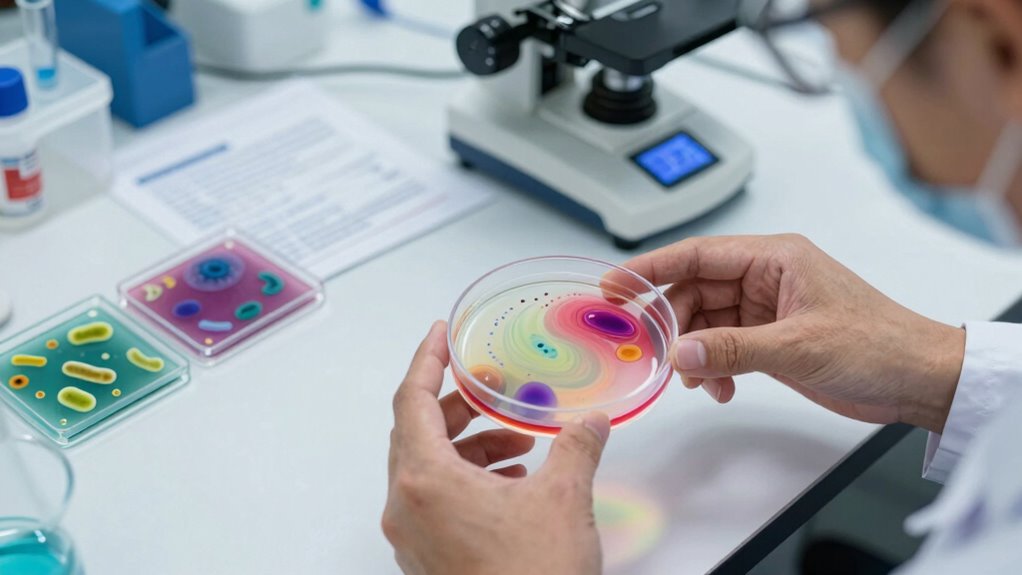
Many people believe that taking specific probiotics or following popular diets can instantly rebalance their gut microbiome, but this isn’t always the case. Microbiome myths often lead you to think that quick fixes or miracle supplements can dramatically improve your gut health overnight. Scientific evidence shows that the microbiome is complex and influenced by long-term habits rather than short-term interventions. Relying solely on supplements or trendy diets may not deliver the benefits you expect. Instead, focusing on consistent, evidence-based lifestyle choices is more effective for supporting your gut’s natural diversity and resilience. Moreover, emerging European cloud server technologies demonstrate the importance of reliable and sustainable infrastructure in supporting long-term health data management and research. Understanding the biological complexity of the microbiome underscores that meaningful change takes time and patience. Don’t fall for the hype—your microbiome needs patience and sustained care.
Simple Ways to Support Your Gut Microbiome

Supporting your gut microbiome doesn’t require complex or expensive measures; simple, consistent habits can make a significant difference. Incorporate fermented foods like yogurt, kefir, and sauerkraut into your daily meals to introduce beneficial bacteria. Consider taking probiotic supplements, especially after antibiotics or during digestive discomfort, to boost diversity. Eating a fiber-rich diet with fruits, vegetables, and whole grains feeds your microbiome and promotes growth. Limit highly processed foods and excess sugar, which can harm beneficial bacteria. Stay hydrated and manage stress through activities like exercise or meditation, as these influence your gut health. Regularly incorporating aroma oil diffusers practices can also support overall well-being and reduce stress, indirectly benefiting your gut microbiome. Essential oils for relaxation such as lavender or frankincense may help create a calming environment that supports digestive health. Small changes, like adding fermented foods and probiotic supplements, can support a resilient and balanced gut microbiome over time.
Frequently Asked Questions
How Diverse Is a Healthy Gut Microbiome?
A healthy gut microbiome has high microbial diversity, meaning many different species of bacteria thrive there. This diversity supports gut stability, helping your digestive system function smoothly and resist harmful pathogens. When your microbiome is diverse, it adapts better to changes, keeps inflammation in check, and boosts overall health. So, aim for a varied diet rich in fiber, fermented foods, and plant-based nutrients to promote that essential diversity.
Can the Microbiome Change Significantly Over a Lifetime?
Yes, your microbiome can change considerably over your lifetime. Think of it as a garden—you nurture it with your lifestyle, diet, and environment, and it evolves. Research shows microbiome stability varies; some people experience dramatic shifts, while others stay consistent. Lifestyle impacts like antibiotics, stress, and diet can cause notable changes, meaning your gut health is dynamic and adaptable, reflecting your daily choices and life stages.
Are There Risks Associated With Microbiome Testing?
There are some risks with microbiome testing, mainly due to microbiome myths that can lead to misinterpretation. Testing accuracy varies depending on the method and lab, so you might get unreliable results. Be cautious about jumping to conclusions or making health decisions solely based on these tests. Always consult healthcare professionals to understand your microbiome better and avoid potential misinformation.
How Long Does It Take to See Microbiome Health Improvements?
You can start noticing microbiome health improvements in as little as a few weeks. It depends on your dietary interventions and lifestyle factors, which play vital roles. Stick to fiber-rich foods, reduce processed sugars, and stay active, and you’ll likely see changes faster. But patience is key—your gut needs time to rebalance. Consistency and a healthy routine will help you achieve lasting benefits, so keep at it!
Do Antibiotics Permanently Alter Your Gut Bacteria?
Antibiotics impact your gut bacteria by disrupting the microbiome, but they don’t necessarily cause permanent changes. Your microbiome is resilient and can recover over time, especially if you support it with probiotics, fiber, and a healthy diet. While some bacteria may take longer to bounce back, most people see significant recovery within weeks to months. Your gut bacteria can regain balance, but it’s important to nurture your microbiome afterward.
Conclusion
Think of your gut microbiome as a bustling garden inside you, full of tiny, essential helpers working tirelessly to keep you healthy. By understanding it beyond the hype, you can nurture this hidden ecosystem with simple choices—like eating diverse foods, avoiding unnecessary antibiotics, and staying active. Picture your gut as a thriving landscape, where a balanced microbiome blooms, supporting your digestion, immunity, and mood every day. Take care of it, and it’ll take care of you.
Fall Picks
fall essentials
As an affiliate, we earn on qualifying purchases.