

A filter’s micron rating shows the size of particles it can trap, measured in micrometers. The lower the number, the finer the particles it captures, such as bacteria or viruses, making it ideal for high-purity needs. Higher ratings mean it filters larger debris like dirt or pollen easily. Choosing the right micron rating balances filtration efficiency and airflow. Want to discover how different ratings affect various applications? Stay with us to explore more.

Prime made for students and young adults
- Fast, free delivery for dorm and study essentials
- Prime Video and Amazon Music included
- Member-only deals
Key Takeaways
- Micron rating measures the size of particles a filter can trap, in micrometers.
- Lower micron numbers indicate finer filtration, capturing smaller particles like bacteria or viruses.
- Higher micron ratings filter larger debris such as dirt, pollen, or rust.
- Micron ratings influence filtration efficiency, flow rate, and maintenance frequency.
- Selecting the appropriate micron rating depends on the desired purity or airflow requirements.
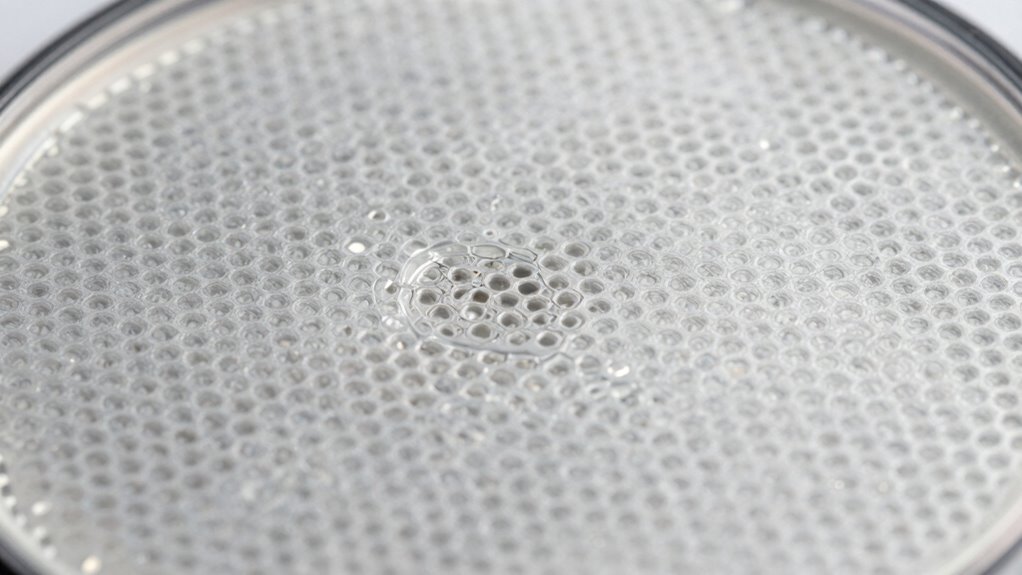
Understanding filter micron ratings is essential when selecting the right filtration system because these ratings determine how effectively a filter can remove particles from a fluid or air. When you look at a filter’s micron rating, you’re seeing the size of the particles it can trap, measured in micrometers. This small unit helps you understand the filter’s ability to block contaminants of different sizes. Filtration efficiency depends heavily on these micron ratings because a lower micron number indicates a finer filter that captures smaller particles, while a higher micron rating means the filter is more suited for larger debris. It’s important to match the micron rating to your specific needs, whether you’re filtering water, air, or industrial fluids. The filter’s micron rating is a critical factor in determining the overall effectiveness and suitability for your application. Micron rating variations can be quite broad, ranging from 0.1 microns to over 100 microns. For example, a filter rated at 0.1 microns can remove tiny bacteria and viruses, making it ideal for applications like medical filters or high-purity water systems. On the other hand, filters with ratings around 50 microns are better suited for larger particles like dirt, rust, or pollen. The key is understanding that as you decrease the micron rating, the filter becomes more effective at trapping smaller particles, but it may also lead to increased pressure drop and reduced flow rate. Conversely, higher micron ratings allow more fluid or air to pass through more easily but at the expense of less filtration precision. Maintaining optimal filter performance often requires balancing micron ratings with flow and maintenance needs. It’s also important to consider how Filtration efficiency impacts the lifespan of the filter, especially in environments with high debris levels. Your choice of micron rating will directly impact filtration efficiency. If you need highly purified water or sterile environments, you’ll want filters with very low micron ratings. For general air filtration, such as in HVAC systems, higher micron ratings may suffice, providing a balance between filtration and airflow. Keep in mind that filters with very fine micron ratings often require more frequent replacements because they clog faster due to trapping more debris. Understanding the balance between filtration efficiency and maintenance needs is key to selecting the right filter.
As an affiliate, we earn on qualifying purchases.
Frequently Asked Questions
How Do Micron Ratings Affect Filter Lifespan?
Micron ratings directly impact filter lifespan by determining how quickly the filter clogs. A lower micron rating catches smaller particles but tends to clog faster, requiring more frequent maintenance. Conversely, higher micron ratings last longer but may let larger particles pass through. To optimize lifespan, follow regular maintenance schedules and replace filters before they become overly clogged, ensuring efficient filtration without sacrificing filter longevity.
Are Lower Micron Ratings Always Better?
Coincidentally, lower micron ratings aren’t always better. They improve filter clarity by trapping smaller particles, but they can also clog faster, requiring more frequent replacements. Micron testing shows that choosing the right rating depends on your specific needs—if you need thorough filtration without sacrificing flow, a slightly higher rating might be ideal. Always balance your filtration goals with maintenance schedules to get the best performance.
Can Micron Ratings Be Misleading?
Yes, micron ratings can be misleading because they don’t always reflect filter accuracy across different particle sizes. A filter might claim a specific micron rating, but its effectiveness varies depending on the particle size and material being filtered. So, don’t assume a lower micron rating guarantees better filtration; instead, consider how well the filter handles the specific particles you need to remove, based on actual performance data.
How Do I Choose the Right Micron Rating?
To choose the right micron rating, assess your filter material and your needs. Think about the significance of the micron rating: lower ratings trap smaller particles, while higher ratings allow bigger particles through. Consider what you want to remove from your water or air, and match the micron rating to that goal. By doing this, you guarantee your filter material is effective, and your filtration process is efficient.
Do Micron Ratings Vary Between Industries?
Yes, micron ratings do vary between industries because industry standards and application needs influence filter performance. You need to take into account compatibility considerations, ensuring the micron rating aligns with industry-specific requirements, whether it’s water filtration, pharmaceuticals, or food processing. Different industries demand different levels of filtration precision, so always check the relevant standards to select the right micron rating for your application, ensuring safety and efficiency.
As an affiliate, we earn on qualifying purchases.
Conclusion
So, next time you choose a filter based solely on micron ratings, remember—smaller isn’t always better. You might think a 1-micron filter catches everything, but ironically, it could clog faster or let through tiny particles it’s not designed for. Sometimes, the perfect filter is the one you don’t even notice, quietly doing its job without fuss. After all, in the world of filtration, no number truly captures the full story—just like in life, sometimes less really is more.
industrial micron filter 50 microns
As an affiliate, we earn on qualifying purchases.
As an affiliate, we earn on qualifying purchases.
high purity water filtration system
As an affiliate, we earn on qualifying purchases.
As an affiliate, we earn on qualifying purchases.
Fall Picks
fall essentials
As an affiliate, we earn on qualifying purchases.