
Noise levels are measured in decibels (dB), which show how loud sounds are; every 10 dB represents a tenfold increase in sound energy. Your perception of loudness decreases as you move away from a noise source—doubling the distance can cut the sound by about 6 dB. Plus, what feels “quiet” can vary based on your environment and sensitivity. To understand how these factors impact your hearing and comfort, keep exploring the details behind sound and noise.
Key Takeaways
- Decibels (dB) measure sound intensity logarithmically; small increases can represent large changes in perceived loudness.
- Distance from a noise source reduces perceived loudness, approximately decreasing by 6 dB when doubling the distance.
- “Quiet” varies based on individual sensitivity, environment, and background noise levels, affecting how sounds are perceived.
- Sounds above 70 dB pose a risk of hearing damage with prolonged exposure, highlighting the importance of measuring and managing noise.
- Understanding sound propagation and measurement helps in creating quieter spaces and protecting against noise pollution.
Have you ever wondered how loud is too loud? Understanding noise levels starts with sound measurement, which quantifies how much sound energy reaches your ears. Noise pollution, often caused by excessive or harmful sound levels, can affect your health, concentration, and overall well-being. Recognizing what constitutes a safe or unsafe noise level helps you protect yourself and make informed decisions about your environment.
Understanding noise levels helps protect your health and environment.
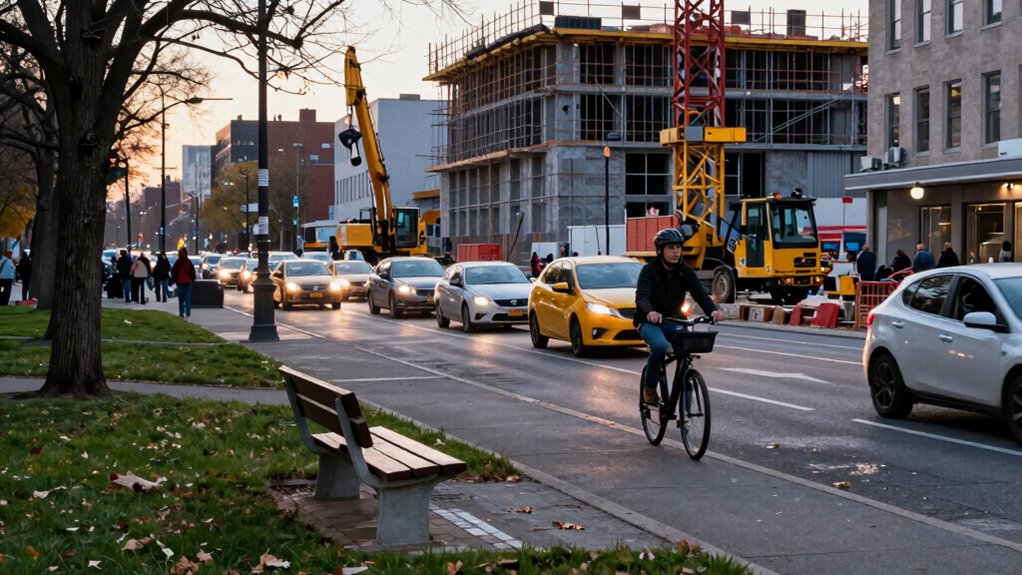
Sound measurement is typically expressed in decibels (dB), a scale that indicates how loud a sound is. The scale is logarithmic, meaning that every 10 dB increase represents a tenfold increase in sound intensity. For example, a whisper might be around 30 dB, while a lawnmower can reach 85 dB. Hearing damage can occur if you’re exposed to sounds above 70 dB for extended periods, and louder noises, such as concerts or fireworks, can cause immediate harm. Understanding these measurements allows you to recognize when noise pollution becomes hazardous, whether it’s from traffic, construction, or loud music.
Distance plays a pivotal role in how loud a sound feels. The closer you are to a noise source, the louder it seems, because sound diminishes with distance. For instance, standing right next to a barking dog exposes you to higher sound levels than being several meters away. This drop-off follows the inverse square law, meaning that doubling your distance from the source reduces the sound level by approximately 6 dB. So, even if a noise source emits a high decibel level at its origin, moving farther away can considerably reduce the perceived loudness, helping you avoid potential noise pollution and its associated health risks. Sound attenuation also depends on environmental factors like obstacles and terrain, which can further influence how sound propagates.
Why “quiet” varies from person to person depends on several factors, including individual sensitivity, environment, and context. What feels quiet in a busy city might be deafening in a quiet rural area. Furthermore, your perception of noise is influenced by your environment—constant background noise can make sudden loud sounds seem more intrusive, while in silence, even modest sounds might seem disruptive. This variability underscores the importance of understanding sound measurement and how factors like distance and environment shape your experience. Recognizing these nuances helps you set personal boundaries and advocate for quieter spaces when needed.
In the end, grasping the basics of noise levels, how they are measured, and how they change with distance empowers you to manage your exposure to noise pollution. Whether you’re trying to protect your hearing, create a peaceful home, or assess your surroundings, understanding these concepts equips you with the knowledge to make smarter choices about sound in your daily life.
Top picks for "noise level explain"
Open Amazon search results for this keyword.
As an affiliate, we earn on qualifying purchases.
Frequently Asked Questions
How Do Decibels Compare to Perceived Loudness?
Decibel comparison shows that a small increase in decibels can substantially boost loudness perception. For example, a 10 dB rise roughly doubles how loud it sounds to you. You perceive loudness based on decibel levels; higher decibels mean greater perceived loudness. So, even modest decibel increases can make sounds feel much louder, affecting how you interpret noise levels around you.
What Tools Can Measure Noise Levels Accurately?
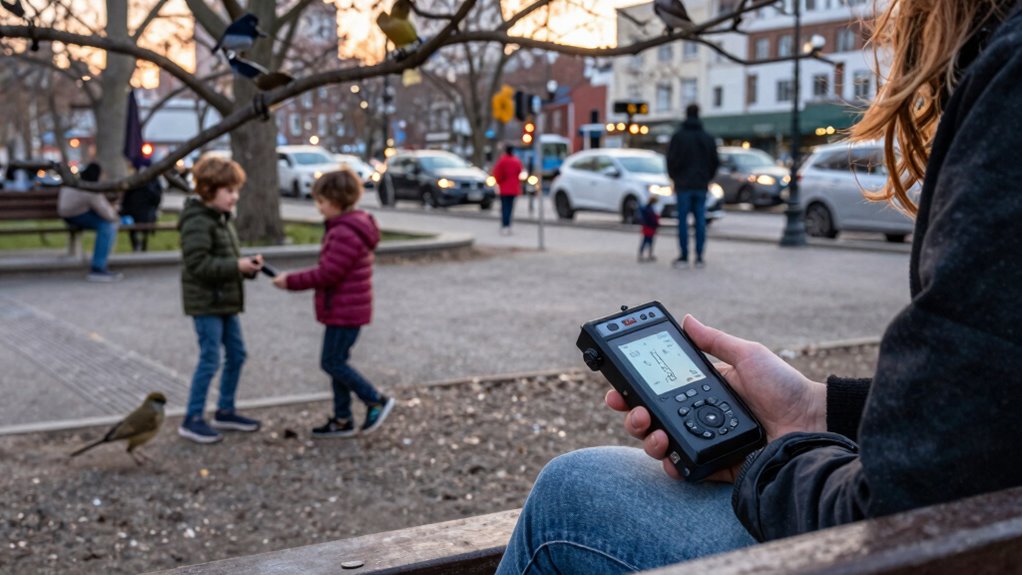
You can measure noise levels accurately with sound level meters, which are professional tools providing precise decibel readings. Remarkably, some smartphone apps now offer decent accuracy, making noise measurement accessible to everyone. These apps utilize your phone’s microphone and calibration algorithms, but for critical measurements, a dedicated sound level meter is best. Both options help you understand your environment’s sound levels effectively and ensure you stay within safe or desired noise limits.
How Does Ambient Noise Influence Perceived Quietness?
Ambient noise, like background noise, directly affects how quiet you perceive an environment to be. When there’s more background noise, your sense of quietness doesn’t feel as strong, and it can even influence your psychological state, making you feel more stressed or distracted. Conversely, in a quieter setting, you’ll likely feel more relaxed and focused. So, the level of ambient noise plays a vital role in shaping your perception of peace and calm.
Are There Health Risks Associated With Specific Decibel Levels?
Yes, exposure to high decibel levels can pose health risks like noise-induced hearing loss and tinnitus. If you regularly experience loud environments above 85 decibels, you increase your risk of hearing damage and tinnitus. Protect your ears by limiting exposure and using ear protection. Staying aware of decibel levels helps you avoid long-term damage, ensuring your hearing stays healthy and reducing the chances of tinnitus developing.
How Do Different Environments Affect Noise Level Perception?
In bustling urban noise, you might find it overwhelming, while natural soundscapes gently soothe your mind. Different environments shape how loud or quiet you perceive, with city sounds often masking softer tones, and serene areas allowing natural voices to shine through. Your perception adapts based on surroundings, making quiet feel more profound in peaceful places and more elusive amid the constant hum of city life.
Conclusion
So, next time you notice how noise feels different from place to place, remember it’s all about decibels and distance. Sometimes, a quiet moment hits just right, and other times, noise sneaks in unexpectedly. It’s funny how our perception changes with each setting, almost like the universe reminds us to appreciate silence when we find it. In those rare quiet moments, you realize they’re more precious than you thought—silent, yet powerful enough to change your whole day.