
TL;DR

Get school and study supplies delivered free — and shop member deals
- Fast, free delivery on millions of items
- Access to Prime Big Deal Days deals on October 6–7
- Prime Video, Amazon Music and more included
India’s earthquake warning system provides short-term alerts based on seismic activity detection but cannot predict earthquakes days or weeks in advance. This distinction impacts disaster preparedness efforts.
India’s earthquake warning system can detect early seismic activity and issue alerts seconds before shaking begins, but it cannot predict earthquakes days or weeks in advance, officials confirm. This distinction is critical for understanding the system’s capabilities and limitations, especially given the country’s vulnerability to seismic events.
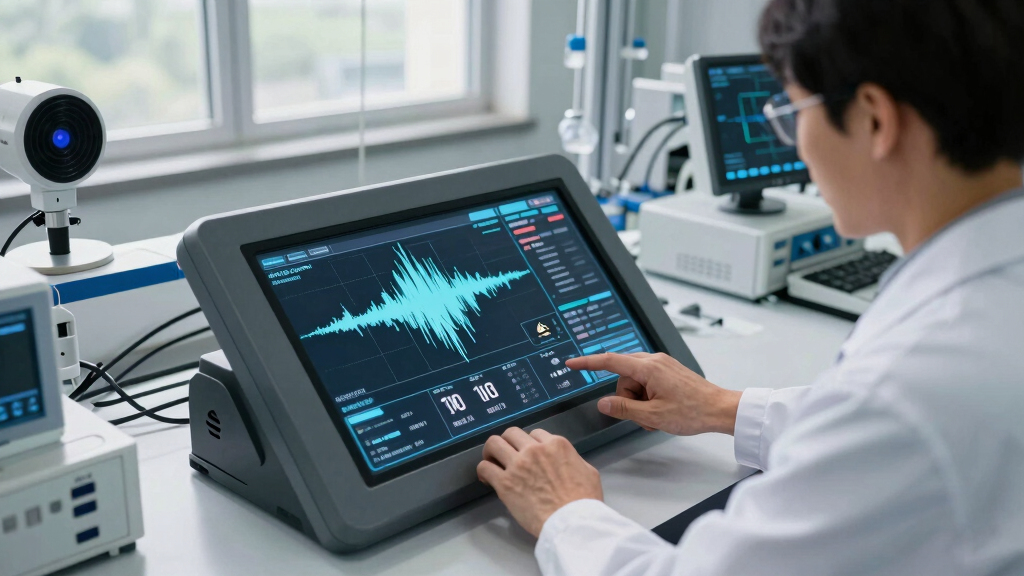
India has established a seismic early warning system that monitors seismic activity in real time across key regions. According to officials from the Indian Meteorological Department (IMD), the system uses a network of sensors to detect initial seismic waves, allowing it to issue alerts seconds before the main shaking reaches populated areas.
However, authorities emphasize that this system does not predict earthquakes before they occur. It cannot forecast the timing, location, or magnitude of future quakes days or weeks in advance, as such predictions remain scientifically unfeasible at this stage. The system’s primary purpose is to provide immediate alerts during ongoing seismic events, enabling quick response and safety measures.
Implications for Disaster Preparedness in India
This distinction between detection and prediction is vital for policymakers and the public. While early warning can save lives by providing crucial seconds to take cover, it cannot replace long-term preparedness strategies. Understanding the system’s actual capabilities helps avoid overreliance on technology for earthquake prediction and encourages continued investment in resilient infrastructure and community awareness programs.
As an affiliate, we earn on qualifying purchases.
India’s Seismic Monitoring and Early Warning Efforts
India is one of the most seismically active regions in the world, especially along the Himalayan belt and the northeastern states. The Indian government has been investing in seismic monitoring networks since the early 2000s, with recent enhancements aimed at providing real-time alerts. The Indian Meteorological Department (IMD) launched its earthquake early warning system in recent years, collaborating with international agencies to improve detection capabilities.
While the system has shown promise in providing seconds of warning during recent tremors, experts note that earthquake prediction remains scientifically elusive. The system’s focus is on rapid detection during an event, not on forecasting future earthquakes, which involves complex geological modeling beyond current technological capabilities.
“Our system is designed to detect seismic waves immediately after they start, giving us seconds to alert the public. It does not predict earthquakes before they happen.”
— Dr. Anil Kumar, Seismologist at IMD
As an affiliate, we earn on qualifying purchases.
Uncertainties About Long-Term Earthquake Forecasting
It remains unclear whether future technological advancements will enable reliable long-term earthquake prediction. Current scientific consensus indicates prediction beyond seconds or minutes is not yet feasible, but research continues.
As an affiliate, we earn on qualifying purchases.
Next Steps for India’s Earthquake Preparedness Efforts
India plans to expand and upgrade its seismic monitoring network, improving detection speed and coverage. Authorities also aim to increase public awareness about the system’s capabilities and limitations. Ongoing research into earthquake forecasting methods continues, but no timeline for reliable long-term prediction has been set.
As an affiliate, we earn on qualifying purchases.
Key Questions
Can India’s earthquake warning system predict earthquakes days in advance?
No, it cannot predict earthquakes days or weeks ahead. It provides real-time alerts seconds before shaking begins based on seismic activity detection.
How effective is the system in saving lives?
The system can give seconds to minutes of warning during an earthquake, which can help people take cover and reduce injuries, especially in urban areas.
Why can’t the system predict earthquakes in advance?
Earthquake prediction involves complex geological processes that are not yet fully understood or measurable. Current technology can only detect seismic waves once they start, not forecast their occurrence beforehand.
What are the limitations of India’s earthquake warning system?
The system is limited to real-time detection and alerting during ongoing seismic events. It does not provide long-term forecasts or early warnings about future earthquakes.
What is the scientific outlook on earthquake prediction?
Most scientists agree that reliable prediction of earthquakes days or weeks in advance is not currently possible, though research continues to improve early detection and understanding of seismic risks.
Source: google-trends
Fall Picks
fall essentials
As an affiliate, we earn on qualifying purchases.