If your identity is stolen, act immediately by reporting it to law enforcement and filing an official police report. Contact your banks and credit card companies to limit damage, then place fraud alerts or freeze your credit with credit bureaus. Review your credit reports and bank statements closely for suspicious activity. Change your passwords and tighten your account security. Keep track of all details and prepare a recovery plan—more steps to protect yourself follow if you continue.
Key Takeaways
- Report the theft to law enforcement immediately and file an official police report.
- Contact your banks and credit card companies to freeze accounts and monitor for suspicious activity.
- Notify credit bureaus to place fraud alerts and consider freezing your credit files.
- Change all affected account passwords with strong, unique credentials.
- Document all incidents, communications, and suspicious activities for future reference.
Report the Identity Theft to Law Enforcement Immediately
If you discover that your identity has been stolen, it’s essential to report the crime to law enforcement right away. Filing a police report creates an official record of the theft, which can be key for identity recovery and disputing fraudulent charges. When reporting, provide as much detail as possible, including suspicious accounts or transactions. Law enforcement can guide you on next steps and may offer legal assistance if needed. Acting swiftly not only helps protect your rights but also limits potential damage. Remember, a police report is a crucial document for contesting fraudulent activity and working with credit bureaus. Timely reporting can significantly improve your chances of preventing further misuse of your personal information. Don’t delay—early action gives you a better chance of resolving the situation effectively. Being aware of affiliates and how they are used can also help you understand the importance of reporting and safeguarding your personal information. Knowing how identity theft detection tools work can further enhance your ability to monitor and protect your identity proactively.
Notify Your Banks and Credit Card Companies Right Away
You should contact your banks and credit card companies immediately to report the theft. They can freeze unauthorized accounts quickly and prevent further losses. Keep a close eye on your account activity to catch any suspicious transactions early. Additionally, consider updating your security settings to enhance protection against future fraud.
Contact Financial Institutions Immediately
As soon as you suspect identity theft, contact your banks and credit card companies without delay. Promptly alert them to prevent further damage and assist with identity verification. Be cautious of phishing scams that aim to steal your information; always verify you’re speaking with legitimate representatives. When you call, ask for fraud departments and follow their instructions. Keep records of all communications and transactions. Use the table below to understand what details to have ready:
| Information Needed | Purpose | Tips |
|---|---|---|
| Recent transactions | Confirm unauthorized activity | Review statements thoroughly |
| Personal identification info | Verify your identity | Be ready with PINs or security questions |
| Contact details of accounts | Update or freeze accounts | Ensure details are current |
| Suspicious emails or links | Report phishing scams | Never click unknown links |
Quick action helps protect your finances during this critical time. Vetting of your information is crucial to prevent further identity misuse. Additionally, being aware of the latest identity theft tactics can help you recognize and prevent future attempts. Staying informed about common security breaches can further strengthen your defenses against fraud. Being proactive in monitoring your credit reports can help detect suspicious activity early and minimize damage. Remember that identity recovery often requires swift and deliberate steps to restore your financial standing effectively.
Freeze Unauthorized Accounts Quickly
Did you notice suspicious activity on your accounts? Act quickly to freeze unauthorized accounts and prevent further damage. Contact your banks and credit card companies immediately to notify them of the fraud. They’ll perform identity verification to confirm your identity and freeze or close compromised accounts. This step is essential for account recovery and avoiding fraud escalation. Be aware that early detection of unusual activity can significantly improve your chances of minimizing damage from odor-related signals.
A quick response can also help you utilize support breakfast options, such as contacting your bank’s customer service for assistance or finding resources that can guide you through the recovery process.
- Request a freeze on all affected accounts to stop any fraudulent transactions.
- Confirm your identity with the bank or credit card issuer to expedite account recovery.
- Keep records of all communications for future reference and dispute resolution.
Taking swift action helps limit financial loss and secures your accounts from ongoing unauthorized access. Don’t delay—your prompt response is critical in protecting your identity and finances.
Monitor Account Activity Closely
Once you’ve contacted your banks and credit card companies to freeze unauthorized accounts, it’s crucial to keep a close eye on your account activity. Regular account monitoring helps you identify any suspicious transactions quickly and verify if your identity verification efforts are successful. Check your bank and credit card statements daily, looking for unfamiliar charges or withdrawals. Set up account alerts to receive real-time notifications of activity, so you can respond promptly if anything unusual occurs. If you spot any discrepancies, report them immediately. Staying vigilant ensures you catch potential fraud early, minimizing damage. Remember, continuous account monitoring is an indispensable step in safeguarding your financial information after identity theft. It empowers you to act swiftly and protect your finances moving forward. Incorporating connected appliances into your security measures can also provide additional oversight and help detect anomalies. Regularly updating your security practices and understanding identity theft prevention strategies further strengthen your defenses. Additionally, understanding deep-sky imaging techniques can help you better recognize unusual activity in your digital environment, much like astronomers identify unusual celestial phenomena. Practicing digital literacy enhances your ability to spot and respond to potential threats effectively. Developing a comprehensive cybersecurity plan ensures you’re prepared for any future incidents and reinforces your overall protection.
Freeze or Place Fraud Alerts With Credit Bureaus
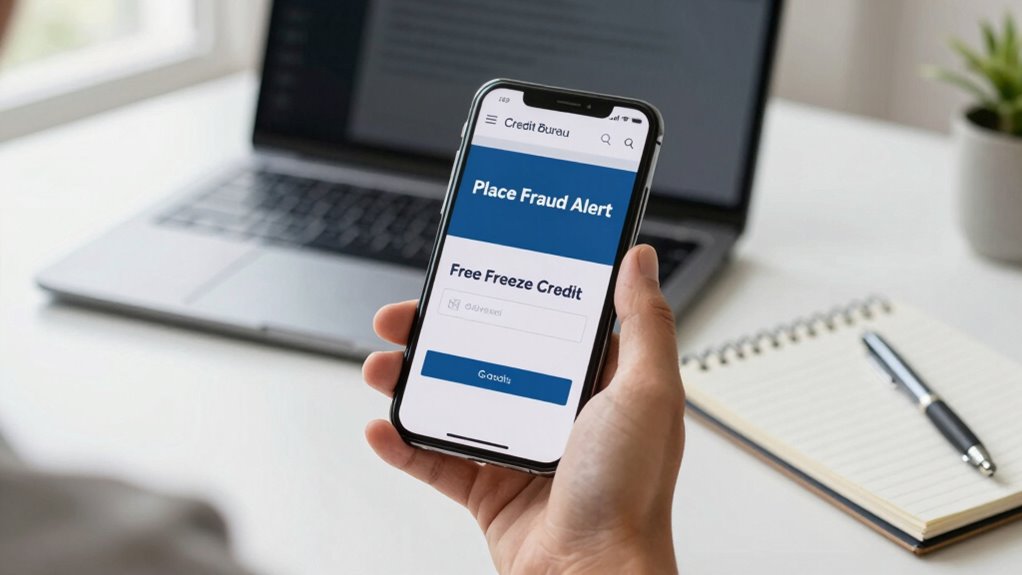
You should consider freezing your credit or placing a fraud alert to protect yourself. Freezing your credit blocks lenders from accessing your report, while fraud alerts notify potential creditors to verify your identity. Contact your credit bureaus to set these up quickly and keep your information safe. Additionally, being aware of water safety measures can help prevent further issues if your personal information has been compromised. Understanding bank SWIFT/BIC codes can also be useful if you need to monitor or secure your financial transactions. Knowing the resale value of electric dirt bikes can assist if you decide to sell or replace your stolen items. Incorporating Gold IRA markets information can help you stay informed about investment security options if your financial accounts are affected. Remember that both options are part of a comprehensive privacy policy that aims to safeguard your data and maintain transparency in how your information is handled.
How to Freeze Credit
If you suspect your identity has been compromised, freezing your credit is a crucial step to prevent further damage. A credit freeze restricts access to your credit report, making it harder for thieves to open new accounts in your name. To initiate a credit freeze, contact each of the three major credit bureaus—Equifax, Experian, and TransUnion—and request the freeze. Remember, you’ll need to provide identification and a PIN or password for future unfreezing. This action enhances your identity protection by locking your credit files until you choose to lift the freeze. Thermal behavior of your credit report can also be affected by certain security measures. Understanding the regulations governing haute couture can also help you recognize the importance of exclusive and secure craftsmanship in luxury fashion.
Setting Up Fraud Alerts
Setting up fraud alerts with credit bureaus is a proactive way to notify potential lenders that your identity may be compromised. When you place a fraud alert, it prompts credit bureaus to conduct extra identity verification before extending credit, helping prevent fraud. This step adds an extra layer of fraud prevention by making it more difficult for identity thieves to open accounts in your name without your knowledge. To set up an alert, contact each of the three major credit bureaus—Experian, Equifax, and TransUnion—and request a fraud alert be added to your file. These alerts typically last for one year and are free. Keep in mind, placing a fraud alert can help protect your credit while you work on securing your identity. Additionally, understanding the importance of individual evidence can be useful if you need to verify your identity during investigations or disputes. Being aware of your credit report and monitoring it regularly can also help you spot suspicious activity early.
Notifying Credit Bureaus
Notifying credit bureaus is a crucial step in protecting your identity after it’s been compromised. You should request a credit report to review any suspicious activity and verify your identity. Placing a fraud alert or freezing your credit can prevent further unauthorized accounts from opening. When you contact the bureaus, they’ll conduct identity verification to confirm your identity before making changes.
Consider these key points:
- A fraud alert signals lenders to verify your identity before extending credit.
- Freezing your credit locks your report, stopping new credit lines without your approval.
- Regularly reviewing your credit report helps catch ongoing or unnoticed fraud early.
Taking these actions swiftly can limit damage and help you regain control of your financial identity.
Review Your Credit Reports and Financial Statements Regularly
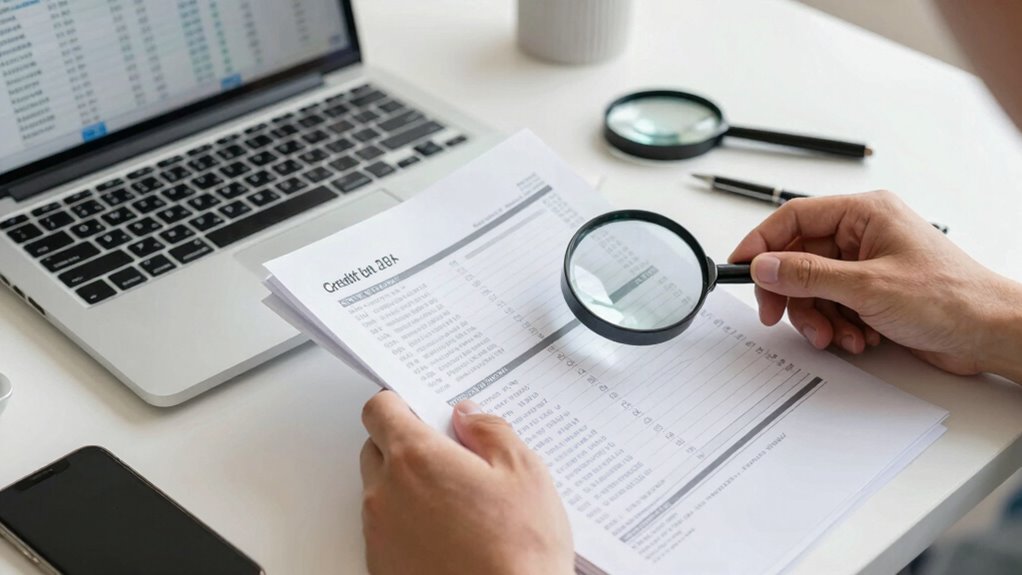
Regularly reviewing your credit reports and financial statements is one of the most effective ways to catch identity theft early. A thorough credit report review helps you spot unfamiliar accounts, inquiries, or charges that could indicate fraud. Financial statement monitoring, such as checking bank and credit card statements, allows you to identify suspicious transactions promptly. By staying vigilant, you can detect unauthorized activity before it causes significant damage. Make it a habit to review these documents at least monthly, especially after suspecting any breach. Early detection through consistent review enables you to act quickly, report fraud, and minimize financial loss. Remember, staying proactive is key to protecting your identity and maintaining control over your finances.
Change Passwords and Secure Your Accounts Now
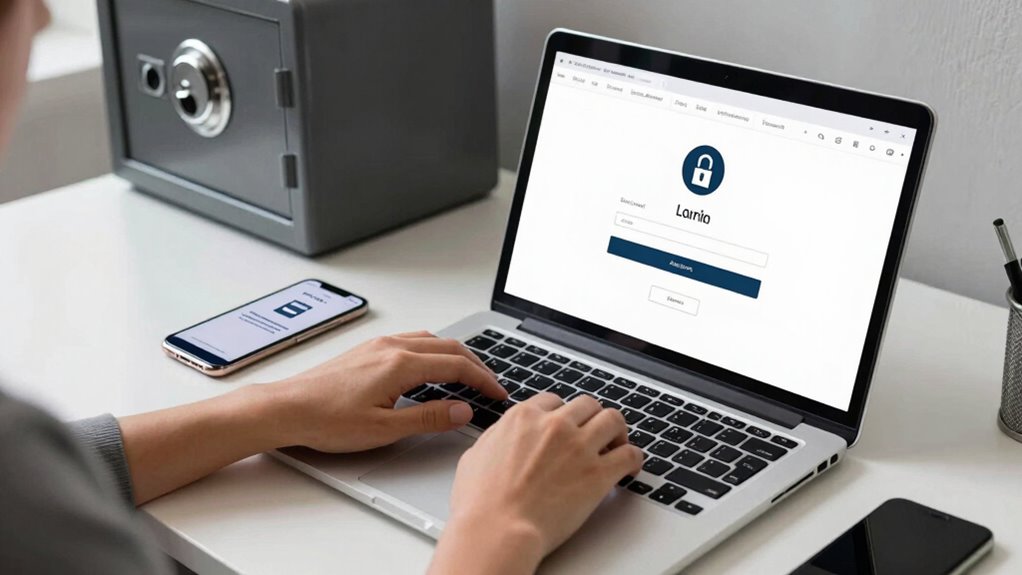
After reviewing your credit reports and statements for signs of fraud, it’s equally important to take immediate steps to protect your accounts. Start by updating your passwords across all affected accounts. Use strong, unique passwords that combine letters, numbers, and symbols to boost account security. Avoid reusing old passwords or common phrases. Consider enabling two-factor authentication where possible for added protection. Regular password updates help prevent unauthorized access and safeguard your sensitive information.
- Create complex passwords that are hard to guess
- Enable multi-factor authentication for critical accounts
- Review and tighten security settings on your financial sites
Taking these actions quickly minimizes further damage and reinforces your account security during this vulnerable time.
Document Everything and Develop a Recovery Plan

To effectively recover from identity theft, you need to document every detail of the incident and develop a clear action plan. Start by recording dates, times, and descriptions of suspicious activity, including any communications or transactions. Keep copies of relevant documents, such as bank statements, emails, and police reports. Seeking legal advice can help you understand your rights and ensure proper procedures are followed. It’s also important to seek emotional support, as dealing with identity theft can be stressful and overwhelming. Develop a recovery plan that includes notifying financial institutions, placing fraud alerts, and monitoring your credit reports regularly. Staying organized and proactive will help you regain control faster and minimize further damage.
Frequently Asked Questions
How Long Does It Typically Take to Resolve Identity Theft Issues?
Resolving identity theft issues usually takes anywhere from a few weeks to several months, depending on the complexity. You should start by monitoring your credit reports and credit monitoring services to catch suspicious activity early. Legal assistance can accelerate the process of disputing fraudulent accounts and restoring your identity. Staying proactive and persistent helps minimize damage and ensures a quicker resolution.
Can Identity Theft Impact My Current Employment?
Identity theft can impact your current employment, especially if the thief commits employee fraud using your identity. It might show up during background checks, raising concerns for your employer. You could face suspicion or even job risks if the fraud isn’t detected quickly. To protect yourself, inform your employer and authorities promptly, and monitor your credit reports regularly. Acting swiftly helps minimize potential damage to your job and reputation.
What Are the Signs That My Identity Has Been Stolen?
You might notice subtle signs like unfamiliar charges, unexpected emails, or alerts from credit monitoring services. Fraud alerts on your accounts can hint at someone trying to access your information. Keep an eye on your credit reports, and if you see something suspicious, act quickly by placing additional fraud alerts and reviewing your accounts thoroughly. These steps help catch the silent whispers of identity theft early, protecting your financial integrity.
Should I Notify the Federal Trade Commission (FTC)?
Yes, you should notify the FTC immediately. Reporting procedures involve visiting IdentityTheft.gov and filing a report, which helps create a recovery plan. FTC notification is essential because it alerts authorities to your situation and helps prevent further damage. By taking prompt action, you get access to resources and steps to protect your identity, making it easier to recover and secure your personal information quickly.
How Can I Prevent Future Identity Theft After Recovery?
Your identity is more fragile than glass, so safeguard it fiercely. Set up credit monitoring and place fraud alerts on your accounts to catch suspicious activity early. Regularly review your credit reports and update passwords with strong, unique combinations. Be cautious with sharing personal info online, and stay vigilant for signs of fraud. These steps create a fortress around your identity, making future theft nearly impossible to breach.
Conclusion
Remember, acting quickly is your shield against the chaos of identity theft. Each step you take is like locking a door before the thief can slip inside. By reporting swiftly, securing your accounts, and staying vigilant, you regain control and turn the tide in your favor. Don’t let the shadow of theft darken your financial future—stand firm, act decisively, and reclaim your peace of mind before the storm passes.