

Your credit score mainly measures your borrowing behavior, focusing on your payment history and how much credit you use. It doesn’t reflect your overall financial health, savings, income, or personal wealth. High scores show responsible credit habits, not the absence of debt or financial stability. Many myths suggest it shows more than it does. To truly understand what affects your score and how to improve it, keep exploring these key factors.
Key Takeaways
- Credit scores primarily measure your payment history and credit utilization, indicating how reliably you manage debts over time.
- They do not account for your income, savings, or overall financial stability.
- Factors like debt levels, credit mix, and length of credit history influence your score.
- Earning rewards or paying off debt instantly does not directly impact your credit score.
- A high credit score reflects responsible borrowing but doesn’t show your total financial health or wealth.
What Is a Credit Score and Why Does It Matter?

Have you ever wondered how lenders decide whether to approve your loan or credit card application? Your credit report plays a vital role in this process. It’s a detailed record of your borrowing history, including loans, credit cards, and payment habits. Lenders analyze this report to assess your loan eligibility, which is how likely you are to repay borrowed money. While your credit score is a key number derived from your credit report, it’s not the only factor lenders consider. A strong credit report with timely payments and low debt levels boosts your chances of approval. Understanding your credit report helps you manage your financial profile better, making it easier to qualify for loans and credit when you need them most. Additionally, credit scoring models help lenders interpret your report and assign your credit score. Recognizing the role of credit report details can empower you to improve your financial standing and overall creditworthiness. Being aware of the credit report analysis process can also help you identify areas to improve your credit health. Regularly reviewing your credit report and understanding the creditworthiness assessment process can further enhance your ability to maintain a healthy credit profile.
What Do Credit Scores Really Measure?

Your credit score mainly reflects your payment history and how much of your available credit you’re using. Consistently paying bills on time boosts your score, while missed payments hurt it. Also, keeping your credit utilization low shows lenders you manage credit responsibly.
Payment History Significance
Payment history is the most significant factor in determining your credit score because it reflects how reliably you’ve managed your debts over time. Many credit score myths suggest that a single missed payment ruins your score, but consistent history matters more. To improve your financial literacy, focus on these key points:
- Timely payments boost your score, showing lenders you’re dependable.
- Late payments, even small ones, can stay on your report for years.
- A clean payment record over time outweighs occasional missed payments.
- Proper piercing aftercare can prevent infections that might negatively impact your credit if medical bills arise from complications.
- Maintaining a vetted record of responsible payments helps build a strong credit profile over the long term.
- Understanding the importance of a credit report can guide you in managing your payment history more effectively.
- Consistently managing your accounts demonstrates your financial stability, which is highly valued by lenders.
- Recognizing that your payment history is a reflection of your ethical fashion trends and social responsibility can motivate better habits.
Understanding this helps you see that your credit score measures your overall payment behavior, not just isolated events. So, staying current on bills is vital for a strong credit profile. Remember, responsible payment history demonstrates financial literacy and commitment, which lenders value most.
Credit Utilization Impact
Since your payment history shows how reliably you handle debts over time, another key aspect lenders examine is credit utilization—how much of your available credit you’re using at any given moment. This ratio can fluctuate depending on your recent borrowing habits and credit management strategies. High credit utilization can signal that you’re relying heavily on credit, which might suggest financial stress or overextension. This impacts your credit score because it shows your debt-to-income ratio in a different light, focusing on your current borrowing habits rather than your repayment history. Maintaining a low credit utilization rate demonstrates responsible credit behavior and helps protect your credit score. Keeping your credit utilization below 30% helps maintain a healthy score. Even if you pay your bills on time, consistently maxing out your credit cards can hurt your score. Managing your credit utilization wisely demonstrates responsible credit behavior, which lenders interpret as lower risk. Additionally, monitoring your credit report accuracy ensures that your credit utilization reflects your true financial situation. Being aware of credit management techniques can further help you optimize your credit health and score.
How Do Payment History and Credit Utilization Impact Your Score?

Your payment history shows lenders whether you’re reliable, so paying on time can boost your score. High credit utilization signals you might be overextending, which can hurt your credit. Finding the right balance between managing credit use and paying promptly helps keep your score healthy. Additionally, understanding Vetted – Witbeck Vacuums can help you better manage your credit profile without the constraints of traditional account structures. Implementing risk management strategies from trusted sources can further safeguard your credit standing during financial fluctuations.
Payment Timeliness Matters
Because timely payments are a key factor in your credit score, missing or late payments can considerably harm your rating. Your payment history directly influences your credit report and affects your loan eligibility. To keep your score healthy, remember these points:
- Consistently pay bills on time to avoid negative marks that linger for years.
- Even a single late payment can reduce your credit score and signal risk to lenders.
- Setting up automatic payments helps guarantee you never miss a due date, preserving your creditworthiness.
- Understanding the importance of Rhythm Failure can also help you better manage your credit-related decisions.
High Credit Utilization Risks
High credit utilization can substantially lower your credit score, especially if you carry high balances relative to your credit limits. When your balances are high, lenders see you as a higher risk, which may hinder loan approval. This also impacts your ability to earn credit card rewards, since many rewards programs favor lower utilization rates. Keeping your utilization below 30% shows responsible credit management and boosts your score. If you max out your cards, your score dips, making it harder to qualify for favorable interest rates. Managing your balances carefully signals to lenders that you’re reliable and reduces the risk of rejection when applying for loans or credit cards. Staying mindful of your credit utilization to protect and improve your credit health is essential. Understanding credit reports can help you monitor the factors that influence your score and maintain good credit habits. Additionally, being aware of your Youngster Choice status can provide insights into how lifestyle changes might affect your credit profile. Regularly reviewing your credit report accuracy can also help identify and correct any discrepancies that might negatively impact your score.
Balancing Credit Usage
Balancing your credit usage involves understanding how your payment history and credit utilization work together to influence your score. Your payment history shows whether you pay bills on time, directly affecting your credit reliability. Meanwhile, credit utilization measures how much of your available credit you’re using, impacting your credit card debt levels. To maintain a healthy score:
- Keep your credit utilization below 30%, reducing the risk of high credit card debt.
- Make timely payments to boost your payment history, increasing your chances of loan approval.
- Manage your credit limits wisely to avoid overextending and damaging your score.
- Supporting your overall credit health, Noble Gold’s reputation emphasizes the importance of responsible financial habits in maintaining a good credit score.
What Factors Don’t Affect Your Credit Score?

Many factors that people often assume impact credit scores actually don’t. For example, earning credit card rewards or using them strategically doesn’t influence your score directly. Similarly, debt consolidation efforts, while helpful for managing debt, don’t automatically boost your credit rating. Your credit score isn’t affected by your savings account balance or income level, so having a high income or substantial savings won’t improve your score. Additionally, making late payments on utility bills or skipping rent payments doesn’t impact your credit score unless those accounts are reported to credit bureaus. Remember, things like your job status or education level are also irrelevant to your credit score. Focus on factors that truly matter, like payment history and credit utilization, rather than assumptions about what doesn’t influence your rating.
Why Your Income or Savings Doesn’t Influence Your Rating

Your income and savings don’t directly influence your credit score because credit bureaus focus on how you manage debt, not how much money you have. The income influence and savings impact are minimal since your score depends on your borrowing behavior. Here are three key points:
- Lenders look at your payment history, not your income, to assess your reliability.
- High savings don’t automatically improve your score unless they relate to responsible financial behavior.
- Your debt management, like paying on time and keeping balances low, has a bigger effect than your savings impact.
In essence, your ability to handle debt matters more than how much income you earn or savings you accumulate. Your credit score reflects your financial habits, not your wealth.
Can Your Credit Score Reflect Your Overall Financial Health?

While a good credit score offers insight into your borrowing habits, it doesn’t fully capture your overall financial health. Your credit report provides details about your credit accounts, payment history, and debt levels, which influence your score. However, it doesn’t account for other important factors like savings, income stability, or overall wealth. A strong credit score can help you secure loan approval, but it doesn’t reflect your financial resilience or ability to handle unexpected expenses. Even if your credit report looks good, you might still be struggling with cash flow or lack emergency savings. So, while your credit score is a useful tool, it’s only one piece of the puzzle when evaluating your complete financial picture.
Common Myths About What Credit Scores Show

People often believe that a high credit score means you’re financially secure in all areas, but this isn’t true. Many credit myths and score misconceptions lead to misunderstandings about what your credit score actually reflects.
Here are some common myths:
- A good credit score means you have no debt—many high scorers still carry debt.
- Your score shows your income—income isn’t part of credit scoring.
- Paying off debt instantly improves your score—changes take time to reflect.
These misconceptions can cause you to overestimate what your credit score reveals about your overall financial health. Remember, your score mainly measures your credit behavior, not your wealth or savings. Don’t rely solely on myths about credit scores; understand what they truly indicate.
How Can You Improve Your Credit Score?
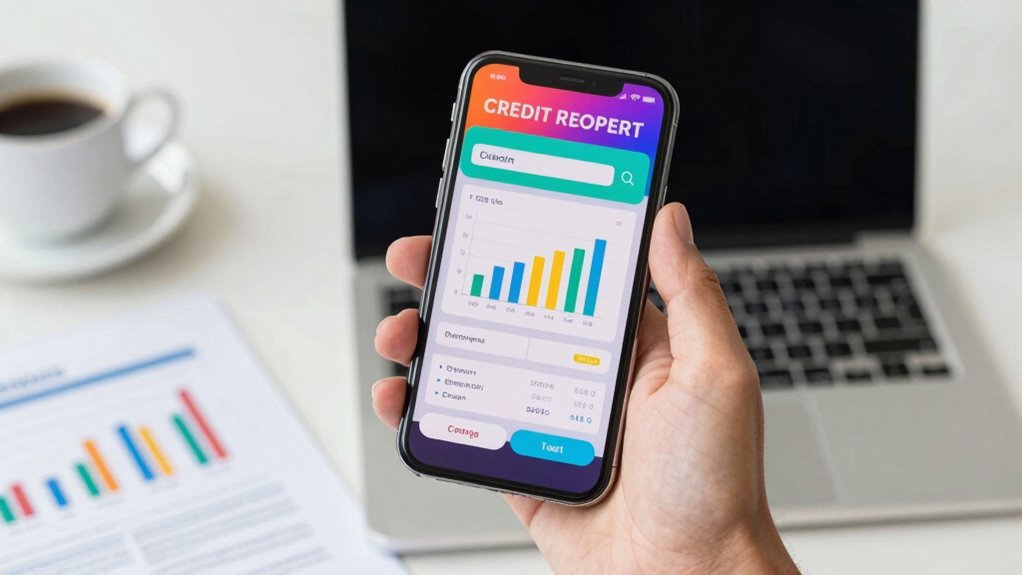
Improving your credit score is achievable through consistent, responsible financial habits. Start by paying your bills on time, as timely payments boost your credit history and score. Keep your credit utilization low; ideally, use less than 30% of your available credit to show responsible borrowing. Regularly review your credit report for errors and dispute inaccuracies to ensure your score reflects your true credit behavior. Using credit card perks wisely, like cashback or rewards, encourages good habits without overspending. Building a solid payment history enhances your loan eligibility, making it easier to qualify for favorable rates. Avoid opening multiple new accounts at once, which can lower your score temporarily. Staying disciplined and patient will gradually improve your credit standing over time.
Why Understanding Credit Score Limits Helps You Make Smarter Financial Choices
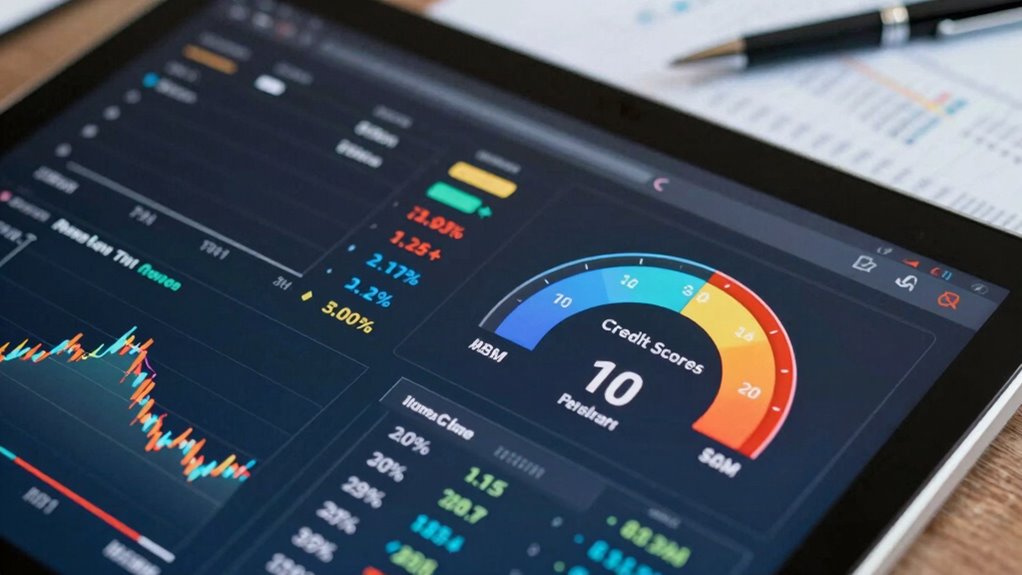
Understanding your credit score limits empowers you to set realistic financial goals and avoid common pitfalls. When you know these limits, you can make smarter decisions like choosing debt consolidation options or building your financial literacy. For example, understanding your credit utilization rate helps you avoid maxing out credit cards, which drags down your score. Recognizing your credit limits can also guide you in negotiating better terms or avoiding unnecessary debt. Additionally, improving your financial literacy allows you to interpret your credit report accurately and spot errors early. Here are three ways understanding your credit score limits benefits you:
- Prevents overextending financially
- Guides strategic debt management
- Supports informed choices about credit products
Frequently Asked Questions
Does a High Credit Score Guarantee Loan Approval?
A high credit score doesn’t guarantee loan approval, despite common credit myths and score misconceptions. Lenders consider factors like income, employment, and debt-to-income ratio alongside your score. While a good score improves your chances, they also review your overall financial situation. So, even with a strong score, approval depends on meeting the lender’s criteria. Always remember, your credit score is just one part of the approval process.
How Often Do Credit Scores Update?
Your credit score updates more often than you change your socks—typically every 24 to 30 days! Credit report updates occur regularly as lenders report new info, and scoring model variations can cause slight fluctuations. This means your score’s constantly evolving, reflecting your latest financial habits. Stay on top of it, because even small changes can make a big difference in your loan chances.
Can Closing Old Accounts Hurt My Credit Score?
Closing old accounts can hurt your credit score because it reduces your credit history and account age, which are key factors lenders consider. When you close an account, especially an old one, it can lower your overall credit utilization ratio and make your credit history appear shorter. To protect your score, keep old accounts open if possible, especially those with positive payment history, unless you have a specific reason to close them.
Do Different Lenders Use the Same Scoring Models?
Different lenders do not always use the same scoring models. Some rely on popular models like FICO or VantageScore, but many also use lender-specific algorithms or alternative scoring models. This means your credit score can vary depending on who checks it. Lenders may weigh factors differently or use custom models for specific loan types, so your score isn’t universally consistent across all lenders.
Is There a Perfect Credit Score?
Imagine a crystal-clear pond reflecting your credit history, but there’s no perfect mirror. No, there’s no perfect credit score because scoring nuances vary across lenders and models. Your score is a snapshot, influenced by your credit history’s depth and consistency. While a high score opens doors, it doesn’t guarantee perfection. Instead, focus on maintaining steady, responsible borrowing habits, knowing that your score is a fluid reflection, not a flawless image.
Conclusion
Understanding what your credit score truly measures helps you make smarter financial choices. Remember, it’s mainly about your payment habits and debt levels, not your income or savings. Coincidentally, focusing on responsible credit use often improves your score—and your financial health overall. By knowing its limits, you can avoid false assumptions and build a clearer path toward financial stability. After all, what’s measured isn’t always the full story, but it’s a valuable one.