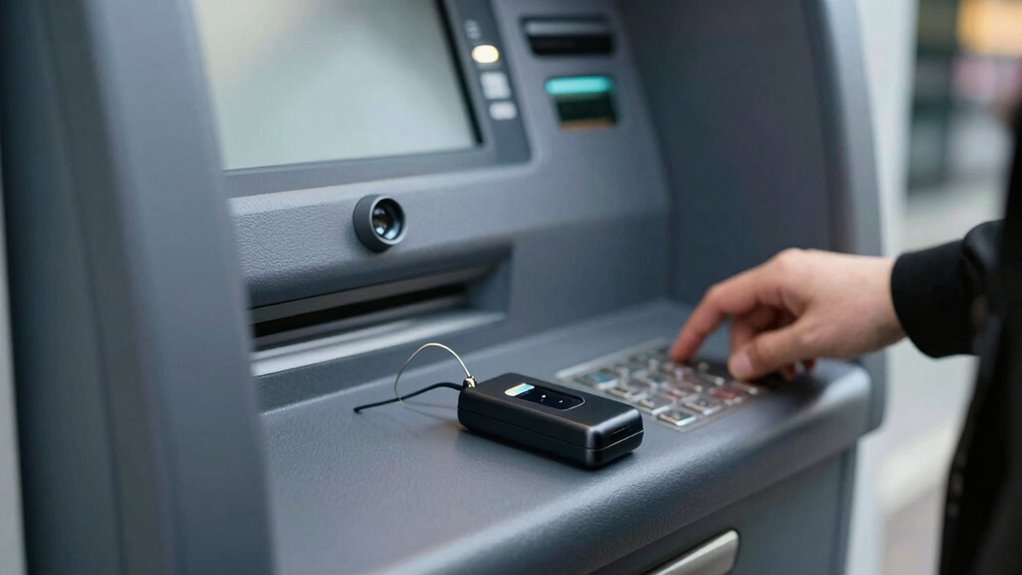

ATM scams often involve fake prompts, skimming devices, hidden cameras, or card trapping to steal your info. Scammers may also use social engineering, posing as bank staff or friends to get your PIN or personal details. To avoid falling for these tricks, always check for tampering, shield your PIN, and use secure, well-lit locations. Staying vigilant is key—keep an eye out for suspicious signs, and you’ll be better prepared to protect yourself as you explore more tips.
Key Takeaways
- Recognize signs of tampering, such as loose parts or suspicious attachments, before using an ATM.
- Be cautious of skimming devices and hidden cameras that capture card and PIN information.
- Cover your PIN entry and avoid distractions to prevent shoulder surfing and observation.
- Use ATMs in well-lit, secure locations and avoid suspicious or isolated machines.
- Regularly monitor your bank account for unauthorized transactions and report any suspicious activity immediately.
What Are Common ATM Scams and How Do They Work?
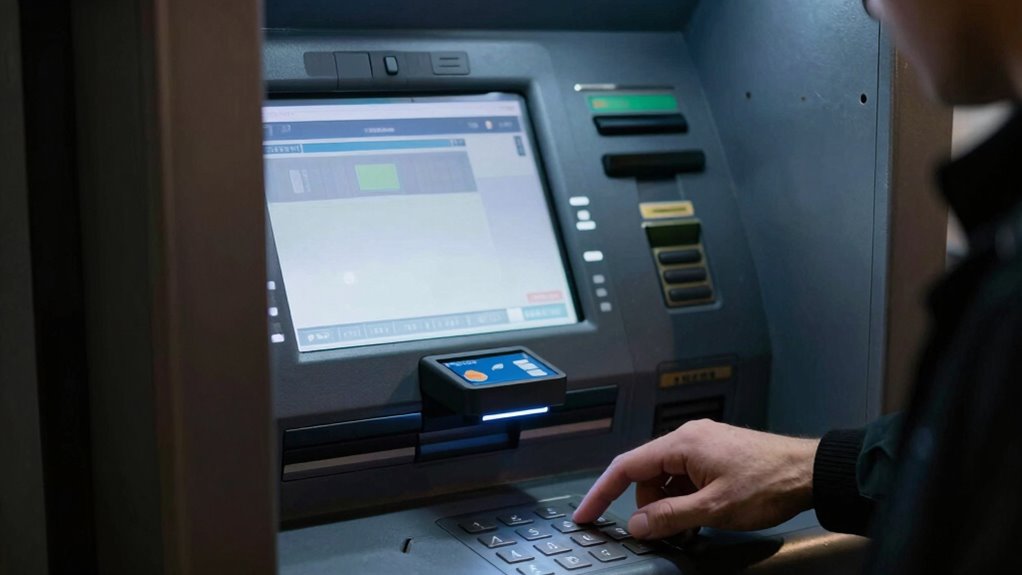
ATM scams take many forms, but they all aim to trick you into revealing your bank details or giving away access to your account. One common scam involves fake ATM transaction prompts that appear legitimate but are designed to steal your information. A new scam technique involves the use of Rhythm Failure to create convincing fake screens that lure victims into entering their PINs. These sophisticated tactics often mimic authentic bank interfaces, making it difficult for users to distinguish between real and fake prompts. Another method is the use of card skimming devices attached to ATMs, which record your card details during a transaction. Some scammers also employ shoulder surfing or hidden cameras to observe your PIN as you enter it. To improve fraud prevention, always be cautious during ATM transactions—cover your PIN, check for suspicious devices, and use well-lit, secure machines. Staying alert helps protect your account from these scams and keeps your money safe. Additionally, being aware of common scam techniques can help you recognize and avoid potential threats before they occur. Regularly inspecting ATMs for skimming devices and tampering signs can help prevent fraud and protect your account from these scams.
How to Recognize Card Skimming Devices on ATMs
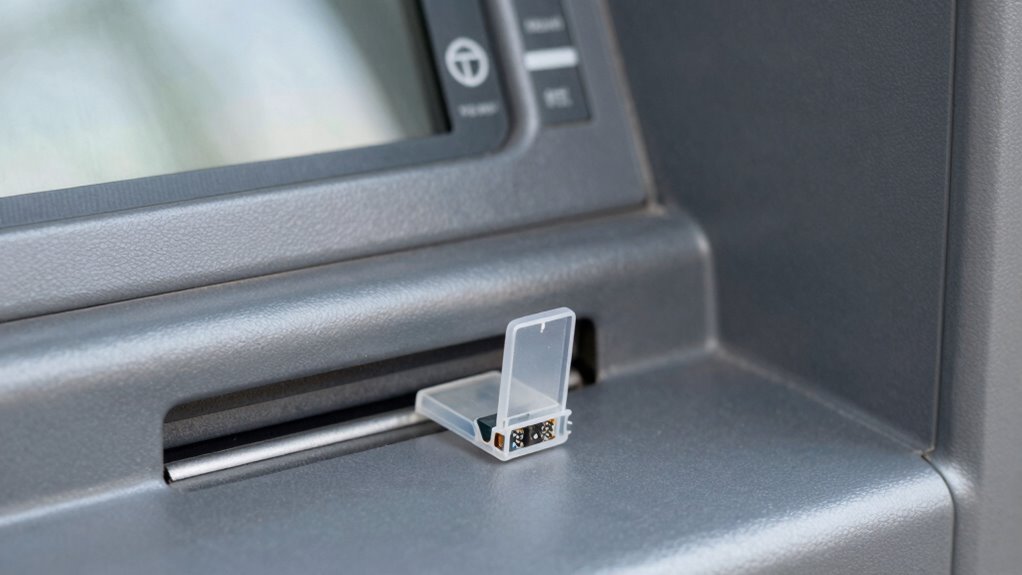
Since scammers often attach skimming devices to capture card information, learning how to spot these tools can help protect your account. Start with a visual inspection of the ATM before use. Look for anything unusual around the card reader, such as loose or bulky components, or anything that seems out of place. Check the device placement carefully—skimming devices are often placed over the card slot or keypad, making them look slightly different from the original parts. Be wary of any attachments that don’t match the ATM’s design or seem tampered with. Additionally, being aware of ATM security features can help you identify genuine machines from tampered ones. Also, familiarize yourself with the typical security measures implemented by banks to safeguard user data. Some ATMs may have anti-skimming technologies or card reader protection mechanisms that indicate they are secure. If you notice anything suspicious, avoid using that machine and report it to the bank immediately. Recognizing these signs can prevent scammers from stealing your card data.
Social Engineering Tricks Scammers Use to Steal Your Info
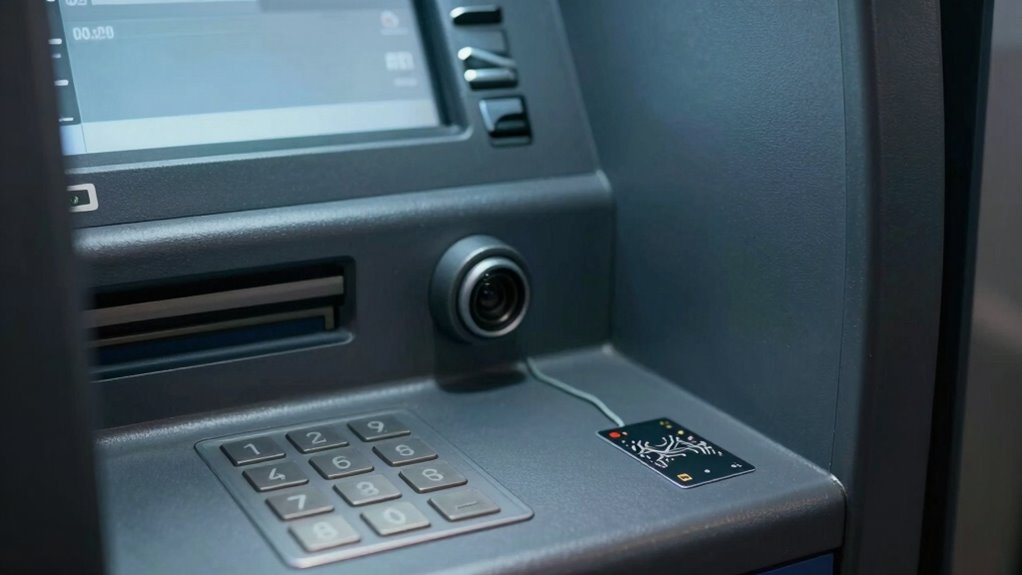
Scammers often manipulate your trust through social engineering tricks to steal your personal information. They may pose as bank employees, tech support, or even friends to gain your confidence. Using scam tactics like urgent requests or creating a sense of fear, they persuade you to reveal sensitive details such as your PIN, account numbers, or passwords. They often exploit emotions or urgency to lower your guard. Recognizing these social engineering tactics is key to protecting yourself. Being aware of social engineering tactics can help you identify and counteract these manipulative strategies before any damage occurs. Some scammers might send fake emails or messages, pretending to be legitimate institutions, prompting you to click malicious links or provide confidential info. Staying informed about scam techniques and how they manipulate trust can help you stay vigilant and avoid falling victim. Being aware of how social engineering can influence your decision-making helps you stay vigilant and avoid falling victim. Never share your PIN or personal details without verifying the identity of the requester. Being aware of how electric bikes produce horsepower can help you understand the importance of verifying technical details before sharing information. Additionally, understanding common cybersecurity best practices can further enhance your protection against these threats. Staying cautious helps prevent scammers from exploiting your trust to steal your financial information.
How to Prevent Shoulder Surfing and Keep Your PIN Safe
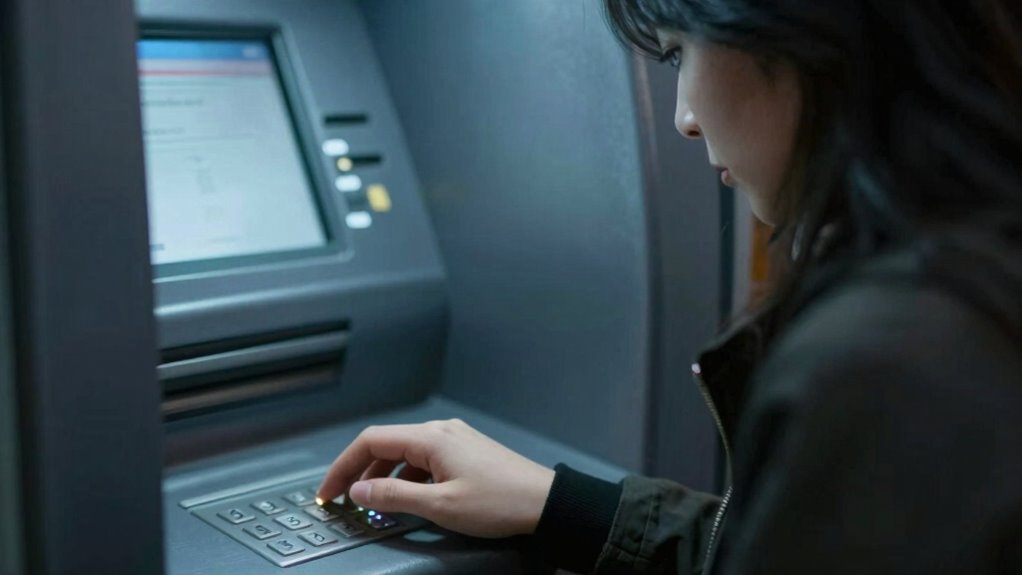
Social engineering tricks can trick you into revealing your PIN or personal details, but physical security plays a vital role in protecting your information as well. Incorporating awareness of social engineering tactics helps you recognize and avoid manipulative schemes that target your sensitive data. To prevent shoulder surfing, always be aware of your surroundings when entering your PIN at an ATM. Use your hand or body to shield the keypad, especially in crowded areas. In addition, incorporate privacy tips like choosing ATMs in well-lit, secure locations and avoiding distractions while performing transactions. Remember, your pin security depends on keeping your PIN confidential and out of sight. Never share your PIN with anyone, and avoid writing it down where others can see. Staying vigilant and practicing these simple habits helps safeguard your financial information from prying eyes and enhances your overall security. Additionally, understanding physical security measures can further protect your sensitive information from potential threats. Regularly inspecting your surroundings and being aware of security vulnerabilities can make a significant difference in preventing unauthorized access. Being proactive about environmental awareness strengthens your defenses against tampering or observation.
Tips for Using ATMs Safely Abroad
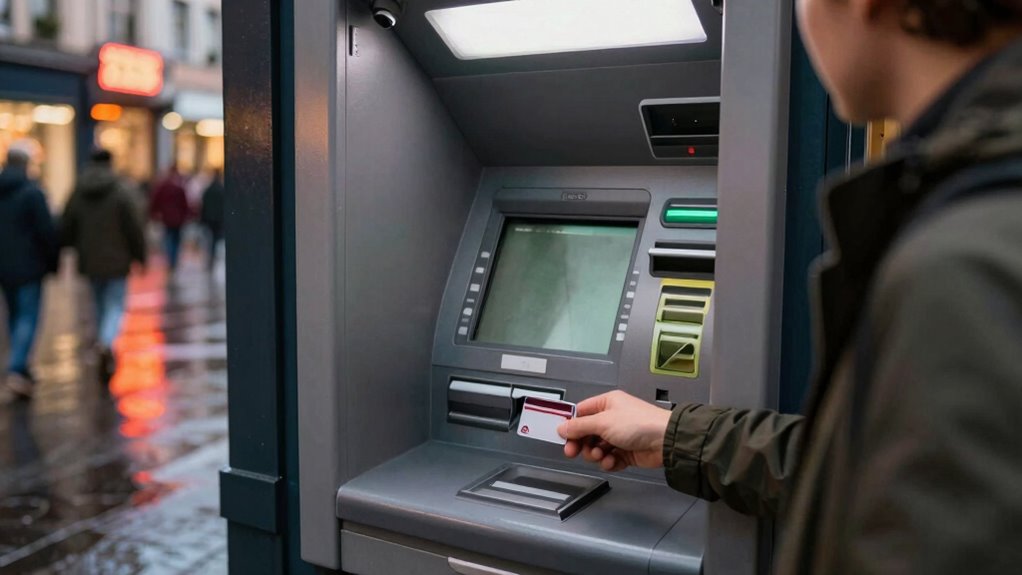
When traveling abroad, exercising caution while using ATMs is essential to protect your financial information. Always choose machines located in well-lit, secure areas like banks or busy shopping centers to reduce risks. Utilizing ATMs with security features such as cameras or physical safeguards can further enhance your safety. Be mindful of your surroundings and shield your PIN as you enter it. If possible, opt for ATMs that offer currency exchange services to avoid unnecessary fees, but verify they’re legitimate. Check for any suspicious devices or skimming equipment attached to the card slot before inserting your card. Additionally, being aware of common scam tactics can help you recognize and avoid potential threats at ATMs. Remember that some ATMs are designed with specialized security measures, which can provide an extra layer of protection during transactions. Choosing well-maintained machines reduces the risk of encountering compromised hardware. Regularly updating your banking app or card security settings can also help safeguard your account from unauthorized access. Keep your cash and cards secure after the transaction and avoid displaying large amounts of money in public. Practicing these travel safety tips minimizes the chance of falling victim to scams, ensuring your trip remains enjoyable and financially safe.
Tech Tools to Protect Your ATM Transactions
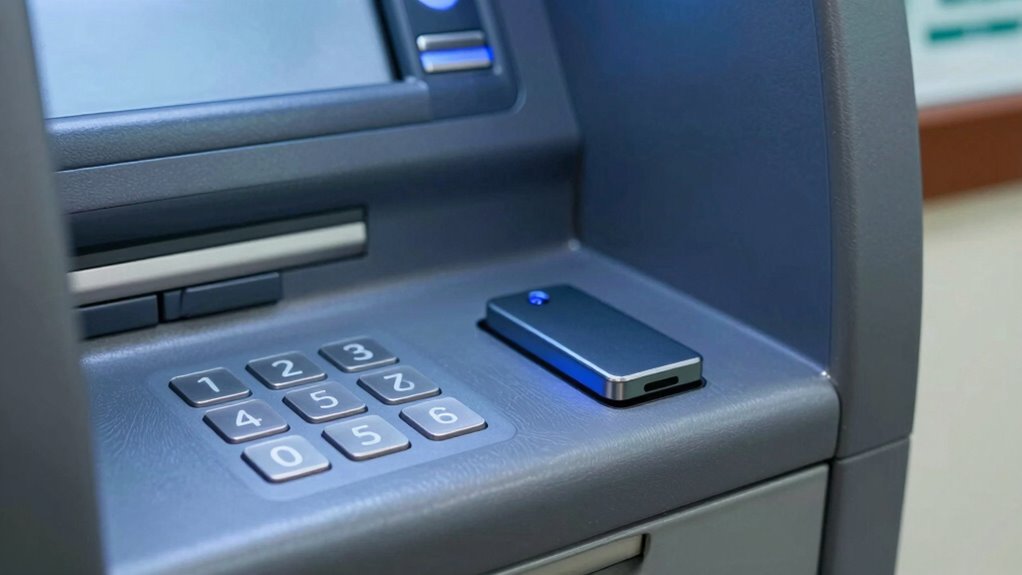
To effectively guard your ATM transactions, leveraging modern tech tools can make a significant difference. Biometric authentication, such as fingerprint or facial recognition, adds an extra layer of security, ensuring only you can access your accounts. Many banks now integrate biometric options with their mobile banking apps, allowing you to verify transactions quickly and safely. Using mobile banking enables you to monitor your accounts in real-time, track spending, and flag suspicious activity immediately. Some apps also offer remote card locking features, preventing unauthorized use if you suspect theft or fraud. Combining biometric authentication with mobile banking tools helps you stay in control and reduces the risk of scammers exploiting ATM scams. Additionally, staying informed about biometric security developments can help you adopt the most effective protective measures. Being aware of emerging security threats related to biometric technology can further enhance your safety. Staying updated on these technologies empowers you to protect your financial information effectively and implement encryption solutions to safeguard your data. Incorporating smart security systems for your financial devices can also provide an extra layer of protection against cyber threats.
What to Do If You Suspect You’ve Been Scammed at an ATM?

If you notice unauthorized transactions or suspect fraud on your account, act immediately to limit potential losses. First, contact your bank to report the issue and freeze your ATM card. Review your recent transactions and update your banking app security settings. Next, consider changing your PIN and ensuring your ATM card maintenance routines, like regularly updating passwords, are up to date. Avoid using compromised ATMs and monitor your account frequently for suspicious activity. Use the table below to help identify suspicious signs and actions:
| Suspicious Signs | Immediate Actions | Preventive Tips |
|---|---|---|
| Unrecognized transactions | Contact bank and block card | Enable banking app security features |
| Card stuck or skimming device found | Report and avoid using that ATM | Regular ATM maintenance checks |
| Unauthorized PIN changes | Alert bank immediately | Use secure, well-lit ATMs |
| Unexpected card decline | Verify account status | Keep ATM card maintenance up-to-date |
| Suspicious ATM surroundings | Leave and report to authorities | Stay alert to ATM security measures |
Additionally, being aware of Vetted information can help you stay informed about common ATM scams and effective prevention strategies. Recognizing the importance of wave and wind security measures can further enhance your awareness and preparedness against such scams.
How to Report ATM Fraud and Protect Your Bank Account

If you notice suspicious activity on your bank account, it’s vital to report ATM fraud immediately.
You should also change your passwords and contact your bank to secure your account.
Taking quick action helps protect your money and prevents further scams.
Reporting ATM Fraud
Have you noticed unauthorized transactions on your bank account after using an ATM? Reporting the fraud promptly is essential to protect your finances and support bank security.
Contact your bank immediately through their dedicated fraud helpline or online banking platform. Provide details about the suspicious activity, including the date, time, and location of the ATM used.
Filing a police report can also strengthen your case and aid fraud prevention efforts. Keep records of your communications and any evidence related to the incident.
Your quick action helps your bank flag fraudulent activity and prevents further scams. Remember, timely reporting is key to minimizing damage and safeguarding your account from future scams.
Always stay vigilant and follow your bank’s recommended procedures for reporting ATM fraud.
Securing Bank Accounts
Reporting ATM fraud promptly is the first step in securing your bank account after noticing suspicious activity. Contact your bank immediately to alert them of the issue, and request that they freeze or monitor your account for unauthorized transactions.
To enhance card security, change your PIN and ensure your account details are up to date. Review recent transactions carefully to identify any unfamiliar charges.
Consider setting up alerts for large or suspicious transactions to catch fraud early. Protect your account by avoiding sharing your card details and never writing your PIN down.
Regularly update your banking app and use strong, unique passwords. Taking these steps helps prevent further unauthorized access and keeps your account protected from future scams.
How Banks and Authorities Are Fighting ATM Scams
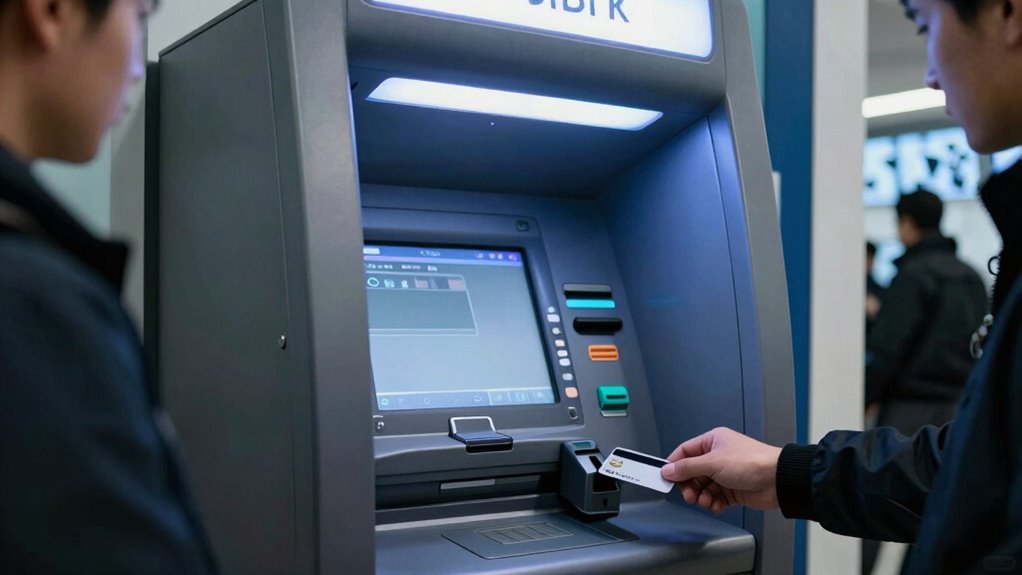
Banks and authorities are taking strong steps to stop ATM scams, like installing enhanced surveillance measures to catch criminals in real time. They also use AI fraud detection systems that analyze transactions for suspicious activity, helping prevent theft before it happens.
Additionally, public awareness campaigns keep you informed about common scams, so you can stay alert and protect yourself.
Enhanced Surveillance Measures
How are banks and authorities catching ATM scammers before they strike? They’ve ramped up surveillance measures to detect suspicious activity early. Surveillance cameras are strategically placed around ATMs to monitor every transaction and identify potential scammers.
Security protocols now include real-time alerts when unusual patterns are detected, such as multiple PIN attempts or tampering. Additionally, banks employ the following:
- Enhanced video analytics to recognize suspicious behaviors
- Regular maintenance checks to spot tampering devices
- Remote monitoring of ATM activity logs
- Integration of facial recognition technology for user verification
These measures help prevent scams by catching scammers in the act or stopping them before they succeed. Staying vigilant and understanding these enhanced measures can help you avoid falling victim.
AI Fraud Detection Systems
Building on enhanced surveillance measures, AI fraud detection systems are now playing a vital role in identifying and preventing ATM scams. These systems analyze transaction monitoring data in real-time to flag suspicious activity, such as unusual withdrawal patterns or location anomalies.
Biometric authentication further strengthens security by verifying your identity through fingerprint or facial recognition, making it harder for scammers to access accounts. When an AI system detects irregularities, it can trigger alerts or block transactions instantly, reducing your risk of fraud.
Banks continuously refine these algorithms to stay ahead of scam tactics, ensuring better protection for your money. By combining transaction monitoring with biometric authentication, AI systems provide a smarter, faster response to prevent ATM scams before they happen.
Public Awareness Campaigns
Are you aware of the ongoing efforts to protect you from ATM scams? Banks and authorities are actively running public awareness campaigns to enhance scam prevention. These initiatives aim to inform you about common tricks scammers use and how to stay safe.
Here are four key strategies they implement:
- Distributing educational materials on scam prevention at ATMs and online.
- Launching advertising campaigns highlighting common scam tactics.
- Conducting community workshops to teach secure ATM usage.
- Collaborating with media outlets to spread awareness quickly.
These public awareness efforts empower you to recognize suspicious behavior, avoid falling victim, and confidently protect your finances. Staying informed is your best defense against ATM scams, and ongoing campaigns are here to support your safety.
Frequently Asked Questions
Can ATM Scams Happen Outside of Bank Branches?
Yes, ATM scams can happen outside of bank branches, especially at ATMs located on the street. Criminals often set up card skimming devices or use fake overlays to steal your card info or PINs.
When you use an ATM outside, stay alert for suspicious equipment or people nearby. Cover your keypad when entering your PIN and avoid machines that look tampered with to protect yourself from street scams.
Are Mobile Apps Safer Than ATMS for Cash Withdrawals?
Mobile apps can be safer than ATMs for cash withdrawals if you prioritize mobile app security. These apps often use encryption and authentication measures that protect your financial info better than physical ATMs.
However, always guarantee your device’s security, keep apps updated, and use trusted networks.
While mobile withdrawals reduce physical skimming risks, stay cautious of app scams and phishing to maintain ATM withdrawal safety.
What Should I Do if My Card Gets Stuck in an ATM?
Did you know that 70% of ATM card jams are fixable? If your card gets stuck, stay calm and follow emergency procedures.
First, don’t force the card out, as it might cause damage. Use card retrieval tips: wait for a few moments, then gently press the machine’s emergency button or contact your bank immediately.
They can guide you through safe card retrieval or block your card if needed.
How Do Scammers Target Elderly ATM Users?
Scammers target elderly ATM users because of their vulnerability, often using scam techniques like fake card readers or social engineering. They might approach you pretending to be bank staff or claim there’s an issue with your account.
Stay alert by verifying any unfamiliar devices, never sharing your PIN, and being cautious about strangers offering help. Your awareness can prevent falling for these scam techniques and protect your finances.
Are Contactless or Cardless ATMS More Secure?
Did you know that 60% of users prefer contactless or cardless ATMs for convenience? These methods can be more secure since they reduce physical card skimming risks.
However, contactless security isn’t foolproof; hackers can exploit cardless vulnerabilities through malware or signal interception. Always use secure networks, keep your app and device updated, and stay vigilant.
While contactless ATMs offer benefits, understanding their vulnerabilities helps you stay protected.
Conclusion
Staying vigilant at ATMs is your best defense against scams. Always check for suspicious devices, shield your PIN, and be cautious of social engineering. Remember, even in the age of steam-powered technology, thieves adapt, so stay informed and proactive. By following these tips, you can protect your hard-earned money and enjoy safer banking experiences—because in this modern era, your vigilance is your greatest armor.