

If decision-making feels exhausting, it’s likely due to mental fatigue, not a lack of skill. When your mental resources are drained, it’s harder to focus, weigh options, or feel confident. Pushing through back-to-back choices can increase stress and lead to indecision or impulsivity. Recognizing this fatigue is key—taking breaks, setting boundaries, and practicing self-compassion can restore your mental energy. Keep exploring to discover how managing mental exhaustion can improve your decision-making skills.
Key Takeaways
- Mental fatigue can impair decision quality, making you feel less capable, but it’s a sign to rest, not a lack of skill.
- Restoring mental energy improves clarity and confidence in decision-making.
- Chronic mental exhaustion reduces focus and increases impulsivity, not personal incompetence.
- Recognizing fatigue helps set healthy boundaries and prevent decision-making burnout.
- Reframing fatigue as normal supports self-compassion and better decision practices.

Ever wonder why making choices feels so exhausting sometimes? It’s not that you’re bad at decision-making; rather, your mind is likely drained from the effort it takes to weigh options and consider consequences. When you’re mentally tired, even simple decisions can seem overwhelming. This mental exhaustion, often called cognitive fatigue, wears down your ability to focus and make clear choices. The more decisions you face back-to-back, the more your emotional resilience diminishes, leaving you more vulnerable to second-guessing and indecision.
Cognitive fatigue acts like a mental barrier, sapping your energy and clouding your judgment. Your brain uses a lot of resources to process information, evaluate alternatives, and anticipate outcomes. When those resources are depleted—say after a long day at work, a stressful situation, or juggling multiple responsibilities—your decision-making capacity drops. You might find yourself stuck in analysis paralysis or choosing options based on impulse rather than logic. That’s not a sign of weakness; it’s a sign that your mental reserves are running low.
Emotional resilience plays a pivotal role here. Think of it as your mental armor, helping you bounce back from stress and setbacks. When your emotional resilience is high, you can better manage the frustration or disappointment that often accompanies difficult choices. But if your resilience is compromised—due to ongoing stress or fatigue—your ability to stay calm and focused diminishes. This means you’re more likely to give in to fatigue-driven behaviors, like impulsivity or avoidance, rather than thoughtful decision-making. You might even start questioning your own abilities, but it’s more about your mental state than actual skill.
The good news is that recognizing this connection can help you change your approach. When you feel mentally drained, give yourself permission to take breaks, step back, and reset. Practice self-compassion and avoid harsh self-judgment, because fatigue doesn’t make you incapable; it just makes decision-making more difficult. Strengthening your emotional resilience through mindfulness, adequate rest, and managing stress can restore your mental clarity. Additionally, utilizing productivity tools can help streamline your decision-making process and reduce mental load. Understanding the importance of mental energy can help you prioritize tasks and preserve your decision-making capacity. Being aware of cognitive fatigue and its effects can motivate you to implement strategies that maintain your mental health. Recognizing that mental fatigue is a normal response to stress and overexertion can empower you to set healthier boundaries and prevent burnout. Remember, your decision-making isn’t a reflection of your worth or intelligence. It’s simply a sign that your brain needs a breather. When you replenish your mental energy, you’ll find decisions come easier, and you’ll regain confidence in your choices.
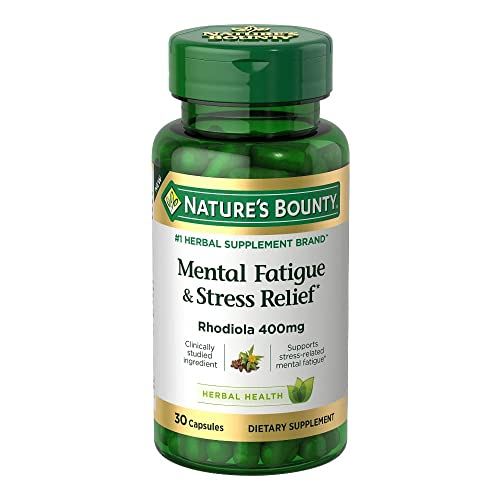
Nature's Bounty Mental Fatigue and Stress Relief, Rhodiola Supplement, 400 mg, Capsules, 30 Count
- Stress and Mental Fatigue Support: Helps with stress-related mental fatigue
- Builds Resistance to Stress: Supports your ability to stay calm
- 400 mg Rhodiolife: Contains clinically studied Rhodiola root
As an affiliate, we earn on qualifying purchases.
As an affiliate, we earn on qualifying purchases.
Frequently Asked Questions
How Can I Tell if Mental Fatigue Is Affecting My Decisions?
If mental fatigue affects your decisions, you’ll notice you’re more impulsive, less patient, or struggle to weigh options clearly. To check, pause and practice mindfulness techniques like deep breathing or meditation. Stress management can also help improve clarity. By paying attention to how you feel and using these strategies, you’ll recognize when fatigue impacts your choices and take steps to restore mental energy.
What Are Quick Ways to Boost Mental Energy for Better Decision-Making?
To boost your mental energy quickly, take mindful breaks to reset your focus and reduce fatigue. Hydrate yourself—dehydration saps mental clarity—so drink water regularly. You can also do quick physical stretches or deep breathing exercises to invigorate your mind. These simple actions help clear mental clutter, improve concentration, and enhance decision-making, especially when you’re feeling mentally drained. Remember, small, mindful pauses make a big difference.
Can Mental Fatigue Be Caused by Lack of Sleep or Poor Diet?
Your mental fatigue can skyrocket from sleep deprivation and nutritional deficits, turning your mind into a foggy wasteland. When you don’t get enough sleep, your brain struggles to recharge, making decision-making tougher. Poor diet, lacking essential nutrients, leaves your brain starved for energy and clarity. Both factors drain your mental resilience, leaving you exhausted and less sharp. Prioritize quality sleep and balanced nutrition to keep your mind fresh and decision-ready.
How Long Does Mental Exhaustion Typically Impair Decision-Making?
Mental exhaustion from decision fatigue can impair your decision-making for several hours or even a full day, especially if you haven’t replenished your mental resilience. When you’re mentally tired, your ability to weigh options and resist impulsive choices drops markedly. To minimize this, prioritize important decisions early, practice self-care, and take breaks. Restoring your mental energy helps restore sharp decision-making skills and reduces the lingering effects of mental fatigue.
Are There Specific Habits That Help Reduce Mental Fatigue?
Did you know that practicing mindfulness can reduce mental fatigue by up to 20%? To help, incorporate simple habits into your daily routines, like meditation or deep breathing exercises. These mindfulness practices boost your mental clarity and resilience, making decision-making easier. Regularly taking breaks, staying hydrated, and prioritizing sleep also play crucial roles in reducing mental exhaustion, so you can stay sharp and focused throughout your day.

Kavura Spin Decision Pen for Legal Professionals – CNC-Machined 316L Stainless Steel Fidget Pen with Magnetic Stand | Smooth Gel Ink Writing | Legal-Themed Decision Spinner & Stress-Relief Desk Gift
- Premium Stainless Steel Construction: CNC-machined 316L stainless steel for durability and style
- Magnetic Spinning Stress Relief: Smooth, balanced magnetic rotation for calming focus
- High-Quality Gel Ink Writing: Smooth, skip-free ink for confident writing
As an affiliate, we earn on qualifying purchases.
As an affiliate, we earn on qualifying purchases.
Conclusion
Remember, your decision-making muscles aren’t broken—they’re simply exhausted from overuse. Like a garden after a storm, your mind needs time to rest and rejuvenate. So, next time you feel stuck or unsure, pause and give yourself permission to recharge. Trust that with a bit of patience and self-care, your clarity will bloom again, brighter than ever. Sometimes, the best decisions come when you’ve allowed your mental garden to breathe and grow.

The Advanced Productivity Planner – Undated Daily, Weekly & Monthly Planning System with Time Blocking, Goal Setting & Habit Tracking. Toolkit to Maximize Focus and Take Control of Your Time | A5
- Undated Daily Planner: Space for tasks, goals, habits, and reflection
- Time Blocking Layout: Hourly schedule for focused time management
- Comprehensive Planning System: Includes weekly, monthly, and yearly planning tools
As an affiliate, we earn on qualifying purchases.
As an affiliate, we earn on qualifying purchases.

Source Naturals Sleep Science NightRest with Melatonin – BioAligned MultiNutrient & Herb Complex, for Rest & Relaxation Support* – 100 Tablets
- Multi-Nutrient & Herb Complex: Supports rest and relaxation
- Comprehensive Body Support: Uses herbs, nutrients, neurotransmitters, melatonin
- Usage Instructions: Take 1-2 tablets 30-60 minutes before sleep
As an affiliate, we earn on qualifying purchases.
As an affiliate, we earn on qualifying purchases.