Awkward moments replay in your brain because your memory system reinforces negative experiences to help you learn and avoid mistakes in the future. Sometimes, your brain overemphasizes these moments through emotional tagging, making them more vivid and harder to forget. This cycle is common, especially with social anxiety, as your mind keeps replaying these instances to warn you of potential dangers. If you want to understand how to manage this cycle better, keep exploring this topic.
Key Takeaways
- The brain replays awkward moments to reinforce lessons, especially when emotionally tagged as negative experiences.
- Overactive memory consolidation cycles can cause these moments to recur even without new triggers.
- Emotional tagging makes awkward memories more vivid, leading to persistent replay.
- Negative bias in memory prioritizes these moments, causing them to resurface repeatedly.
- Understanding the natural replay process can help reduce involuntary recurrence over time.

Have you ever noticed how, out of nowhere, a seemingly insignificant awkward moment suddenly floods your mind, replaying over and over? That persistent loop can feel frustrating, especially when you’re just trying to move on. What’s happening isn’t just random; your brain is doing something called memory consolidation, and social anxiety often plays a big role in why these moments stick. When you experience something awkward, your brain doesn’t forget it easily. Instead, it flags the memory as important, even if it seems trivial. This process helps you learn from experiences, but it can also make embarrassing moments feel like they’re etched into your mind forever.
When social anxiety is part of the equation, your brain becomes especially vigilant about social interactions. It’s constantly on high alert, scanning for ways you might be judged or embarrassed. As a result, even minor slip-ups get amplified, and your mind fixates on them long after they’ve happened. This heightened sensitivity feeds into the cycle of replaying these moments, reinforcing feelings of shame or self-doubt. Because your brain is wired to remember negative social experiences more vividly, those awkward moments become recurring nightmares, even if they weren’t that significant at the time.
Memory consolidation is normally a helpful process, turning fleeting experiences into lasting memories. But when it comes to awkward moments and social anxiety, this process can work against you. Instead of letting go, your brain keeps replaying the event to “solidify” it as a lesson learned—except it often just fuels your anxiety. The more you dwell on these moments, the more they cement into your memory, making it even harder to forget and move forward. It’s like your brain is trying to protect you by warning you about potential dangers, but it ends up overdoing it, creating a cycle of obsessive replay. Additionally, the brain’s emotional tagging of these memories can intensify their vividness, making them feel more real than they actually were. This is a common example of how emotional memory can influence recall and perception. Recognizing the memory consolidation process as a natural function can help you better understand why these memories persist.
Furthermore, the brain’s tendency to prioritize negative experiences can lead to an overrepresentation of social mistakes in your memory, making it seem as though they are more common or severe than they truly are. You might wonder why these moments seem to pop up at random, even long after they occurred. That’s because your mind associates them with feelings of discomfort, and your brain’s goal is to keep you aware of situations that might trigger similar anxiety in the future. Unfortunately, this means your brain keeps recycling these memories, making it feel like they’re happening all over again. The key is recognizing that these replayed moments are a natural part of your brain’s memory process, but understanding that doesn’t mean you have to let them control your thoughts. With practice, you can train your mind to let go, reducing how often these awkward moments replay and easing your social anxiety over time.

Core Meditation Trainer: Meditation Device for Relaxation, Stress Relief, and Anxiety Relief with Built in Mental Health Wellness App (Premium)
- Device Connectivity: Pairs with Apple and Android devices via Bluetooth
- Guided Breathing: Uses vibrations and lights to guide breathing
- Heart Rate Monitoring: Tracks heart rate with biosensors during sessions
As an affiliate, we earn on qualifying purchases.
As an affiliate, we earn on qualifying purchases.
Frequently Asked Questions
Can Replaying Awkward Moments Improve Future Social Interactions?
Replaying awkward moments can boost your social confidence by helping you understand what went wrong and how to improve. These memories act as triggers, highlighting areas for growth. When you analyze these moments constructively, you learn better social cues and responses, making future interactions smoother. Over time, this reflection can reduce anxiety and strengthen your social skills, turning past embarrassments into valuable lessons for more confident, effective communication.
Do Genetics Influence How Often Awkward Memories Replay?
You might find that genetics influence how often awkward memories replay, with studies suggesting a genetic predisposition affects memory retention. About 40% of memory traits are inherited, meaning some people naturally retain certain memories longer or more vividly. If you tend to replay awkward moments frequently, it could be partly due to your genetic makeup, which shapes how your brain processes and stores emotional experiences, making some memories more persistent.
How Long Do These Memories Typically Stay in Your Mind?
These memories can stay in your mind for days, weeks, or even years, depending on how well they’re consolidated. Memory consolidation, which strengthens emotional memories, plays a vital role here. If your emotional regulation is challenged, these awkward moments might replay more often because your brain struggles to process and release the emotional weight. Practicing mindfulness and emotional regulation techniques can help reduce their persistence over time.
Are Some People More Prone to This Replay Than Others?
In the age of dial-up internet, some people are definitely more prone to replay awkward moments. If you experience social anxiety, your brain might over-consolidate these memories, making them stick around longer. This replaying helps your mind process social discomfort, but it can also trap you in a loop. So, yes, your tendency to dwell on these moments varies, especially if you’re more sensitive to social cues and anxious thoughts.
Can Mindfulness Reduce the Frequency of These Memories?
Yes, mindfulness can reduce how often these memories replay. By practicing mindfulness, you improve emotional processing, helping you observe awkward memories without judgment. This awareness prevents you from dwelling on them, which can interfere with memory consolidation, making the memories more persistent. Over time, mindfulness helps you create a healthier perspective, lessening the frequency of these unwanted replayed moments and allowing you to focus more on the present.

Mind Brain Emotion 52 Essential Coping Skills Cards – Self Care Exercises for Stress and Social Anxiety Relief – Resilience, Emotional Agility, Confidence Therapy Games for Teens, Adults
- Build Skills and Reduce Stress: CBT, meditation, somatic exercises
- Enhance Emotional Control: Stress reduction and emotion mastery strategies
- Developed by Harvard Researcher: 50+ evidence-based resilience and mindfulness cards
As an affiliate, we earn on qualifying purchases.
As an affiliate, we earn on qualifying purchases.
Conclusion
Next time an awkward moment loops in your mind, remember it’s your brain’s way of processing and learning. Think of it like a rehearsal—each replay helps you handle similar situations better. Even if it feels pointless, it’s your mental way of practicing resilience. So, instead of dreading these reruns, see them as opportunities to grow sharper and more confident. Embrace the replay; it’s your mind’s toolbox for future social success.
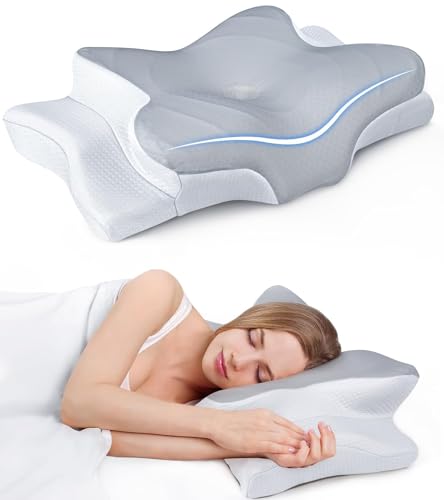
Ultra Pain Relief Cooling Pillow for Neck Support, Adjustable Cervical Pillow Cozy Sleeping, Odorless Ergonomic Contour Memory Foam Pillows, Orthopedic Bed Pillow for Side Back Stomach Sleeper
- Innovative Hollow Concave Design: Cradles head and aligns neck naturally
- Six Contour Zones for Support: Targets pressure points and relieves neck pain
- Premium Memory Foam Core: Breathable, non-toxic, odorless for comfort
As an affiliate, we earn on qualifying purchases.
As an affiliate, we earn on qualifying purchases.

YeeBeny Breathing lamp Guided 3 Color 478s Meditation for Stress Relief
- Breathing Lamp Function: Reduces stress and promotes relaxation
- Material: Made of soft silicone for comfort
- Design: Elegant white appearance for decor
As an affiliate, we earn on qualifying purchases.
As an affiliate, we earn on qualifying purchases.