To spot a manufactured trend, look for signs like exaggerated visual uniformity, sudden spikes in activity, and reliance on polished, repetitive content. Check if influencers or sources are transparent and credible—be wary of hidden promotions or sponsored posts. Question the motive behind the trend and see if it’s backed by diverse, independent voices. Pay attention to inconsistent engagement patterns or emotional appeals without evidence. If you want to learn how to identify these tricks early, keep exploring these tips.
Prime for Young Adults — start your free trial
Fast free delivery, streaming and member deals for eligible 18–24 year olds.
As an affiliate, we earn on qualifying purchases.
Key Takeaways
- Check for abnormal engagement patterns like sudden spikes, synchronized comments, or disproportionate shares indicating manipulation.
- Verify the credibility of sources and look for multiple reputable references supporting the trend.
- Be cautious of overly polished visuals, lack of diversity, and repetitive content suggesting artificial promotion.
- Identify if influencers or brands are sponsored, and scrutinize disclosures for genuine endorsements.
- Consider the trend’s origin, motives, and whether it aligns with genuine interest or appears driven by marketing incentives.
What Are Manufactured Trends and How Do They Spread?
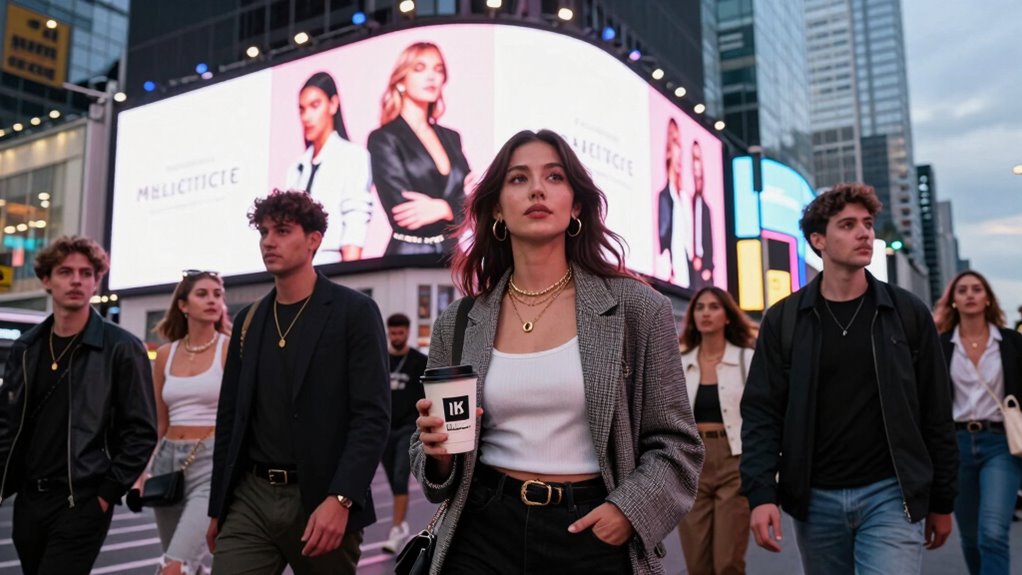
Have you ever wondered how some trends seem to appear out of nowhere and quickly dominate social media? These are often manufactured trends, shaped through viral manipulation to seem spontaneous and authentic. Marketers and influencers craft content designed to spark curiosity or emotion, making it appear genuine. They use strategic timing, trending hashtags, and targeted messaging to amplify their reach. This process helps create a false sense of trend authenticity, encouraging others to join in without realizing it’s orchestrated. The goal is to generate buzz fast and wide, making it seem like a grassroots movement. Recognizing these patterns can help you question whether a trend is truly organic or simply a manufactured wave designed to influence your opinions and behaviors. Understanding viral manipulation can also serve as a reminder of the importance of critical thinking when encountering viral phenomena. Being aware of orchestrated campaigns enables you to better discern genuine trends from artificially created ones. Additionally, awareness of these tactics can help you protect your preferences from being influenced by manufactured hype, which is often driven by strategic backchannel efforts aimed at creating perceived popularity or demand.
How Can You Spot Fake Popularity in Viral Content?
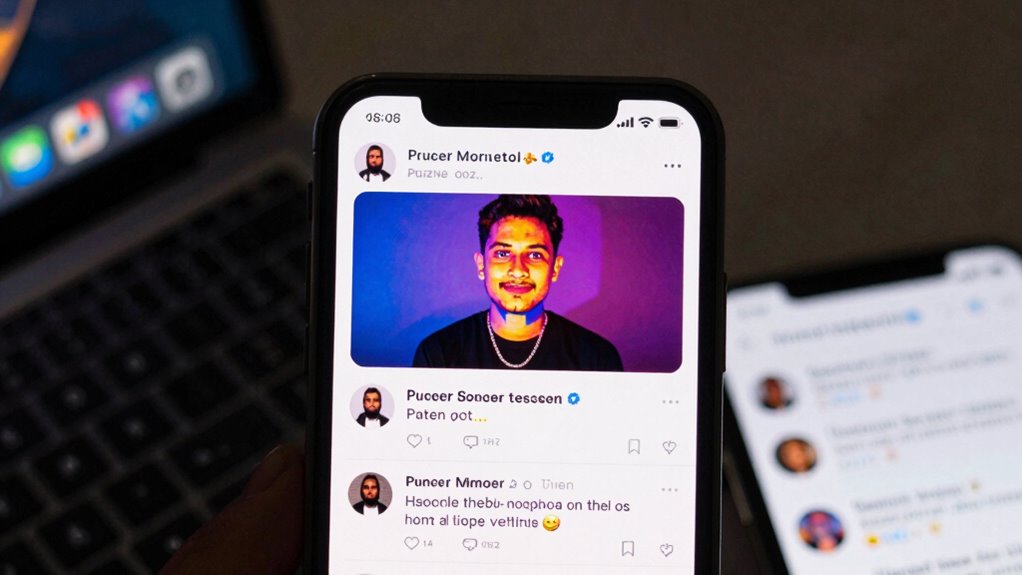
To spot fake popularity in viral content, start by analyzing engagement patterns—look for abnormal spikes or disproportionate comments and shares. Check the credibility of the sources spreading the content to see if they have a history of reliable information. By paying attention to these clues, you can better identify whether a trend is genuinely popular or artificially manufactured. Additionally, consider whether the content aligns with known Support Breakfast trends, such as popular regional dishes or local favorites, which can sometimes be exploited to create false hype.
Analyze Engagement Patterns
Ever wonder how to tell if a viral post’s popularity is genuine or artificially inflated? By analyzing engagement patterns, you can spot signs of manipulation. Fake popularity often results from bots or coordinated efforts that skew the social media algorithms, creating an unnatural spike in likes, comments, and shares. Look for inconsistencies, such as a high volume of engagement from new or inactive accounts, or comments that seem generic or spammy. Notice if engagement is concentrated within a short time frame, which can indicate artificial boosting. Additionally, monitor the viral coefficient—the ratio of shares to views. An unusually high sharing rate, especially from suspicious accounts, suggests the trend might be manufactured. Recognizing authentic engagement can help you better assess the true popularity of content. These patterns help you discern whether a trend is genuinely popular or artificially inflated. Incorporating European cloud innovation and energy-efficient infrastructure can also ensure your content distribution remains authentic and secure. Furthermore, understanding content authenticity is crucial for avoiding misinformation and ensuring credibility in your online interactions. Moreover, paying attention to warranty considerations can help avoid falling for misleading marketing tactics that artificially inflate product popularity or credibility. Staying informed about these digital trust signals allows you to navigate online trends more confidently.
Check Source Credibility
One of the quickest ways to spot fake popularity is by examining the credibility of the sources sharing or endorsing the content. Start with source verification—look into who is promoting the trend and whether they have a history of authentic influence. A quick credibility assessment can reveal if the source is legitimate or part of a coordinated effort to inflate popularity. Check if the source is a well-known, reputable platform or individual with real authority in the topic. Be wary of anonymous accounts or sources that lack transparency. If multiple credible sources are backing the trend, it’s more likely genuine. Conversely, if the sources seem suspicious or lack verifiable credentials, the trend could be manufactured. Always scrutinize the origin to avoid falling for fake popularity. Additionally, analyzing the content for signs of Rhythm Failure or inconsistencies can help identify artificially created trends.
Are Paid Promotions Making These Trends Look More Genuine?
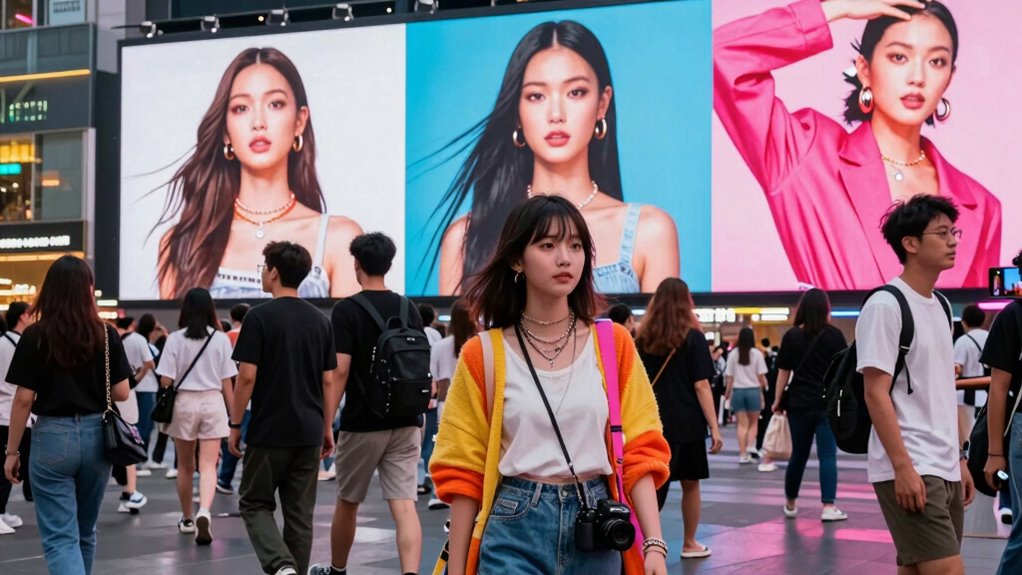
Paid promotions can make trends seem more authentic than they really are, especially when influencer endorsements skew perceptions. When sponsored content blurs the line between genuine opinion and paid advertisement, it becomes harder to tell what’s real. This masking of trends pushes you to question whether what you’re seeing is truly trending or just carefully crafted promotion. Monitoring social media giveaways and promotional offers can help identify whether a trend is organic or artificially inflated. Additionally, understanding how affiliate disclosures are presented can reveal whether a trend is driven by genuine interest or financial incentives. Recognizing the role of performance cookies can also provide insight into how data is collected to promote specific trends, further revealing the authenticity of what you see. Being aware of privacy policies and the use of cookies can also inform you about the data collection behind promotional activities, further revealing the authenticity of trends. Recognizing the influence of sponsored posts can help you discern between organic engagement and paid promotion, making it easier to spot manufactured trends.
Influencer Endorsements Skew Reality
Influencer endorsements can make trending products seem more authentic than they really are, as paid promotions often blur the line between genuine enthusiasm and marketing strategy. This creates consumer deception, making it hard to tell whether an influencer truly believes in the product or is simply being paid to promote it. Influencer manipulation can amplify a trend’s popularity, giving the illusion of organic growth when, in reality, it’s driven by financial incentives. You might see influencers raving about a new item, but their enthusiasm could be scripted or influenced by sponsorship deals. Recognizing this helps you stay skeptical of trends that seem too polished or overly promoted. Don’t assume that an influencer’s endorsement reflects their true opinion—many are simply part of a carefully crafted marketing plan. Additionally, understanding the influence of market reputation and transparency in endorsements can help you better evaluate which trends are genuinely worth your attention. Developing critical thinking skills can further enhance your ability to discern authentic endorsements from manipulated ones.
Paid Content Blurs Authenticity
When promotional content is seamlessly woven into social media posts or videos, it can be hard to tell what’s genuine and what’s paid advertising. This blending often fuels viral marketing, making trends seem more authentic than they really are. Paid promotions can manipulate perceptions, giving the illusion that a trend is widespread and organic. Influencers and brands use subtle endorsements to push certain ideas, blurring the line between real interest and paid influence. As a result, you might believe a trend is trending naturally when, in fact, it’s driven by trend manipulation. Recognizing sponsored content and questioning its origin is key. By staying aware of how paid content influences perception, you can better spot manufactured trends before they trick you into thinking they’re genuine.
Sponsored Posts Mask Trends
Sponsored posts often disguise themselves as genuine content, making it harder to distinguish between authentic trends and those driven by marketing. Paid promotions, especially through influencer marketing, can make trends appear more credible than they actually are. To spot these masked trends, consider these clues:
- Look for overly polished or repetitive content that seems too perfect.
- Check if the post lacks personal storytelling or seems overly sales-focused.
- Notice if multiple influencers promote the same trend simultaneously, hinting at coordinated sponsored content.
- Be aware that content from influencer marketing may sometimes prioritize promotion over authenticity.
How to Analyze Viral Content for Authenticity?
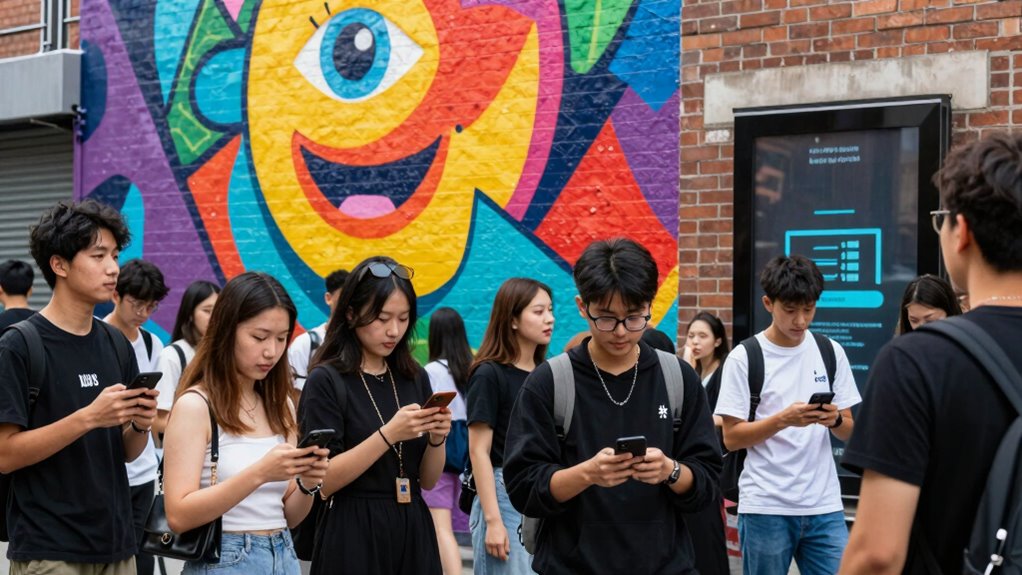
How can you tell if viral content is genuine or manufactured? Start by examining the origins of the viral memes or videos. Authentic content usually has consistent messaging and real engagement from diverse sources, not just influencer hype or coordinated shares. Check if the post’s comments and shares seem organic or overly synchronized, which can indicate manipulation. Be skeptical of sensational claims that seem designed to trigger emotional reactions without evidence. Look for credible sources or multiple independent accounts confirming the story. If a trend relies heavily on hype from a few influencers or appears to spread rapidly without a clear origin, it might be manufactured. Authentic content builds naturally over time, not through orchestrated campaigns. Additionally, analyzing the content creation process can reveal whether a trend is genuinely organic or artificially amplified. Understanding the mechanisms of virality can help you spot engineered trends before they spread widely. Staying connected to your inner wisdom can help you discern between genuine and manufactured trends. Recognizing red flags such as sudden surges in engagement or lack of transparency in content origins can also protect you from falling for false trends. Being aware of the cultural context surrounding a trend can provide further insight into its authenticity. Stay alert to these signs to avoid falling for false trends.
Can You Trust the Sources Behind Trending Topics?
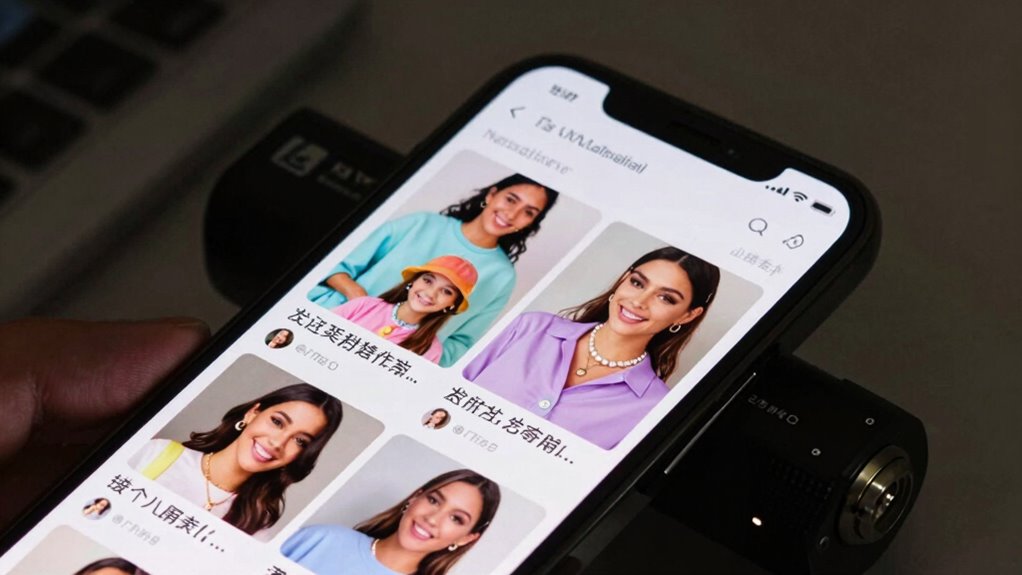
Ever wonder if the sources behind trending topics are trustworthy? Conducting a credibility assessment helps you determine if the information is reliable. To do this effectively, consider these steps:
- Check the source’s background—are they reputable and transparent?
- Verify the information through multiple independent sources to ensure consistency.
- Assess the author’s expertise and whether the content is supported by evidence.
Why Do Trends Sometimes Seem Too Perfect or Overly Polished?
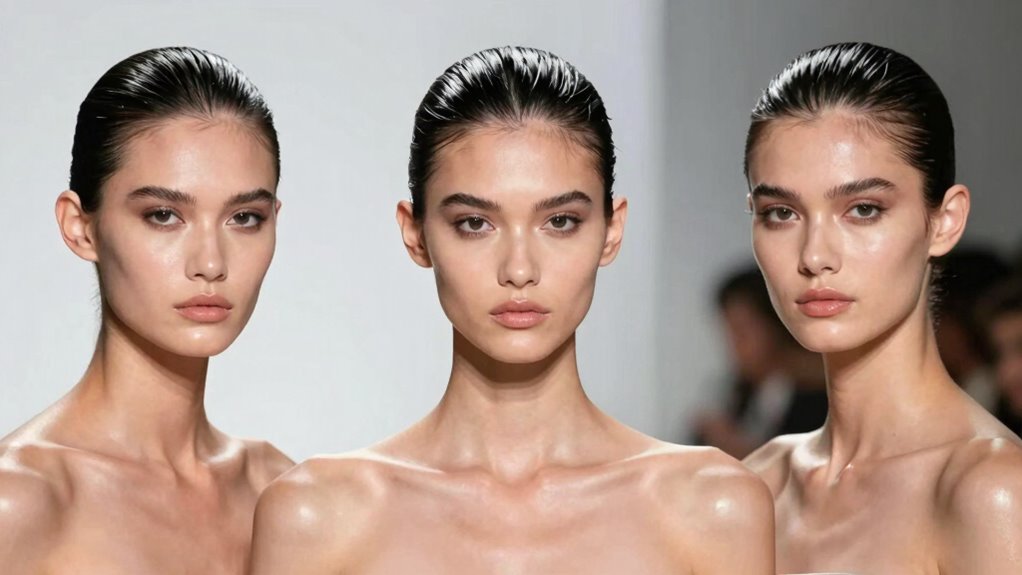
When trends look too perfect or overly polished, it can raise red flags. Excessive uniformity and slick visuals often hide a lack of genuine diversity and authenticity. These signs suggest the trend might be manufactured rather than naturally evolving.
Excessive Uniformity Sparks Suspicion
Sometimes, trends look almost too perfect or polished, which can raise red flags. Excessive uniformity often signals a manufactured trend, driven by marketing rather than genuine style evolution. When you notice a high level of fashion uniformity or trend sameness across influencers, brands, and social media, it’s worth questioning its authenticity. Here are three signs to watch for:
- Repetitive visuals and consistent messaging that seem too coordinated.
- Lack of diversity in styles, models, or perspectives.
- Rapid, widespread adoption within a short period, suggesting orchestrated promotion.
These indicators point to a trend that’s been artificially manufactured, rather than organically emerging from genuine consumer interest. Recognizing excessive uniformity helps you avoid falling for trends that aren’t truly authentic.
Over-Polished Visuals Signal Inauthenticity
Over-polished visuals often indicate that a trend is manufactured rather than authentic. When you notice images or videos with perfect lighting, flawless editing, and uniform filters, it’s a sign that content curation is at play to create a polished, idealized aesthetic. This overemphasis on visual consistency can mask genuine diversity and spontaneity, making the trend feel too perfect to be real. Authentic trends usually feature imperfections or raw moments, whereas manufactured ones rely on highly curated content to craft an illusion of perfection. By paying attention to overly polished visuals, you can better identify trends that are driven more by strategic branding than genuine cultural expression. This awareness helps you discern trends that are manufactured from those that are truly organic.
Lack of Genuine Diversity
A lack of genuine diversity often makes trends appear overly perfect or polished because it reflects deliberate editing rather than authentic representation. When a trend showcases limited cultural diversity, it feels staged and insincere. This over-polished look signals that the trend isn’t rooted in real-world experiences. To spot this, consider these signs:
- The trend features a narrow range of cultural backgrounds, ignoring authentic representation.
- It perpetuates stereotypes instead of celebrating genuine cultural diversity.
- It seems curated for visual appeal, lacking depth or real inclusivity.
What Psychological Tricks Make Fake Trends Appealing?
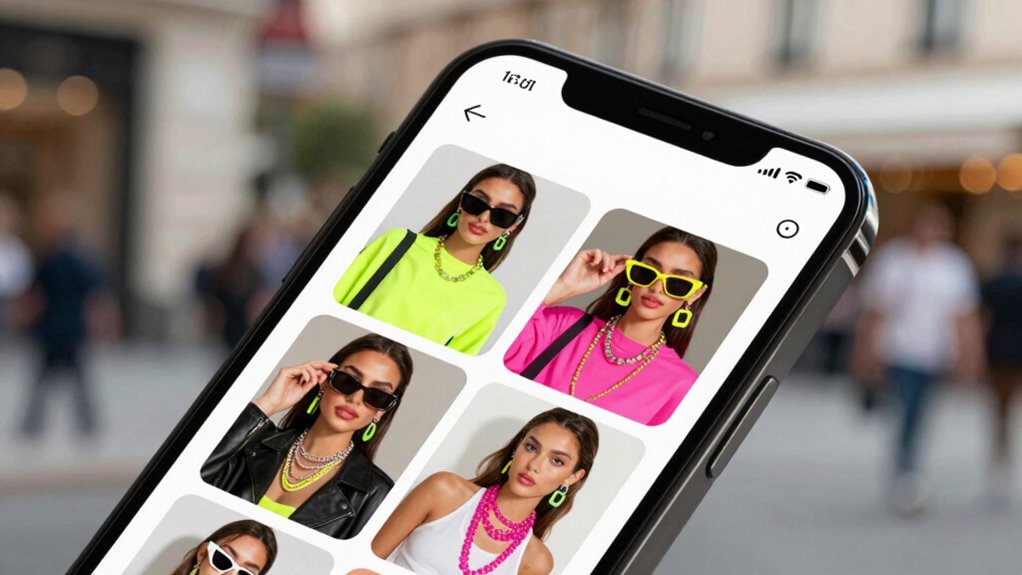
Fake trends often seem irresistible because they tap into deeply rooted psychological tricks. One key method is psychological manipulation, which plays on our desire for social acceptance and belonging. By creating a sense that everyone is participating, these trends trigger our consumer psychology to avoid missing out or being left behind. Authority figures or influencers endorse these trends, making them appear more credible and appealing. Additionally, fake trends often appeal to our fear of missing out (FOMO), encouraging quick, impulsive actions. They also exploit the human tendency to seek novelty and uniqueness—making us believe that adopting the trend will help us stand out. Understanding these psychological tricks helps you recognize when a trend is manufactured and resist falling for its superficial appeal.
Are the Messages Behind These Trends Consistent and Real?
While psychological tricks can make trends seem appealing, it’s important to question whether the messages behind these trends hold up under scrutiny. Authenticity verification helps you determine if a trend’s core message is genuine or fabricated. To do this, consider these steps:
- Research the origin—check if the trend is backed by credible sources or just hype.
- Analyze the messaging—does it promote real values or just superficial appeal?
- Practice trend skepticism—question whether the trend aligns with your beliefs or if it’s driven by marketing motives.
How to Question the True Motivation Behind a Trend?

Ever wonder what truly motivates a trend to gain popularity? Often, trends are fueled by sponsored content and influencer marketing, which can skew perceptions. When influencers promote a product or idea, they might do so because they’re paid, not because it’s genuinely meaningful or trending organically. To question the true motivation behind a trend, ask yourself: who benefits? Is there a financial incentive behind the hype? Look beyond the surface and consider whether the trend is driven by authentic interest or strategic promotion. Recognize that influencer marketing can create the illusion of popularity, making a trend seem more widespread than it truly is. By understanding these tactics, you can better identify manufactured trends and avoid getting duped by hidden motives.
Practical Tips to Verify Trends Before Believing or Sharing

Before sharing or believing in a trend, it’s important to verify its authenticity rather than accepting it at face value. Social media is full of manufactured trends designed to boost marketing strategies. To avoid falling for these, consider these tips:
Always verify trends through reputable sources before believing or sharing them.
- Check multiple sources: Look beyond social media to reputable news outlets or industry reports to confirm the trend’s legitimacy.
- Analyze the origin: Investigate where the trend first appeared and who is promoting it. If it’s primarily pushed by a few accounts or brands, be cautious.
- Question the hype: Does the trend have real staying power or is it a fleeting marketing stunt? Cross-reference with expert opinions or data before sharing.
These steps help you differentiate genuine trends from manufactured ones.
Frequently Asked Questions
How Can I Differentiate Between Genuine and Manufactured Online Trends?
To differentiate genuine from manufactured online trends, look for signs like widespread viral marketing and fake endorsements, which often inflate popularity artificially. Genuine trends usually emerge organically through real user engagement and authentic content. Be skeptical of sudden surges driven by paid influencers or coordinated campaigns, and check multiple sources to see if the trend maintains consistent momentum over time. Trust your instincts and verify authenticity before jumping on the bandwagon.
What Signs Indicate a Trend Is Artificially Created?
You can tell a trend is artificially created if it relies heavily on viral hype rather than authentic signals of popularity. Watch for sudden spikes in attention, coordinated posting, or excessive influencer promotion. If the trend lacks genuine engagement from diverse audiences and seems driven by paid campaigns, it’s likely manufactured. Authentic signals include organic growth, real user interactions, and consistent interest over time, not just fleeting viral hype.
Are Influencers Complicit in Promoting Fake Trends?
You might think influencers aren’t involved, but they often play a role in promoting fake trends, sometimes unknowingly. For example, a popular influencer could endorse a product or style that’s part of a manufactured trend, boosting its popularity. While influencer accountability varies, their promotion can blur trend authenticity, making it harder for you to distinguish genuine from fake. Always question the motives behind influencer endorsements and stay critical of trend origins.
How Do Algorithms Influence the Spread of Manufactured Trends?
Algorithms play a big role in spreading manufactured trends through viral marketing and bot amplification. You might notice that certain content gets boosted quickly, making it seem popular when it’s not. Bots artificially inflate engagement, creating a false sense of hype. By understanding these tactics, you can recognize when trends are manipulated and avoid falling for fake hype that’s designed to trick you into following the crowd.
Can Community Feedback Help Identify Authentic Trends?
Community feedback can definitely help you spot authentic trends. If you notice viral memes sharing genuine experiences and see consistent, honest reviews—rather than fake reviews—you’re more likely to identify real trends. Be cautious of overly positive or scripted feedback, which could be part of a manufactured trend. Trust your instincts, look for diversity in opinions, and analyze the authenticity of the comments to distinguish genuine movements from manipulated ones.
Conclusion
Stay alert and question what you see, like a detective uncovering hidden clues. Recognize the signs of manufactured trends before they sweep you off your feet. By staying skeptical and digging deeper, you’ll avoid falling for illusions spun by those pulling the strings. Remember, not everything that glitters is gold—sometimes it’s just shiny fake jewelry designed to catch your eye. Trust your instincts and stay one step ahead in the game of trends.
Fall Picks
fall essentials
As an affiliate, we earn on qualifying purchases.