
To quickly improve indoor air during a wildfire, start by sealing gaps around windows, doors, and vents with weatherstripping and caulking. Turn off exhaust fans and set your HVAC to recirculate to avoid pulling in outdoor smoke. Use air purifiers with HEPA filters in key rooms and keep windows closed. Combining these steps creates a safer indoor environment, and you’ll discover even more effective tips if you continue exploring ways to keep your home air clean.
Key Takeaways
- Seal gaps around windows, doors, and vents with weatherstripping and caulking to prevent smoke entry.
- Use high-efficiency HEPA air purifiers in main living areas and bedrooms continuously.
- Run HVAC systems on recirculate mode and turn off exhaust fans to limit outdoor smoke infiltration.
- Keep all exterior doors and windows closed during smoky conditions.
- Create a designated clean room with an air purifier for a safe indoor retreat.

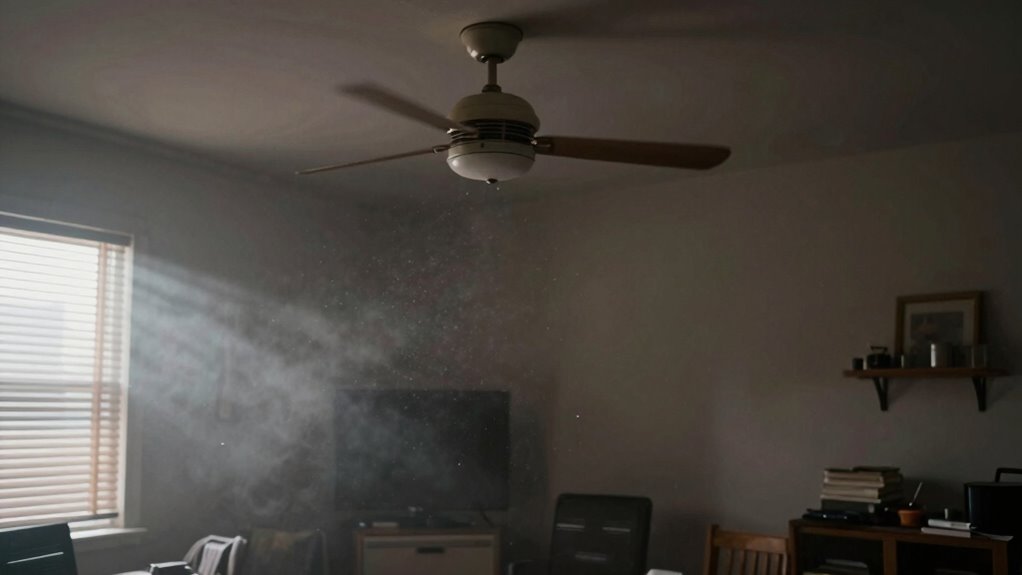
Have you ever wondered how wildfire smoke can seep into your home even when you’re indoors? It’s frustrating to think that despite closing windows and doors, those harmful particles can still find their way inside. The truth is, wildfire smoke is composed of tiny particles and gases that easily infiltrate through small gaps, vents, and even your home’s ventilation systems. That’s why using effective ventilation strategies and air purifiers is vital for improving indoor air quality quickly and efficiently. Air filtration technology plays a crucial role in capturing these fine particles, making your indoor environment safer.
Wildfire smoke sneaks inside through small gaps, vents, and ventilation systems, even when windows and doors are closed.
First, focus on sealing leaks around windows, doors, and vents. Even the smallest crack can let in smoke particles. Weatherstripping and caulking are affordable and simple solutions that create a tighter seal, making it harder for smoke to enter. Once you’ve minimized entry points, consider how your ventilation system is operating. If you have an HVAC system, check if it has high-efficiency filters rated for capturing fine particulate matter, like MERV 13 or higher. Run the system on recirculate mode if possible, instead of bringing in outdoor air, which may still be contaminated during wildfire events. If your home relies on exhaust fans or attic vents, ensure they’re turned off during smoky conditions, as they can pull in outdoor air laden with smoke particles.
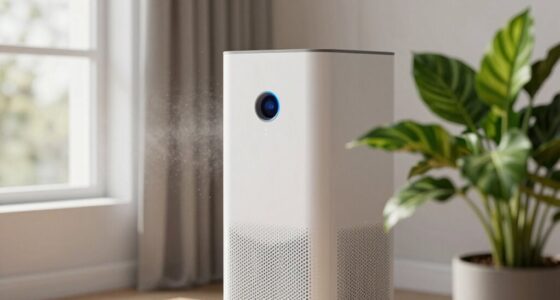
Adding air purifiers is one of the fastest ways to improve indoor air quality. Look for models equipped with HEPA filters, which are designed to trap at least 99.97% of airborne particles, including those tiny wildfire smoke particles. Place these purifiers in the rooms where you spend the most time, such as bedrooms and living areas. Run them continuously to maintain a steady flow of clean air. Make sure the purifier’s size matches the room’s dimensions for maximum efficiency. If you don’t have access to a quality air purifier, using damp cloths over vents or air intakes temporarily can help reduce the influx of smoky air.
Finally, keep indoor air as clean as possible by avoiding activities that generate additional pollutants, like smoking or burning candles. Keep windows and exterior doors closed, and consider creating a designated “clean room” with an air purifier where you and your family can retreat during periods of heavy smoke. Combining airtight sealing, strategic ventilation adjustments, and reliable air purifiers creates a simple, effective plan to improve your indoor air fast. It’s about taking control of your environment so you can breathe easier, even when wildfire smoke is threatening your outdoor air quality.
Frequently Asked Questions
Can Wildfire Smoke Enter Through Windows When They’Re Closed?
Yes, wildfire smoke can enter through closed windows if the window seals aren’t tight or are damaged. Even when you keep windows closed, smoke can seep in via gaps or cracks. To improve indoor air quality, verify your window seals are intact and consider enhancing indoor ventilation with air purifiers. Proper sealing and ventilation help prevent smoke infiltration and keep the air inside cleaner during wildfire events.
How Long Should I Run Air Purifiers During a Wildfire?
You should run your air purifier continuously during a wildfire to effectively improve indoor air quality. Regularly maintain it by replacing filters as recommended to keep it functioning efficiently. Keep indoor air circulating with fans or vents to help distribute clean air evenly. Running the purifier nonstop ensures it consistently filters out smoke particles, providing you with healthier indoor air and minimizing smoke infiltration, even when windows stay closed.
Are There Specific Filters Best for Wildfire Smoke Removal?
Think of your air purifier as a warrior fighting wildfire smoke. For the best defense, use HEPA filters that trap tiny particles like soot and ash. Pair them with activated carbon filters to absorb harmful gases and odors. This dynamic duo acts like a shield, clearing your indoor air swiftly and effectively. Make sure your purifier has both filters to keep your environment safe and breathable during wildfire season.
Does Indoor Smoking Increase Wildfire Smoke Risks?
Indoor smoking does increase wildfire smoke risks because it adds additional particles and pollutants to the air. To combat this, you should use effective indoor air filtration and employ smoke mitigation techniques like venting, sealing leaks, and using air purifiers with HEPA filters. These steps help reduce overall smoke levels, protect your indoor air quality, and lessen health risks associated with wildfire smoke exposure.
How Can I Tell if Indoor Air Quality Is Safe?
You can tell if your indoor air quality is safe by using air quality sensors, which monitor pollutants and particle levels in real-time. Pay attention to health symptoms like coughing, sore throat, or shortness of breath, as these may indicate poor air quality. If sensors show high pollutant levels or you experience symptoms, increase ventilation, use air purifiers, and reduce activities that generate indoor pollution.
Conclusion
To protect yourself from wildfire smoke indoors, act quickly and follow these simple steps. Think of your home’s air as a delicate garden—you need to shield it from harsh winds and harmful soot. Seal windows and doors, use air purifiers, and avoid activities that stir up dust. By taking these steps, you’ll create a safe haven where clean air can flourish, turning your home into a fortress against the smoky storm outside.