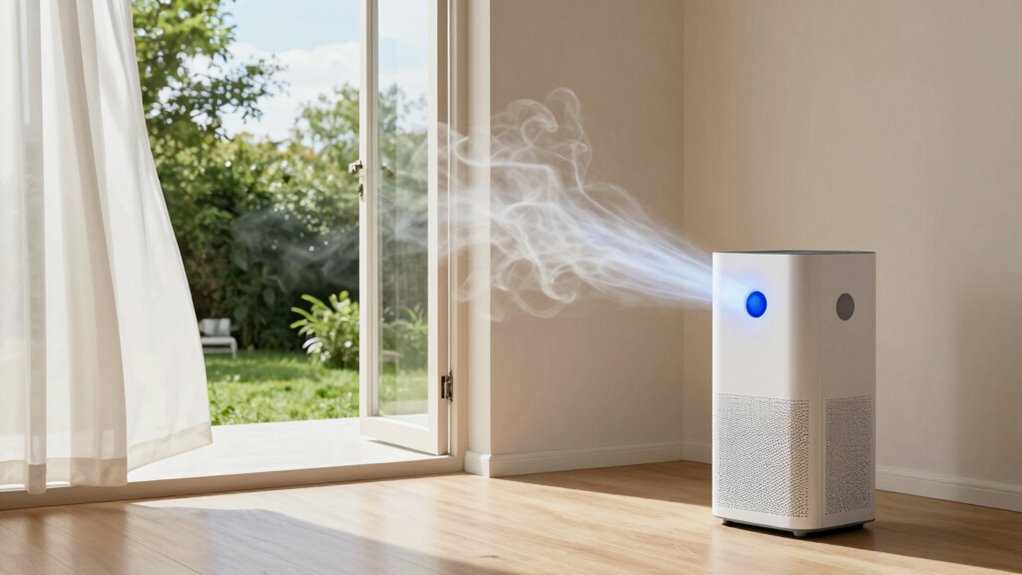

Ventilation introduces fresh outdoor air to dilute indoor pollutants, while air purification uses filters to remove contaminants from indoor air itself. Many people confuse these, but understanding their differences helps you choose the right solution. Ventilation is great for air exchange, but it relies on outdoor air quality. Air purifiers excel at capturing small particles and bacteria indoors. Keep exploring to discover how combining both can improve your indoor air experience.
Key Takeaways
- Ventilation introduces outdoor air to dilute indoor pollutants, while air purification filters contaminants already present inside.
- Ventilation depends on outdoor air quality and exchange rates, whereas air purifiers actively remove particles within indoor spaces.
- Ventilation mainly reduces pollutants through air exchange; air purifiers target microscopic particles like viruses and allergens directly.
- Proper indoor air quality often requires combining both ventilation for fresh air and purifiers for fine particle removal.
- People often confuse them because both aim to improve air quality but serve different roles and mechanisms.
What Is Ventilation and How Does It Improve Indoor Air Quality?
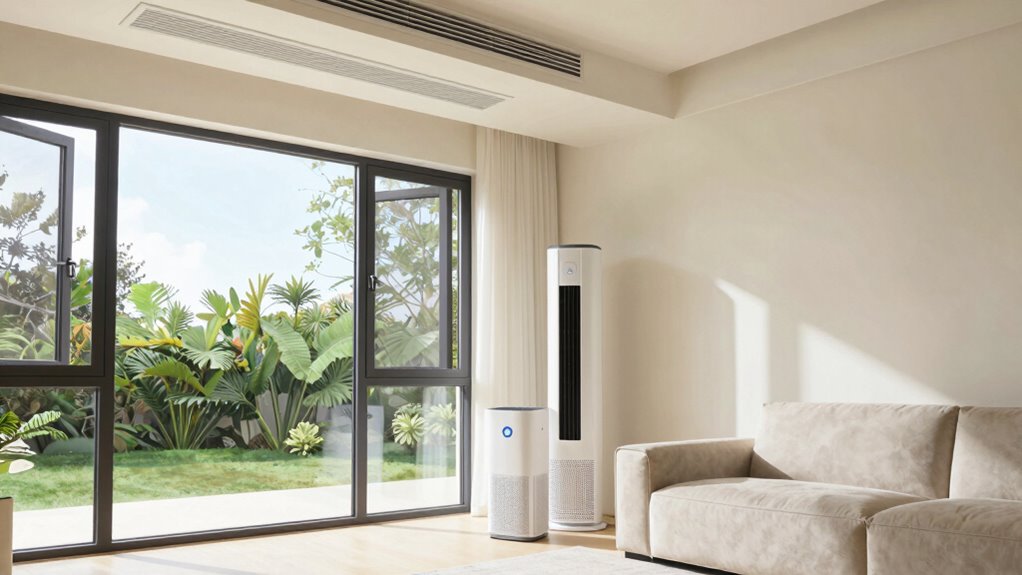
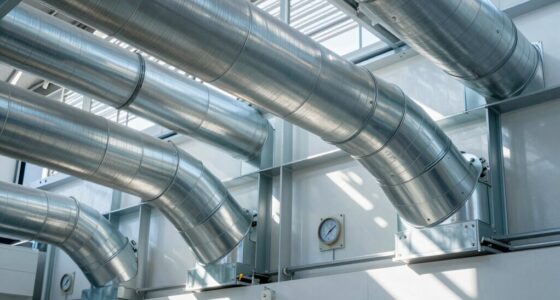
Ventilation is the process of bringing fresh outdoor air into your indoor spaces and removing stale air. This air exchange helps dilute indoor pollutants, like dust, odors, and volatile organic compounds, enhancing indoor freshness. Proper ventilation also supports the effective operation of air filtration systems by providing a consistent flow of clean air. When ventilation is well-maintained, it can prevent the buildup of indoor pollutants that can compromise air quality. Additionally, incorporating proper airflow management can optimize overall indoor air quality.
Ventilation introduces fresh air and reduces indoor pollutants for a healthier, more comfortable living space.
When you ventilate properly, you guarantee a steady flow of clean air, reducing the buildup of indoor contaminants. It’s not just about replacing air; it’s about maintaining a healthy environment.
Proper ventilation can involve opening windows, using exhaust fans, or mechanical systems that circulate air efficiently. By improving airflow, you prevent stuffiness and reduce the chances of airborne pollutants lingering.
Ultimately, good ventilation keeps your indoor space feeling fresh, clean, and healthier to breathe in every day.
How Do Air Purification and Ventilation Differ in Removing Indoor Pollutants?
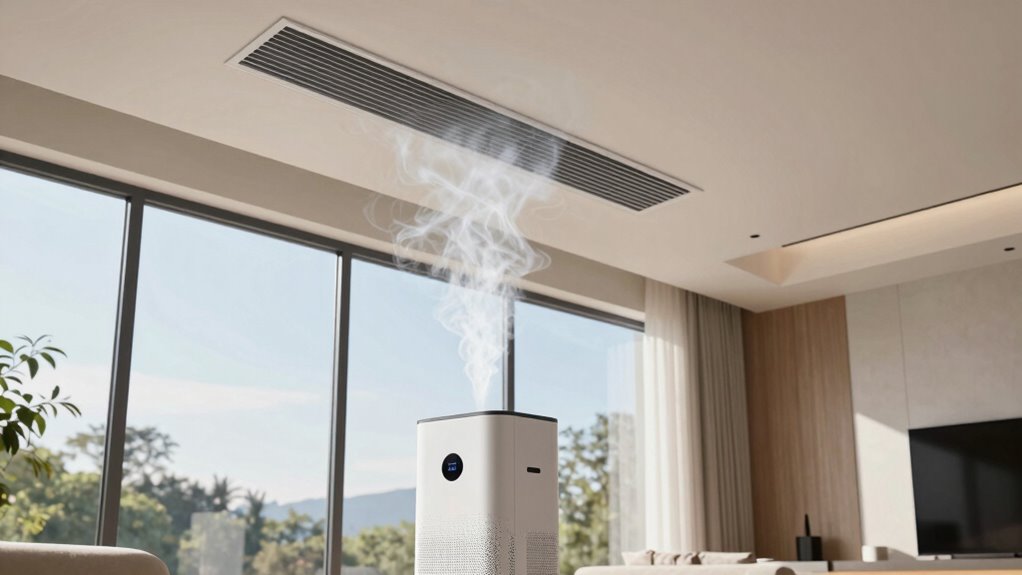
You’ll notice that ventilation mainly exchanges filtered air to refresh indoor spaces, while air purifiers focus on removing pollutants directly from the air. Effective air exchange can significantly improve indoor air quality by diluting indoor contaminants with fresh outdoor air. Ventilation provides a continuous supply of fresh air, but its pollutant removal efficiency varies depending on the system. Air purifiers excel at targeting specific pollutants, but they don’t bring in new air like ventilation does.
Filtered Air Exchange
How do air purification and ventilation differ in their approach to removing indoor pollutants? Ventilation achieves pollutant removal through filtered air exchange, replacing stale indoor air with fresh outdoor air. This process disperses pollutants and dilutes their concentration indoors. High efficiency filtration systems can further enhance indoor air quality by capturing smaller particles that ventilation alone might not remove effectively. Incorporating energy-efficient ventilation methods can optimize pollutant removal while minimizing energy consumption.
In contrast, air purification uses filtration systems to clean the air within a space, trapping particles and contaminants without necessarily introducing outdoor air.
Filtered air exchange relies on opening windows, exhaust fans, or mechanical systems to bring in cleaner air, reducing indoor pollutant levels over time.
Both methods aim to improve air quality, but their mechanisms differ: ventilation exchanges air volume, while purification targets pollutants directly within the indoor environment.
Understanding these differences helps you optimize your indoor air quality strategies effectively.
Pollutant Removal Efficiency
Both ventilation and air purification vary considerably in their ability to remove indoor pollutants. Ventilation works by increasing air exchange, replacing indoor air with outdoor air, which helps dilute pollutants like VOCs, dust, and odors. However, its pollutant removal efficiency depends on outdoor air quality and the rate of exchange. Additionally, air filtration technology can significantly enhance overall indoor air quality by actively capturing contaminants that ventilation alone might not effectively remove. Air purification devices, on the other hand, actively filter and trap airborne contaminants using HEPA filters or other technologies, often achieving higher pollutant removal efficiency for particles and certain gases. While ventilation reduces pollutant levels by dilution, effective filtration directly target and remove pollutants from the air itself. Combining both strategies maximizes pollutant removal, effectively improving indoor air quality by addressing different types of pollutants and contamination sources. Furthermore, understanding the air exchange rate is crucial for optimizing ventilation systems to work harmoniously with filtration methods.
Fresh Air Supply
Air purification and ventilation differ markedly in the way they supply fresh air to indoor spaces. Ventilation actively exchanges indoor air with outdoor air, promoting fresh air exchange and improving indoor air flow. It introduces clean air, diluting pollutants directly. In contrast, air purifiers recirculate indoor air, removing pollutants but not increasing fresh air supply. Here’s how they compare:
| Aspect | Ventilation | Air Purification |
|---|---|---|
| Fresh air supply | Brings in outdoor air | Recirculates indoor air |
| Pollutant removal | Dilutes pollutants via exchange | Filters pollutants from air |
| Indoor air flow | Enhances air movement | Maintains air quality indoors |
Understanding this difference helps you choose the right system to keep your indoor air healthy and fresh. Proper ventilation plays a crucial role in reducing indoor pollutants effectively, especially when combined with air quality management strategies.
When Should You Prioritize Ventilation Versus Air Purifiers?
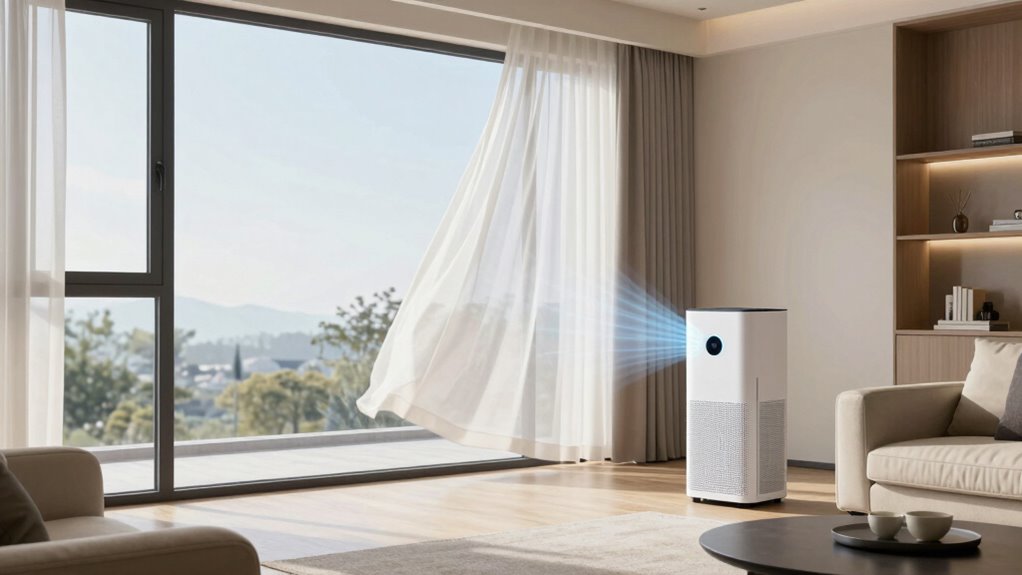
You should prioritize ventilation when outdoor air quality is good and you need to bring in fresh air regularly. However, if outdoor pollution levels are high or ventilation has limitations, air purifiers become more effective. Incorporating filtration systems can enhance air cleaning and ensure healthier indoor air. Additionally, understanding air exchange rates can help optimize ventilation effectiveness for your space. To maximize your efforts, it’s important to evaluate indoor air quality regularly and adjust your approach accordingly. Consider your specific air quality concerns to decide which approach best addresses your needs.
Air Quality Concerns
Have you ever wondered when it’s better to open windows or rely on air purifiers to improve indoor air quality? If you’re concerned about allergens, dust, or airborne pollutants, ventilation can be effective by bringing in fresh air.
However, for issues like mold prevention, maintaining HVAC systems is essential, as poor maintenance can trap moisture and promote mold growth. In such cases, air purifiers with HEPA filters can target tiny particles and improve air quality quickly.
If you’re dealing with high levels of indoor pollutants or odors, combining ventilation with air purifiers offers the best results.
Knowing when to prioritize fresh air or filter the air depends on your specific air quality concerns, but regular HVAC maintenance helps prevent mold and guarantees your ventilation system works efficiently.
Ventilation Limitations
While ventilation can effectively reduce many indoor pollutants, it has limitations that make air purifiers necessary in certain situations. Ventilation relies on air circulation and is less effective when outdoor air quality is poor or when humidity levels are hard to control. It also struggles to remove microscopic particles like allergens or viruses. Consider this table to understand when to prioritize ventilation over air purifiers:
| Situation | Limitation of Ventilation | Benefit of Air Purifiers |
|---|---|---|
| Poor outdoor air quality | Can’t filter pollutants outside | Removes airborne contaminants |
| High humidity environments | Difficult to control humidity | Improves humidity control |
| Allergens or viruses | Limited filtration capabilities | Captures small particles |
| Noise or drafts | Can cause discomfort or disruption | Quiet operation, no drafts |
Use ventilation mainly for air circulation and humidity control, but rely on purifiers for fine particle removal.
What Are the Best Air Purification Technologies for Indoor Air Quality?
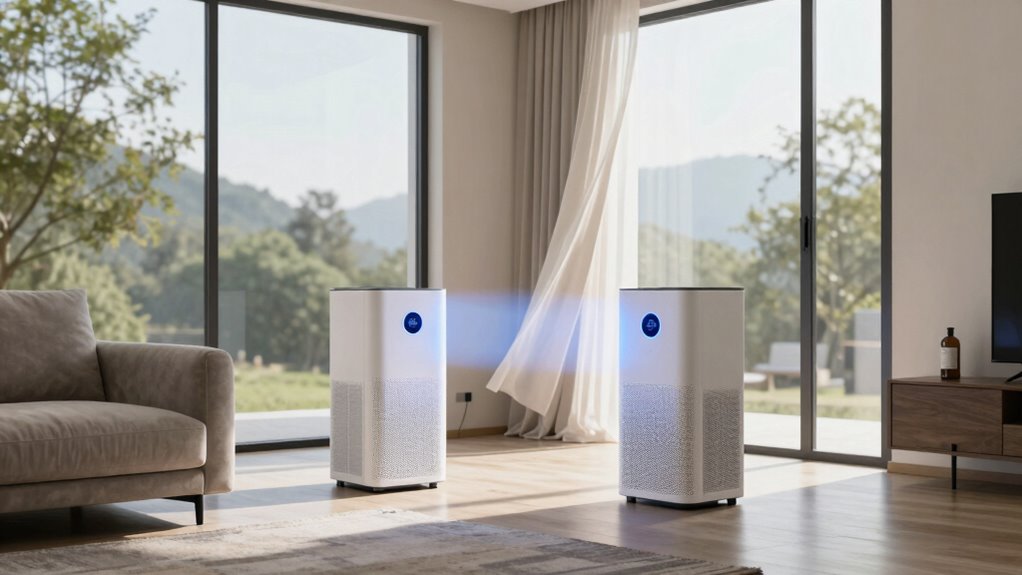
Several air purification technologies stand out as the most effective options for improving indoor air quality. HEPA filters are highly efficient at capturing airborne particles like dust, pollen, pet dander, and bacteria, making them a top choice for allergy sufferers.
UV sterilization uses ultraviolet light to destroy viruses, bacteria, and mold spores, providing an additional layer of protection.
Combining HEPA filters with UV sterilization offers thorough purification, tackling both particles and microorganisms.
These technologies are often integrated into air purifiers designed for residential or commercial spaces.
When choosing a system, consider your specific needs—such as allergy relief or pathogen control—and look for products that incorporate both HEPA filtration and UV sterilization for ideal indoor air quality.
Common Mistakes to Avoid When Improving Indoor Air Quality
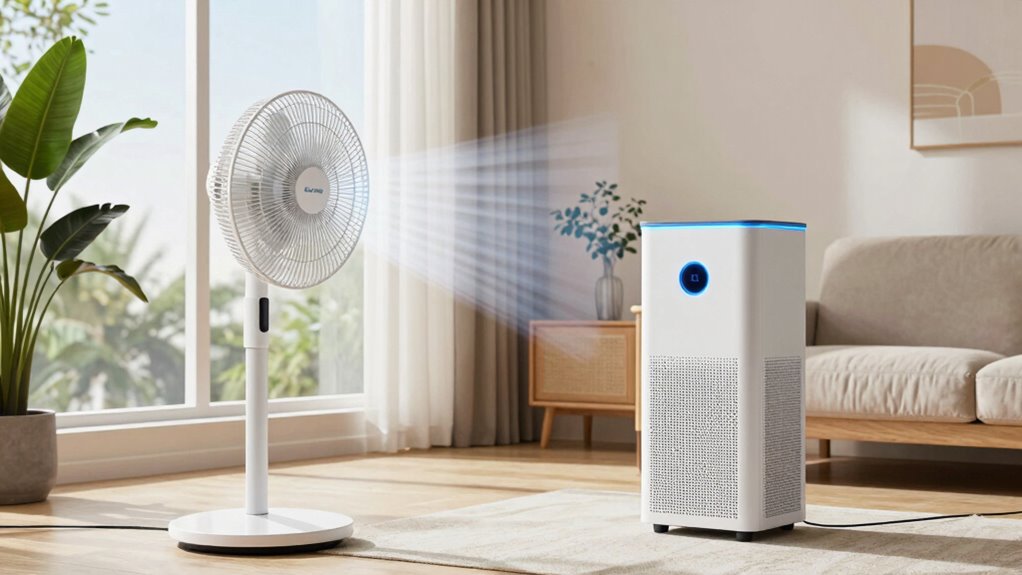
Improving indoor air quality can be highly effective, but many people make common mistakes that undermine their efforts. One mistake is neglecting energy efficiency—using outdated or overly powerful equipment can increase energy costs and waste resources. A good way to enhance efficiency is by selecting devices with smart control features that adapt to your needs. These features can optimize performance based on real-time conditions, further conserving energy. Incorporating energy-efficient devices can significantly reduce operational costs while maintaining air quality. Another pitfall is ignoring noise levels; devices that are too loud can disrupt your comfort and concentration. You might also over-rely on air purifiers without ensuring proper ventilation, which can trap pollutants indoors. Proper ventilation strategies, including local automation systems, help maintain fresh air circulation and prevent stagnation. Ensuring that your ventilation setup is correctly designed and balanced is essential for optimal air exchange. Failing to maintain equipment regularly may reduce effectiveness and increase noise. Additionally, setting unrealistic expectations, such as expecting instant results, can lead to frustration. To avoid these mistakes, balance your approach by choosing energy-efficient solutions, consider noise levels during installation, and maintain your systems consistently for the best indoor air quality.
How to Combine Ventilation and Air Purification for the Best Indoor Environment

Combining ventilation and air purification creates an all-encompassing strategy to enhance indoor air quality. To do this effectively, focus on balancing air exchange with pollutant filtration. A good understanding of culinary science principles can help you appreciate how proper air flow affects food preservation and safety. Here’s how you can optimize this combo:
Enhance indoor air quality by balancing ventilation with effective pollutant filtration strategies.
- Increase fresh air intake through controlled ventilation, ensuring stale air is replaced regularly.
- Use high-quality air purifiers with HEPA filters to trap pollutants like dust, pollen, and VOCs.
- Maintain proper airflow paths so purified air circulates evenly throughout your space.
- Regularly check and replace filters to keep pollutant filtration at peak performance.
Frequently Asked Questions
Can Ventilation Alone Eliminate All Indoor Air Pollutants?
No, ventilation alone can’t eliminate all indoor air pollutants. While it helps by increasing air exchange and diluting contaminants, some pollutants like VOCs and allergens require additional pollutant removal methods.
You should consider using air purifiers alongside proper ventilation to effectively reduce indoor air pollutants. This combined approach guarantees cleaner air and healthier indoor environments, especially in spaces with high pollutant levels or limited natural airflow.
Do Air Purifiers Work Effectively in All Types of Indoor Environments?
Air purifiers work effectively in most indoor environments, but their performance depends on airflow efficiency and filter lifespan.
For example, in a busy office, a high-quality purifier with a good airflow design can reduce pollutants considerably.
However, if filters aren’t replaced regularly, efficiency drops.
How Often Should Ventilation Systems Be Maintained for Optimal Air Quality?
You should maintain your ventilation system at least once a year, or more often if you notice reduced airflow or increased dust.
Regular filter maintenance is essential, so change filters as recommended by the manufacturer.
Additionally, schedule system inspections to make sure everything functions correctly and efficiently.
Proper upkeep helps improve indoor air quality, keeps your system running smoothly, and prevents potential issues caused by dirt buildup or mechanical failures.
Are There Health Risks Associated With Improper Use of Air Purifiers?
Improper use of air purifiers can pose health risks if you’re not mindful of air purifier safety.
For example, running an air purifier continuously in small, poorly ventilated spaces may trap pollutants or reduce oxygen levels, increasing ventilation health risks.
Always follow manufacturer instructions, guarantee proper room size, and combine air purification with good ventilation to maintain safe, healthy indoor air quality.
Can Combining Ventilation and Air Purification Reduce Allergy Symptoms Effectively?
Yes, combining ventilation and air purification can effectively improve air quality and provide allergy relief. You actively introduce fresh air through ventilation, reducing indoor pollutants.
Meanwhile, air purifiers target allergens like dust and pollen. This synergy enhances overall air quality, helping you breathe easier and lessen allergy symptoms.
Conclusion
Understanding the difference between ventilation and air purification helps you create a healthier home. Sometimes, it’s just a matter of opening a window when the weather’s right, and other times, you need a quality air purifier to catch tiny pollutants. When both work together, it’s like catching a coincidence—your indoor air quality improves effortlessly. So, trust your instincts, use the right tools, and breathe easier knowing you’ve got indoor air quality under control.