

When frothing milk, focus on texture instead of just aiming for tall foam. A smooth, creamy mouthfeel enhances your coffee experience far more than foam height alone. Using the right technique, equipment, and temperature, you can create velvety, stable milk that blends perfectly with espresso. Different plant-based milks require tailored approaches for ideal texture. Keep experimenting to master how texture elevates every sip—there’s much more to discover on how to perfect your milk frothing skills.

Prime made for students and young adults
- Fast, free delivery for dorm and study essentials
- Prime Video and Amazon Music included
- Member-only deals
Key Takeaways
- Focus on creating smooth, creamy milk texture for enhanced mouthfeel rather than just increasing foam height.
- Different alternative milks require tailored frothing techniques to achieve optimal texture.
- Controlling temperature during frothing is crucial for silky, well-integrated milk.
- Proper frothing techniques and equipment significantly influence milk’s sensory qualities.
- Texture directly impacts the overall drinking experience, making it more satisfying than foam height alone.
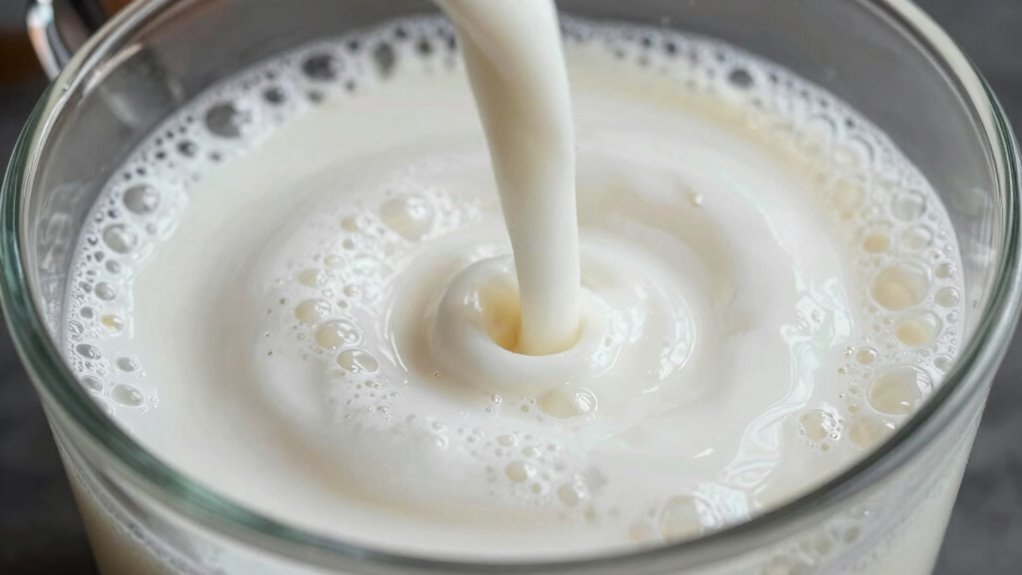
Have you ever been more focused on how tall your milk foam is than on how it feels? It’s easy to get caught up in making the perfect latte art or achieving that picture-perfect foam, but the real secret lies in the texture of your milk, not just its height. When you prioritize texture, you create a smoother, creamier experience that enhances every sip. Foam height is superficial—what truly matters is how the milk feels in your mouth and how well it integrates with your coffee.
One way to improve texture is by exploring alternative milk options. Plant-based milks like almond, soy, oat, and cashew each bring different properties to the frothing process. Some may foam up more easily or develop a richer consistency, but they often require different approaches. For example, oat milk tends to create a velvety, stable foam, perfect for achieving a luxurious mouthfeel. Soy milk, with its higher protein content, can produce a dense, creamy texture that holds well. When using alternative milk options, it’s essential to experiment with frothing temperature control. Different types of milk respond best at specific temperatures, and maintaining the right temperature ensures ideal texture. Additionally, understanding the frosting process can help you fine-tune the texture further.
Frothing temperature control isn’t just about avoiding burning your milk; it’s about ensuring the proteins and sugars in the milk or alternative milk develop the right structure. Too hot, and the milk can become grainy or lose its ability to foam smoothly; too cold, and it may not froth properly. The goal is to reach a temperature that allows the milk to become silky and well-integrated with your espresso, rather than just creating a lofty foam. Many espresso machines come with temperature gauges or automatic controls, making it easier to maintain the perfect frothing temperature consistently. Proper temperature control is crucial for achieving the ideal texture, especially when working with alternative milks that respond differently to heat. Developing good frothing techniques can also help you achieve a more consistent and satisfying texture.
In addition, paying attention to the texture of the milk helps you better understand how the milk interacts with different brewing methods and equipment. Focusing on texture over foam height shifts your perspective from visual perfection to sensory pleasure. Achieving a desirable texture can also be influenced by the type of steaming wand or frothing tool you use, which can make a significant difference in the final result. When you master the right frothing temperature control and understand the nuances of alternative milk options, your milk will feel better in your mouth, blending seamlessly with your coffee. The result is a more enjoyable drinking experience—creamy, smooth, and full of flavor—rather than just a tall, airy mound of foam. Remember, the goal isn’t to impress with height but to craft a texture that elevates every sip. Once you prioritize this, your coffee becomes richer, more satisfying, and truly delightful.
As an affiliate, we earn on qualifying purchases.
Frequently Asked Questions
What Types of Milk Produce the Best Texture for Frothing?
You’ll get the best texture from whole milk because its higher milk fat and balanced protein structure create a smooth, creamy froth. Skim milk froths easily but produces lighter, less rich foam due to lower fat content. Alternatives like 2% or oat milk can also give good texture, but their protein structures vary, affecting the creaminess and stability. Choose milk based on your desired froth richness and texture.
How Does Temperature Affect Milk Texture During Frothing?
You should keep milk between 140°F and 160°F because temperature control greatly impacts texture. Research shows that milk protein structure changes with temperature, affecting frothing quality. When milk gets too hot, proteins break down, resulting in less smooth, less stable foam. Staying within the ideal range ensures your milk maintains its protein integrity, creating a creamy, velvety texture. Proper temperature control is key to achieving the best frothing results.
Can Non-Dairy Milks Achieve Similar Textures as Dairy?
Yes, plant-based alternatives can achieve similar textures as dairy milk, but it depends on the type you choose. Some, like oat or soy milk, have a good texture consistency that froths well and creates a creamy, velvety foam. Others, like almond milk, may be more challenging. Experimenting with different brands and warming your plant-based milk properly helps you reach that smooth, rich texture you want for your froth.
What Tools Are Best for Creating Smooth Milk Textures?
You’ll want a good steam wand or frothing pitcher for creating smooth milk textures, essential for impressing with coffee art. Use proper milk steaming techniques—angle the pitcher, submerge the wand just below the surface, and steam until silky and warm. Non-dairy milks can work well too, but they may need slightly different steaming methods. Practice makes perfect, so experiment to achieve the ideal texture for beautiful latte art.
How Do I Troubleshoot Flat or Untextured Milk Froth?
When your milk froth turns flat or untextured, it’s often due to common milk frothing mistakes or inadequate technique. To troubleshoot, try alternative frothing techniques like steaming at a slightly lower temperature or using a different pitcher angle. Make certain your milk is fresh and your steam wand is clean. Adjust your approach, focus on creating microfoam, and remember that proper texture matters more than foam height for a perfect latte.
As an affiliate, we earn on qualifying purchases.
Conclusion
So, next time you chase that towering foam, remember: it’s not about impressing with height, but about feeling the silky texture in your mouth. Don’t be fooled into thinking a mountain of bubbles equals greatness—your taste buds will thank you for quality, not quantity. After all, who needs a foam Everest when you can have a perfectly textured latte that actually makes you want to sip? Prioritize texture, not just foam fluff, and elevate your coffee game.
plant-based milk frothing pitcher
As an affiliate, we earn on qualifying purchases.
As an affiliate, we earn on qualifying purchases.
espresso machine with temperature control
As an affiliate, we earn on qualifying purchases.
As an affiliate, we earn on qualifying purchases.
Evergreen bestsellers Picks
bestsellers
As an affiliate, we earn on qualifying purchases.