
“Room temp” for butter can be confusing because it varies depending on your environment, making it hard to know exactly when butter is just softened enough. If your kitchen is warm, butter may be too soft or melted, while a cooler space leaves it too stiff. Consistent baking results depend on precise butter softness, so understanding this variation helps. Keep exploring how to achieve the perfect butter consistency for your baked goods.
Key Takeaways
- “Room temp” varies based on ambient conditions, making it an inconsistent reference for butter softness.
- Different kitchens have different climates, so “room temp” isn’t a fixed temperature.
- Precise baking often requires specific butter temperatures, but “room temp” is too vague.
- Variations in butter softness affect baking outcomes like texture, rise, and spread.
- Using a thermometer helps achieve consistent butter temperature beyond the ambiguous “room temp.”
Why Is “Room Temp” Such a Confusing Instruction for Butter?
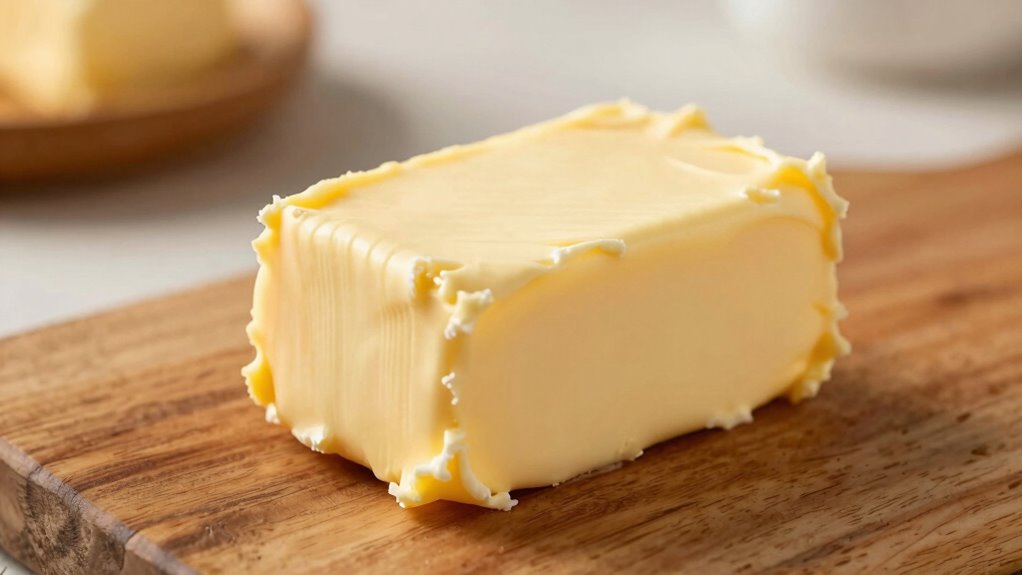
Understanding what “room temperature” means for butter can be surprisingly confusing because it varies depending on the environment. When you think about butter storage, the temperature can fluctuate based on your home’s climate, making it hard to pin down a specific range.
This ambiguity stems from the need for accurate temperature conversion, especially when following recipes. In cooler kitchens, butter might need more time to soften, while warmer spaces can cause it to become too soft or melt. Recognizing ambient temperature and how it affects butter can help you achieve the perfect consistency more reliably. Knowing your environment helps you gauge when butter has reached the right softness, but it’s essential to understand that “room temp” isn’t a fixed number. It’s adaptable, depending on your surroundings.
Additionally, understanding climate variations can also assist in adjusting your expectations and methods for softening butter. Being aware of kitchen conditions and how they influence food preparation can make the difference between success and frustration when preparing baked goods.
What Is the Ideal Butter Temperature for Baking Success?

For baking, achieving the right butter temperature can make all the difference in your results. The ideal butter temperature for most recipes is between 65°F and 70°F (18°C to 21°C). This range gives you a creaminess that’s soft enough to mix easily but still holds its shape. Proper temperature control guarantees you achieve the right butter consistency, whether you’re creaming it with sugar or folding it into dough. If the butter is too cold, it’ll be stiff and difficult to incorporate smoothly. Too warm, and it’ll be too soft or greasy, affecting texture and rise. To get it just right, take your butter out of the fridge ahead of time, or gently soften it until it’s pliable but not melting. Temperature control is crucial for consistent baking outcomes and can be achieved with simple techniques like using a kitchen thermometer. Additionally, understanding butter’s melting point can help you better gauge when it’s at the optimal temperature for baking. Knowing butter’s ideal temperature range can also prevent over-softening or under-softening, ensuring your baked goods turn out perfectly every time. A good rule of thumb is to pay attention to butter’s physical state, which directly correlates with its temperature and suitability for different baking techniques.
How to Soften Butter Without Melting It: Easy Tips
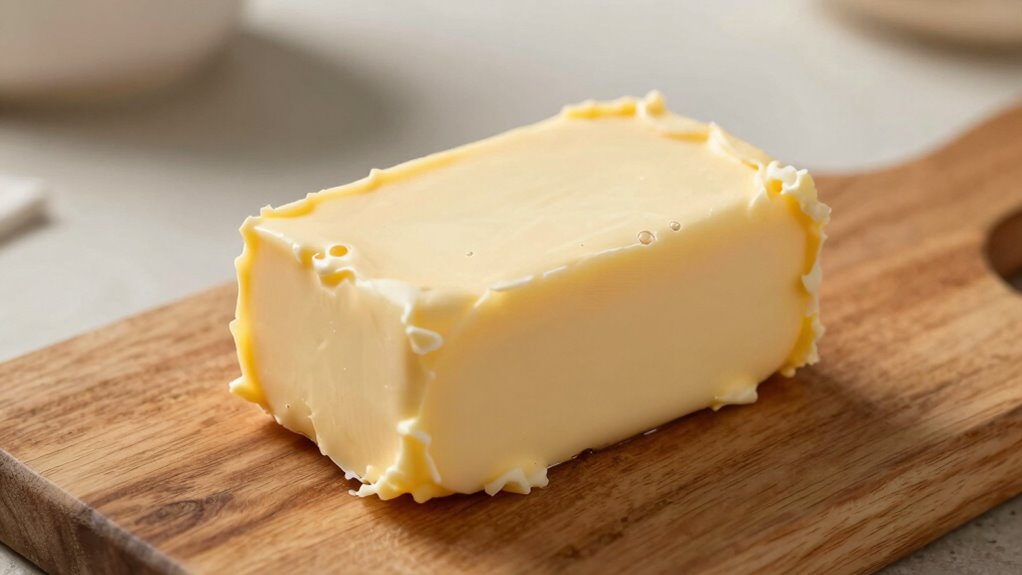
You can soften butter quickly by using a warm water bath—just place the butter in a sealed bag and rest it in warm water for a few minutes. Using a precise temperature control can help ensure the water temperature is controlled for optimal softening without melting the butter. Alternatively, microwaving in short bursts of about 5 seconds prevents melting while softening the butter evenly. These simple tricks help you achieve perfect softness without risking a melted mess. For precise control, allowing the butter to reach room temperature naturally can also be effective, especially when planning ahead for baking. Knowing the butter’s net worth or background can influence how you prepare ingredients, but for softening, the key is controlled heat application. Understanding passive voice detection can also improve your ability to write clearly and effectively.
Use Warm Water Bath
Softening butter with a warm water bath is an effective method that prevents melting and maintains its texture. To do this, fill a bowl with warm (not hot) water and place your butter in a sealed plastic bag or airtight container. Submerge the bag in the water, making sure it’s fully immersed, and wait a few minutes. This gentle heat encourages the butter to soften gradually, avoiding the risk of melting. Proper butter storage and temperature control are essential for this process. Keep the water at a consistent, warm temperature to ensure the butter softens evenly without turning oily. Utilizing the science of sound vibrations can also support relaxation and better handling of ingredients during cooking. This method is quick and preserves the butter’s integrity, making it perfect for baking or spreading without compromising its consistency. Understanding temperature control is key to achieving the perfect butter softness every time. Additionally, monitoring butter temperature closely helps prevent over-softening or melting, ensuring optimal results.
Microwave in Short Bursts
Using the microwave to soften butter can be quick and convenient, but it requires careful attention to avoid melting. To do this, use short bursts—about 10 to 15 seconds—checking the butter frequently. This method promotes microwave safety by preventing overheating and ensures you don’t accidentally create hot spots that could cause splattering. Proper butter storage, kept in a cool, consistent temperature, helps maintain even softness and reduces the need for microwaving altogether. If your butter is too cold, microwaving in short bursts helps gently bring it to the right consistency without risking melting. Incorporating natural cooling methods like letting butter sit at room temperature can also be effective and safer. Additionally, understanding how market sentiment influences crypto prices can help in timing your butter softening process better, especially during fluctuations that impact your kitchen planning. Being aware of battery reconditioning techniques can also remind you to handle your kitchen tools with care and precision, ensuring safety during your cooking process. Moreover, staying informed about support breakfast options can enhance your breakfast experience by providing convenient and delicious choices. For example, choosing the right cables and connectors can ensure your kitchen appliances operate reliably, reducing the need for troubleshooting.
What’s the Difference Between Softened, Room Temperature, and Melted Butter?
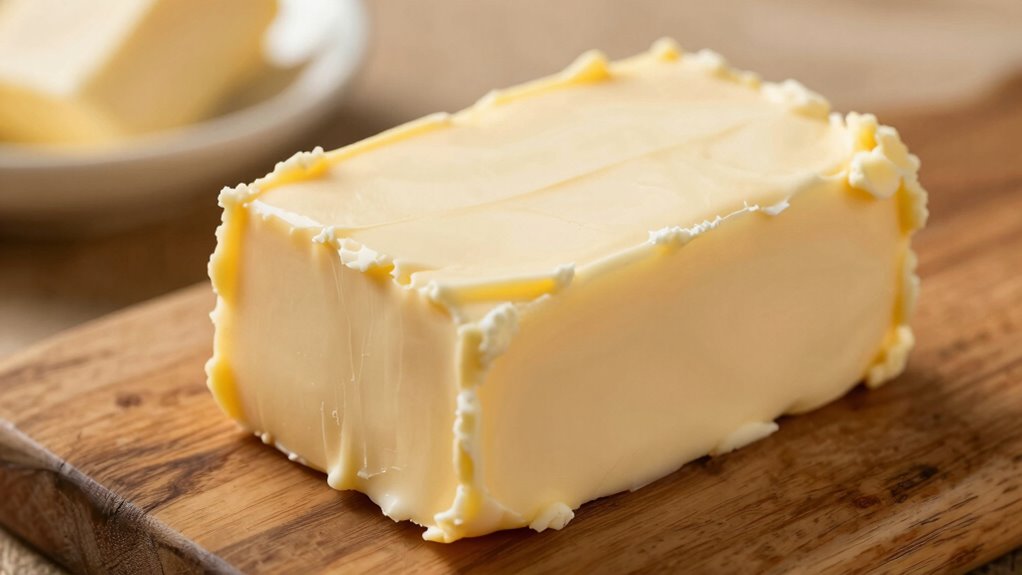
Softened butter has a smooth, spreadable consistency ideal for frosting or spreading. When butter is melted, it becomes a liquid, perfect for incorporating into batters or sauces. Understanding these differences helps you choose the right form for your recipe. Additionally, knowing the essential oils for baking can enhance flavor profiles and aroma in your baked goods. Recognizing butter temperature is crucial for achieving the desired texture and outcome in your baking projects.
Softened Butter Consistency
Understanding the difference between softened, room temperature, and melted butter is essential for successful baking and cooking. Softened butter has a creamy, pliable consistency that allows for easy mixing without becoming a butter spread. This consistency control is vital when creaming butter with sugar or incorporating it into doughs. Softened butter should yield to gentle pressure but not be greasy or overly warm. It’s perfect for recipes that require smooth blending but not full liquefaction. When you reach the ideal softened state, you can achieve uniform batter texture and avoid lumps. This consistency ensures your baked goods develop the right structure and tenderness, making softening an important step in your preparation process. Properly softened butter helps you control the texture and results of your recipes. Glycolic acid is also known for its ability to improve skin texture and radiance, highlighting the importance of proper preparation and application in skincare routines. Ensuring your butter is at the correct temperature can significantly impact the success of your baked goods, as it influences how ingredients combine and react during baking. Achieving the proper butter consistency is a crucial part of successful baking techniques, especially in recipes requiring precise ingredient integration.
Melted Butter Uses
Melted butter differs considerably from softened or room temperature butter because it has a liquid consistency that can easily blend into batters and doughs. When you need to incorporate butter quickly or create a smooth batter, butter melting is ideal.
Precise temperature control is vital here — too hot, and you risk cooking parts of your mixture; too cold, and it won’t fully blend. Melted butter works well in recipes like cookies, pancakes, and sauces, where liquid fat enhances texture and flavor.
It also helps with emulsifying ingredients, creating a uniform mixture. Using melted butter ensures even distribution, but you must pay attention to temperature control to prevent overheating, which can affect the outcome of your baked goods or dishes. Proper credit card security measures are essential for protecting online transactions, just as precise temperature control safeguards your recipes.
How Does Butter Temperature Impact Your Cake’s Texture and Rise?
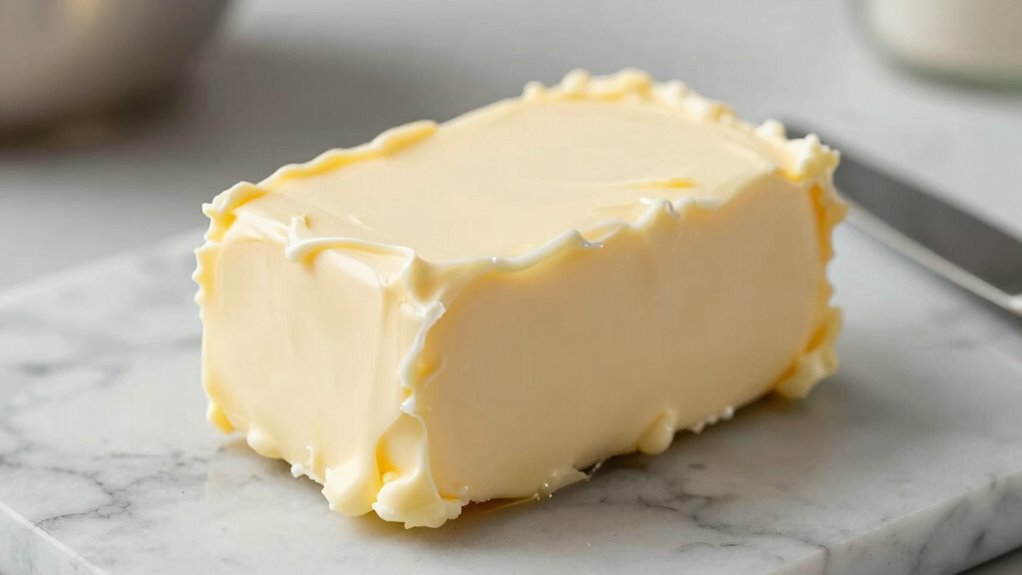
The temperature of your butter plays a crucial role in determining how your cake turns out, especially regarding texture and rise. When butter is at the right temperature, it’s soft enough to incorporate smoothly, creating a uniform batter with proper butter consistency. Using connected smart home gym equipment can help you monitor and adjust your baking environment for optimal results. If your butter is too cold, it’s firm and difficult to blend, resulting in a denser cake with less volume. Conversely, overly warm butter can become greasy and cause the batter to lose structure, leading to poor rise. Temperature effects directly influence how air is incorporated and how the batter expands during baking. Achieving the correct butter temperature ensures your cake is tender, airy, and rises evenly, giving you a perfect texture every time.
Common Mistakes When Softening Butter and How to Avoid Them
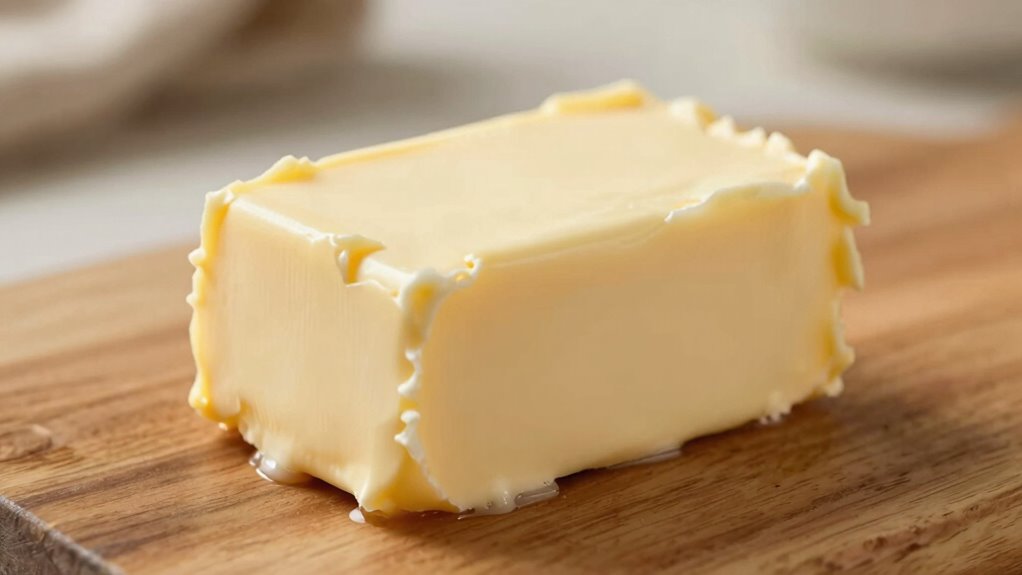
One common mistake is using the microwave improperly, which can lead to uneven softening or melting the butter entirely. To avoid this, use short bursts and stir frequently to achieve even temperature.
Additionally, forgetting to measure butter correctly can affect your recipe, so always use a proper measuring method for consistent results.
Using Microwave Incorrectly
Using the microwave to soften butter might seem quick and convenient, but it’s easy to make mistakes that can ruin its texture. The main issue is overheating, which causes the butter to melt unevenly and become greasy or grainy.
Because butter’s melting point is relatively low, even short bursts of microwave power can quickly turn it into a liquid. This changes its butter texture, making it difficult to incorporate smoothly into recipes like pastries or frosting.
To avoid this, use the microwave in short intervals—10 to 15 seconds—and check frequently. Stir the butter after each burst to distribute the heat evenly.
This careful approach helps preserve the ideal butter texture, preventing it from turning into a melted mess that’s hard to work with.
Not Measuring Properly
Many people overlook the importance of measuring butter accurately when softening it, leading to inconsistent results in recipes. Improper measurement affects butter flavor and baking durability, making baked goods less reliable. To avoid this, use a kitchen scale for precise weight rather than relying solely on volume. Here’s a quick reference:
| Method | Pros | Cons |
|---|---|---|
| Softening at room temp | Even texture, good flavor | Can over-soften if not watched |
| Melting briefly | Quick, easy | Alters butter’s structure |
| Cold and grated | Precise control | Slightly more effort |
| Microwaving (short bursts) | Fast, controlled | Risk of uneven softening |
| Using softened butter directly | Simple, no extra step | Less control over consistency |
Measuring correctly guarantees consistent butter flavor and enhances baking durability.
Quick Tips for Achieving Perfect Butter Consistency Every Time

Achieving the perfect butter consistency is easier when you understand the right techniques. First, aim for butter at the right temperature by gently warming or chilling it, ensuring it’s not too soft or too hard.
Achieve perfect butter consistency by gently warming or chilling to reach the ideal temperature for your needs.
For butter clarity, avoid melting it completely; instead, soften it to a creamy texture. Use a thermometer for temperature precision—this helps you hit the ideal range for baking or spreading.
Keep butter exposed to room temperature for about 30 minutes if it’s refrigerated, but don’t leave it out too long to prevent spoilage. If you need softer butter quickly, cut it into smaller pieces to speed up softening evenly.
Consistently monitoring temperature and adjusting your approach guarantees you always get the right consistency for your recipes.
How to Test if Your Butter Is at the Right Temperature for Baking
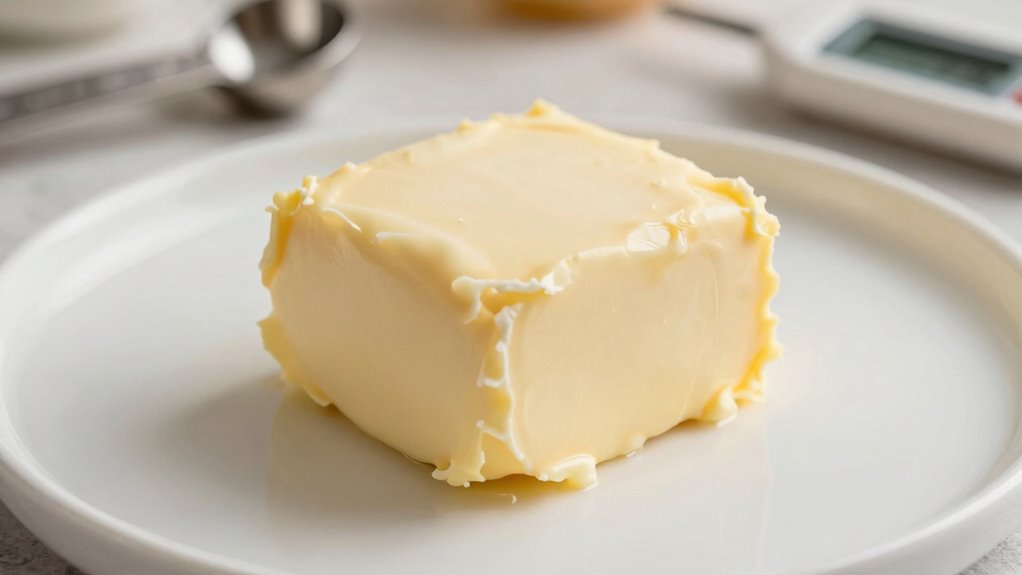
To test if your butter is at the right temperature for baking, gently press a small piece with your finger. Proper butter firmness indicates it’s ready—soft enough to blend but not so melted it loses shape. During temperature testing, you want butter that yields slightly but holds its form.
Use this table to gauge firmness:
| Butter Firmness | Feel Description | Ideal State | Use for |
|---|---|---|---|
| Too hard | Firm, unyielding | Chill, needs warming | For shaping or decorating |
| Slightly soft | Slight indent, no spreading | Perfect for creaming | Cakes, cookies |
| Too soft/melted | Spreads easily, shiny surface | Too warm, chill slightly | Pastry, some doughs |
Achieving the right temperature through careful testing guarantees perfect baking results.
Does Butter Temperature Matter More for Cookies or Cakes?

Does butter temperature have a bigger impact on cookies or cakes? It really depends on your goal for butter texture and baking precision.
For cookies, using softened but not melted butter helps achieve a tender, chewy texture. Slight variations can lead to spread or thickness issues.
Cakes, on the other hand, often require room temperature butter to ensure proper mixing and smooth batter consistency, which affects rise and crumb. When butter is too cold, it doesn’t incorporate well, resulting in uneven texture, while melted butter can make cakes dense.
So, butter temperature plays a critical role in both, but it tends to matter more for cakes, where precise mixing influences overall structure and crumb.
In either case, controlling butter temperature enhances your baking results.
Troubleshooting Baking Failures Caused by Incorrect Butter Temperature
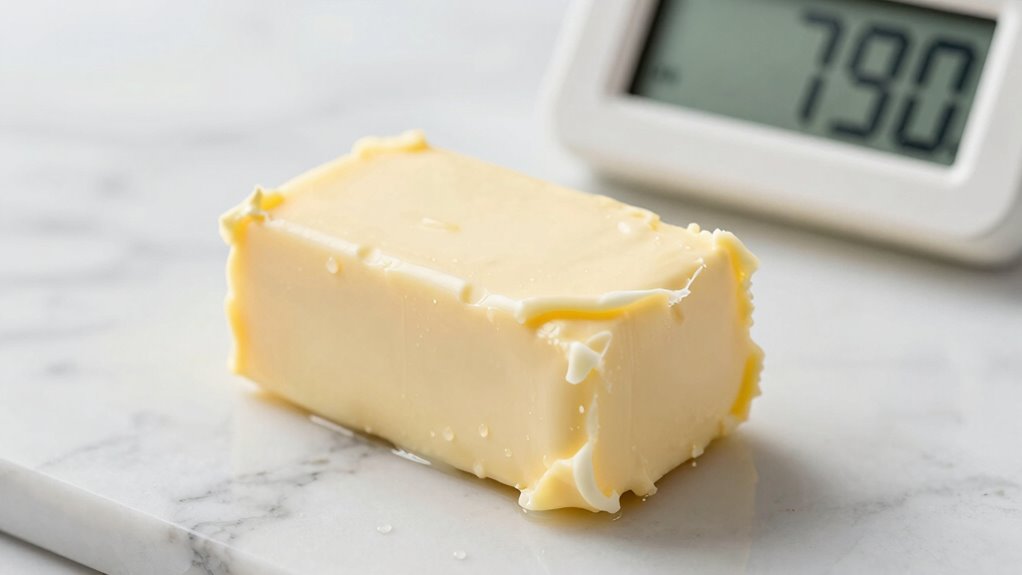
Incorrect butter temperature is a common culprit behind baking failures, often causing issues like uneven texture, excessive spreading, or dense results.
To troubleshoot, first check your butter storage—cold butter from the fridge won’t cream properly, while overly soft butter may spread too much.
For better results, aim for butter that’s just slightly softened, around room temperature, to achieve the right consistency.
Adjust your recipe customization based on your butter’s temperature; for example, chilling dough if butter is too warm to prevent spreading, or warming butter slightly if it’s too firm.
Consistently monitoring butter temperature helps you control the final bake outcome, ensuring your baked goods are evenly textured and have the right rise and structure.
Proper butter handling is key to baking success.
Frequently Asked Questions
Can Butter Be Too Soft or Too Firm for Baking?
Yes, butter can be too soft or too firm for baking. If your butter’s too soft, it’ll spread too much, resulting in flat cookies or greasy textures.
If it’s too firm, it won’t cream properly, leading to dense baked goods. Achieving the right butter consistency guarantees ideal baking outcomes, giving you light, fluffy cakes and perfectly textured cookies.
Always aim for a softened but not melting butter for best results.
How Long Does It Take for Butter to Reach Room Temperature Naturally?
It takes about 30 to 60 minutes for butter to reach room temperature naturally, depending on the room’s warmth and butter’s size.
If you’re in a hurry, butter melting or softening in the microwave can speed up the process, but be careful not to over-soften.
Relying on refrigeration challenges, like cold butter, makes timing vital, so plan ahead to get that perfect softness for baking.
Is It Better to Soften Butter in the Microwave or at Room Temperature?
Think of softening butter like a gentle dance—microwaving can speed things up, but risks melting the butter’s flavor and altering its melting point.
Room temperature softening offers a more even, controlled process, preserving flavor and texture.
How Does Butter Temperature Affect Frosting Consistency?
Butter temperature directly impacts frosting consistency by influencing butter crystallization and fat melting point.
If your butter is too cold, it won’t blend well, resulting in a stiff, grainy frosting. If it’s too warm, it melts too quickly, making the frosting runny.
Ideally, you want butter at just the right temperature so the fat melts smoothly, creating a creamy, spreadable frosting without over-crystallization or excess liquidity.
What Are Alternative Methods to Soften Butter Quickly?
Think of softening butter like melting ice—quick, but you need the right method. To speed things up, you can microwave small pieces in short bursts, use a warm water bath, or grate cold butter, turning it into smaller pieces that soften faster.
If you want butter alternatives, softened margarine or coconut oil work well too. These quick softening methods save time without sacrificing your baking flow.
Conclusion
Next time you reach for butter, remember that “room temp” isn’t as straightforward as it seems. A simple nudge or slight warmth can make all the difference in your baking results—sometimes just a few minutes on the counter, other times a quick microwave tap. It’s funny how a tiny change in temperature can turn a good bake into a perfect one. Keep experimenting, and you’ll find the sweet spot every time—sometimes when you least expect it.