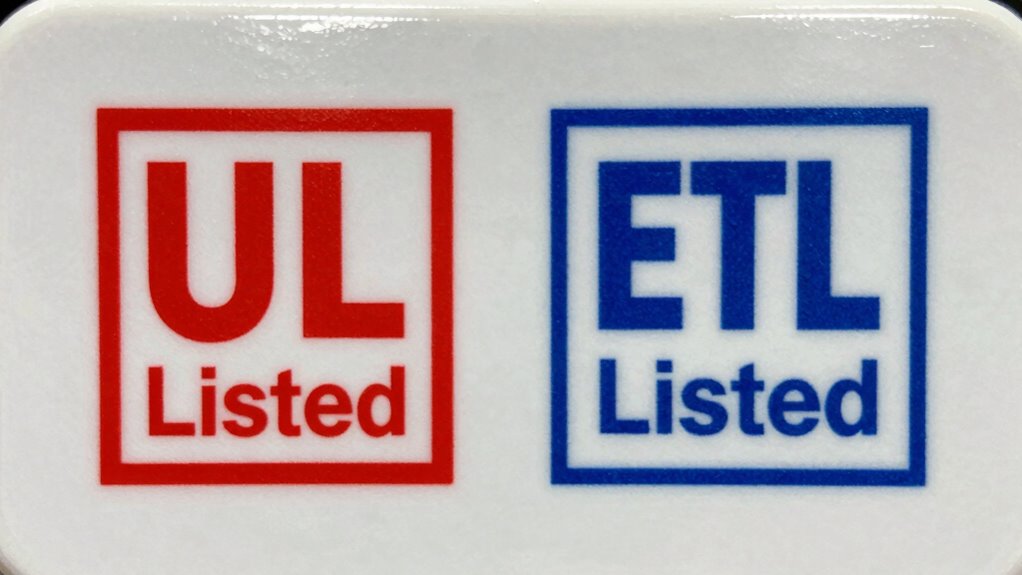

UL Listed and ETL Listed labels both show that a product has passed safety testing, but they come from different organizations. UL is known for strict, thorough evaluations, while ETL also follows rigorous standards and conducts regular inspections. Both labels indicate the product meets industry safety benchmarks, helping you pick safer options. To understand how these approvals compare and what they truly mean for your safety, there’s more to discover if you keep exploring.

Prime made for students and young adults
- Fast, free delivery for dorm and study essentials
- Prime Video and Amazon Music included
- Member-only deals
Key Takeaways
- Both UL and ETL labels indicate the product has passed safety tests and meets industry standards.
- UL certification involves extensive testing and ongoing inspections; ETL also conducts rigorous testing and factory audits.
- UL and ETL are different organizations but their certifications are widely recognized as credible indicators of safety.
- The labels signal compliance with electrical, fire, and mechanical safety standards, reducing product hazards.
- Certification alone doesn’t guarantee safety; proper installation and maintenance are essential for ongoing protection.
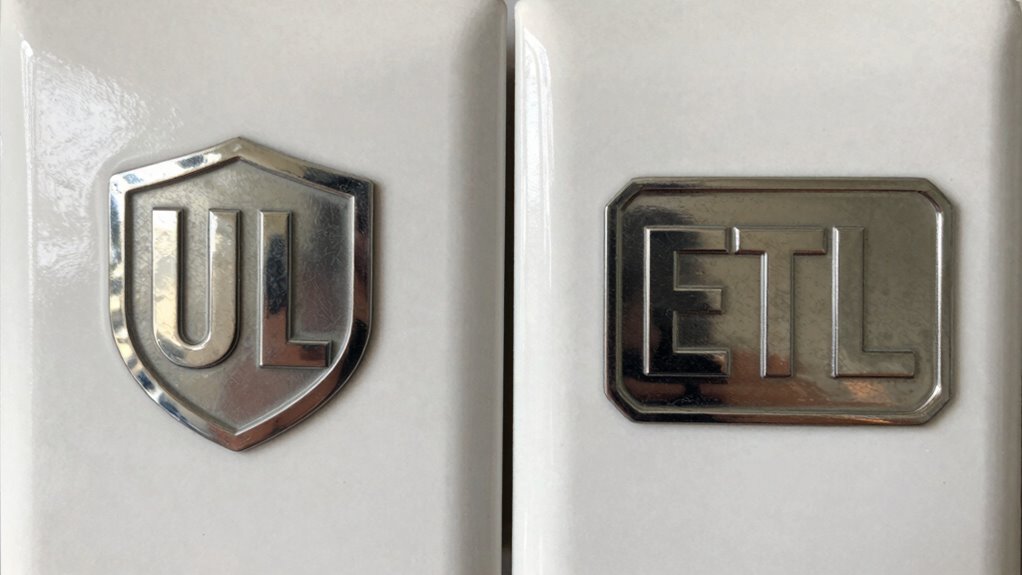
When choosing electrical products, understanding the significance of certification labels can make all the difference. These labels aren’t just stickers; they signal that the product has undergone specific testing and evaluation to meet recognized safety standards. Knowing what a UL Listed or an ETL Listed mark signifies can help you make safer, more informed decisions for your home or workplace. Both labels are widely respected in the industry, but they come from different organizations that follow distinct certification processes. Recognizing these differences helps you understand the level of safety assurance each provides.
The UL (Underwriters Laboratories) certification process involves rigorous testing and evaluation to ensure products meet strict safety standards. When a product is UL Listed, it means UL has tested the product and verified that it conforms to these standards. UL’s testing covers electrical safety, fire hazards, mechanical durability, and other critical factors. The certification process is thorough, often requiring manufacturers to submit detailed documentation and undergo periodic inspections to maintain their certification status. As a result, a UL Listed label signals that the product has been evaluated according to extensive safety criteria.
On the other hand, the ETL (Electrical Testing Laboratories), operated by Intertek, also certifies products based on safety standards. The ETL Listed mark indicates that the product has been tested and meets the same or similar safety requirements as UL standards. The certification process with ETL involves independent testing of products and regular factory inspections to ensure ongoing compliance. Like UL, ETL’s process emphasizes safety standards, but the procedures and testing protocols may vary slightly between the two organizations. Despite these differences, both organizations adhere to recognized safety benchmarks, making their labels equally credible.
When you see a product with either a UL or ETL label, you’re getting a signal that it has passed safety assessments based on rigorous certification processes. These labels help you identify products that are less likely to pose electrical hazards, fire risks, or mechanical failures. While the brands are different, both organizations prioritize safety standards and reliable testing procedures. It’s essential, however, to remember that certification is just one part of safety; proper installation and regular maintenance are equally important. Additionally, certification standards and ongoing compliance are vital to maintaining safety over time. Still, choosing products with these labels provides an added layer of confidence that you’re selecting safe, compliant electrical equipment.
As an affiliate, we earn on qualifying purchases.
Frequently Asked Questions
Can a Product Be Both UL Listed and ETL Listed Simultaneously?
Yes, your product can be both UL listed and ETL listed simultaneously. This often depends on product compatibility and meeting the certification renewal requirements for both organizations. Having both labels can enhance your product’s credibility and marketability. Make certain you maintain compliance with each certification’s standards and renew certifications as needed to keep both labels valid, demonstrating ongoing safety and quality to consumers.
Are UL and ETL Certifications Recognized Internationally?
When it comes to international recognition, UL and ETL certifications are generally well-respected, but it’s a different ballgame worldwide. You need to take into account the manufacturer’s reputation and their adherence to rigorous testing procedures. These labels serve as a stamp of safety, but acceptance varies in different countries. So, if you’re crossing borders, double-check whether these certifications meet the local standards to avoid any surprises down the line.
How Long Do UL and ETL Certifications Typically Last?
Your UL and ETL certifications typically last as long as the product continues to meet testing standards and certification requirements. Usually, certifications are valid for about one to three years, after which you need to verify if the product still complies or requires re-evaluation. Regular testing and adherence to safety standards guarantee your product maintains its certification status, giving consumers confidence in its safety and quality.
Do UL and ETL Certifications Cover All Types of Electrical Products?
UL and ETL certifications generally cover many electrical products, but their product scope varies. They focus on specific certification standards for different categories, so not all electrical items are included. You should check the product’s label and manufacturer details to confirm if it falls under these certifications. While both guarantee safety and compliance, their coverage depends on the product type and the applicable certification standards.
Is There a Difference in Cost Between UL and ETL Testing?
You’ll find that UL testing generally costs more than ETL testing due to their certification processes and reputation. The cost comparison depends on the product type and testing requirements, but both certifications offer valid assurance of safety. When choosing between them, consider certification validity and acceptance in your target markets. While UL might be pricier, it’s often perceived as more globally recognized, which could benefit your product’s credibility.
As an affiliate, we earn on qualifying purchases.
Conclusion
While UL Listed and ETL Listed labels might seem like simple marks of approval, they subtly suggest a level of trust that’s worth considering. It’s up to you to look beyond the surface and understand what these symbols truly represent. After all, true safety isn’t just about labels — it’s about making informed choices that reflect your values. So, stay curious and remember, the most meaningful assurances often lie beneath the surface.
UL vs ETL safety certification labels
As an affiliate, we earn on qualifying purchases.
As an affiliate, we earn on qualifying purchases.
electrical safety certification products
As an affiliate, we earn on qualifying purchases.
As an affiliate, we earn on qualifying purchases.
Fall Picks
fall essentials
As an affiliate, we earn on qualifying purchases.