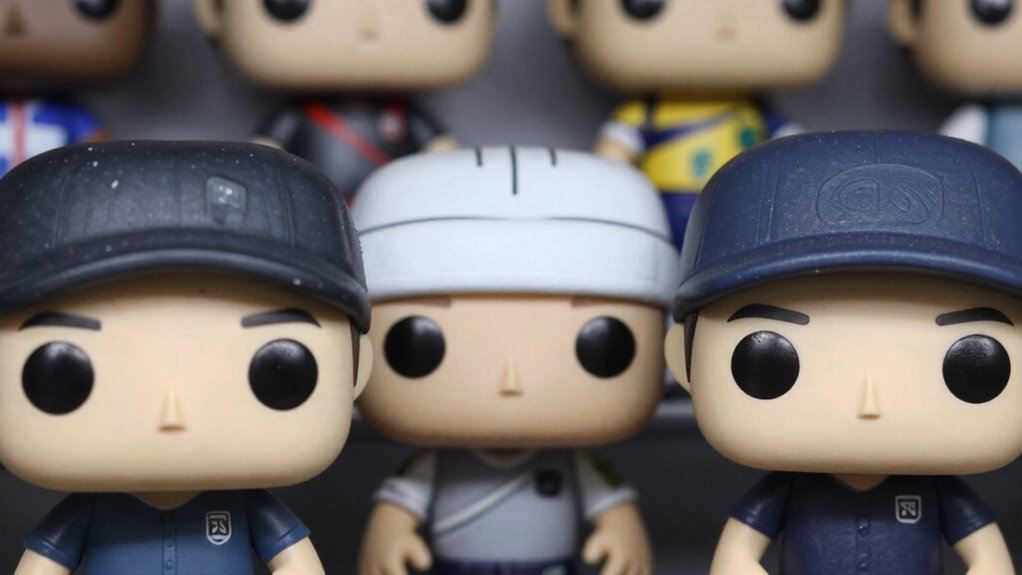
To spot fake Funko Pops, start by inspecting the packaging for blurry graphics, uneven colors, misaligned labels, or flimsy material. Check the paint finish and sculpt details—authentic figures have sharp, precise features, while fakes often look sloppy or mismatch colors. Verify barcodes and product codes with official sources, and be cautious of notably low prices or questionable sellers. If you want to know more about common telltale signs, keep exploring these tips.
Key Takeaways
- Examine packaging for high-quality printing, correct logos, vibrant colors, and proper seals or holograms.
- Check the figure’s paintwork for sharp details, consistent coloring, and accurate sculpting.
- Verify barcodes, product codes, and labels against official Funko listings for authenticity.
- Assess weight and feel; genuine figures are solid and hefty, while fakes often feel light or hollow.
- Review seller reputation and price; suspiciously low prices and untrustworthy sources are red flags.
Recognize Packaging Differences in Fake Funko Pops
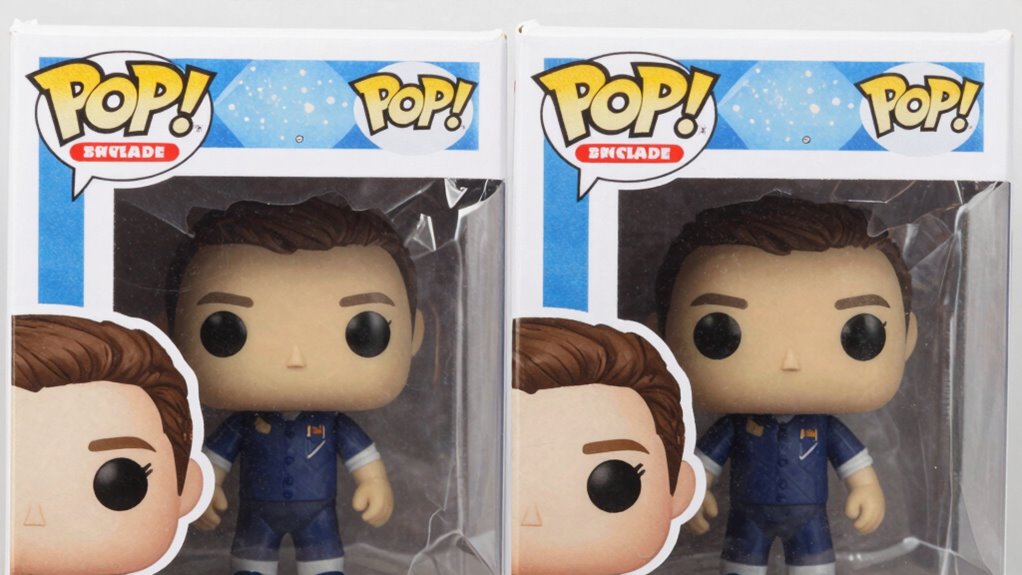
To spot fake Funko Pops, start by closely examining the packaging. Authentic Funko boxes typically feature a consistent and high-quality packaging design, with sharp, vibrant colors and clear images. Fake boxes often have blurry graphics, misaligned text, or incorrect fonts. Pay attention to box integrity—real Funko packaging feels sturdy, with tightly sealed edges and no signs of tampering. Counterfeit boxes may feel flimsy, with dents, tears, or weak seams that suggest poor manufacturing. Check the overall layout: genuine boxes usually have precise, symmetrical placement of logos and labels, while fake ones may display sloppy printing or misplaced elements. Additionally, counterfeit packaging may lack quality control marks or have inconsistent printing details, indicating a lack of official manufacturing standards. A common sign of fakes is the absence of security features, which are often used by authentic brands to prevent counterfeiting. Sometimes, counterfeit boxes also skip barcode details or include incorrect serial numbers, which can be another indicator of fakeness. Familiarizing yourself with official packaging standards can help you identify subtle discrepancies that reveal a fake, especially when inspecting print quality and material thickness.
Check the Paint Quality and Details
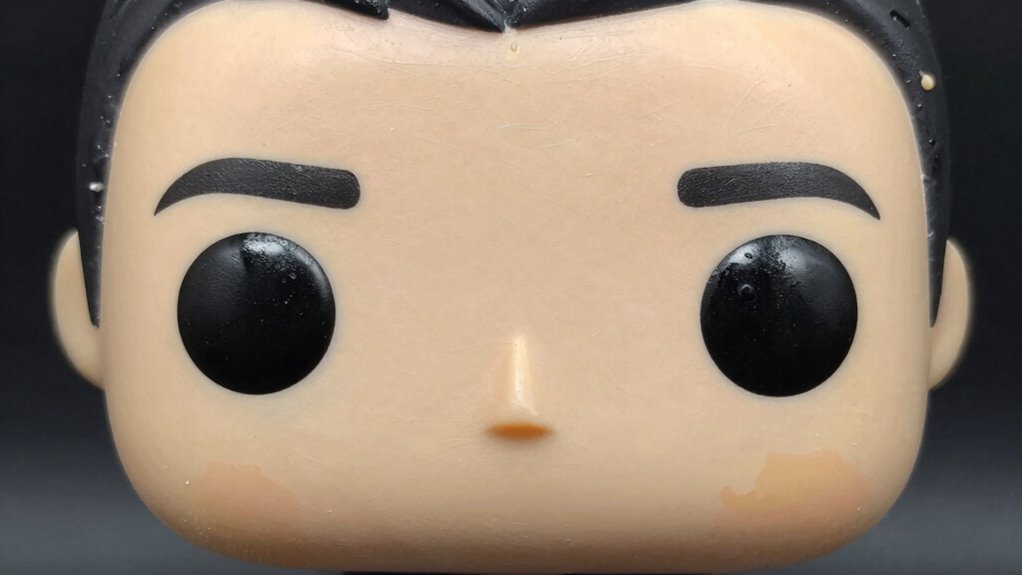
Examining the paint quality and details can reveal a lot about a Funko Pop’s authenticity. Fake Pops often have paint flaws or detail inconsistencies that stand out. Look closely at the paint job for uneven edges, smudges, or mismatched colors. Authentic figures usually have smooth, precise paint application and consistent detailing. – Check for paint smudges or drips, which are common in counterfeits – Look for uneven or sloppy paint lines around features – Notice if colors are off or too vibrant compared to official images – Pay attention to small details—missing or poorly painted elements – Watch for paint flaws that seem out of place or inconsistent with the character’s design. Being vigilant about these paint issues helps you spot fake Funko Pops quickly, especially when considering quality control and production standards. Additionally, examining manufacturing consistency can help identify counterfeit products that often show irregularities across multiple figures. Regularly comparing your figure with authentic examples can also highlight subtle differences in paint application quality, making it easier to detect fakes. Paying close attention to color accuracy can further assist in distinguishing genuine figures from counterfeit versions, as official products maintain strict color standards.
Examine Sticker and Label Placement
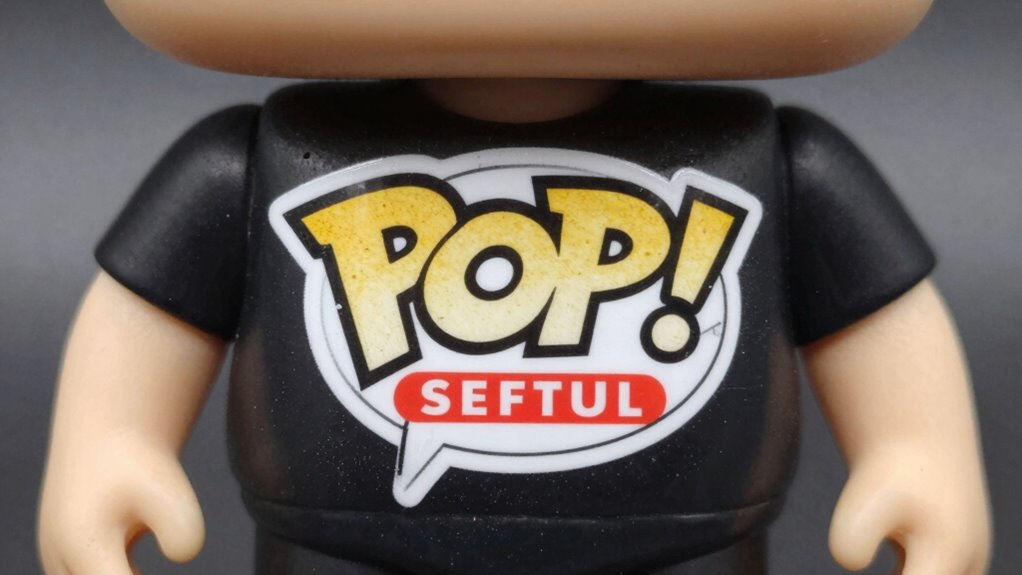
Pay close attention to the sticker and label placement on your Funko Pop. Authentic figures typically have precise sticker placement, with labels aligned consistently and cleanly. Fake Funko Pops often have irregular or crooked sticker positioning, with labels that are crooked, too high, or too low. Examine the overall symmetry of the stickers; genuine Pops usually feature labels centered and properly aligned. Look for any signs of peeling, smudging, or uneven edges, which are common in counterfeits. The label’s font and print quality should be crisp and clear, matching official branding standards. Slight variations in sticker placement or inconsistencies in label positioning can be telltale signs of a fake. Paying close attention here helps you quickly identify counterfeit Funko Pops. Additionally, high-quality printing on the labels indicates authenticity, as fake figures often have blurry or inconsistent print quality. Being familiar with official branding standards can further aid in distinguishing genuine from fake figures. Recognizing supply chain indicators such as packaging details can also help verify authenticity. Furthermore, examining the production date and batch codes printed on the box or label can provide additional clues to authenticate your Funko Pop.
Compare Sculpt and Design Accuracy

When comparing Funko Pops, focus on the sculpt detailing to see if it’s precise and true to the original design. Check if the colors and finish match the official figure, as fake versions often have inconsistent paint jobs. These details can help you quickly identify a counterfeit before making a purchase. Additionally, examining design accuracy can reveal subtle discrepancies that distinguish authentic figures from fakes. Paying attention to quality control processes can further assist in spotting genuine figures, as fake products often lack rigorous inspection standards. Observing the manufacturing standards used can also provide insight into the authenticity of the collectible. Paying close attention to the overall production quality can help you identify if the figure was manufactured under authentic conditions. Furthermore, inspecting the packaging details such as labels, barcodes, and holograms can offer additional clues about its legitimacy.
Sculpt Detailing Precision
To identify fake Funko Pops, you should closely compare the sculpt and design details to official product images. Authentic figures display precise sculpting techniques, with well-defined features and consistent surface textures. Fake versions often lack this sharpness, showing uneven details or rough surfaces. Odor detection can sometimes be an indicator of authenticity, as genuine figures typically do not emit unusual smells. Pay attention to small elements like facial expressions, clothing folds, and accessories, which should match the original’s accuracy. Examine the overall proportions and symmetry; genuine Funkos maintain consistent sculpting quality across the entire figure. Additionally, quality control measures in authentic manufacturing ensure high standards, so check for any discrepancies that might suggest the figure is counterfeit. Consistent manufacturing quality is a hallmark of genuine Funko Pops, making it crucial to scrutinize the overall finish and craftsmanship. Carefully inspecting the production details can reveal subtle differences that distinguish authentic figures from fakes, such as slight variations in logo placement or text font. Confirm that surface textures appear natural and appropriately detailed. Recognizing signs of mass production flaws can help you identify counterfeit figures more effectively.
Color and Finish Match
Examining the color and finish of a Funko Pop is essential for confirming its authenticity. Authentic figures have consistent color application across all parts, with no mismatched hues or uneven patches.
Pay close attention to the finish quality; genuine Funko Pops feature a smooth, matte or glossy surface that reflects light evenly. Fake versions often have inconsistent color tones, such as dull or overly shiny finishes, and may show rough or uneven paint edges.
Look for sharp, clean lines and precise detailing that match the original design. If the colors seem off or the finish appears sloppy or uneven, it’s a strong sign of a counterfeit.
Comparing these aspects to official images or verified authentic figures helps ensure you’re spotting a genuine Funko Pop.
Verify Barcode and Product Codes
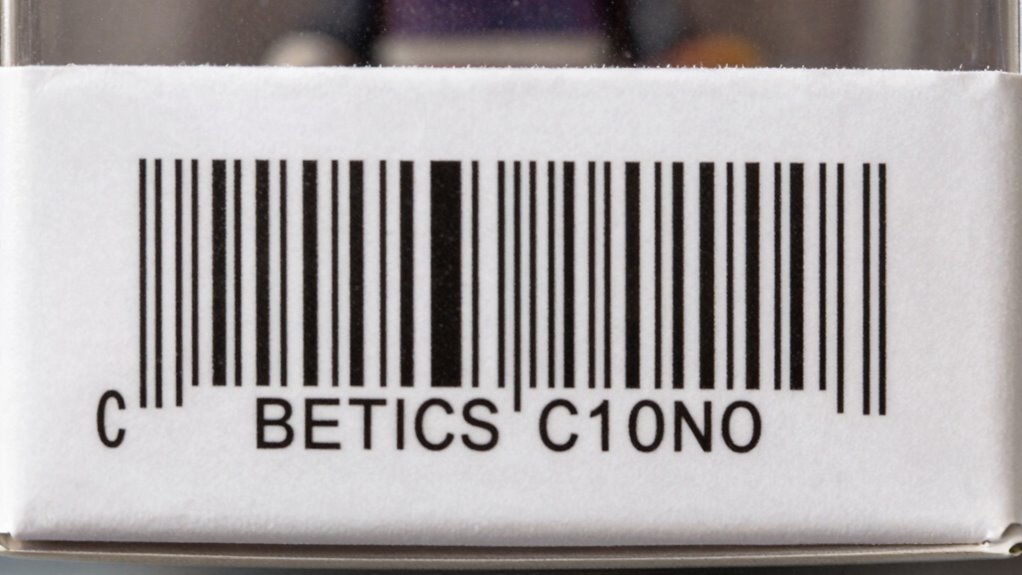
Checking the barcode and product codes is one of the quickest ways to verify a Funko Pop’s authenticity. By performing barcode verification and product code validation, you can spot potential fakes instantly. Off-road diesel can sometimes be confused with counterfeit products, so verifying codes helps ensure you’re getting genuine figures. Look closely at the barcode—authentic Funko Pops usually have clear, well-printed labels. Compare the product code on the box with official listings online; fake figures often have mismatched or incorrect numbers. Additionally, authentic products often feature consistent printing quality with sharp fonts and precise details. Authenticity can also be confirmed by checking affiliate disclosures and ensuring the seller provides transparent information about the product. Here are some tips to keep in mind:
Verifying barcodes and product codes is a quick way to confirm Funko Pop authenticity.
- Confirm the barcode matches the official Funko database.
- Check that the barcode is clean and free of smudges.
- Ensure the product code on the box aligns with the character and series.
- Verify the font and printing quality of the codes.
- Cross-reference the code with official seller listings for accuracy.
- Be aware of website privacy policies that may affect your online verification process.
- Recognize the importance of product packaging in identifying genuine items, as authentic Funko Pops typically have high-quality, consistent packaging.
These steps help you quickly identify fakes and avoid poor-quality copies.
Look for Authentic Holograms and Seals
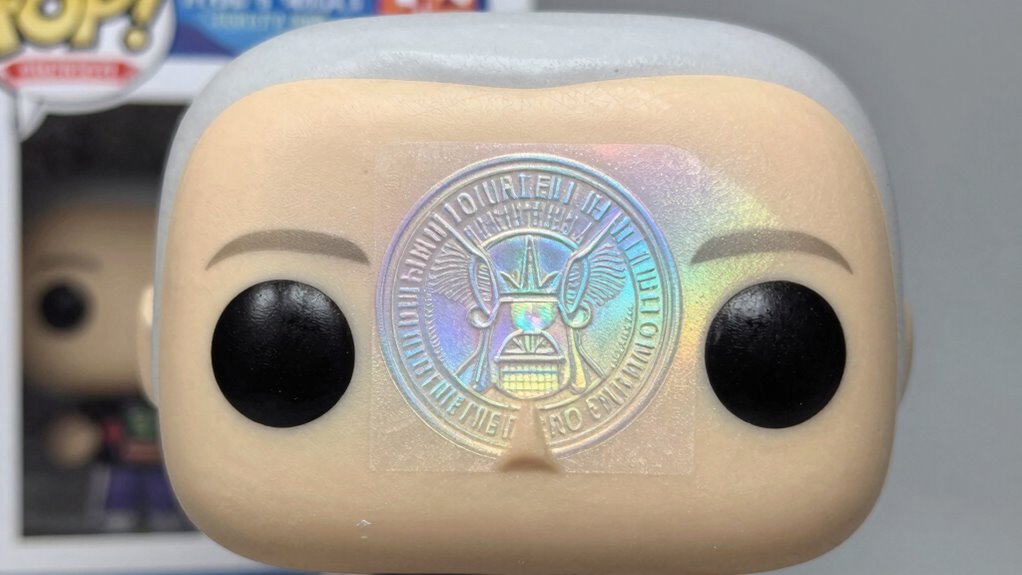
Authentic Funko Pops feature holograms and seals that are difficult for counterfeiters to replicate accurately. When examining a Funko Pop, look closely at the authentic hologram, which should display a clear, detailed image that shifts when tilted.
Seal verification is also essential; genuine products have seals with crisp printing, proper alignment, and consistent coloring. Fake seals often look blurry, faded, or poorly aligned.
Remember, authentic holograms and seals are designed to be tamper-proof, so any irregularities or signs of tampering can indicate a fake. Take the time to inspect these details carefully, as they’re among the most reliable indicators of authenticity.
Spotting a legitimate hologram and seal can save you from purchasing a counterfeit Funko Pop.
Assess Pricing and Seller Reputation

When evaluating a Funko Pop’s legitimacy, paying attention to the price can reveal potential red flags. If a deal seems too good to be true, it probably is, especially considering market demand influences pricing. Low prices may indicate counterfeit detection issues or fake products.
Also, research the seller’s reputation before buying. Reputable sellers often have positive reviews and transparent histories, while shady ones may have complaints or limited feedback. Be cautious with new or unknown sellers offering considerably cheaper Funko Pops.
Always compare prices across platforms to gauge realistic costs. Remember, genuine collectibles retain consistent value, so suspiciously low prices should raise alarm.
Use Online Resources to Confirm Authenticity
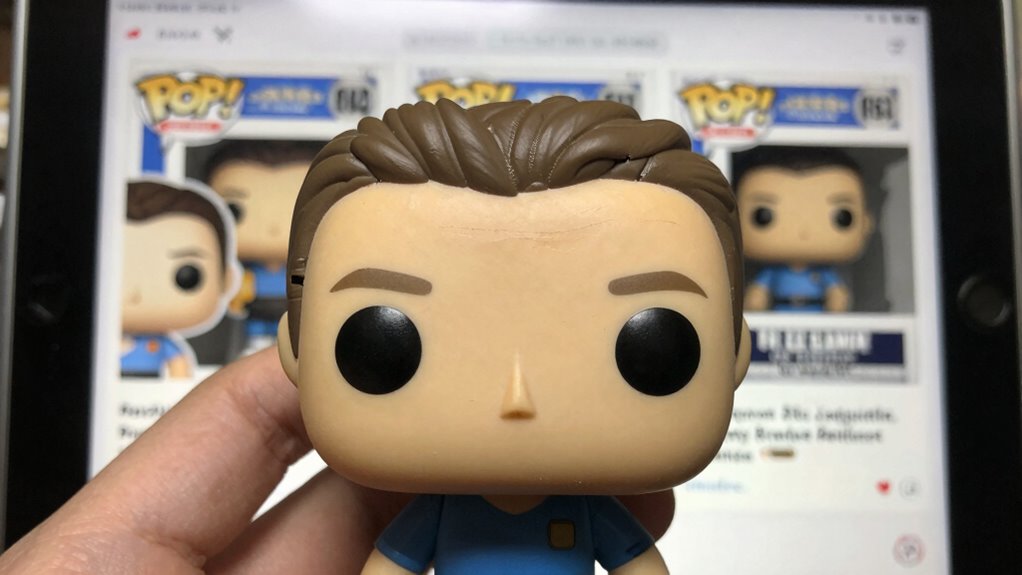
Utilizing online resources is one of the most effective ways to verify if a Funko Pop is genuine. Start by checking market trends on trusted sites and forums, which can reveal current pricing patterns and help you spot anomalies.
Collector communities on social media platforms and dedicated groups often share detailed images and comparisons, making it easier to identify counterfeit features. Use these resources to compare your figure’s details, such as paint quality, box design, and sticker placement.
Many online databases and official Funko websites offer serial number lookups or authenticity guides. By cross-referencing your item with these reputable sources, you considerably reduce the risk of purchasing a fake.
Staying informed through online communities keeps you updated on common fakes and new counterfeiting techniques.
Know When to Trust Your Instincts
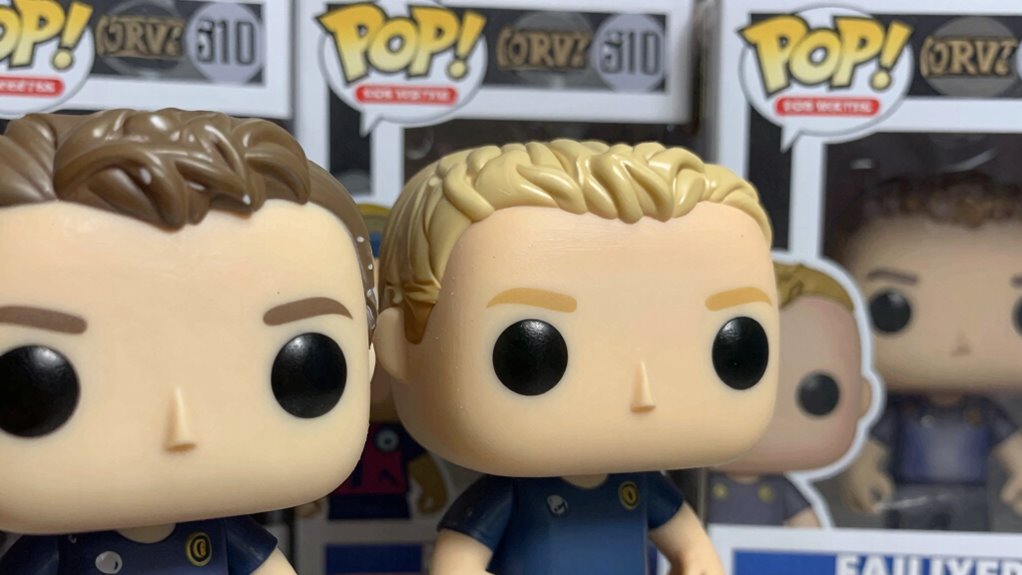
After comparing your Funko Pop against online resources, it’s important to listen to your instincts. Sometimes, your gut feeling can reveal subtle signs of a fake, especially if the brand reputation seems off.
Trust yourself if something feels wrong about the packaging design—poor print quality, misspelled text, or unusual colors. Remember, authentic Funko Pops have consistent branding and high-quality packaging. If it looks cheap or poorly made, your instincts are likely right.
Also, consider how the figure feels—loose joints or off-center details are red flags. Your intuition is a valuable tool, especially when visual cues aren’t enough.
When something doesn’t sit right, it’s better to hold off and do more research than risk buying a counterfeit.
Final Tips to Spot Fake Funko Pops
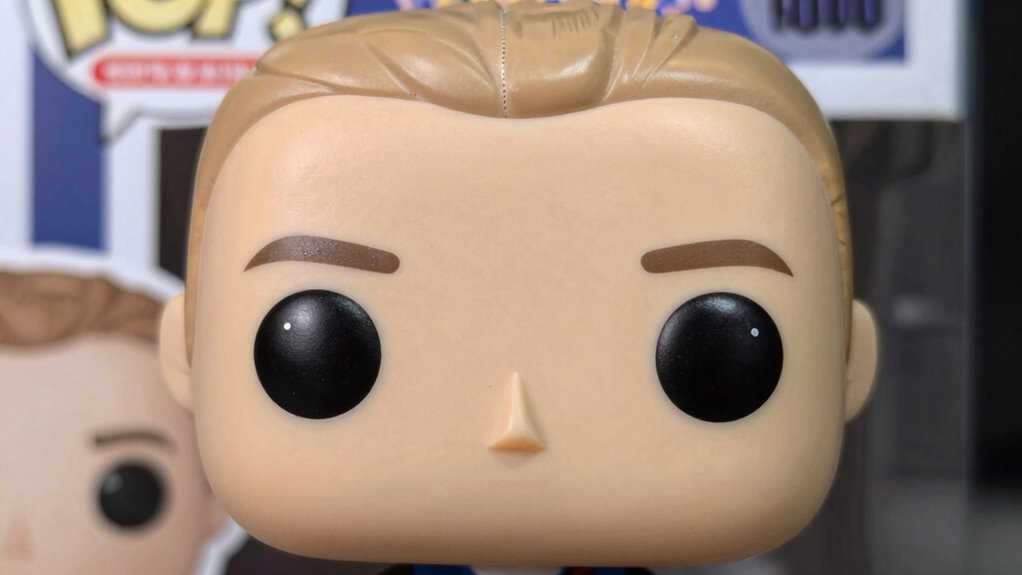
To spot fake Funko Pops, focus on authentic packaging details, like correct logos and clear printing.
Consider the price and where you’re buying it—if it seems too good to be true, it probably is.
Also, feel the weight and material; genuine figures have a solid feel that fakes often lack.
Authentic Packaging Details
Authentic Funko Pop packaging has distinct features that can help you tell real from fake. Pay close attention to the box dimensions; genuine boxes have precise measurements that match official standards.
The display stand inside should be securely attached and of high quality, not flimsy or poorly made. Look for consistent, sharp printing on the packaging, with clear images and text.
Check the plastic window—real Funko Pops have smooth, bubble-free plastic that fits snugly. The coloring on the box should be vibrant and accurate, with no smudges or fading.
Also, examine the box’s overall quality: authentic packaging feels sturdy and well-made, not flimsy or cheap. These details make a big difference in spotting a fake Funko Pop.
Price and Purchase Location
Have you checked where you’re buying your Funko Pop? Purchasing from reputable stores or official retailers is key for counterfeit detection. Be cautious if the price seems too good to be true, especially for limited editions, which usually carry a premium. Authentic Funko Pops are rarely heavily discounted outside official channels.
Avoid unofficial marketplaces or third-party sellers with vague reviews. If a seller offers rare or limited edition figures at noticeably lower prices, it’s a red flag. Always verify the seller’s credibility and ensure the purchase location is trustworthy.
Genuine Funko Pops come from authorized outlets, so sticking to these reduces the risk of counterfeit detection issues. Remember, authentic collectibles hold their value, and suspiciously cheap prices often signal fakes.
Weight and Material Feel
Fake Funko Pops often feel lighter or more brittle than authentic ones because of cheaper materials and manufacturing shortcuts. When evaluating the weight feel, pay attention to how solid or flimsy the figure seems.
Authentic Funko Pops usually have a satisfying heft, indicating better material quality, while fakes often feel hollow or overly light.
To spot a fake, consider these clues:
- The figure feels surprisingly light or fragile
- The material feels thin or flimsy to the touch
- Surface feels rough or cheap instead of smooth
- Colors may appear faded or uneven
- The figure lacks the weight consistency of genuine products
Trust your sense of touch—authentic Funko Pops should have a certain weight and solid feel that fakes often lack.
Frequently Asked Questions
What Are the Most Common Counterfeit Packaging Mistakes?
You’ll notice counterfeit packaging mistakes like inconsistent labeling, such as font errors or misspelled text, and packaging errors like misaligned graphics or incorrect box sizes.
Fake Funko Pops often have sloppy printing, blurry images, or shiny, cheap-looking materials. Pay attention to these details, as label inconsistencies and packaging errors are common signs of counterfeit products, helping you avoid fake Funko Pops and make smarter purchases.
How Can I Identify Fake Funko Pop Stickers?
You might notice that fake Funko Pop stickers lack the charm of authenticity, often showing uneven sticker quality and printing inconsistencies.
Genuine stickers have crisp, clear details and vibrant colors, while fakes may appear blurry or faded.
Pay close attention to the alignment and font, as counterfeit stickers sometimes have misprints or irregularities.
Trust your instincts and compare with official stickers to verify you’re getting the real deal.
Are There Specific Signs of Counterfeit Holograms?
Yes, counterfeit holograms often lack proper hologram security features and authenticity markers. You’ll notice that fake holograms might be blurry, poorly aligned, or display incorrect colors.
Authentic holograms have sharp, clear images with consistent color shifts. Check for the official logo embedded within the hologram, and compare it to verified images.
Spotting these signs helps you distinguish genuine Funko Pops from fakes effectively.
What Online Resources Are Best for Verifying Authenticity?
When it comes to authenticity verification, online collector forums are your best bet—they’re like a treasure trove of insider info. Trusted websites like Funko’s official store and eBay’s authenticity guarantees also help verify genuine collectibles.
Always cross-reference images and details with reputable sources. These resources save you from falling for fakes and keep your collection legit.
Don’t be afraid to ask seasoned collectors; they’ve been around the block!
How Do I Differentiate Between Genuine and Fake Funko Pop Pricing?
You can differentiate genuine from fake Funko Pops by examining pricing discrepancies and market value fluctuations. Genuine figures usually sell within a consistent price range.
Fake Funko Pops often have markedly lower or inconsistent prices. Keep an eye on recent sales and compare prices across reputable sites.
If a deal seems too good to be true, it probably is. Staying aware of current market trends helps you spot authentic collectibles more confidently.
Conclusion
While spotting fake Funko Pops can seem tricky at first, paying attention to packaging, paint, and details makes it easier. Don’t let the fear of missing out push you into buying a counterfeit—trust your instincts and do a quick online check. Remember, it’s better to wait and find an authentic piece than regret a cheap imitation. Protect your collection and enjoy the thrill of hunting genuine Funko Pops!