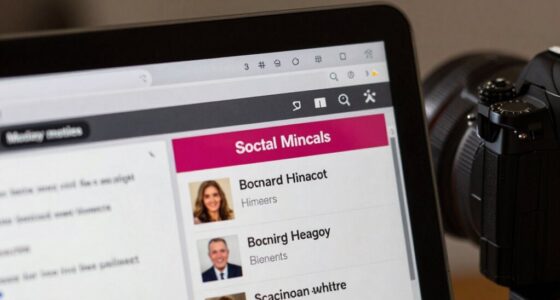

A rumor is unverified information that spreads quickly, often based on hearsay or speculation, and can spread fears or excitement without proof. A leak involves the deliberate release of sensitive or confidential information by insiders, usually to expose wrongdoing or inform, but it still needs verification. A verified report is confirmed by credible sources, thoroughly checked, and backed by evidence, helping guarantee trustworthiness. If you keep exploring, you’ll discover how to distinguish these distinctions more clearly.
Key Takeaways
- Rumors are unverified, hearsay-driven stories that spread quickly without credible evidence.
- Leaks involve intentional disclosure of confidential or sensitive information, often from insiders.
- Verified reports are confirmed by credible sources and thoroughly fact-checked before publication.
- Media ethics emphasize accuracy and fairness, crucial for maintaining trustworthiness in reporting.
- Recognizing these differences prevents misinformation and promotes reliance on credible, evidence-based information.

Have you ever wondered how to tell the difference between a rumor, a leak, and a verified report? It’s a common question, especially in today’s fast-paced information landscape where news spreads rapidly across social media and news outlets. Understanding these distinctions is essential because it impacts how you interpret what you see or hear. When evaluating information, you need to consider media ethics and the credibility of the sources involved. Media ethics guide journalists and media organizations to prioritize accuracy, fairness, and accountability, but not all sources follow these principles. A rumor is typically unverified information that circulates without credible evidence. It often relies on hearsay or speculation and can spread quickly, especially if it taps into fears or excitement. You might see a rumor about a celebrity scandal or a political conspiracy, but until credible sources confirm it, it remains unsubstantiated. The problem with rumors is that they can distort reality, mislead the public, and even cause harm, which highlights the importance of critical thinking and skepticism.
A leak, on the other hand, usually involves the release of confidential or sensitive information from an insider or someone with access to such data. Leaks often occur intentionally, aiming to expose wrongdoing, inform the public, or influence opinions. While leaks can be a valuable tool for uncovering truths that authorities or organizations prefer to hide, they also raise ethical questions about privacy, national security, and the responsible handling of information. A leak is generally considered more credible than a rumor because it often comes from a source with direct access to the information. However, it’s essential to verify the authenticity and context of the leak before accepting it as fact. Leaked information can be manipulated or taken out of context, so evaluating its credibility requires careful scrutiny, especially considering media ethics. Responsible journalism involves verifying leaks through multiple sources and avoiding sensationalism, thereby maintaining trustworthiness. Additionally, understanding the role of media ethics in handling leaks is crucial for maintaining trust and integrity.
Finally, a verified report is information that has been confirmed by credible sources, thoroughly fact-checked, and published following strict media ethics. It’s the kind of news you can rely on because it’s backed by evidence, transparency, and accountability. Verified reports are essential to informed decision-making, especially on critical issues like health, safety, and politics. They help uphold the integrity of the information ecosystem and maintain public trust. Recognizing the difference between these types of information empowers you to navigate the flood of news more wisely, avoiding misinformation and understanding the importance of credible, verified reporting in maintaining an informed society.
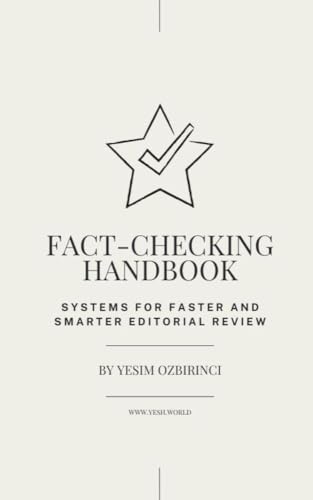
Fact-Checking Handbook, Systems for Faster and Smarter Editorial Review,
As an affiliate, we earn on qualifying purchases.
As an affiliate, we earn on qualifying purchases.
Frequently Asked Questions
How Can I Identify a Reliable News Source?
To identify a reliable news source, prioritize media literacy by carefully evaluating the source’s reputation and transparency. Look for clear authorship, fact-based reporting, and citations that support claims. Check for consistent accuracy over time and consider whether the source demonstrates source credibility—avoiding sensationalism and bias. Trustworthy outlets typically have rigorous editing processes. By applying these principles, you can better distinguish credible news from rumors or leaks.
What Are Common Motives Behind Spreading Rumors?
You might think spreading rumors is just gossip psychology at play, but social influence often fuels it. People spread rumors to gain attention, power, or approval, hoping to sway opinions or manipulate perceptions. Sometimes, it’s about fitting in or stirring the pot—like a game of telephone gone wild. Recognizing these motives helps you see through false info, understanding that many rumors are more about social influence than facts.
How Do Leaks Typically Originate?
Leaks usually originate from anonymous sources or insiders who possess confidential information. You might hear about insider tips or see someone intentionally sharing secret details, often to create buzz or influence opinions. These sources can be motivated by various reasons like personal gain, revenge, or a desire to expose wrongdoing. As a result, leaks often serve as a way to get information out before it’s officially released or verified.
What Criteria Verify a Report as Accurate?
Did you know that only about 35% of reports are verified as accurate? To confirm a report’s credibility, you need to perform thorough source validation—checking if the source is trustworthy and has a track record of accuracy. Credibility assessment involves cross-referencing information with multiple reliable sources. If details are consistent and come from validated sources, you can confidently consider the report verified.
Can Rumors Ever Be Confirmed Later?
Yes, rumors can be confirmed later, especially as new information emerges or investigations reveal the truth. Sometimes, false information spreads quickly on social media influence, making it hard to distinguish rumors from facts. Over time, credible sources and verified reports can validate or disprove rumors, but always stay cautious. Confirmations may come through official statements or evidence, so don’t rely solely on initial social media chatter.

Video Verification in the Fake News Era
As an affiliate, we earn on qualifying purchases.
As an affiliate, we earn on qualifying purchases.
Conclusion
Think of rumors as fleeting shadows, elusive and shifting in the twilight of uncertainty. Leaks are like cracks in a dam—revealing just enough to spark curiosity, but not the full story. Verified reports are like steady beams of sunlight, illuminating the truth with clarity. By learning to distinguish these, you’re steering through a landscape of information with a lantern in hand, casting aside the shadows and stepping confidently into the light of verified truth.

Media Ethics: A Guide For Professional Conduct
As an affiliate, we earn on qualifying purchases.
As an affiliate, we earn on qualifying purchases.

Doing Honest Work in College, Third Edition: How to Prepare Citations, Avoid Plagiarism, and Achieve Real Academic Success (Chicago Guides to Academic Life)
As an affiliate, we earn on qualifying purchases.
As an affiliate, we earn on qualifying purchases.