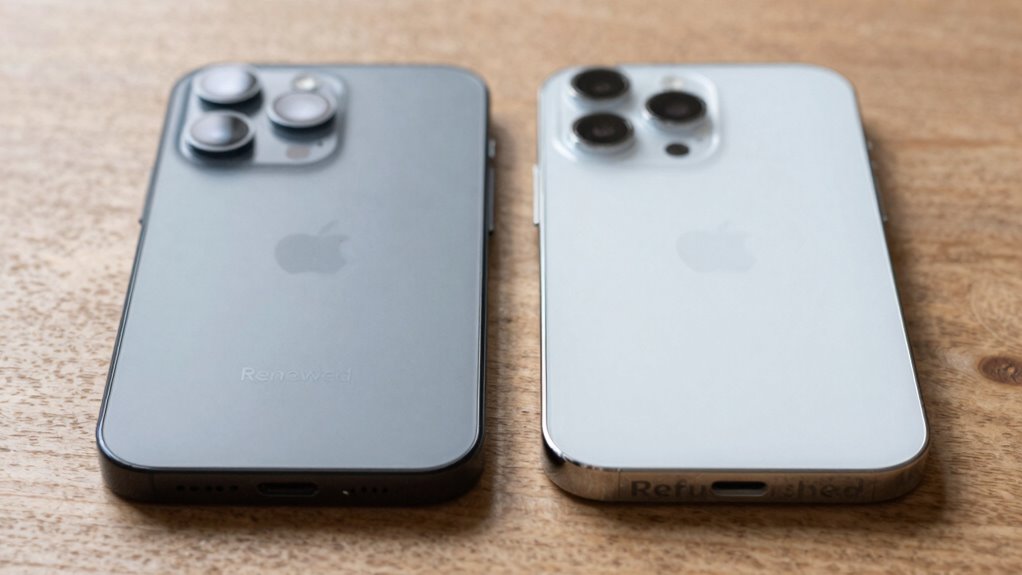

“Renewed” means a product has been inspected, tested, and restored to meet quality and functionality standards, often close to new with minimal cosmetic signs. “Refurbished” involves repairs or part replacements to make the item functional again, but it might show signs of prior use or cosmetic flaws. Knowing these differences helps you choose wisely based on quality, warranty, and your budget. Continue exploring to understand how these terms can impact your purchase choices.
Key Takeaways
- “Renewed” indicates items inspected, tested, and restored to meet high quality standards, often closer to new condition.
- “Refurbished” involves repairing or replacing faulty parts, which may result in minor cosmetic imperfections.
- Renewed products typically have longer warranties and better quality assurance than refurbished items.
- Both undergo inspection, but renewal emphasizes a higher standard of restoration and reliability.
- Understanding these differences helps consumers make informed choices and ensures value aligns with expectations.
Have you ever wondered what “renewed” and “refurbished” really mean when shopping for electronics or appliances? These terms are often used interchangeably, but they carry distinct implications, especially when contemplating quality standards and warranty coverage. Understanding these differences helps you make smarter purchasing decisions and avoid surprises down the line.
When a product is labeled as “renewed,” it typically means it has been inspected, tested, and restored to a condition that meets the manufacturer’s or seller’s quality standards. These items usually undergo a thorough process to guarantee they function properly and look good as new. However, the level of refurbishment can vary depending on the seller. Some renewed products might be close to brand new, with minimal signs of use, while others could have minor cosmetic imperfections. The key point is that they are tested to meet certain quality standards before being resold, giving you some assurance of reliability.
Renewed products are inspected, tested, and restored to meet quality standards before resale, ensuring reliability and functionality.
“Refurbished” products, on the other hand, often involve a repair or replacement of faulty parts. These are typically returned items that may have had issues, but are repaired and restored to a functional state. Refurbished items are usually inspected rigorously, but their condition might not match that of new products. They may show signs of previous use or minor cosmetic flaws, but they should work properly. The process aims to bring the product up to a standard that’s acceptable for resale, but the level of perfection can vary.
Additionally, the distinction between these terms often influences the warranty coverage, providing consumers with different levels of protection after purchase. Many renewed items come with a limited warranty, often shorter than the original, but enough to cover potential defects or failures. Refurbished products also typically include some form of warranty, which might be provided by the manufacturer or the seller, and can range from 90 days to a year. It’s essential to check what’s covered, as some warranties might only cover defects and exclude cosmetic issues or accidental damage.
Knowing these distinctions helps you weigh the trade-offs. Renewed products generally offer higher confidence in quality standards and longer warranty options, making them a safer choice for those wanting near-new performance at a lower cost. Refurbished items can be a good budget-friendly alternative, but you should pay close attention to warranty terms and the seller’s reputation. By understanding what “renewed” and “refurbished” actually mean, you guarantee you’re making informed decisions and protecting your investment.

Apple iPhone 14, 128GB, Midnight – Unlocked (Renewed)
This phone is unlocked and compatible with any carrier of choice on GSM and CDMA networks (e.g. AT&T,…
As an affiliate, we earn on qualifying purchases.
As an affiliate, we earn on qualifying purchases.
Frequently Asked Questions
Are “Renewed” and “Refurbished” Products Covered by Warranties?
Yes, “renewed” and “refurbished” products are typically covered by warranty coverage, but it varies by seller. Always check for certification verification to affirm quality and warranty validity. Some retailers offer their own warranties, while others may rely on manufacturer coverage. It’s essential to review the warranty details before purchasing, so you know what’s protected and for how long, giving you peace of mind with your renewed or refurbished item.
How Can I Tell if a Refurbished Item Is Genuine?
You can spot a genuine refurbished item by checking its authentication methods—detailed serial numbers, official certificates, or verified seller tags. Rely on the seller’s reputation; reputable sources openly showcase their refurbishing process and customer feedback. If the product’s too good to be true or lacks official markings, consider it a red flag. A little skepticism and due diligence go a long way to make sure you’re not duped into buying a counterfeit treasure.
What Is the Typical Price Difference Between New and Refurbished?
You’ll usually find that refurbished items cost 15-40% less than new ones, making them great for budget shopping. The pricing comparison shows significant savings, especially for electronics and appliances. Keep in mind, the exact discount varies depending on the product and seller. By choosing refurbished, you get quality at a lower price, helping you stretch your budget while still enjoying reliable, tested items.
Do Refurbished Products Work as Well as New Ones?
Refurbished products can work as well as new ones, especially when they come from reputable brands. For example, a refurbished iPhone with a certified repair and warranty often matches new device reliability. Your brand trust plays a key role—buy from trusted sources to guarantee quality. While some minor cosmetic differences may exist, a well-refurbished device can deliver performance comparable to a brand-new product.
Can I Return a Refurbished Item if Unsatisfied?
Yes, you can return a refurbished item if you’re unsatisfied, but check the seller’s return policy first. Many stores offer a satisfaction guarantee, allowing returns within a certain timeframe. Be sure to review any conditions or fees involved. Knowing the return policy helps you shop confidently, ensuring you can get a full refund or exchange if the product doesn’t meet your expectations.
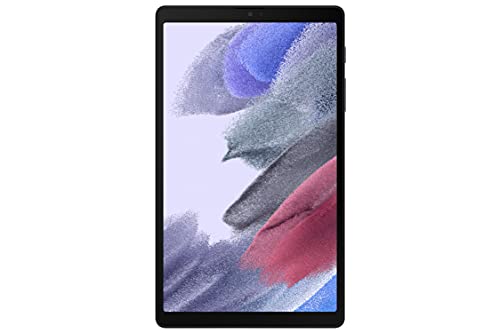
Samsung Tab A7 Lite 8.7" Gray 32GB (SM-T220NZAAXAR) (Renewed)
THE ENTERTAINMENT GOES WHERE YOU GO: With its compact 8.7” screen, slim design and sturdy metal frame, Galaxy…
As an affiliate, we earn on qualifying purchases.
As an affiliate, we earn on qualifying purchases.
Conclusion
Understanding the difference between renewed and refurbished can save you from a shopping nightmare. Think of it like this: knowing these terms is your secret weapon to dodge a lemon and score a deal that feels like striking gold. Don’t get caught in the trap of vague descriptions—arm yourself with knowledge, and you’ll navigate the tech jungle with the confidence of a lion. After all, being informed is the best armor in the wild world of tech shopping!

Dell Latitude 5420 14-Inch 1920 x 1080 FHD Touch Screen Laptop, Core i7-1185G7, 16GB DDR4 RAM, 512GB M.2 NVMe SSD, Thunderbolt 4, HDMI, Windows 11 Pro, Webcam, Business Laptop (Renewed)
Dell 5420 Latitude Laptop 14" FHD Touch Screen (1920 x 1080) Notebook, 11th Gen Intel Core i7-1185G7, 16GB…
As an affiliate, we earn on qualifying purchases.
As an affiliate, we earn on qualifying purchases.

B07Q465CFL
As an affiliate, we earn on qualifying purchases.
As an affiliate, we earn on qualifying purchases.