
Polls aim to measure public opinion, but their results can be misunderstood because of biases like sample selection, question wording, and timing. These factors can distort what the data truly shows. Even well-designed polls have limitations and can’t perfectly capture complex opinions. If you want to understand how to interpret polls accurately and avoid common pitfalls, there’s more to uncover that can help you make sense of the numbers.
Key Takeaways
- Polls provide a snapshot of public opinion influenced by sampling, question wording, and methodology, not a perfect measure.
- Sampling bias and unrepresentative groups can distort results, making polls less reflective of the entire population.
- Small differences in poll outcomes often lack statistical significance, leading to misinterpretation of trends.
- Transparency about sampling methods and margin of error is crucial to assess a poll’s reliability.
- Overreading polls ignores their limitations, such as biases and fluctuating opinions, resulting in misinterpretation.
What Do Polls Really Measure? Understanding Public Opinion Data
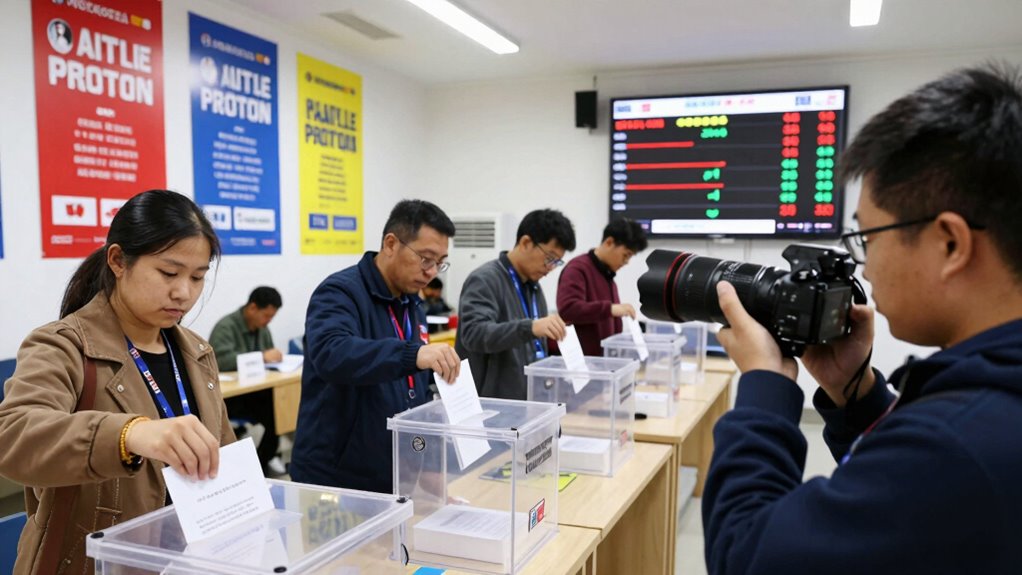
Understanding what polls truly measure is essential if you want to interpret public opinion data accurately. When you look at poll results, consider sampling errors, which occur if the surveyed group doesn’t represent the entire population accurately. Even a well-designed poll can have this issue, leading to slightly skewed results. Question wording also plays a critical role; how a question is phrased influences respondents’ answers. Leading or ambiguous questions can distort the data, making it seem like public opinion is different from what it actually is. Recognizing these factors helps you see that polls don’t measure opinions perfectly but instead offer a snapshot influenced by methodology. Regularly reviewing the types of piercings and their healing times can also help you better understand the reliability of information. Keeping these elements in mind enables you to better understand what poll results truly reflect about public sentiment.
Common Biases and Errors That Skew Poll Results
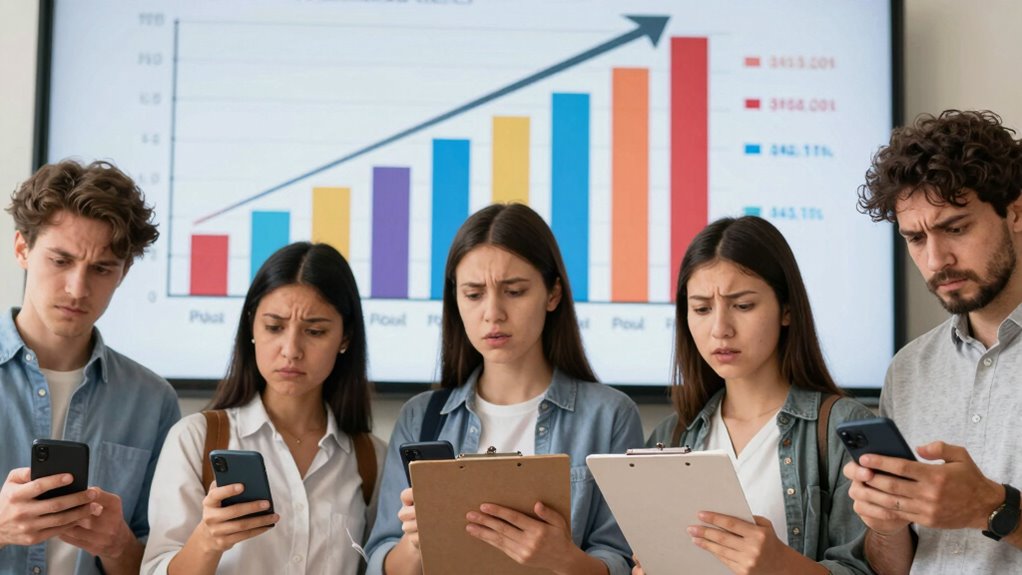
Poll results can be easily skewed by various biases and errors that often creep into the polling process. One common issue is sampling bias, where the group surveyed doesn’t accurately represent the broader population. This can happen if certain demographics are overrepresented or underrepresented. Another problem is question wording; how a question is phrased can influence responses, leading respondents to answer in a particular way. Leading or ambiguous questions can distort the data, making the results unreliable. Additionally, timing and context can introduce errors, as opinions may fluctuate over time or due to recent events. Recognizing these biases helps you understand why poll results might not fully reflect public opinion and highlights the importance of critically evaluating polling data. Furthermore, understanding the accuracy of polling methods can provide deeper insight into potential discrepancies. Being aware of sampling techniques and how they are implemented can also help interpret polling outcomes more accurately. Considering the methodology used can further clarify how representative or valid the results are. Moreover, the data collection process itself can influence the reliability of the results, especially if not carefully managed. Incorporating robust quality control measures can help mitigate some of these issues and improve overall data validity.
How to Tell if a Poll Is Reliable and Trustworthy
How can you determine if a poll is reliable and trustworthy? First, look at the sample methodology. A good poll clearly explains how participants were selected, ensuring the sampling methodology promotes diversity and avoids bias. Sampling accuracy is vital; the poll should represent the target population proportionally. Check if the sample size is large enough to provide statistical significance, reducing margin of error. Also, consider whether the poll used random sampling techniques rather than convenience sampling. Reputable polls often disclose their methodology and margin of error, giving you confidence in their results. If these elements are transparent and well-executed, the poll is more likely to reflect true public opinion and be trustworthy.
Why Do People Misread or Overinterpret Polls?
Even when a poll is well-designed and transparent about its methodology, people often misread or overinterpret its results. This happens because of common pitfalls like:
- Sample biases — assuming the poll represents the entire population when it might not. Sample biases can significantly distort the perceived accuracy of poll results and are often exacerbated by non-representative sampling methods or low response rates. Understanding the sampling methods used in polling can help interpret results more accurately. Additionally, recognizing the influence of personality traits can shed light on how respondents may answer survey questions differently based on their individual characteristics.
- Question phrasing — interpreting results without considering how wording influences responses.
- Overconfidence in small differences — seeing a slight margin as decisive, ignoring statistical significance. Additionally, polling methodology encompasses various techniques that, if misunderstood, can lead to faulty interpretations. Misunderstanding the motor behind polling processes can cause consumers of data to draw conclusions based on incomplete or misleading impressions, leading to overinterpretation of what polls truly reveal.
Limitations of Polls: What They Can and Can’t Tell Us

While polls can provide valuable snapshots of public opinion, they have clear limitations that you need to understand. Sampling errors can skew results if the sample isn’t representative of the broader population, leading to inaccurate conclusions. Even a small sampling error can profoundly affect the poll’s reliability. Additionally, question wording plays an essential role; poorly worded or leading questions can influence how respondents answer, creating bias. Pollsters try to minimize these issues, but they can’t eliminate them entirely. As a result, polls should be viewed as useful tools for gauging trends rather than definitive measures. Recognizing these limitations helps you interpret poll results more critically, avoiding overconfidence in numbers that might not tell the full story. Moreover, understanding the benefits of curiosity can help you approach data with a more open and questioning mindset, encouraging you to explore beyond the surface. Incorporating an awareness of content quality and authority can also aid in evaluating the reliability of different data sources. Being aware of the sampling process can improve your understanding of how representative a poll truly is. For example, knowing about Sampling errors can alert you to potential biases in the results, prompting a more nuanced interpretation. Developing skills in media literacy can further enhance your ability to distinguish trustworthy data from misleading information.
Frequently Asked Questions
How Do Question Wording and Order Affect Poll Outcomes?
Question phrasing and order markedly influence poll outcomes because they shape how you interpret and respond to questions. Poorly worded questions can lead to response bias, where your answers are swayed by the way options are presented or the sequence they appear in. When questions are confusing or leading, your responses may not accurately reflect your true opinions, skewing the poll results.
What Role Does Sampling Method Play in Poll Accuracy?
Imagine your poll’s accuracy hinges on its sampling method like a ship relies on its rudder. You need a representative sample to avoid sampling bias and nonresponse issues that skew results. If your method only reaches certain groups, the data’s warped—like a warped mirror. A well-chosen sampling approach ensures diverse voices are heard, giving you a clearer picture and trustworthy results.
Can Polls Predict Actual Election Results Reliably?
Polls can give you a fairly good idea of election outcomes, but they’re not foolproof. Your trust depends on avoiding sample bias and ensuring response validity. If the sample isn’t representative or responses aren’t honest, predictions can be misleading. So, while polls are helpful, always remember they’re snapshots that might not perfectly predict actual results, especially if biases or validity issues skew the data.
How Do Demographic Factors Influence Poll Responses?
Demographic factors influence your poll responses through demographic biases and response tendencies, shaping how you answer. For example, age, gender, or education level can lead you to respond differently based on societal expectations or personal beliefs. These biases may skew results if the poll doesn’t account for diverse demographics. Recognizing these influences helps you understand why some responses might not fully reflect the broader population’s opinions.
What Are the Ethical Considerations in Conducting Polls?
When conducting polls, you must prioritize ethical considerations by ensuring informed consent, so participants understand how their data will be used. Protecting privacy concerns is essential; you should anonymize responses and secure data. Transparency builds trust, and avoiding bias maintains integrity. By respecting participants’ rights and being honest about the purpose, you foster ethical research practices, ultimately enhancing the credibility and reliability of your poll results.
Conclusion
Remember, polls are just a snapshot in time, not the whole story. They can be misleading if you take them at face value or ignore their limitations. Don’t fall for the trap of assuming they tell you everything or that they’re crystal clear. Keep a skeptical eye and dig deeper—because otherwise, you might be barking up the wrong tree. In the end, understanding polls requires more than just reading the headlines; it’s about seeing the full picture.