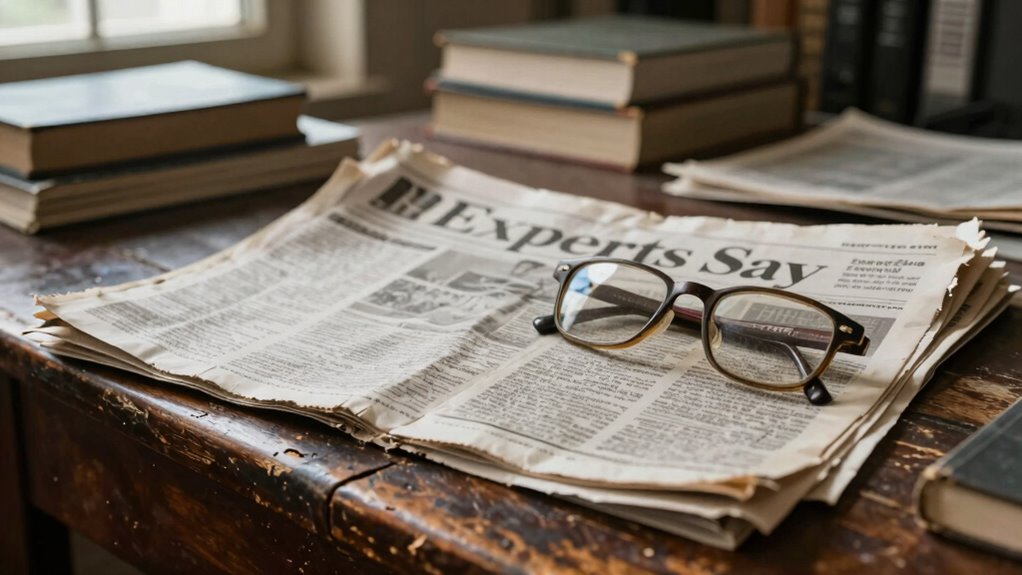
When you see claims like “experts say” without full context, it’s a red flag because you can’t verify the credibility or motives behind the statement. Anonymity and ambiguity make it easy for false or misleading information to spread, and you may not know if the source is qualified or trustworthy. To avoid falling for misinformation, it’s essential to ask who the expert is and what they actually say. Keep going to discover how to spot these warning signs.
Key Takeaways
- Without context, “experts say” may hide biases or motives behind their claims.
- Anonymity of sources makes it difficult to verify the credibility of the expert.
- Lack of clear credentials raises doubts about whether the opinion is research-based or speculative.
- Missing details prevent proper assessment of the information’s accuracy and relevance.
- Relying solely on “experts say” can lead to misinformation if the source’s background is unknown.
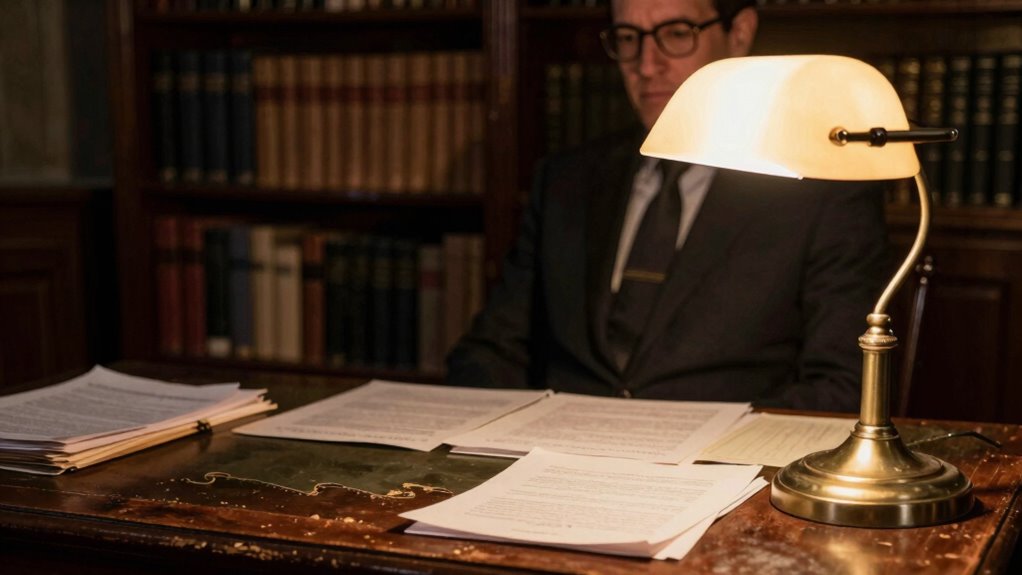
When experts warn that a particular behavior or statement is a red flag, they often emphasize the importance of understanding the full context before jumping to conclusions. This advice holds especially true when you encounter claims like “experts say” without additional details. Relying solely on these phrases can be misleading because it masks key issues such as expert anonymity and authority ambiguity. Without knowing who’s speaking or their credentials, you risk accepting information that may be biased, outdated, or even inaccurate.
Expert anonymity is a common tactic used to lend credibility without revealing the source. When someone cites “experts say,” you might assume these opinions come from well-respected professionals. But if their identities are hidden or they’re anonymous, their authority becomes questionable. Anonymity can be a deliberate way to shield the speaker from accountability or to avoid scrutiny. It creates a fog of uncertainty, making it harder for you to evaluate the validity of their claims. If you don’t know who’s behind the statement, it’s difficult to assess their expertise or motive, which is crucial for making informed judgments.
Expert anonymity obscures credibility, making it harder to assess motives and expertise behind claims.
Authority ambiguity adds another layer of complication. When the source isn’t clear about the credentials or background of the so-called “experts,” you’re left guessing about their legitimacy. Authority ambiguity occurs when the statement lacks context about the expertise level or relevant experience of the cited individuals. For example, a claim like “experts say this supplement is safe” becomes suspect if those experts aren’t identified or if their qualifications are questionable. Without clarity about their authority, you can’t determine whether their opinions are based on research, clinical experience, or mere speculation. Additionally, understanding the source of information can help you evaluate the reliability of such claims.
This lack of transparency can be especially problematic in sensitive areas like health, finance, or personal relationships, where false or incomplete information can lead to poor decisions. When you hear “experts say,” don’t accept it at face value. Instead, look for details about who these experts are, what their credentials entail, and whether their opinions are backed by credible sources. Recognizing the signs of expert anonymity and authority ambiguity helps you avoid falling victim to misleading information and makes you more critical of statements that lack transparency. Additionally, understanding the importance of proper sourcing can significantly improve your ability to evaluate claims accurately. Being aware of source credibility is essential in distinguishing trustworthy information from potentially misleading assertions.
In the end, understanding the full context is your best defense. When you see “experts say,” ask yourself: Who are these experts? Are they qualified? Is their anonymity justified? Only by digging deeper can you truly determine whether the claim is worth your trust or just another red flag dressed up as authority.
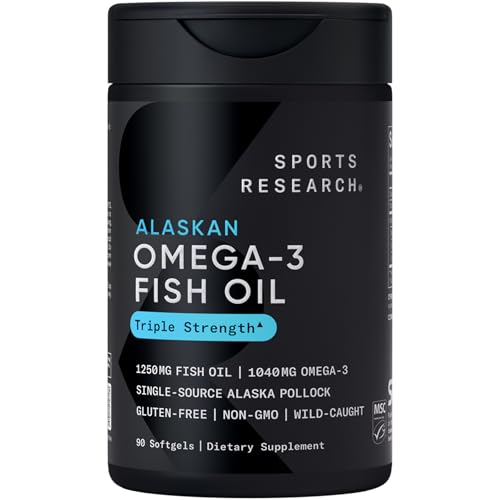
Sports Research® Omega-3 Fish Oil 1250 – Triple Strength Fish Oil Supplement from Wild Alaska Pollock – MSC Certified Sustainable · Non-GMO · Soy Free – 90 Softgel Capsules
ALWAYS FRESH, NEVER FISHY: Say goodbye to fishy aftertaste, burps, and lingering odor. Our Triple Strength Omega-3 Fish…
As an affiliate, we earn on qualifying purchases.
As an affiliate, we earn on qualifying purchases.
Frequently Asked Questions
Who Are These Unspecified “Experts” Referenced?
When you see unspecified “experts,” you’re facing a credibility assessment challenge, as their true authority isn’t clear. They might be relying on authority bias, where you assume expertise without verification. Always question who these experts are, what credentials they have, and whether their opinions are backed by evidence. Without context, their claims could be misleading or biased, so researching their background helps you avoid falling for unsubstantiated authority.
What Specific Topics Are Affected by This Issue?
You’re affected by this issue across topics like health, history, and social sciences, where historical biases and cultural influences shape expert opinions. When experts aren’t transparent about their backgrounds, you might get skewed information influenced by outdated beliefs or cultural prejudices. This lack of context can lead you to misunderstand complex issues, making it harder to evaluate claims critically, especially in areas deeply rooted in societal biases.
How Can Readers Verify Expert Credibility?
You can verify expert credibility by practicing source validation and understanding credential importance. Don’t just accept “expert” claims at face value—check their backgrounds, affiliations, and publications. Ironically, the more credentials they display, the more you should scrutinize their expertise. By researching their professional history and cross-referencing with reputable sources, you confirm you’re trusting qualified voices, not just popular opinions or superficial titles.
What Are Common Examples of Misleading “Experts”?
You should watch out for misleading “experts” who claim credibility but lack proper credentials or have conflicts of interest. They often push biased opinions, making it harder to trust their advice. To spot these, perform a credibility assessment by checking their qualifications and sources. Also, practice bias detection by questioning whether their views favor personal or financial gains, ensuring you don’t fall for false authority.
Does This Apply to All Expert Opinions Universally?
You might think all expert opinions are reliable, but studies show that about 70% of scientific findings face replication issues, highlighting expert bias. This means not every opinion reflects a true general consensus. While some experts provide valuable insights, it’s essential to question claims, especially when there’s no clear context. Always look beyond the phrase “experts say” to understand potential biases and the strength of the evidence.

The New Real Book
Used Book in Good Condition
As an affiliate, we earn on qualifying purchases.
As an affiliate, we earn on qualifying purchases.
Conclusion
So, next time you see “experts say,” ask yourself—are you really getting the full story? Without context, those words can be just empty claims or biased opinions. Don’t let vague authority sway your judgment. Instead, dig deeper and seek out the facts behind the statements. After all, isn’t understanding the full picture way more important than just hearing what “experts say”? Stay curious and critical—your knowledge depends on it.
credentialed nutritionist consultation
As an affiliate, we earn on qualifying purchases.
As an affiliate, we earn on qualifying purchases.
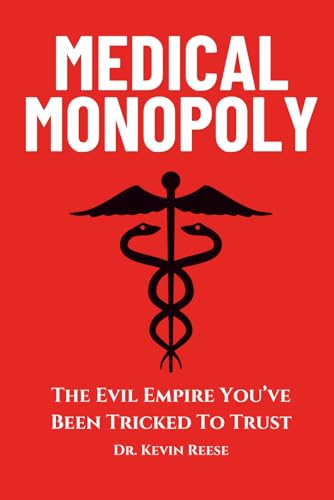
Medical Monopoly: The Evil Empire That You’ve Been Tricked to Trust (Head-To-Toe Healing Essential Books)
As an affiliate, we earn on qualifying purchases.
As an affiliate, we earn on qualifying purchases.