

When you engage with news that confirms your beliefs, you tend to notice stories that support your views while dismissing opposing viewpoints. You might seek out sources that align with your opinions and ignore or criticize those that don’t. This confirmation bias shapes your perception, making you see only parts of the bigger picture. By recognizing these patterns, you’ll better understand how your habits influence your outlook—and there’s more to uncover if you keep exploring.
Key Takeaways
- Readers favor news sources that support their existing beliefs, reinforcing their worldview.
- They interpret ambiguous stories in ways that confirm their biases.
- Challenging or opposing viewpoints are often dismissed or scrutinized more critically.
- Sensational stories are preferred to emotionally charged content aligning with personal feelings.
- Exposure to diverse perspectives is limited, deepening existing biases and reducing understanding of complex issues.
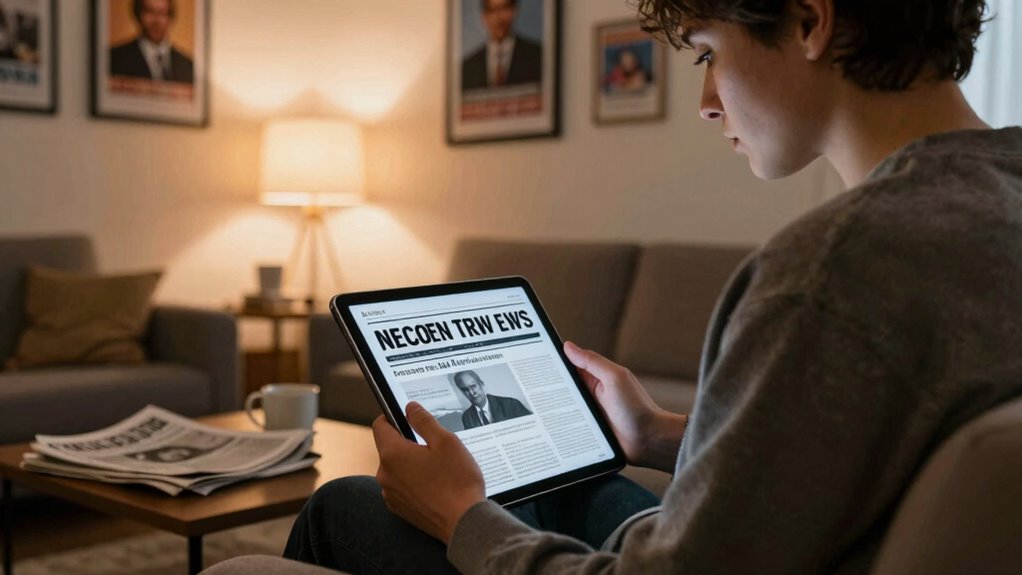
Have you ever noticed how news stories often seem to reinforce your existing beliefs? It’s a common experience, and it reveals a lot about how confirmation bias works in everyday news reading. When you consume news regularly, you tend to seek out stories that align with your views, whether consciously or unconsciously. This habit can lead you to favor sources that mirror your opinions, creating a skewed perception of reality. Media sensationalism plays a big role here. News outlets often emphasize dramatic, emotionally charged stories to attract viewers or readers. By doing so, they appeal to your feelings and biases, making it even more likely that you’ll pay attention to content that confirms what you already believe. As a result, you become less receptive to alternative perspectives, and your worldview becomes increasingly narrow. Recognizing how media analysis influences your news choices can help you become more aware of these biases.
News stories often reinforce your beliefs, narrowing your perspective through sensationalism and biased sources.
Political polarization intensifies this effect. When news sources cater to specific political audiences, they tend to highlight stories that support their side’s narrative while dismissing or downplaying opposing viewpoints. If you identify strongly with a particular political stance, you might find yourself only consuming news that validates that stance. This selective exposure deepens your existing biases, making it harder to see the complexities or nuances in political issues. Over time, this reinforces a cycle where your beliefs are continually confirmed, and opposing ideas are dismissed as false or biased. It becomes a self-perpetuating process that hardens your opinions and contributes to societal divisions.
In everyday news reading, confirmation bias manifests as a tendency to interpret ambiguous stories in a way that favors your preconceptions. When you encounter a news report that supports your beliefs, you accept it without much scrutiny, often sharing it enthusiastically. Conversely, when you come across information challenging your views, you might dismiss it outright or scrutinize it more critically, seeking out flaws or inconsistencies. This selective validation keeps your beliefs intact and makes it difficult to develop a balanced understanding of complex issues.
Ultimately, your news consumption habits shape your perception of reality. Media sensationalism and political polarization serve as catalysts that deepen confirmation bias, limiting your openness to new ideas. Recognizing these patterns is the first step in breaking free from them. By intentionally diversifying your sources and questioning your assumptions, you can start to see beyond the echo chamber, fostering a more nuanced and informed perspective.
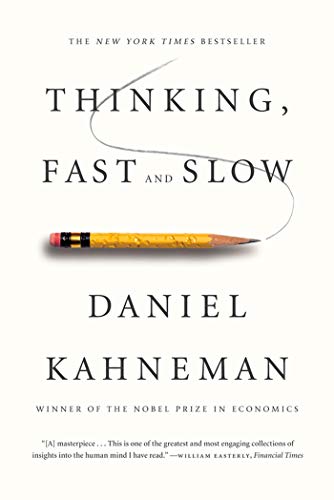
Thinking, Fast and Slow
A good option for a Book Lover
As an affiliate, we earn on qualifying purchases.
As an affiliate, we earn on qualifying purchases.
Frequently Asked Questions
How Can I Recognize My Own Confirmation Bias While Reading News?
To recognize your confirmation bias while reading news, pay attention to cognitive distortions like only accepting information that supports your preconceptions. Notice if you’re seeking out an information echo chamber, where opposing views are ignored or dismissed. Be aware of how your emotions influence your judgments and challenge yourself to explore diverse perspectives. This awareness helps you identify when confirmation bias is shaping your opinions, so you can think more critically.
Does Confirmation Bias Affect All Types of News Sources Equally?
Did you know that studies show people tend to trust sources aligned with their beliefs 80% more? Confirmation bias doesn’t affect all news sources equally; media polarization and cognitive filtering play roles. You might notice you’re more likely to accept information from sources that reinforce your views, while dismissing others. This bias is stronger in highly polarized outlets, making it essential to seek diverse perspectives to avoid skewed perceptions.
Can Confirmation Bias Influence the Credibility of News I Trust?
Yes, confirmation bias can influence the credibility of news you trust. When you favor information that aligns with your beliefs, you may overlook inaccuracies or biased reporting, weakening your media literacy. Recognizing cognitive distortions helps you stay critical and evaluate sources more objectively. By questioning your assumptions and seeking diverse perspectives, you improve your ability to discern trustworthy news, reducing the impact of confirmation bias on your understanding.
What Psychological Factors Contribute to Confirmation Bias in News Consumption?
Confirmation bias is like a magnet pulling you toward familiar ideas. Cognitive shortcuts, such as quick judgments, make it easier to accept news that confirms your beliefs. Emotional influences, like strong feelings about an issue, also sway your perception, making you cling to certain stories. These psychological factors work together, shaping how you interpret information and often reinforcing your existing viewpoints without even realizing it.
How Can News Outlets Reduce the Impact of Confirmation Bias on Their Reporting?
You can help news outlets reduce confirmation bias by promoting media diversity and encouraging balanced reporting. When outlets include diverse perspectives, they challenge readers’ preconceptions. Supporting rigorous fact checking practices guarantees accuracy, discouraging biased narratives. By valuing varied viewpoints and verifying facts thoroughly, news organizations can foster more objective coverage, helping audiences see the full picture instead of just confirming their existing beliefs.

The Critical Media Literacy Guide: Engaging Media and Transforming Education (Brill Guides to Scholarship in Education, 2)
As an affiliate, we earn on qualifying purchases.
As an affiliate, we earn on qualifying purchases.
Conclusion
Imagine your mind as a lighthouse keeper, only lighting up the truths that match your map. Confirmation bias is like keeping that light fixed on familiar shores, ignoring the stormy seas of differing viewpoints. To truly navigate the vast ocean of news, you must turn your light around, shining on every horizon. Only then can you avoid the iceberg of misinformation and sail toward a clearer, more balanced understanding. Keep your lighthouse flexible, and your journey will be safer and smarter.

eat. sleep. news analysis. – Lined Notebook: Writing Journal
As an affiliate, we earn on qualifying purchases.
As an affiliate, we earn on qualifying purchases.
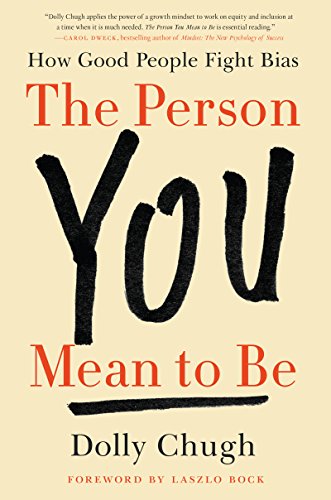
The Person You Mean to Be: How Good People Fight Bias
As an affiliate, we earn on qualifying purchases.
As an affiliate, we earn on qualifying purchases.