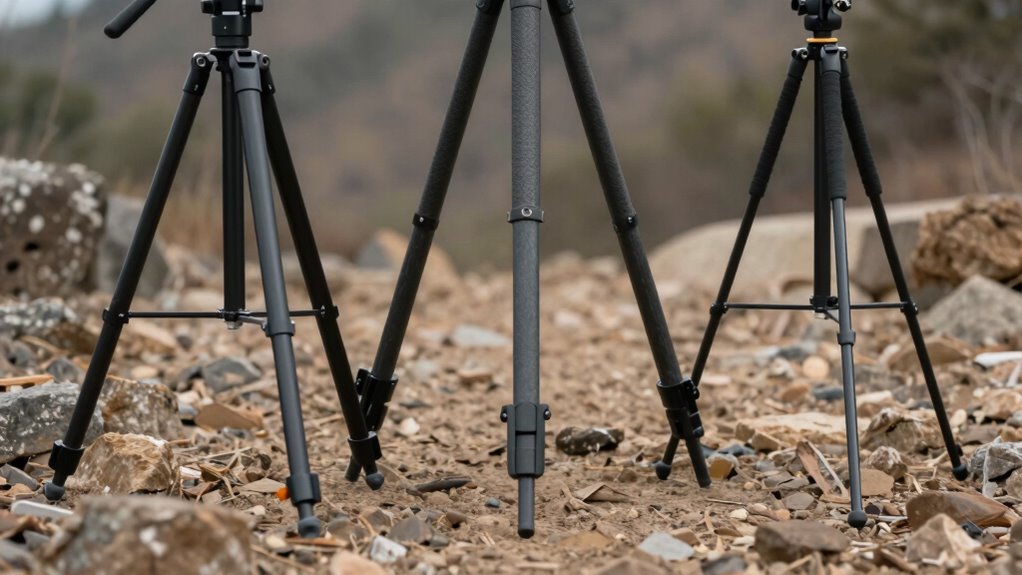

You’ll find that tripods differ more in stability than appearance because their design, materials, and engineering play a bigger role in supporting your camera. Heavier, well-built tripods with secure leg locks and quality materials like aluminum or carbon fiber provide steadiness, reducing vibrations and camera shake. While looks might catch your eye, stability guarantees sharp, clear images. Keep exploring to discover how the right features can make a real difference in your photography results.

Prime made for students and young adults
- Fast, free delivery for dorm and study essentials
- Prime Video and Amazon Music included
- Member-only deals
Key Takeaways
- Stability depends more on materials, design, and engineering features than on aesthetic appearance.
- Proper setup and support capacity significantly influence tripod steadiness.
- Heavier materials like aluminum enhance stability, regardless of external design.
- Engineering features such as secure locking mechanisms impact overall support more than looks.
- Stability is essential for image quality, often outweighing visual design considerations.
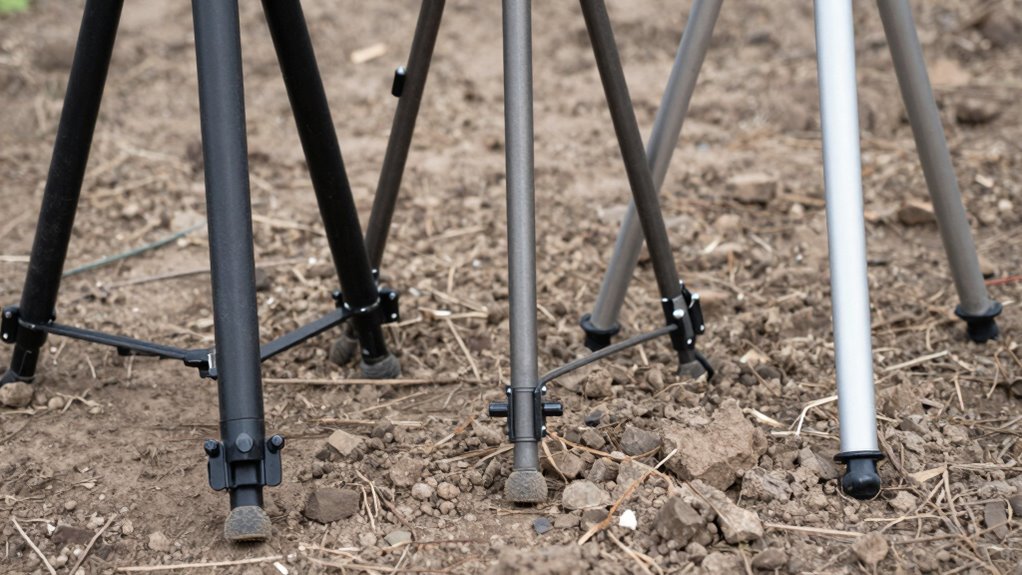
When choosing a tripod, it’s important to recognize that not all models offer the same level of stability. Stability depends on several factors, but understanding how camera weight and tripod materials influence it can help you make a smarter choice. If you’re working with a heavier camera, you’ll need a tripod that can handle that weight without wobbling or tipping over. Lighter tripods might seem appealing because they’re easy to carry, but they often sacrifice stability. Conversely, heavier tripods tend to be sturdier but might be less portable. Finding the right balance means considering how much your camera weighs and whether the tripod can support it securely. Additionally, the design and engineering of the tripod—such as leg locking mechanisms and center column stability—also impact overall steadiness. Tripod materials play a crucial role in stability. Aluminum tripods are popular because they’re durable, affordable, and provide excellent stability for most photography needs. They tend to be heavier, which adds to their stability—making them less prone to movement in windy conditions or when using slower shutter speeds. On the other hand, carbon fiber tripods are lighter and more portable, which is great if you’re hiking or traveling. However, they can sometimes be slightly less stable if not designed well, especially when supporting heavier camera gear. The choice of material influences not just weight but also how well the tripod absorbs vibrations, which can affect image sharpness. High-quality tripod materials provide a stable base, minimizing camera shake, even when you’re shooting at slow shutter speeds. You might be tempted to select a tripod based solely on its looks, but appearances can be deceiving. A sleek, compact tripod might catch your eye, but if it’s made from flimsy materials or isn’t designed to handle your camera’s weight, it won’t serve you well. Stability is more about the engineering behind the tripod, the materials used, and how well it supports your gear. Proper tripod setup is essential for maintaining stability during shoots, especially in challenging conditions. Remember, a tripod’s stability isn’t just about how it looks but about how well it performs under your specific shooting conditions. To ensure optimal stability, it’s essential to understand the importance of tripod engineering and how it contributes to overall performance. A well-engineered tripod design can also include features like leg lock mechanisms that prevent accidental movement and enhance overall support. In the end, choosing a tripod that offers genuine stability requires paying attention to those details—camera weight, tripod materials, and build quality—more than just its aesthetic appeal. Stability makes the difference between sharp, clear images and blurry, unusable shots. Don’t be fooled by looks; focus on the features that ensure your camera stays steady, no matter what the scene demands.
As an affiliate, we earn on qualifying purchases.
Frequently Asked Questions
How Does Tripod Weight Affect Stability?
Your tripod’s weight directly impacts its stability. Heavier tripods typically have better weight distribution, making them more stable, especially in windy conditions. When the center of gravity is lower due to added weight, the tripod resists tipping over more effectively. So, selecting a tripod with a well-balanced weight distribution and a lower center of gravity guarantees you get the stability needed for sharp, steady shots.
Are There Materials That Inherently Provide More Stability?
Certain materials inherently offer more stability for tripods. Steel and magnesium alloys provide superior durability, ensuring your tripod resists bending and wobbling under load, which boosts stability. While these materials might compromise aesthetic design, they’re excellent choices if stability is your priority. Aluminum strikes a good balance between durability and appearance, making it popular for both sturdy and visually appealing tripods. Always consider your specific needs when choosing material for maximum stability.
How Does Terrain Impact Tripod Stability?
Terrain greatly impacts your tripod’s stability, especially with surface vibrations and wind resistance. On uneven or soft ground, vibrations can cause your setup to wobble, reducing stability. Wind resistance becomes essential on open, breezy areas, where stronger gusts can shake the tripod. To counteract this, use weight plates or anchor your tripod securely. Always assess terrain conditions to guarantee your tripod remains steady during your shoot.
Do Professional Tripods Prioritize Stability Over Portability?
Yes, professional tripods prioritize stability over portability because they’re designed for precision and safety in demanding conditions. You’ll notice their tripod aesthetics focus on sturdy materials and robust construction rather than lightweight features. Your user preferences for stability and durability often lead you to choose these tripods, even if they’re bulkier. This guarantees your equipment remains steady, especially when capturing high-quality images or videos in challenging environments.
Can Accessories Improve a Tripod’s Stability?
Did you know that adding accessories can boost your tripod’s stability by up to 30%? Yes, camera mounting accessories, like quick-release plates, help secure your gear firmly, reducing wobble. Vibration reduction accessories, such as rubber feet or stabilizers, absorb shocks and minimize vibrations. These additions improve stability, making your shots sharper. So, yes, accessories are a smart way to enhance your tripod’s stability, especially in challenging shooting conditions.
As an affiliate, we earn on qualifying purchases.
Conclusion
So, next time you pick a tripod, remember—looks can deceive, but stability is king. Don’t be swayed by sleek designs or fancy features alone; it’s the foundation that holds your shot steady. Think of stability as the silent guardian of sharp images and smooth videos, quietly working behind the scenes. In the end, a tripod’s true beauty lies in its ability to stand firm—because without stability, even the most beautiful camera setup falls apart.
As an affiliate, we earn on qualifying purchases.
As an affiliate, we earn on qualifying purchases.
Fall Picks
fall essentials
As an affiliate, we earn on qualifying purchases.