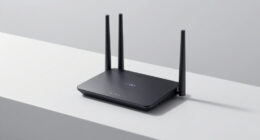

To keep your smart devices from becoming security risks, you should implement IoT network segmentation. By creating separate network zones, using dedicated Wi-Fi for your gadgets, and applying traffic filtering, you limit the potential spread of malware and prevent hackers from accessing your main network. Combining device isolation with traffic controls establishes a layered defense, boosting your security. Continue to explore, and you’ll discover how proper segmentation can protect your entire smart environment effectively.

Prime made for students and young adults
- Fast, free delivery for dorm and study essentials
- Prime Video and Amazon Music included
- Member-only deals
Key Takeaways
- Segment IoT devices into separate networks to limit malware spread and contain breaches.
- Implement traffic filtering to restrict device communication to trusted servers and block malicious traffic.
- Use dedicated Wi-Fi networks for smart devices, preventing unauthorized access to main networks.
- Combine device isolation with filtering for layered security, reducing attack surface and lateral movement.
- Regularly monitor network activity to detect unusual behavior and enhance overall IoT security posture.
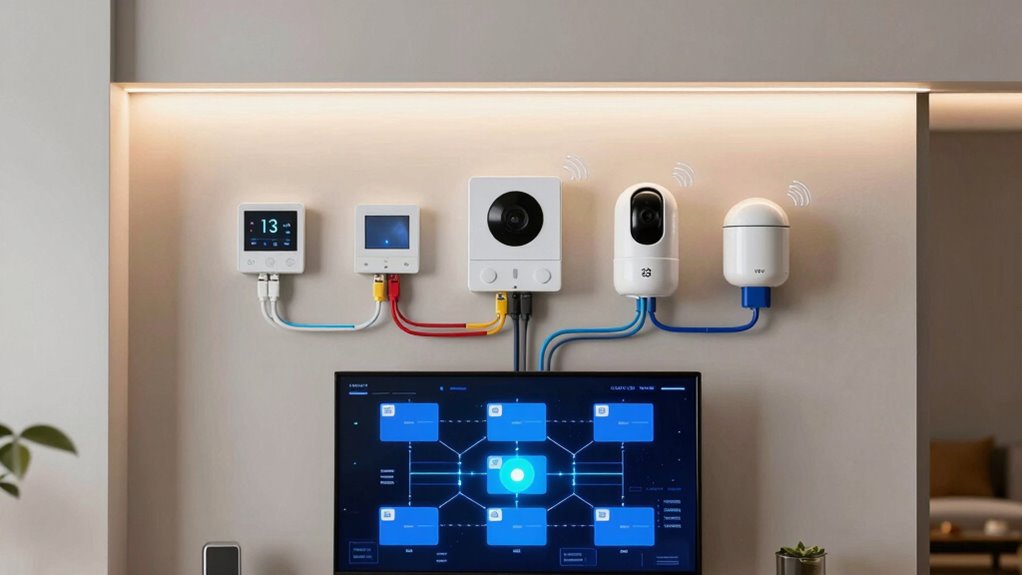
Have you ever considered how to protect your IoT devices from potential security threats? With the rapid growth of smart devices in homes and workplaces, securing these gadgets has never been more essential. One of the most effective strategies is IoT network segmentation, which involves dividing your network into smaller, isolated segments. This approach limits the spread of malware or hacking attempts, preventing a single compromised device from jeopardizing your entire network. To implement this effectively, you need to focus on device isolation and traffic filtering.
Device isolation means creating separate network zones for your IoT devices, distinct from your primary devices like computers and smartphones. By isolating these devices, you prevent malicious actors from easily accessing sensitive data or taking control of critical systems. For example, you can set up a dedicated Wi-Fi network specifically for your smart thermostats, cameras, and appliances. This segmentation ensures that even if one device gets compromised, the attacker doesn’t gain unfettered access to your main network. Device isolation also simplifies monitoring and managing your devices, making it easier to spot unusual activity and respond swiftly.
Traffic filtering plays an indispensable role in maintaining the security of these isolated segments. It involves setting rules that control what data can flow between different parts of your network. By filtering traffic, you can block unauthorized access attempts, suspicious data packets, or connections from unknown sources. This acts as a barrier, preventing malicious traffic from reaching your IoT devices or from leaving them compromised. Implementing strict traffic filtering policies ensures that only legitimate, necessary communications occur, reducing your attack surface markedly. For instance, you can restrict IoT devices to communicate only with specific servers or services, preventing them from connecting to potentially malicious sites.
Together, device isolation and traffic filtering create a layered defense that considerably reduces risks associated with IoT devices. They help contain potential breaches within a limited segment, preventing hackers from escalating their access or moving laterally across your entire network. This approach also makes it easier to identify and respond to threats. You can set up alerts for unusual traffic patterns or device behaviors, giving you a head start on mitigating issues before they escalate.
In short, securing your IoT network through segmentation isn’t just a technical choice—it’s a necessary step to safeguard your privacy, data, and connected lifestyle. By isolating devices and filtering traffic, you build a resilient defense that keeps your smart devices from becoming a weak link in your security. It’s a proactive way to stay ahead of cyber threats while enjoying the convenience of your IoT ecosystem. Understanding the contrast ratio of your network setup can also help optimize your security measures, as higher contrast ratios in imaging systems improve visual clarity and detection capabilities in surveillance systems.
Frequently Asked Questions
How Often Should Iot Network Segmentation Be Reviewed?
You should review your IoT network segmentation at least every six months. Regular reviews make certain device isolation remains effective and that policy updates address new threats. Check for any unauthorized devices, update access controls, and refine segmentation strategies to prevent vulnerabilities. Staying proactive helps keep smart devices secure, reducing risks of breaches or unauthorized access. Consistent reviews are key to maintaining a strong, isolated IoT environment.
What Tools Are Best for Monitoring Segmented Iot Networks?
You need excellent tools to monitor segmented IoT networks effectively. Focus on solutions that excel in device isolation and traffic analysis, like network intrusion detection systems (IDS) and specialized IoT security platforms. These tools help you spot unusual activity, potential breaches, or device communication issues early. Stay alert, because the moment you ignore network monitoring, vulnerabilities could slip through, turning your smart devices into a ticking security time bomb.
Can Segmentation Prevent All Iot-Related Cyber Attacks?
Segmentation can’t prevent all IoT-related cyber attacks, but it considerably enhances your security. By implementing device isolation, you limit an attacker’s movement within your network, reducing potential damage. Threat mitigation becomes more manageable because segmented networks contain breaches and prevent them from spreading. While no security measure is foolproof, combining segmentation with other defenses greatly improves your overall resilience against IoT threats.
How Does Segmentation Impact Iot Device Performance?
Segmentation acts like a gatekeeper, so your IoT devices don’t get bogged down in traffic. It can cause slight device latency if bandwidth allocation isn’t optimized, but smart network design minimizes this. By prioritizing critical data and managing bandwidth, you keep performance steady without sacrificing security. Think of it as a traffic cop directing flow—your devices stay responsive while staying protected from unnecessary congestion.
Are There Industry Standards for Iot Network Segmentation?
Yes, industry standards for IoT network segmentation emphasize device isolation and network zoning. You should follow guidelines from organizations like NIST and ISO, which recommend segmenting IoT devices into separate zones to minimize security risks. Implementing strict device isolation prevents compromised devices from affecting your core network, ensuring better security. Adhering to these standards helps you manage and control IoT traffic effectively, reducing vulnerabilities and protecting your network infrastructure.
Conclusion
By segmenting your IoT network, you substantially reduce the risk of a cyber attack spreading across all your devices. Did you know that over 70% of smart home devices lack proper security measures? Keeping these devices isolated means even if one is compromised, your main network stays safe. Take control of your smart devices today—segmentation isn’t just smart, it’s essential for your security. Protect your connected world before it’s too late.
Fall Picks
fall essentials
As an affiliate, we earn on qualifying purchases.