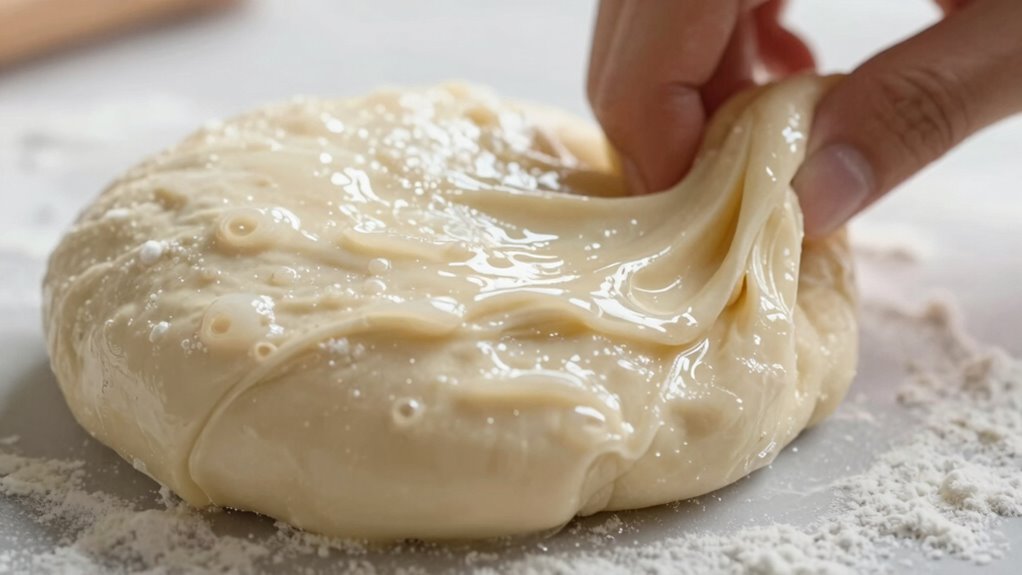
A sticky, wet dough often signals proper hydration, which helps develop better gluten, making your bread more elastic and airy. While it may seem tricky to handle, high-hydration dough isn’t wrong—it’s just a sign you’ve used enough water for ideal fermentation and texture. With the right techniques, like gentle folding and minimal handling, you can shape it perfectly. Explore more to discover how understanding hydration levels can improve your baking success.

Get school and study supplies delivered free — and shop member deals
- Fast, free delivery on millions of items
- Access to Prime Big Deal Days deals on October 6–7
- Prime Video, Amazon Music and more included
Key Takeaways
- High hydration dough is sticky but promotes better gluten development and extensibility when handled properly.
- Sticky dough ferments faster, enhancing flavor and rise without compromising structure if managed delicately.
- Proper hydration levels vary by flour type; wetter dough isn’t inherently wrong, it can optimize texture and crumb.
- Using techniques like light flouring and gentle stretch-and-folds helps manage stickiness without overworking dough.
- Recognizing the dough’s feel and fermentation progress guides hydration adjustments, ensuring optimal baking results.
high hydration bread dough scraper
As an affiliate, we earn on qualifying purchases.
As an affiliate, we earn on qualifying purchases.
What Is Dough Hydration and Why Does It Matter?
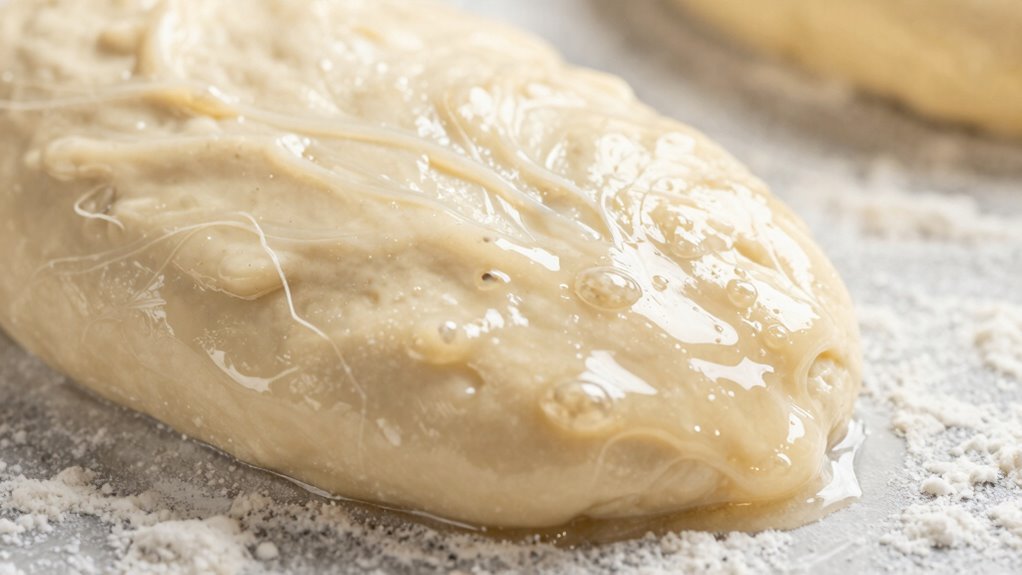
Dough hydration refers to the ratio of water to flour in your recipe, expressed as a percentage. This ratio directly impacts gluten development, which influences your dough’s elasticity and strength. Higher hydration levels typically produce a stickier, more extensible dough that can trap gas better during fermentation. Proper hydration also affects fermentation timing; wetter dough often ferments faster because yeast activity is enhanced. Understanding hydration helps you control the dough’s texture and rise, ensuring ideal flavor and structure. If your dough is too dry, gluten development suffers, and fermentation slows down. Conversely, too much water can make the dough overly sticky, challenging to handle. Mastering hydration levels allows you to fine-tune these processes for better baking results. Additionally, dough consistency is crucial for achieving the desired oven spring and crumb structure in your baked goods. Maintaining optimal hydration also supports gluten development, which is essential for a well-structured loaf. A thorough understanding of hydration levels can help bakers troubleshoot issues like dense crumb or poor rise, especially as hydration influences dough extensibility and handling properties. Proper hydration also ensures even fermentation, which leads to more consistent and predictable baking outcomes.
dough stretch and fold technique tools
As an affiliate, we earn on qualifying purchases.
As an affiliate, we earn on qualifying purchases.
How to Recognize When Your Dough Has the Perfect Hydration
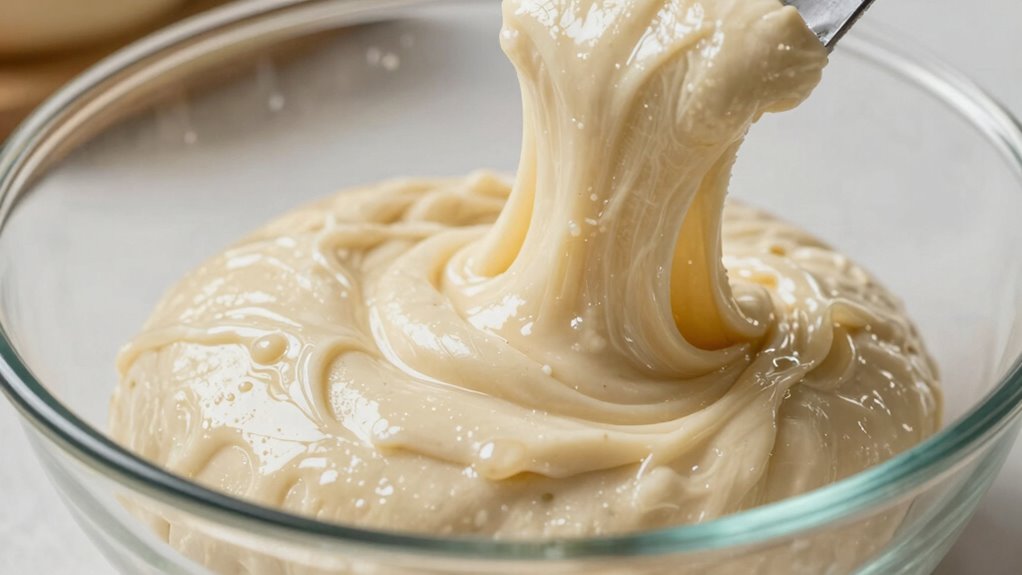
To recognize when your dough has the perfect hydration, pay close attention to its texture and feel during mixing and kneading. Well-hydrated dough should be slightly sticky but still manageable, with good extensibility. The dough’s fermentation timing also signals readiness, as properly hydrated dough ferments evenly and develops flavor. Observe how the dough responds to gentle stretch tests; it should feel elastic and smooth. Flour absorption properties vary, so adjust hydration based on your flour type. Use this table as a quick guide:
| Hydration Level | Texture During Mixing | Fermentation Timing |
|---|---|---|
| Under-hydrated | Firm, dry, stiff | Ferments slowly |
| Perfectly hydrated | Slightly sticky, elastic | Consistent rise |
| Over-hydrated | Very sticky, loose | Ferments quickly but may collapse |
Recognizing these signs ensures ideal hydration and perfect baking results. Additionally, understanding hydration levels helps you tailor recipes for different flours and desired textures. Being aware of how flour absorption varies is crucial for achieving the right dough consistency and preventing common baking issues. Adjusting hydration based on ingredient quality allows for more consistent outcomes and improved dough handling. Paying attention to dough elasticity can further help determine if your hydration level is appropriate. Moreover, knowing how to assess dough texture accurately can make a significant difference in baking success.
bread proofing basket for sticky dough
As an affiliate, we earn on qualifying purchases.
As an affiliate, we earn on qualifying purchases.
Handling and Shaping Sticky, Wet Dough
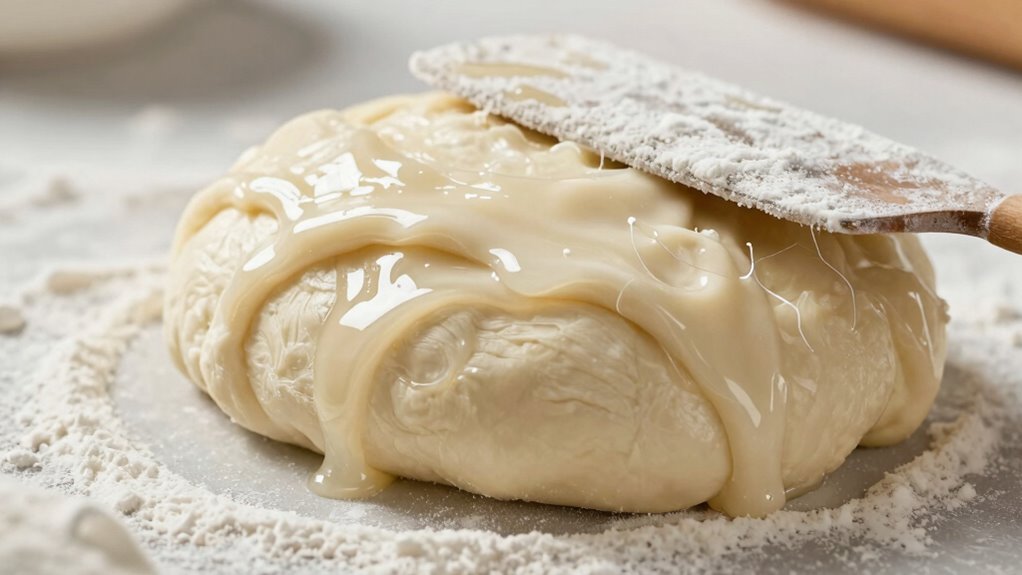
Handling and shaping sticky, wet dough can be challenging, but with the right techniques, it becomes manageable. The key is managing dough stickiness by using a gentle touch and proper tools. Lightly flour your work surface and hands to prevent sticking without adding too much flour, which can alter hydration. Use a bench scraper to lift and fold the dough, minimizing direct contact. Wet dough handling benefits from minimal handling—stretch and fold rather than knead vigorously. Keep your hands damp or lightly oiled to improve grip and reduce sticking. Patience is essential; wet dough needs gentle, deliberate movements. proper dough hydration techniques help you develop a feel for the dough’s texture and elasticity, making it easier to work with high-hydration doughs. Using the right tools can make a significant difference in working with high-hydration dough. Practicing dough handling skills reinforces your ability to shape and manage sticky dough effectively. With practice, you’ll become comfortable working with high-hydration dough, shaping it into perfect loaves or bâtards without frustration.
kitchen scale for baking hydration
As an affiliate, we earn on qualifying purchases.
As an affiliate, we earn on qualifying purchases.
Common Mistakes When Working With High-Hydration Dough
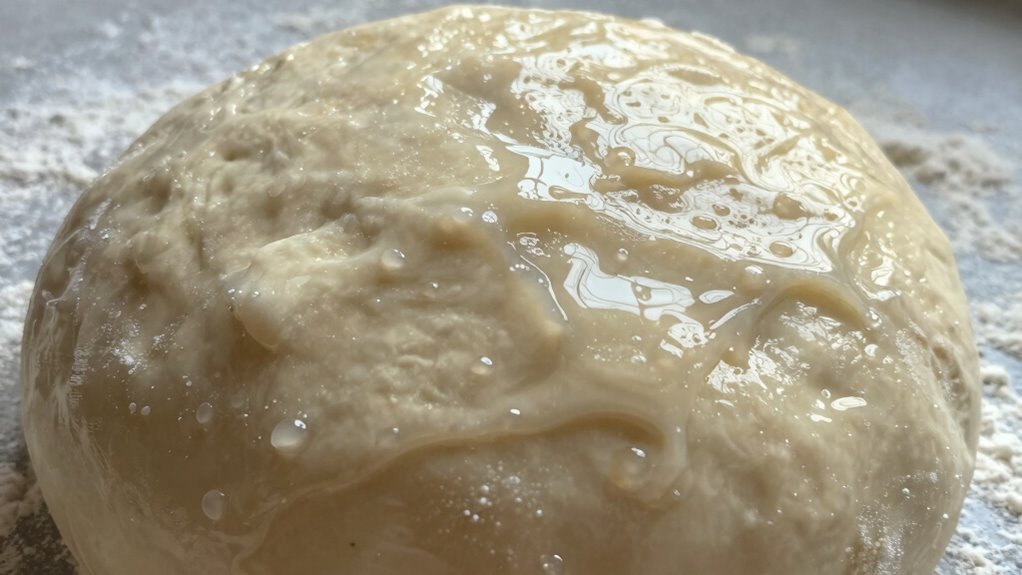
One common mistake when working with high-hydration dough is overworking it, which can cause the gluten structure to tighten and lead to a denser crumb. This mistake increases overhydration risks, making the dough too slack or sticky. To avoid this, use proper hydration measurement techniques to gauge water content accurately. For example: 1. Use a scale for precise ingredient ratios. 2. Observe dough consistency rather than relying solely on feel. 3. Incorporate stretch-and-fold techniques to develop gluten gently. These steps help prevent overhydration and ensure your dough maintains its ideal structure. Proper hydration levels are essential for achieving the right dough texture, as overhydration can significantly impact the final bread quality. Overworking can also cause the dough to become overly sticky or difficult to handle, so patience and accuracy are essential for successful high-hydration baking.
Adjusting Hydration for Different Flours and Recipes
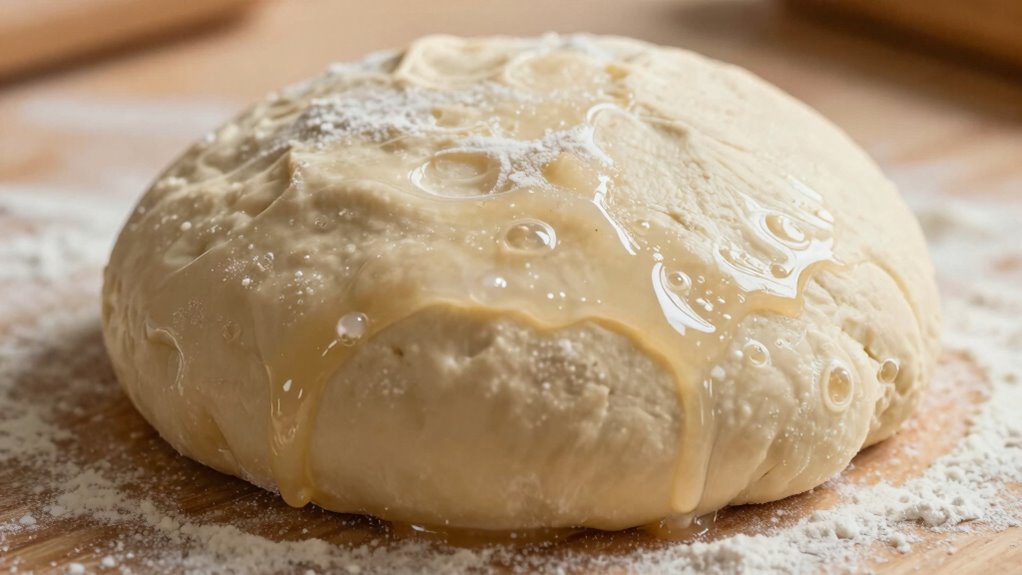
Different flours absorb water at varying rates, so adjusting hydration levels is essential for consistent results. Knowing your flour types and how they handle hydration helps achieve the perfect dough. For example, bread flour typically requires more water than all-purpose flour, which is reflected in hydration measurements. To illustrate, here’s a quick comparison:
| Flour Type | Typical Hydration Level | Notes |
|---|---|---|
| Bread Flour | 65-70% | Higher gluten content |
| All-Purpose Flour | 60-65% | Versatile, moderate water |
| Whole Wheat Flour | 70-80% | Absorbs more water |
| Rye Flour | 85-90% | Very absorbent |
| Cake Flour | 55-60% | Light, delicate dough |
Adjust your hydration based on flour type and recipe needs for ideal dough consistency. Being aware of flour absorption properties can help you fine-tune your recipes for the best results.
Frequently Asked Questions
How Does Humidity Affect Dough Hydration Levels?
Humidity influence plays a big role in dough hydration levels. When the air is humid, it adds moisture to the dough, making it stickier and softer.
Conversely, in dry conditions, dough can become drier and firmer. You’ll notice that during humid days, your dough may need less water, while on dry days, you might need to add a little more.
Adjust your hydration accordingly to achieve the desired dough consistency.
Can Hydration Levels Be Adjusted During Fermentation?
Think of your dough as a river flowing through a landscape. During fermentation, you can adjust hydration consistency by adding a splash of water or flour, like guiding the river’s flow. This helps control the fermentation timing and guarantees your dough develops properly.
Keep a close eye and tweak gradually, so the dough’s hydration stays balanced, giving you the best texture and rise without overcomplicating the process.
What Tools Are Best for Handling Sticky Dough?
To handle sticky dough, you should use a dough scraper or bench knife. These tools help you lift, fold, and shape the dough without it sticking to your hands or surfaces.
Keep your tools floured lightly to prevent sticking further. With a dough scraper or bench knife, you gain better control, making it easier to work with high-hydration, sticky dough while maintaining its integrity.
Does Higher Hydration Improve Bread Flavor?
Yes, higher hydration helps enhance bread flavor, fostering fantastic flavor development. When you increase hydration, the dough becomes more receptive, encouraging better gluten structure and allowing more flavor compounds to develop during fermentation.
This moist environment releases a richer, more complex taste. So, by embracing a wetter dough, you not only improve the bread’s texture but also elevate its overall flavor, making your baking beautifully bolder and more delicious.
How Does Hydration Impact Dough Shelf Life?
Higher hydration levels can extend dough shelf life by promoting better dough preservation, as the increased moisture creates an environment less favorable for microbial growth.
However, too much moisture may lead to faster spoilage if not stored properly. You should monitor hydration carefully and store your dough in a cool, airtight environment to balance microbial activity and maintain freshness longer.
Conclusion
Think of your dough as a living canvas, where hydration is the brushstroke that brings it to life. Embracing sticky, wet dough isn’t just about technique—it’s about trusting the process and the subtle dance of water and flour. When you master this balance, you’re nurturing a foundation for baked goods that flourish with flavor and texture. Remember, sometimes the messiest strokes create the most beautiful masterpiece.
Halloween Picks
halloween
As an affiliate, we earn on qualifying purchases.