
Mesh Wi‑Fi uses multiple interconnected nodes to create a strong, seamless network that covers your entire home. It automatically routes traffic between nodes, reducing dead zones and ensuring consistent coverage even through walls and furniture. With adaptive technology, it minimizes interference and maintains fast, reliable connections for all your devices. If you want to understand how this smart system works to fix connectivity issues, keep exploring to discover more.
Key Takeaways
- Mesh Wi-Fi uses multiple interconnected nodes to create a seamless, unified network throughout your home.
- It intelligently routes traffic and adapts to home layout, reducing dead zones caused by walls and obstacles.
- Dual or tri-band technology minimizes interference, maintaining strong signals even with many devices connected.
- Unlike traditional routers, mesh systems automatically optimize coverage, eliminating weak spots and ensuring consistent Wi-Fi.
- User-friendly apps allow easy setup and management, keeping your network reliable without technical expertise.
Have you ever experienced slow or spotty Wi-Fi signals throughout your home? If so, you’re not alone. Many people struggle with dead zones—areas where the Wi-Fi drops out completely or becomes painfully slow. The culprit is often outdated router configurations or signal interference from physical obstacles and electronic devices. Traditional routers, while effective in open spaces, can’t always cover large or complex layouts efficiently. That’s where mesh Wi-Fi systems come into play, offering a smarter solution for whole-home coverage.
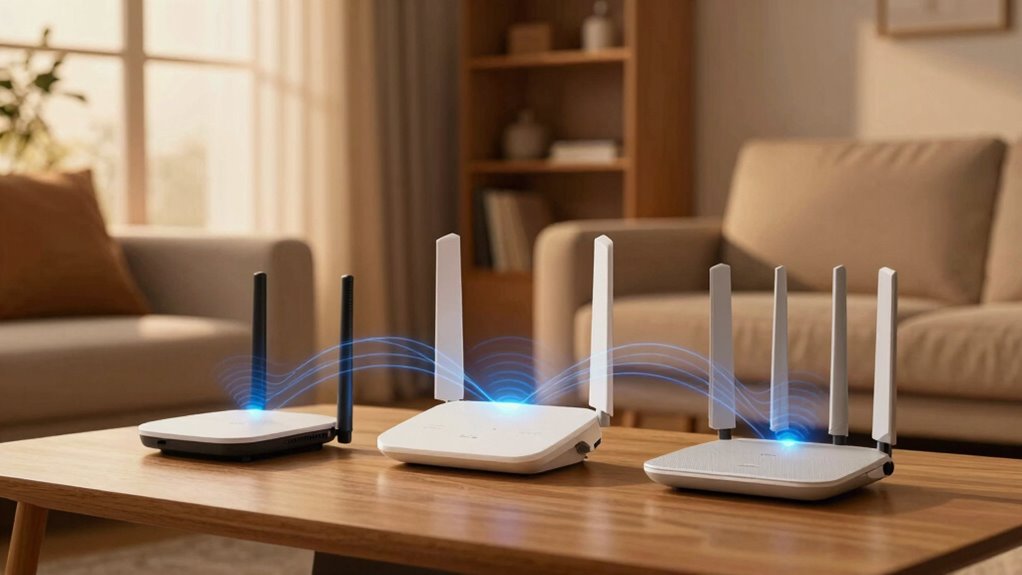
Unlike standard routers, mesh Wi-Fi setups use multiple nodes that communicate seamlessly to create a unified network. Instead of relying on a single device broadcasting a signal across your entire home, these nodes distribute the Wi-Fi evenly, ensuring each corner gets a strong, reliable connection. This setup automatically adapts to your home’s layout, reducing the dead zones that plague many households. When you install a mesh system, you’re fundamentally creating a network where each node acts as a mini-router, intelligently routing traffic and maintaining a consistent signal.
One of the biggest advantages of mesh Wi-Fi is its ability to handle signal interference better than traditional routers. Signal interference can be caused by thick walls, appliances, or other wireless devices competing for the same frequency. Mesh systems often operate on dual bands or even tri-band technology, which helps minimize interference by dynamically switching between channels or frequencies to find the clearest path. This means your devices stay connected without interruption, even when multiple gadgets are streaming, gaming, or working at once. Additionally, mesh systems often incorporate advanced antenna technology, which further enhances their ability to maintain strong signals in challenging environments.
Furthermore, many mesh Wi-Fi systems are designed with user-friendliness in mind. They often come with intuitive apps that guide you through setup, making it easy to enhance your network. You can also adjust router configurations on the fly, such as setting guest networks or prioritizing certain devices, all from your smartphone. The system continually monitors signal quality and adjusts itself to maintain prime performance, reducing the need for manual troubleshooting.
Frequently Asked Questions
How Does Mesh Wi-Fi Differ From Traditional Routers?
You’ll find that mesh Wi-Fi differs from traditional routers by providing seamless coverage through multiple nodes, which work together to manage interference and guarantee a strong signal everywhere. Unlike single routers, mesh systems handle signal handoff smoothly as you move around your home, preventing dead zones. This setup creates a unified network, making your Wi-Fi more reliable and efficient without needing to switch between different networks or deal with weak spots.
Can Mesh Wi-Fi Systems Be Expanded Easily?
Yes, you can expand your mesh Wi-Fi system easily. Imagine adding a new node to cover a backyard or basement. These systems are designed for simple setup, ensuring seamless signal coverage. You just place the new device, connect it, and it automatically syncs with existing units. Mesh Wi-Fi systems are compatible with most devices, making upgrades straightforward without worrying about device compatibility issues.
What Are the Cost Considerations for Mesh Wi-Fi?
When considering mesh Wi-Fi, you should look at the cost comparison and installation expenses. Mesh systems tend to be pricier upfront than traditional routers, but they offer better coverage and scalability. Keep in mind, you might need to budget for additional nodes if your home is large. While installation is usually straightforward, some systems may require professional setup, adding to the overall cost. Balancing these factors helps determine if it fits your budget.
Is Mesh Wi-Fi Suitable for Large Homes?
Yes, mesh Wi-Fi is suitable for large homes because it offers extensive range coverage, ensuring you get a strong connection in every corner. You can add multiple nodes to expand coverage as needed. Plus, most mesh systems are compatible with a wide range of devices, so you won’t face connectivity issues. This makes mesh Wi-Fi a practical choice for maintaining seamless internet access across large, multi-story homes.
How Secure Is Mesh Wi-Fi Compared to Standard Networks?
Mesh Wi-Fi is quite secure compared to standard networks because it uses advanced network encryption to protect your data. Plus, it employs device authentication, ensuring that only authorized devices connect to your network. This layered security makes it harder for hackers to access your information. While no network is completely invulnerable, mesh Wi-Fi provides strong security features that help keep your online activities safe and private.
Conclusion
Understanding mesh Wi-Fi shows it truly can fix dead zones, but it’s not magic—it’s about smarter coverage. The theory that more access points automatically improve your signal holds weight, yet it’s essential to place them wisely. When you invest in a mesh system, you’re not just patching gaps; you’re creating a seamless network that adapts to your home’s unique layout. Trust the technology, but remember, thoughtful setup makes all the difference.