
Procrastination isn’t laziness; it’s driven by emotional and psychological factors like fear of failure, perfectionism, and a craving for quick rewards. Your brain seeks immediate pleasure, making it hard to focus on long-term goals. Unlike laziness, which is a lack of effort, procrastination involves avoidance due to discomfort or overwhelm. Understanding what truly causes your delays can help you develop better strategies—keep going to learn more about overcoming this common habit.

Prime made for students and young adults
- Fast, free delivery for dorm and study essentials
- Prime Video and Amazon Music included
- Member-only deals
Key Takeaways
- Procrastination is driven by emotional triggers like fear of failure, not a lack of effort or motivation.
- It involves avoiding unpleasant tasks due to anxiety, perfectionism, or overwhelm, unlike laziness which is passive inaction.
- The brain’s reward system reinforces delaying behaviors through dopamine release, not a desire to be lazy.
- Procrastination often stems from poor habits and time management, whereas laziness is a general lack of effort.
- Recognizing emotional and psychological factors helps differentiate procrastination from laziness and develop targeted strategies.
As an affiliate, we earn on qualifying purchases.
Why Do We Procrastinate? The Psychology Behind Delay

Many people procrastinate because their brains are wired to avoid discomfort and seek immediate rewards. Emotional triggers, like fear of failure or anxiety, can make starting tasks feel overwhelming, prompting delay. Motivational factors also play a role; if a task seems dull or lacks immediate payoff, your brain prioritizes more pleasurable activities. This avoidance isn’t laziness—it’s a survival mechanism to reduce emotional discomfort. When you face a challenging or stressful task, your mind seeks shortcuts, releasing dopamine when you delay, which reinforces procrastination. Recognizing these psychological influences helps you see that your behavior isn’t a flaw but a response rooted in emotional triggers and motivational factors. Additionally, understanding the brain’s wiring to seek rewards can help in developing strategies to break the cycle of procrastination. This reward system is closely linked to dopamine release, which reinforces behaviors that seek immediate satisfaction. Recognizing this is the first step toward managing procrastination more effectively, especially when you understand how your brain’s reward system influences your choices.
As an affiliate, we earn on qualifying purchases.
Procrastination vs. Laziness: What’s the Difference?

Procrastination and laziness are often confused, but they stem from different underlying reasons. When you procrastinate, it’s usually driven by motivation factors like fear of failure, perfectionism, or task aversion. You might delay because the task feels overwhelming or unpleasant, not because you lack the energy or desire to do anything. Laziness, on the other hand, is generally a lack of effort or willingness to act, often without the specific emotional barriers that cause procrastination. If you’re procrastinating, you’re avoiding a task because it’s uncomfortable or unappealing. Recognizing this difference helps you understand that procrastination isn’t a sign of laziness but a complex response to motivation and task-related feelings. Additionally, understanding the concept of a luxury lifestyle can help frame your approach to managing tasks and motivation more effectively. Embracing creative storytelling techniques in your daily routines can also make task completion more engaging and less burdensome, ultimately reducing tendencies to procrastinate. Remember that addressing task aversion directly—by breaking tasks into smaller steps or finding personal meaning—can significantly diminish the urge to delay. Recognizing the root causes of motivation issues can empower you to develop strategies that transform procrastination into productive action. Developing a clear sense of purpose or meaningful goals can further motivate you to overcome delays and stay committed to your tasks.
Dopamine release stress relief tools
As an affiliate, we earn on qualifying purchases.
As an affiliate, we earn on qualifying purchases.
What Causes You to Keep Putting Things Off?

What drives you to keep putting things off often lies beneath the surface of simple laziness. It’s usually rooted in how you’ve formed habits around your behaviors and your struggles with time management. When tasks feel overwhelming or boring, your brain defaults to delaying them, seeking comfort instead. Poor habit formation can make procrastination automatic, turning avoidance into a default response. Additionally, ineffective time management skills can cause you to underestimate how long tasks take, leading to last-minute rushes or avoidance altogether. These patterns reinforce each other, making it easier to keep delaying. Recognizing that procrastination isn’t about laziness helps you understand that reshaping your habits and improving your time management can break the cycle, making it easier to start and finish tasks. Moreover, an awareness of food influences and how it impacts your behavior can also shed light on your tendencies to delay or avoid certain activities. Incorporating mindful choices around nutrition can support better focus and motivation. Additionally, an awareness of AI ethics and its role in shaping responsible technology use can inspire more mindful decision-making in various areas of life. Understanding the importance of sustainable habits can further empower you to develop consistent routines that reduce procrastination over time. Developing effective habits and integrating them into your daily routine can significantly reduce the tendency to procrastinate and increase productivity.
As an affiliate, we earn on qualifying purchases.
The Emotional Roots of Procrastination: Fear, Perfectionism, and Anxiety

Your fears of failure and making mistakes often hold you back from starting or finishing tasks. Perfectionism can make you paralyze yourself, afraid that anything less than perfect isn’t good enough. Recognizing these emotional roots helps you break free from procrastination’s grip. Additionally, understanding the horsepower of your efforts can empower you to take action without overestimating the risks. Developing awareness of your natural surroundings can also ground your mindset and reduce anxiety related to perfectionism. Exploring the meaning of consecration can inspire a renewed commitment to your goals, emphasizing the importance of dedicated effort and spiritual renewal.
Fear of Failure
Fear of failure often drives you to delay tasks because the thought of not meeting expectations feels overwhelming. That fear fuels self-doubt, making you question whether you’re capable or enough. You might avoid starting because you’re afraid of the shame, disappointment, or judgment failure could bring. This anxiety creates a cycle of procrastination, as delaying feels safer than risking rejection or mistakes.
Some emotional triggers include:
- Feeling paralyzed by the possibility of failure
- Worrying about how others will judge your mistakes
- Believing that any mistake means you’re not good enough
- Avoiding the vulnerability of showing imperfection
Understanding that this fear is rooted in your emotional response can help you confront and manage it, rather than let it control your actions.
Perfectionism’s Paralyzing Grip
Perfectionism often keeps you stuck in a cycle of procrastination because you set impossibly high standards and dread making mistakes. This perfectionism’s paralyzing grip makes you fear failure so intensely that taking action feels overwhelming. You might think that if you don’t do something perfectly, it’s not worth doing at all. As a result, you delay starting tasks, fearing the inevitable criticism or disappointment. This fear of failure feeds into your perfectionism, creating a vicious cycle that blocks progress. Instead of facing the possibility of imperfection, you choose inaction to avoid potential mistakes or judgment. Recognizing this pattern is the first step in breaking free from perfectionism’s paralyzing grip and learning to accept that mistakes are part of growth.
Why Your Brain Prefers Immediate Rewards Over Long-Term Goals

When faced with a choice between instant gratification and long-term goals, your brain often favors the immediate reward. This happens because your reward system is wired to seek quick pleasure, releasing dopamine when you indulge in small satisfactions. That rush feels good now, even if it sabotages future success. You might feel:
- An irresistible urge to check your phone instead of working
- Craving junk food over healthy meals
- Giving in to Netflix instead of studying
- Prioritizing short-term comfort over future achievements
Your brain prefers these immediate rewards because they deliver quick dopamine hits, reinforcing behaviors that feel good right away. This natural tendency makes it difficult to resist temptations that promise instant satisfaction, often leading to procrastination and avoiding long-term efforts. Additionally, the desire to maximize pleasure can make it challenging to focus on tasks that require sustained effort over time. Recognizing the influence of the brain’s reward system and its connection to dopamine release can help you develop strategies to overcome these impulses and stay aligned with your larger goals. Understanding how the reward mechanism functions can empower you to implement effective habits that prioritize long-term benefits over momentary indulgences.
Signs You’re Avoiding Tasks : Not Just Being Lazy

Recognizing the difference between avoiding tasks and simply feeling lazy is key to understanding your behavior. Task avoidance often stems from motivation struggles rather than laziness. If you find yourself delaying important work, feeling anxious or overwhelmed, or engaging in minor tasks instead of the main one, you’re likely avoiding it. These signals show you’re trying to escape discomfort or fear of failure, not because you’re inherently lazy. You might also notice a pattern of procrastination on certain types of tasks, especially those that challenge your confidence or require sustained effort. Understanding these signs helps you realize that your behavior isn’t about low energy or lack of care but about deeper motivation issues. Sometimes, your choice of appropriate materials or environment can influence your ability to stay focused and motivated. Additionally, recognizing behavioral patterns linked to your motivation can help you develop more effective strategies to overcome avoidance. Being aware of wave and wind as factors that can impact your energy levels and focus can further aid in understanding your procrastination tendencies. Developing self-awareness about these influences is a crucial step toward addressing the real cause of your task avoidance.
How to Recognize When You’re Procrastinating and Not Lazy

Have you ever caught yourself delaying a task and wondered if you’re just lazy or actually procrastinating? Recognizing the difference requires self-awareness and good time management. When you procrastinate, you might feel anxious or overwhelmed, but you’re still motivated to start—just avoid it. Lazy people often lack the desire to begin at all. Ask yourself:
Distinguishing between laziness and procrastination requires self-awareness and understanding your true motivations.
- Do I feel guilty or anxious about delaying?
- Is this delay caused by feeling overwhelmed or unsure?
- Do I genuinely want to complete this task?
- Am I avoiding it because I don’t know where to start?
Understanding your feelings and motivations helps you identify procrastination. This awareness keeps you honest about your habits and clarifies whether you’re avoiding work or simply managing your time poorly.
Practical Strategies to Stop Procrastinating and Get Things Done

To effectively stop procrastinating, you need practical strategies that help you take immediate action and stay focused. Start with good time management by breaking tasks into smaller, manageable steps and setting clear deadlines. Use goal setting to define specific, achievable objectives for each session, which keeps you motivated and on track. Prioritize tasks by importance and tackle the most critical ones first, avoiding overwhelm. Eliminate distractions and create a dedicated workspace to improve focus. Schedule regular breaks to refresh your mind. Track your progress to stay accountable and celebrate small wins. These strategies help you build momentum, reduce anxiety, and turn intentions into actions—making procrastination less tempting and productivity more accessible.
Understanding Your Brain to Break the Procrastination Habit
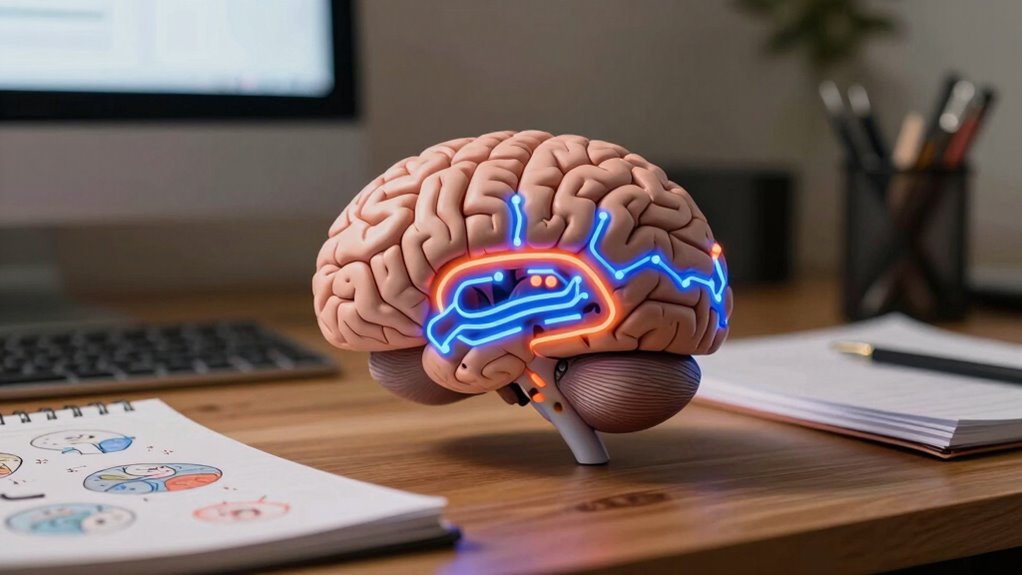
Understanding how your brain operates is key to breaking the procrastination habit. Neuroscience insights reveal that habit formation relies on specific brain circuits, especially in the basal ganglia. When you delay tasks, your brain’s reward system signals temporary relief, reinforcing avoidance rather than action. To rewire this, recognize that habits are not fixed; they can change with conscious effort. Consider these emotional triggers:
- The frustration of missed deadlines
- The guilt of wasted potential
- The anxiety of facing tasks
- The relief of temporary avoidance
When to Seek Support and Build Better Productivity Habits

If you find yourself consistently struggling to complete tasks, it might be time to seek support. Building better routines can make a big difference, but knowing when to ask for help is key. Recognizing these signs helps you take action before procrastination takes over completely.
Recognizing When Help Is Needed
Recognizing when you need help is key to overcoming procrastination and building better productivity habits. Emotional awareness helps you tune into your feelings and identify signs of overwhelm, burnout, or frustration. Practicing self-compassion allows you to accept these moments without judgment and seek support when necessary. If you notice:
- You feel consistently overwhelmed or anxious about tasks
- You’re avoiding work despite feeling guilty
- Your motivation has plummeted, and deadlines are looming
- You find yourself repeatedly stuck in negative self-talk
then it’s time to ask for help. Reaching out isn’t a sign of weakness; it’s a step toward growth. Acknowledging your needs with kindness empowers you to build healthier habits and move forward with clarity and confidence.
Establishing Consistent Routines
When you notice persistent feelings of overwhelm or a pattern of procrastination, establishing consistent routines can make a significant difference. Routine consistency helps reinforce habit formation, making tasks feel automatic rather than burdensome. To build these habits, identify key activities and set specific times for them daily. When routines become ingrained, you’ll experience less decision fatigue and increased productivity. If you struggle to maintain routine consistency, consider seeking support from a coach or accountability partner. They can help you stay committed and adjust routines as needed. Remember, developing new habits takes time. Stay patient and focused on progress rather than perfection. Over time, your routines will support sustained productivity and reduce procrastination.
| When to Seek Support | Routine Adjustment | Key Habit Formation Steps |
|---|---|---|
| Struggling to stay motivated | Routines feel overwhelming | Set clear, manageable goals |
| Repeated procrastination | Routine feels inconsistent | Establish specific times |
| Lack of accountability | Need feedback on progress | Celebrate small wins |
Frequently Asked Questions
How Does Procrastination Differ Across Different Personality Types?
Your personality traits and motivation styles influence how you procrastinate. For example, highly conscientious individuals tend to delay less, while perfectionists may stall due to fear of imperfection. Extroverts might put off tasks to seek social interaction, whereas introverts procrastinate to conserve energy. Recognizing these differences helps you tailor strategies that align with your personality, making it easier to overcome procrastination and boost productivity effectively.
Can Procrastination Be Linked to Underlying Mental Health Issues?
Yes, procrastination can be linked to underlying mental health issues like anxiety or depression. When your mental health struggles, emotional regulation becomes difficult, making it hard to focus or start tasks. You might delay because you’re overwhelmed or fear failure. Recognizing these links helps you address root causes, rather than just the procrastination itself, leading to better coping strategies and improved emotional well-being.
What Role Do Environmental Factors Play in Procrastination?
Environmental factors like your work environment and social influences considerably impact your tendency to procrastinate. A cluttered or distracting workspace can make it harder to focus, leading you to delay tasks. Additionally, social influences such as peer pressure or lack of accountability can decrease motivation. By creating a structured, organized workspace and surrounding yourself with positive influences, you can reduce procrastination and boost your productivity.
Is Procrastination More Common in Certain Age Groups or Professions?
You notice that certain age-related habits and profession-specific tendencies make procrastination more common. Younger adults often delay tasks due to exploration and uncertainty, while older individuals may put off things to avoid discomfort. Professions demanding high creativity or routine work tend to foster procrastination, as your mind seeks distraction or comfort. Recognizing these patterns helps you understand your tendencies and develop strategies to stay engaged and productive.
How Do Cultural Differences Influence Perceptions of Procrastination?
Cultural attitudes and societal norms shape how you perceive procrastination. In some cultures, delaying tasks might be seen as disrespectful or irresponsible, while others view it as a natural part of life. These differences influence whether you see procrastination as laziness or a strategic pause. Understanding these cultural perspectives helps you recognize that your habits are shaped by societal expectations, and changing perceptions requires awareness of these underlying influences.
Conclusion
Understanding that procrastination isn’t laziness helps you be kinder to yourself. It’s often about emotional hurdles, not a lack of effort. By recognizing the real reasons behind your delays, you can tackle them head-on instead of beating yourself up. Remember, Rome wasn’t built in a day, so don’t expect to change overnight. Keep pushing forward, stay patient, and you’ll find that breaking the cycle is more about progress than perfection.
Fall Picks
fall essentials
As an affiliate, we earn on qualifying purchases.