A transfer switch and an interlock both provide home backup power but work differently. A transfer switch is a dedicated device that safely switches your home’s power between the utility and generator, offering safety features and easy upgrades. An interlock is a mechanical kit that prevents simultaneous breaker activation, relying on manual operation. While transfer switches tend to be more flexible and safer for regular use, interlocks are simpler and more budget-friendly. Continue exploring to see which option suits your needs best.

Get school and study supplies delivered free — and shop member deals
- Fast, free delivery on millions of items
- Access to Prime Big Deal Days deals on October 6–7
- Prime Video, Amazon Music and more included
Key Takeaways
- Transfer switches automatically isolate from utility power and synchronize with generators, offering seamless and safe backup operation.
- Interlock kits are mechanical devices that manually prevent simultaneous breaker activation, requiring user diligence for safety.
- Transfer switches are more versatile, compatible with various generator sizes, and easier to upgrade or swap, while interlocks are simpler and cost-effective.
- Transfer switches typically involve higher installation costs due to professional wiring, whereas interlocks are simpler and cheaper to install.
- Transfer switches provide more reliable and frequent backup power solutions, suitable for larger homes, while interlocks suit infrequent or cost-sensitive backup needs.
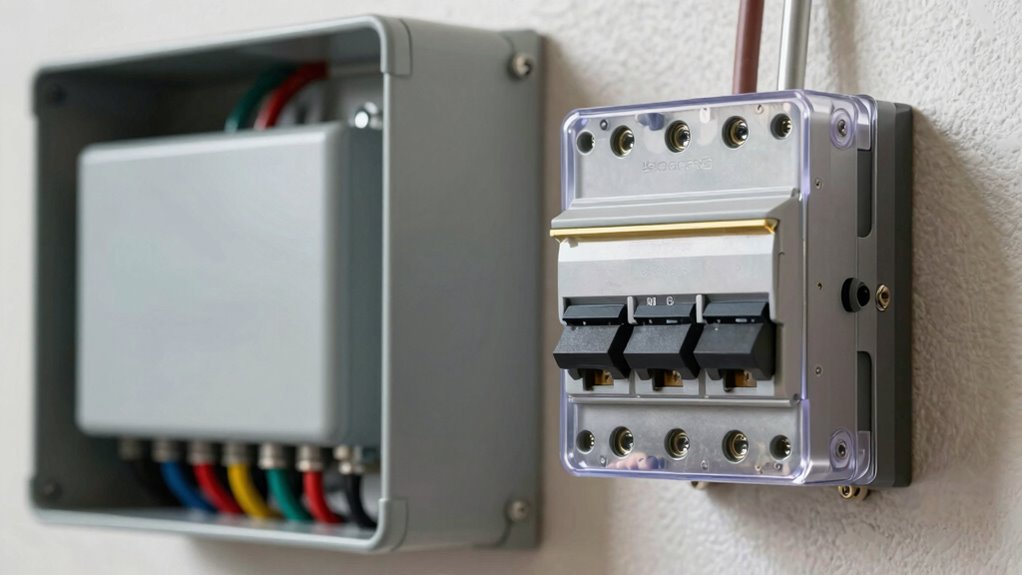
When choosing a backup power system, understanding the difference between a transfer switch and an interlock is essential. Both options serve to connect your generator to your home’s electrical system, but they do so in different ways, impacting not only safety but also compatibility and costs. A transfer switch is a standalone device that completely isolates your home from the utility grid when operating on generator power. This ensures that your generator’s power supply is synchronized with your home’s wiring, preventing backfeed, which can be dangerous to utility workers and damage your equipment. The key advantage here is improved generator compatibility; transfer switches are designed to handle various wattages and types of generators, making it easier to match your generator’s capacity with your home’s power needs. Additionally, transfer switches often come with safety features that help prevent accidental energization of the utility lines during maintenance or outages.
Installation costs are typically higher for transfer switches because they require professional wiring and integration into your electrical system. The initial investment covers not only the device itself but also the labor involved in installing it correctly and safely. Despite these costs, a transfer switch provides a reliable and code-compliant solution, especially if you plan to use a generator regularly or have a larger home with complex power demands. It’s also easier to upgrade or swap out generators later, as the transfer switch can accommodate different models within its rated capacity.
In contrast, an interlock kit is a simpler, more cost-effective solution that mechanically prevents your main breaker from being turned on while the generator breaker is active. When you need backup power, you manually switch the main breaker off and turn on the generator breaker, then connect your generator via a power inlet box. Because it’s a mechanical device that doesn’t require electrical wiring modifications to the main panel, installation costs are generally lower, often just involving a few tools and basic electrical work. However, this simplicity can mean less compatibility, especially if your generator is not properly sized or doesn’t match your home’s load requirements. With an interlock, you need to be more diligent about selecting a generator that matches your home’s power needs to avoid overloads or insufficient power.
home transfer switch for generator
As an affiliate, we earn on qualifying purchases.
As an affiliate, we earn on qualifying purchases.
Frequently Asked Questions
Can I Install a Transfer Switch or Interlock Myself?
You can attempt a DIY installation of a transfer switch or interlock, but it’s strongly advised to prioritize safety precautions. Electrical work can be dangerous, and improper installation risks shock or fire hazards. If you’re comfortable with electrical systems and follow all safety guidelines, you might manage it yourself. However, for peace of mind and code compliance, hiring a licensed electrician is the safest choice, especially for complex or high-voltage setups.
Which Option Is More Cost-Effective Long-Term?
A transfer switch is generally more cost-effective long-term, with a cost comparison showing it can save you money over time. You’ll find that transfer switches require less maintenance than interlocks, which often need periodic adjustments and checks. While initial installation might be pricier, their durability and minimal upkeep make them a smarter choice financially, especially if you want reliable backup power with lower ongoing costs.
Are There Specific Electrical Codes for These Devices?
Yes, there are specific electrical codes you need to follow for transfer switches and interlocks. These codes guarantee electrical safety and code compliance, which are vital for safe operation. You should check your local electrical codes and National Electrical Code (NEC) requirements, especially Article 702 for standby systems. Installing these devices correctly prevents electrical hazards, maintains code compliance, and guarantees your backup power system operates safely and effectively.
How Do Transfer Switches and Interlocks Affect Insurance Policies?
Think of your home’s backup system as a guardian at the gate—transfer switches and interlocks can influence your insurance implications. If installed properly, they meet policy requirements and can even lower premiums, acting like a shield for your coverage. But, if overlooked, they might cause insurance claims to be denied. Always verify these devices comply with local codes to keep your policy safe and your home protected.
Can I Use Both a Transfer Switch and Interlock Simultaneously?
Yes, you can use both a transfer switch and interlock simultaneously, but you need to take into account generator compatibility and installation complexity. Make sure your generator can handle the combined setup, and be prepared for a more complex installation process. Consulting a professional electrician helps confirm that both systems work together safely, providing reliable backup power without risking backfeed or electrical hazards. Always follow local codes and manufacturer instructions.
interlock kit for electrical panel
As an affiliate, we earn on qualifying purchases.
As an affiliate, we earn on qualifying purchases.
Conclusion
In the end, choosing between a transfer switch and an interlock is like selecting between the steady heartbeat of a reliable drum and the quick tempo of a skilled conductor. Both keep your home powered, but your decision influences your safety and convenience. Remember, as in any great symphony, harmony matters. Pick the right device, and you’ll ensure your home’s power flows smoothly, even when the storm clouds gather.
automatic transfer switch for home backup power
As an affiliate, we earn on qualifying purchases.
As an affiliate, we earn on qualifying purchases.
manual interlock kit for breaker box
As an affiliate, we earn on qualifying purchases.
As an affiliate, we earn on qualifying purchases.
Halloween Picks
halloween
As an affiliate, we earn on qualifying purchases.