
TL;DR
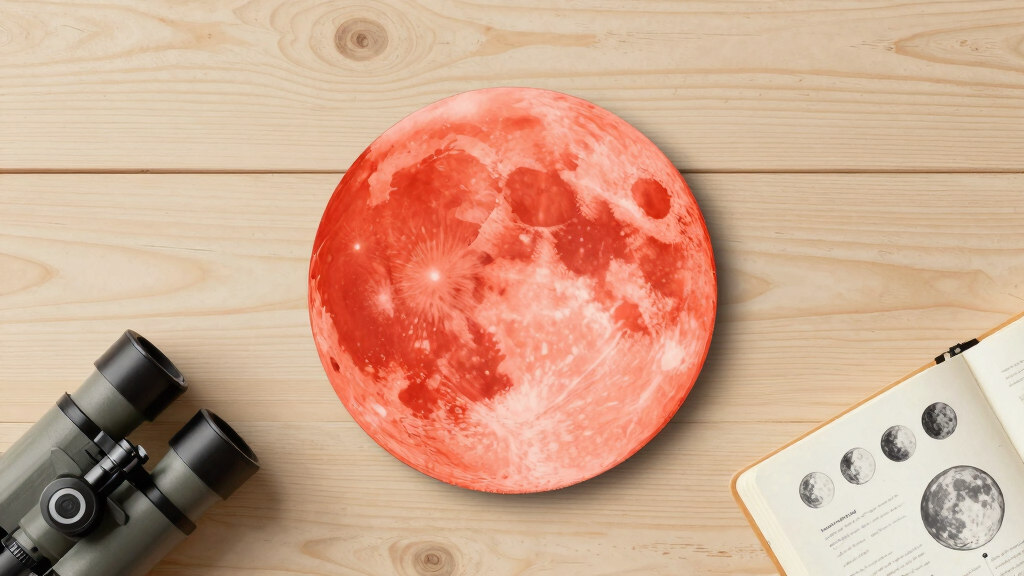
The June 2026 full moon, called the Strawberry Moon, will be a micromoon, meaning it appears smaller than usual. This is a confirmed astronomical event that will impact skywatchers and astronomers.
The full moon in June 2026, popularly called the Strawberry Moon, will also be a micromoon, making it one of the smallest full moons of the year, according to astronomical calculations. Learn when to see the Strawberry Moon rise in the UK. This event is confirmed and will be visible to skywatchers worldwide, highlighting a rare coincidence of lunar phases that attracts interest from both amateur and professional astronomers.

Prime made for students and young adults
- Fast, free delivery for dorm and study essentials
- Prime Video and Amazon Music included
- Member-only deals
Scientists confirm that the June 2026 full moon will appear smaller than typical full moons because it will be at or near its apogee—the farthest point from Earth in its elliptical orbit. June’s Strawberry Moon is unlike any other full moon. Here’s why. This results in the moon appearing about 14% smaller than when it is at perigee, its closest approach. The moon’s appearance will be noticeably less bright and smaller, leading to its nickname as a micromoon.
According to NASA’s lunar orbit data, the full moon will reach its peak phase around June 21, 2026. The term Strawberry Moon has historical roots, traditionally marking the time when strawberries ripen in North America, but the size variation is a separate, astronomical phenomenon confirmed by lunar orbit calculations. Look up Monday evening for the full strawberry moon.
Experts emphasize that this smaller appearance does not affect the moon’s gravitational influence or its effects on tides, which are primarily determined by the moon’s distance and phase at perigee and apogee.
Implications for Skywatchers and Astronomers
This event offers a unique opportunity for skywatchers to observe a smaller-than-usual full moon. It also serves as a reminder of the moon’s elliptical orbit and its impact on lunar visibility. For astronomers, understanding the moon’s orbital variations helps refine models of lunar motion and improves predictions for future lunar events.
While the micromoon’s appearance is mainly a visual phenomenon, it can influence the planning of astronomical observations and photography, especially for those aiming to capture the moon’s details or its relation to other celestial objects.
Popular right now

Breville Barista Pro Espresso Machine with Grinder, Brushed Stainless Steel

Ninja Prestige Smart XL Pro Cook System 10-in-1 Air Fryer and Countertop Oven, Stainless Steel, DT551

Ninja CM401 Specialty Coffee Maker with 10-Cup Carafe and Fold-Away Frother
As an affiliate, we earn on qualifying purchases.
June 2026’s Lunar Phases and Orbital Dynamics
The moon’s orbit around Earth is elliptical, causing variations in its distance from the planet. When at apogee, the moon appears smaller and less bright, a phenomenon known as a micromoon. The June 2026 full moon coincides with this apogee, which occurs roughly once every 14 months, making it a notable event for lunar observation.
Historically, the full moon in June has been called the Strawberry Moon due to its seasonal significance, but the size variation is purely an orbital effect confirmed by recent lunar tracking data. This alignment of the full moon with apogee is well-documented and predictable.
Prior similar events include the micromoon in December 2024 and the supermoon in August 2025, which occurs when the moon is at perigee and appears larger. The June 2026 event is part of this natural orbital cycle.
Uncertainties Surrounding Visibility and Impact
While the size and brightness of the June 2026 full moon are confirmed, the exact visual impact may vary depending on local atmospheric conditions and observer location. It is not yet clear how much the smaller appearance will be noticeable to casual viewers across different regions. Additionally, there is no indication that this event will have any significant effects beyond visual observation.
Further details about the precise timing and visibility in specific locations are still being refined as the date approaches.
Upcoming Lunar Events and Observation Tips
As June 2026 approaches, astronomers and skywatchers are encouraged to plan observation sessions around the full moon date, likely June 21. Using binoculars or telescopes can enhance the viewing experience, especially to observe the moon’s smaller size and surface details.
Astronomical organizations will likely issue specific viewing times and tips closer to the event, and live broadcasts may be available for those unable to observe in person. The event also provides an educational opportunity to learn more about lunar orbital mechanics.
Key Questions
What is a micromoon?
A micromoon occurs when the full moon coincides with the moon’s apogee, making it appear smaller and less bright than usual.
Why is the June 2026 moon called the Strawberry Moon?
The nickname ‘Strawberry Moon’ dates back to Native American and European traditions, marking the time when strawberries ripen in North America.
Will the moon look significantly different during this event?
Yes, the moon will appear smaller and dimmer than typical full moons, but the difference may be subtle depending on viewing conditions.
Does the size of the moon affect tides or other natural phenomena?
No, the size variation during a micromoon does not significantly impact tides, which are primarily influenced by the moon’s distance and phase.
When is the best time to observe the June 2026 full moon?
The full moon is expected to peak around June 21, 2026. Observers should look for clear skies on or near that date for optimal viewing.
Source: google-trends