
To use the spacing effect, spread your study sessions over time instead of cramming. Review material after increasing intervals—like one day, then several days later—to strengthen your memory. Using flashcards or apps with automatic scheduling can make this easier. Consistency is key, and avoiding last-minute reviews helps you retain information longer. Keep going, and you’ll discover how to optimize your learning for better results and lasting understanding.

Prime made for students and young adults
- Fast, free delivery for dorm and study essentials
- Prime Video and Amazon Music included
- Member-only deals
Key Takeaways
- Spread study sessions over increasing intervals to reinforce memory and prevent quick forgetting.
- Use digital flashcards or apps with built-in algorithms to automate optimal review timings.
- Start with short gaps (e.g., one day) and gradually extend intervals as your recall improves.
- Avoid cramming by maintaining consistent, scheduled review sessions over time.
- Incorporate multimedia and active recall techniques during spaced reviews for stronger retention.
digital flashcards with spaced repetition
As an affiliate, we earn on qualifying purchases.
As an affiliate, we earn on qualifying purchases.
Why Cramming Fails and How Spaced Repetition Can Help
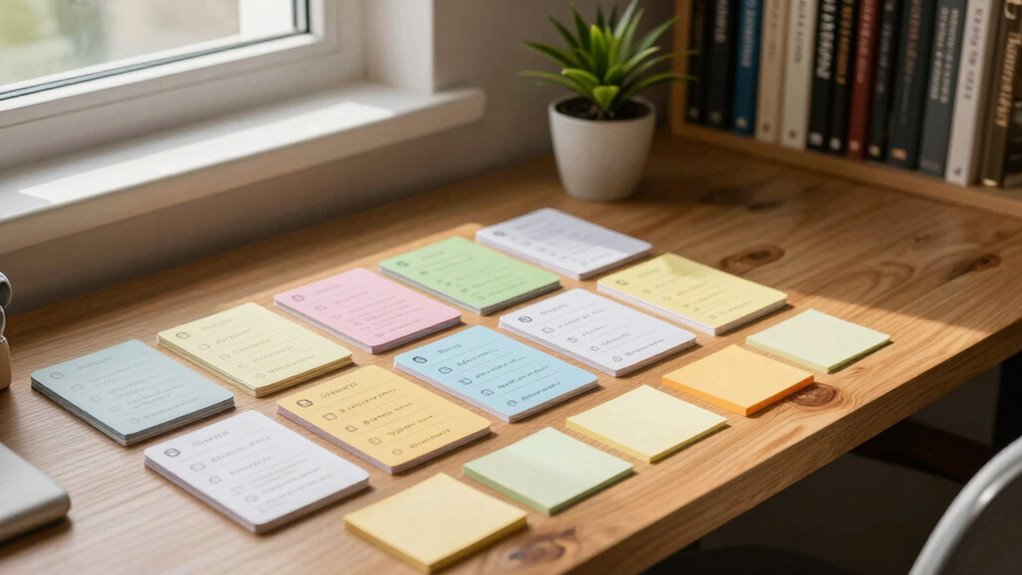
Cramming might help you memorize information temporarily, but it often leads to quick forgetting and poor long-term retention. Relying on last-minute study sessions hampers your study habits and reduces learning efficiency. When you cram, you’re forcing your brain to process a large amount of information in a short time, which isn’t sustainable or effective. Instead, spaced repetition spreads out your study sessions, allowing your brain to reinforce knowledge gradually. This approach improves your ability to retain information over time and helps you build stronger connections in your memory. By adopting better study habits centered around spaced practice, you’ll find studying becomes more manageable and effective, leading to better grades and a deeper understanding of the material.
study scheduling apps with automatic reminders
As an affiliate, we earn on qualifying purchases.
As an affiliate, we earn on qualifying purchases.
What Is the Spacing Effect and How Does It Boost Memory?

The spacing effect is a psychological phenomenon where spreading out your study sessions over time leads to better learning retention than cramming all at once. When you space your study, you give your brain time to process and solidify information through memory consolidation. This process strengthens neural connections, making it easier to recall later. Additionally, the spacing effect helps prevent burnout and mental fatigue that often accompanies intensive study sessions. By using the spacing effect, you’re not just delaying review; you’re actively boosting your ability to retain knowledge long-term. To understand its power, consider these points:
Spacing out study sessions strengthens neural connections and boosts long-term memory retention.
- Reinforces neural pathways for durable memory storage
- Prevents mental fatigue during study sessions
- Encourages active engagement with material
- Improves overall learning efficiency
- Incorporating memory consolidation strategies can further enhance your study organization and retention. Moreover, understanding how neural connections are strengthened can help you tailor your study schedule for maximum effectiveness. Recognizing the role of long-term memory formation emphasizes the importance of consistent review over time. Engaging in regular review sessions also supports the reinforcement of learned material, making the spacing effect even more effective.
Applying the spacing effect helps your brain work smarter, not harder, for lasting retention.
spaced repetition learning tools
As an affiliate, we earn on qualifying purchases.
As an affiliate, we earn on qualifying purchases.
How Can You Start Using Spaced Repetition Today?
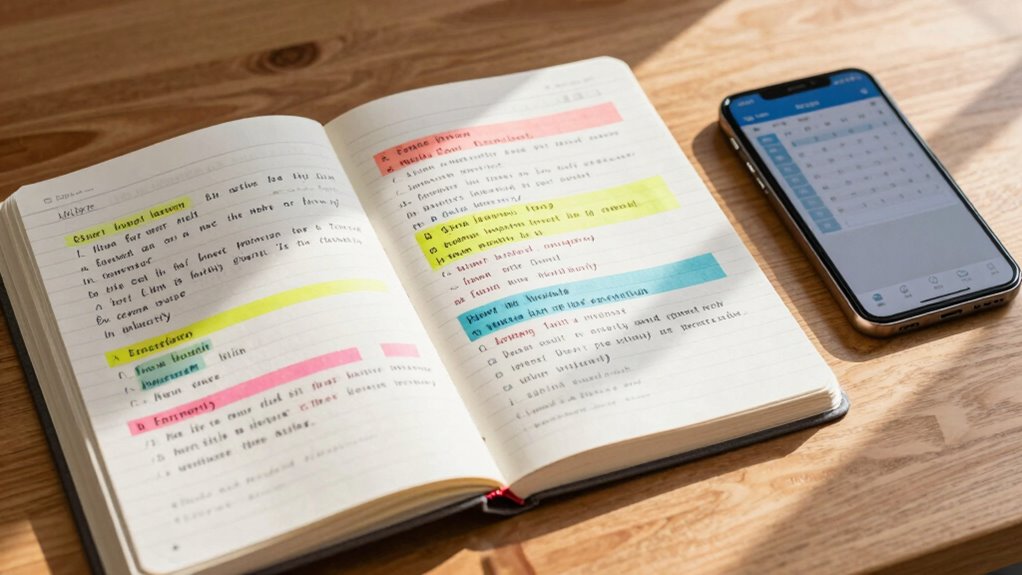
To start using spaced repetition today, you can begin by creating a study schedule that gradually increases the intervals between review sessions. Start with short gaps, like reviewing material after one day, then extend to several days, a week, and beyond. Using flashcard apps can make this process easier—they often have built-in algorithms to help you space out reviews automatically. Set up your cards, and let the app remind you when it’s time for a review. Incorporating calibration techniques can further optimize your study sessions with secure and innovative technology. For outdoor enthusiasts and learners alike, understanding timeless outdoor wisdom can also enhance your overall preparedness. Consistency is key, so stick to your schedule and trust the system. Over time, you’ll notice that information sticks with you longer, making studying more efficient. This simple approach helps you incorporate spaced repetition into your daily routine with minimal effort.
As an affiliate, we earn on qualifying purchases.
What Are the Common Mistakes in Spaced Repetition and How to Avoid Them?
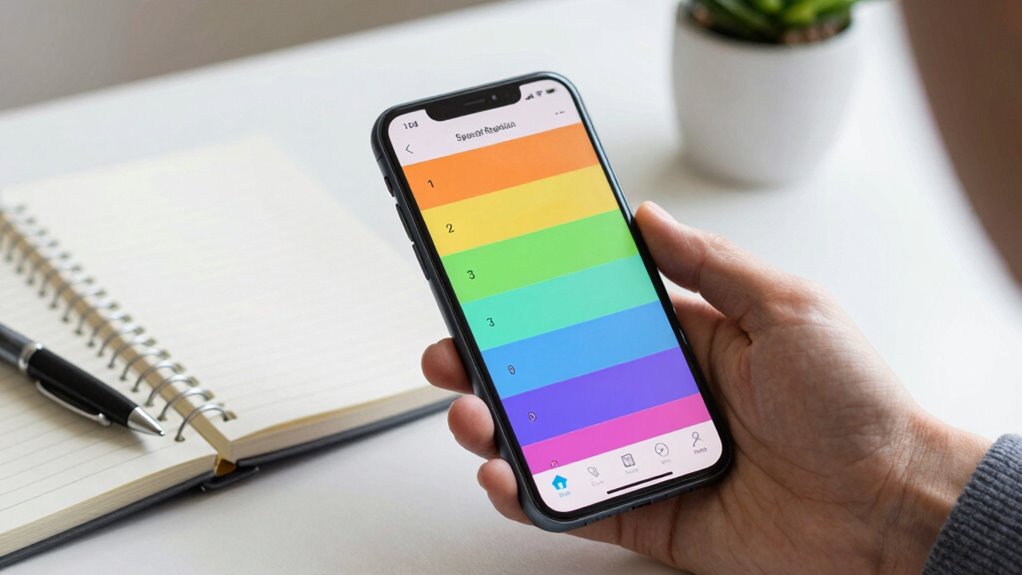
One common mistake in spaced repetition is reviewing material too infrequently or too soon, which prevents your brain from consolidating the information effectively. Overconfidence bias can make you believe you’ve mastered content, leading to skipped reviews and inconsistent scheduling. This inconsistency hampers long-term retention. To avoid these pitfalls, watch out for:
- Skipping reviews because you feel confident
- Setting irregular or unpredictable study sessions
- Ignoring the ideal spacing intervals
- Relying solely on intuition rather than structured plans
Which Tools and Techniques Make Spaced Repetition Easier?

Using the right tools and techniques can considerably simplify implementing spaced repetition in your study routine. Digital flashcards are a powerful tool, allowing you to create and review material anytime, anywhere. Spaced repetition software (SRS) automates the review schedule, ensuring you revisit information just before you forget it. These tools track your progress and adjust review intervals, making your study sessions more efficient. Many SRS programs also integrate multimedia, helping reinforce learning through images, audio, and text. To maximize effectiveness, consistently use your digital flashcards and stick to the spaced repetition schedules provided. These techniques remove guesswork, reduce cramming, and keep your review sessions focused, making the overall process more manageable and productive.
Frequently Asked Questions
How Long Should Each Study Session Last When Using Spaced Repetition?
Your study session duration should be about 20 to 30 minutes for ideal review length when using spaced repetition. This helps you stay focused without feeling overwhelmed, ensuring better retention. After each session, take a short break before reviewing again. As you progress, gradually increase the interval between reviews. Keep sessions manageable and consistent to maximize the benefits of spaced repetition and improve long-term memory.
Can Spaced Repetition Be Effective for All Types of Learning Material?
Think of spaced repetition as a versatile key that unfastens many doors. It works well for memorization techniques, helping you remember facts and formulas. However, for conceptual understanding, it’s less effective unless combined with active engagement like discussions or problem-solving. You can adapt it for different materials, but don’t rely solely on it—mix methods to deepen your grasp and truly master complex topics.
What Is the Ideal Interval Between Review Sessions?
The ideal interval between review sessions depends on your material and goals, but generally, timing optimization involves gradually increasing the gap between reviews. Start with shorter intervals, like a day or two, then extend to a week, two weeks, or more. Adjust your review frequency based on your retention, ensuring you reinforce the material before forgetting sets in. This approach maximizes long-term retention and makes studying more efficient.
How Do I Stay Motivated to Stick With Spaced Repetition Routines?
Think of your spaced repetition routine as planting a garden—you’ll need motivation to keep tending it. To stay committed, use motivational strategies like setting clear goals and rewarding progress. Habit formation is key; start small and celebrate each success. Keep reminding yourself of the long-term benefits, and soon, your study routine will feel as natural as watering plants. This consistency transforms effort into a rewarding habit.
Are There Any Specific Subjects That Benefit More From Spaced Repetition?
Yes, subjects like languages benefit greatly from spaced repetition, especially for language dependence and memorization. You’ll find it helps you retain vocabulary and grammar rules, but also supports comprehension over time. While memorization is easier with spaced repetition, it can also deepen understanding. For complex subjects, combining spaced repetition with active engagement ensures you not only memorize but also grasp concepts more effectively.
Conclusion
Think of spaced repetition as planting seeds over time, not just watering once. When I started using this method, I remembered more and felt less stressed before exams. Research shows it boosts long-term retention by up to 80%. Just like tending a garden, consistent, spaced effort yields a richer, more resilient memory. So, start today—your brain will thank you, and your future self will reap the abundant harvest of knowledge.
Fall Picks
fall essentials
As an affiliate, we earn on qualifying purchases.